The Osaka Amazing Pass:a family guide to what’s included.
- Price
- ¥3,500 one day, ¥5,000 two days
- What’s Included
- About 40 attractions and unlimited transit
- New for 2026
- A 28-hour Kansai Airport version, ¥5,300
- Child Price
- None; some attractions admit young ones free
- The Day Boundary
- 3:00 a.m. to 2:59 a.m., not 24 hours
How to turn the long list of included attractions, from Osaka Castle down, into a one-day itinerary a family can actually finish.
Some links on this page are affiliate links. LuNi may earn a commission at no extra cost to you.
The Osaka Amazing Pass costs ¥3,500 for one day and ¥5,000 for two, with no separate child price, and bundles unlimited Osaka Metro, city buses and the New Tram with free entry to about 40 attractions. A Kansai Airport version lasting 28 hours sells for ¥5,300 from October 1, 2026. The real question is not whether it saves money but which handful of attractions to do, and in what order, because each pass day runs from 3:00 a.m. to 2:59 a.m.: a pass started at noon ends that night. Activate it in the morning and build the whole day around it.
The pass as a system.
Before deciding whether the pass earns its place in your itinerary, it helps to read it the way The LUNI Framework reads any transit product: not as a discount, but as a logistics decision that shapes how a family day actually runs.
The pass-day rule is the detail families miss most often. Each pass day runs from 3:00 a.m. to 2:59 a.m. the next morning, so a one-day pass started at noon ends that night, not the following noon, and it pays to activate it in the morning and build a full day around it rather than starting late. The Itami Airport version (¥3,800 for one day, ¥5,400 for two) adds the Osaka Monorail between Osaka Airport and Expo Commemorative Park, plus Kita-Osaka Kyuko and some Hankyu sections, and it cannot be used at Kansai Airport. From October 1, 2026, a separate 28-hour Kansai Airport version sells for ¥5,300 (one price for adults and children), runs 28 hours from first use rather than by pass day, and includes one one-way Nankai ride from Kansai Airport to Namba, never the reverse.
Every attraction included (2026).
The complete 2026 list, grouped by area so you can see at a glance what sits near what. This is the inventory to scan first, before narrowing to the few that fit your family.
| Area | Attractions Included |
|---|---|
| Umeda / Kita | Umeda Sky Building Kuchu-Teien Observatory, Umeda Sky Building Koji Kinutani Tenku Art Museum, HEP Five Ferris Wheel, Osaka Museum of Housing and Living, The National Museum of Art, Entrepreneurial Museum of Challenge and Innovation |
| Namba / Dotonbori | Tombori River Cruise, Wonder Cruise, Kamigata Ukiyoe Museum |
| Tennoji / Shinsekai | Tsutenkaku Tower Observation Deck, Tower Slider, Dive & Walk, Osaka Tennoji Zoo, Keitakuen Garden, Osaka City Museum of Fine Arts, Shinsekai ZAZA Comedy Yose, Shitennoji Temple |
| Osaka Castle Area | Osaka Castle Museum, Nishinomaru Garden, Castle Yagura turrets, Kaiyodo Figure Museum, Osaka-jo Gozabune Boat, Aqua-Liner, Yorimichi Sunset Cruise, Okawa River Sakura Cruise, Osaka Museum of History, Peace Osaka |
| Bay Area | Tempozan Giant Ferris Wheel, Santa Maria Day Cruise, Santa Maria Twilight Cruise, Captain Line Ferry, LEGOLAND Discovery Center, GLION Museum, Sakishima Cosmo Tower Observatory |
| Other Areas | Sakuya Konohana Kan, Osaka Museum of Natural History, Nagai Botanical Garden, Sakai Risho no Mori, Sakai City Museum |
Umeda / Kita
Namba / Dotonbori
Tennoji / Shinsekai
Osaka Castle Area
Bay Area
Other Areas
A Reserve tool, not a checklist.
Forty attractions is not a target. Three to four in a day is the realistic ceiling for a family, and which three depends less on what is famous than on how your child depletes.
The Dynamo depletes through restricted movement. Long enclosed museum circuits and slow queues are where this child unravels, so the planning consequence is to anchor the day on open-air, high-movement stops (the castle grounds, a Ferris wheel, a river cruise where there is room to stand and watch) and keep any indoor museum to a single short visit rather than two back to back.
The Sensor depletes through sensory input. Dotonbori at peak and the louder indoor play spaces concentrate noise and crowding, so the planning consequence is to schedule the sensory-heavy stop early, before the threshold is reached, and pair it with a quiet counterweight such as a garden or a calm boat ride rather than stacking two stimulating attractions together.
The Anchor depletes through unfamiliarity and unconfirmed structure. The pass actually helps this child, because a single tap-and-go ticket removes the repeated uncertainty of working out fares and gates. The planning consequence is to confirm the day’s shape out loud in advance (three named stops, in order) so the structure is known before you leave the hotel.
The Sprinter depletes through sustained travel-style walking and standing. The hidden cost of a pass is that unlimited transit tempts families into more stops than legs can carry. The planning consequence is to use the included boats and Ferris wheels deliberately as seated recovery between walking-heavy attractions, and to resist adding a fourth stop just because the transit is already paid for.
With that lens in mind, these are the included attractions that hold up best for families, each matched only to the profiles it genuinely suits.
| Attraction | Why It Fits Families | Best For |
|---|---|---|
| Osaka Castle Museum | A genuine castle to climb with wide, walkable grounds for movement between the tower and the moat. Short and high-payoff. | Dynamo, Sensor, Anchor |
| Osaka Museum of Housing and Living | Recreated Edo-period streets to walk through, with optional yukata for younger kids, and easy to keep brief for older ones. | Dynamo, Anchor, Sprinter |
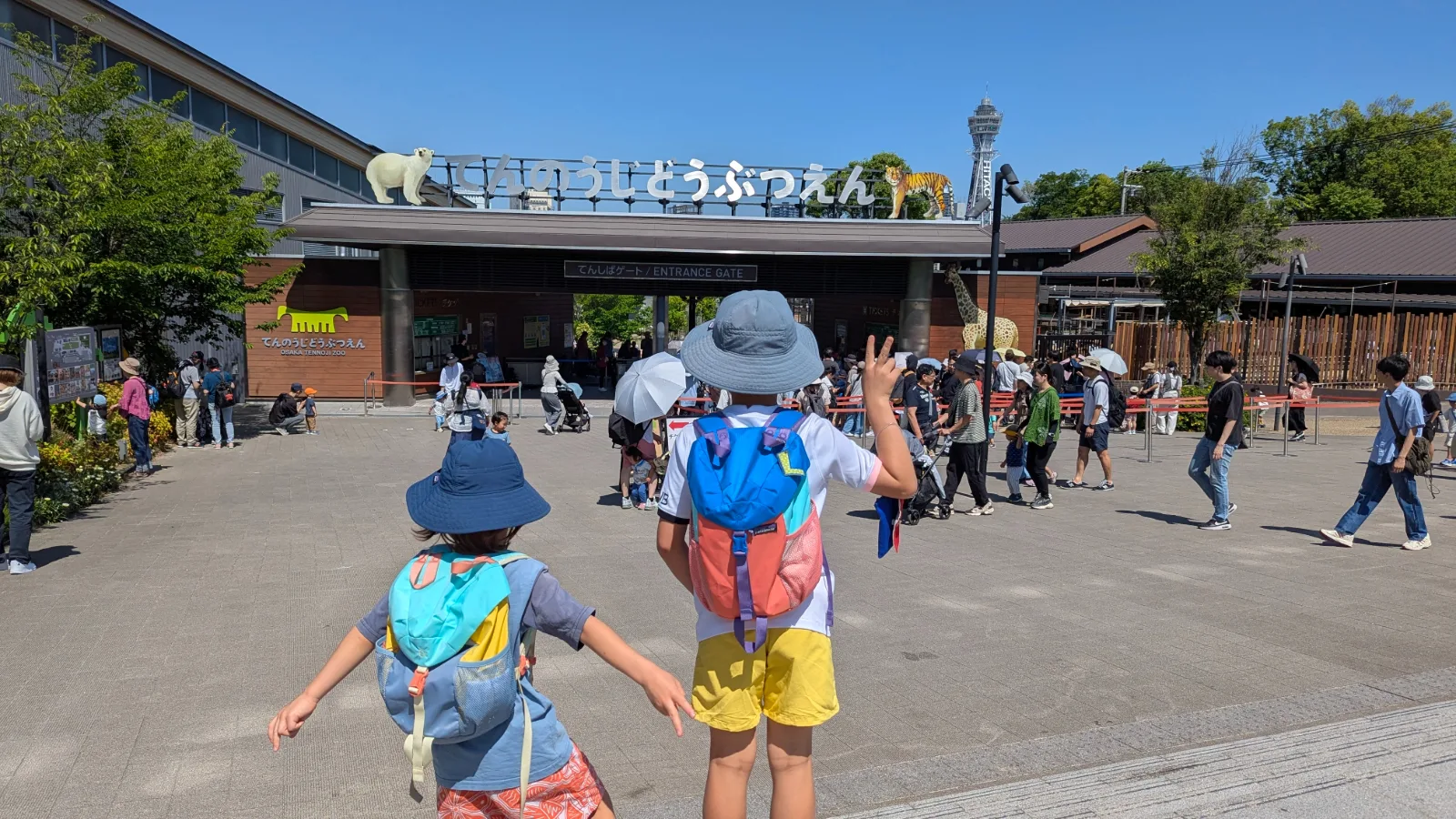
| Osaka Tennoji Zoo | Compact and easy to navigate, with clear paths and a natural loop that does not overwhelm. | Dynamo, Anchor |
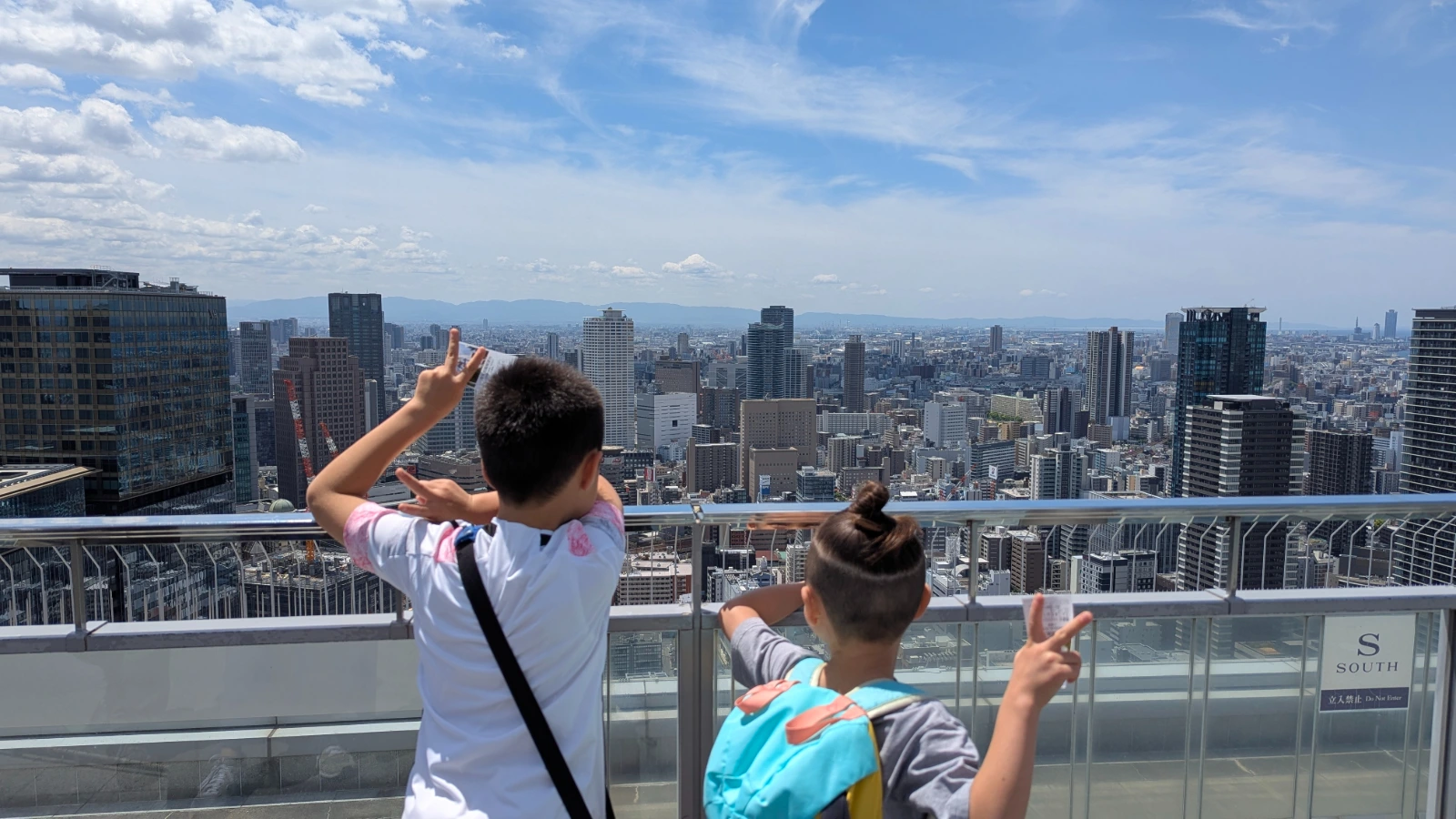
| Umeda Sky Building Observatory | A 360-degree skyline view with an open rooftop walk. A predictable, structured stop that doubles as a seated-then-standing break. The pass admits free only until 15:00. | Anchor, Sprinter |
| Tempozan Giant Ferris Wheel | Sweeping bay views from a long, seated rotation. Reliable recovery between bay-area walking. | Anchor, Sprinter |
| Osaka Museum of History | Models and interactive displays near the castle, calm enough to pair with the grounds without doubling the sensory load. | Sensor, Anchor |
Osaka Castle Museum
Best for: Dynamo, Sensor, Anchor
Osaka Museum of Housing and Living
Best for: Dynamo, Anchor, Sprinter
Osaka Tennoji Zoo
Best for: Dynamo, Anchor
Umeda Sky Building Observatory
Best for: Anchor, Sprinter
Tempozan Giant Ferris Wheel
Best for: Anchor, Sprinter
Osaka Museum of History
Best for: Sensor, Anchor
Several other included favorites work well as short, lively additions rather than profile-matched anchors. The Tombori River Cruise is a brief, exciting loop past the neon of Dotonbori. The HEP Five Ferris Wheel is a quick rooftop ride in Umeda. LEGOLAND Discovery Center is an indoor play option for younger children: the pass admits free on listed days, mostly Tuesday to Thursday (on other days it takes 500 yen off), with a date-and-time booking on LEGOLAND’s own site, and adults and children enter only together. Tsutenkaku, Shitennoji Temple, and the Santa Maria cruise round out a flexible day depending on energy and weather.
The secret with a pass like this is not how many stops you fit in. It is how you space them. A castle climb or a Ferris wheel ride feels bigger when there is room to rest in between, and the pass pays off precisely when you let it carry you between three good stops rather than chasing all 40.
Is it worth it, and how to buy.
The math is straightforward, and it usually favors the pass for any family visiting a few attractions in a day. The harder discipline is choosing which few.
A handful of the included attractions already covers the cost of a one-day pass at regular admission, before a single subway fare is counted. Osaka Castle, a river cruise, and a Ferris wheel together approach the one-day price on their own, so a family seeing three or more attractions almost always comes out ahead. The savings matter, but the smoother day matters more: fewer ticket stops mean more of the day spent on the attractions themselves.
Buy it on the official site before the trip. Surutto KANSAI sells it by credit card only, one purchase covers up to four passes, and the pass lives on a smartphone as a Surutto QRtto code you show on arrival, which is one less point of friction on a travel day. The only counter sale is at the Kansai Tourist Information Center. A pass must be used within three months of purchase, and once it is started there is no refund, even if an included facility is closed that day. For families weighing this pass against the city’s other option, the comparison guide below sets them side by side.
Questions families ask before buying.
About 40 in 2026 (39 on the standard pass), spanning castles, observatories, river cruises, museums, gardens, and Ferris wheels across the city, with free entry bundled into a single pass alongside unlimited transit.
No. Universal Studios Japan is not included. The pass covers city attractions such as Osaka Castle, the Umeda Sky Building, river cruises, and museums, plus unlimited Metro, city buses, the New Tram, and the Hankyu, Hanshin, Keihan, Kintetsu and Nankai lines mainly inside Osaka City.
No. There is no child version: a child either uses a full-price adult pass or goes without one and pays each attraction’s own price for a child at the door, and several attractions admit young children free.
Three to four per day is comfortable. Visiting that many already matches or exceeds the one-day price before transit, so there is no need to rush through all of them.
One or two consecutive pass days, not rolling 24-hour periods, and each pass day runs from 3:00 a.m. to 2:59 a.m. Activate it in the morning to get a full day’s use. The Kansai Airport version is the exception: it runs 28 hours from first use.
Yes. Unlimited rides on the Osaka Metro, city buses (some routes excluded), the New Tram, and the Hankyu, Hanshin, Keihan, Kintetsu and Nankai lines mainly inside Osaka City, from the first train to the last on each day of validity. Reserved-seat limited expresses cost extra.
Buy it on the official site, osaka-amazing-pass.com, run by Surutto KANSAI. It is sold by credit card only (no cash and no debit cards), it works on a smartphone through Surutto QRtto, and one purchase covers up to four passes. The only ticket counter that sells it is the Kansai Tourist Information Center. In 2026 the standard pass costs ¥3,500 for one day and ¥5,000 for two days, the Itami Airport version costs ¥3,800 and ¥5,400, and the 28-hour Kansai Airport version, on sale since October 1, 2026, costs ¥5,300. Surutto KANSAI sells no child pass.