Japan with kids, planned city by city.
The definitive guide to Japan with kids, written by a family that lives here. Where to base, what to book ahead and how to pace each day, from Tokyo and Kyoto to Hokkaido and Kyushu.
Thank you. Confirm your address in your inbox, and your free copy of Tokyo follows by email.
That address did not go through. Try again?
Popular Searches
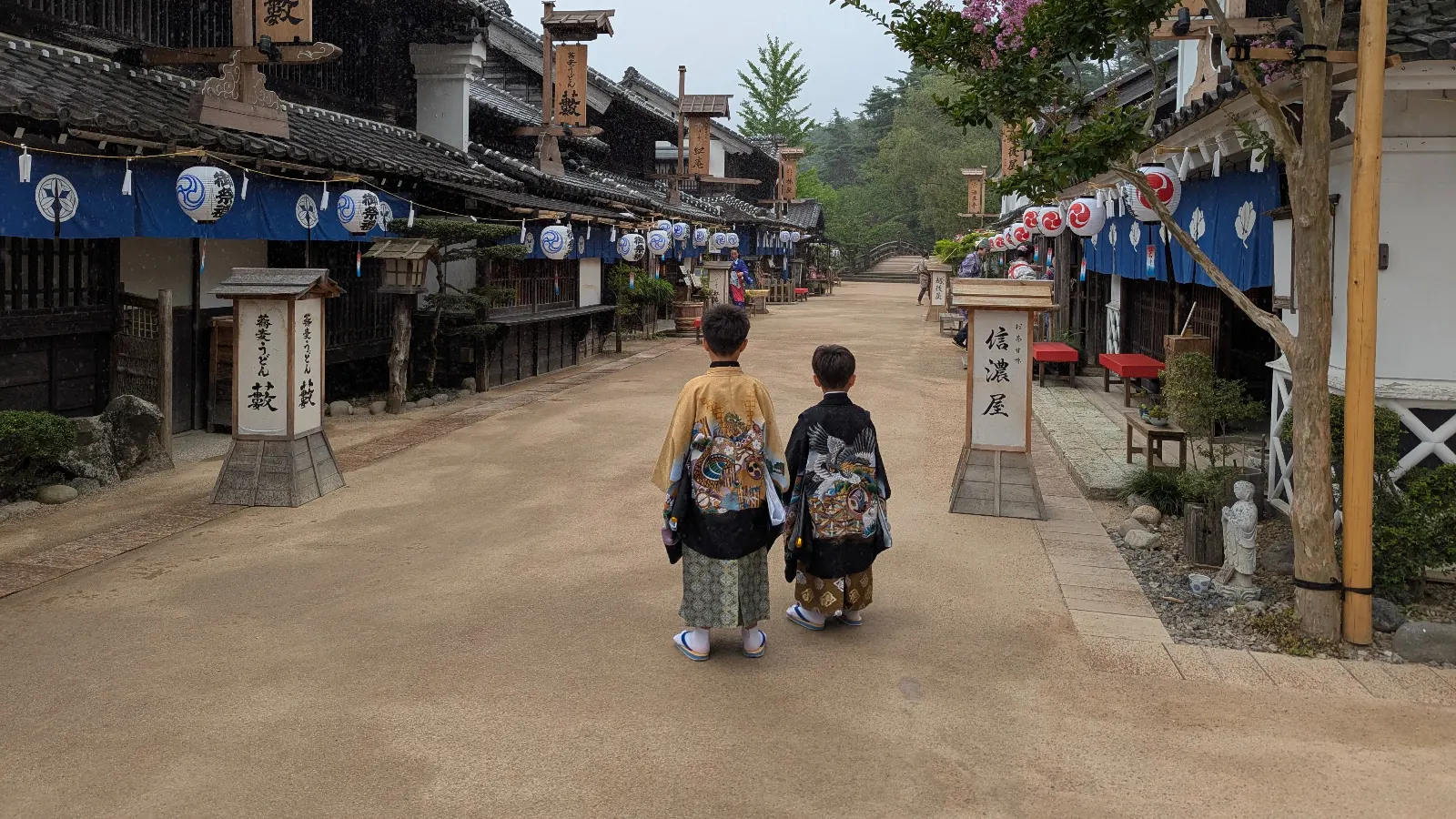
“Japan rewards families who plan around the child, not the bucket list.”
The whole country. One planning lens.
Start where the trip will be based: Tokyo, Kyoto, Osaka, or the whole country while the route is still open. Past those three, the cities run from Asahiyama Zoo in Hokkaido to the coral beaches of Miyakojima.
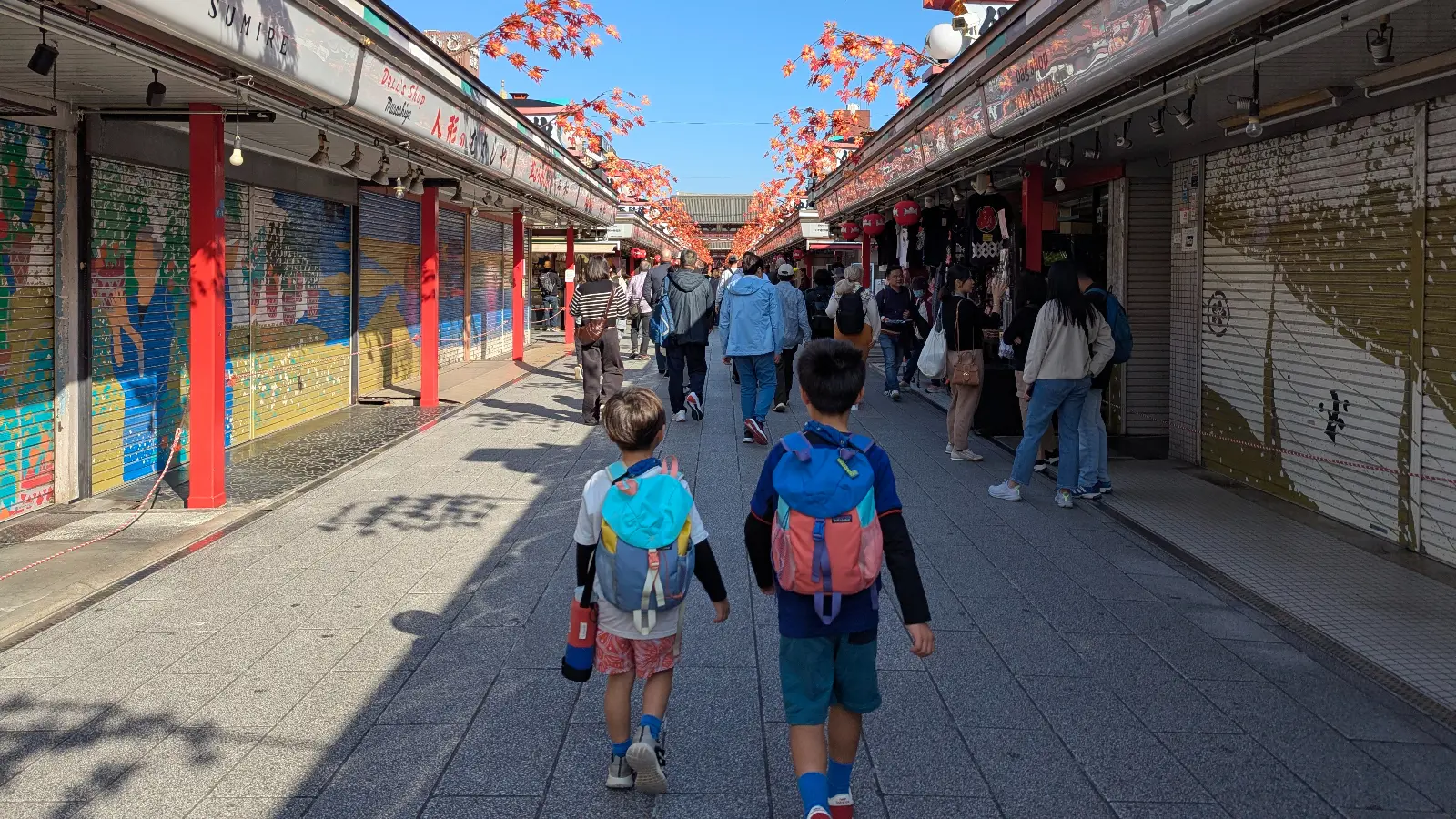
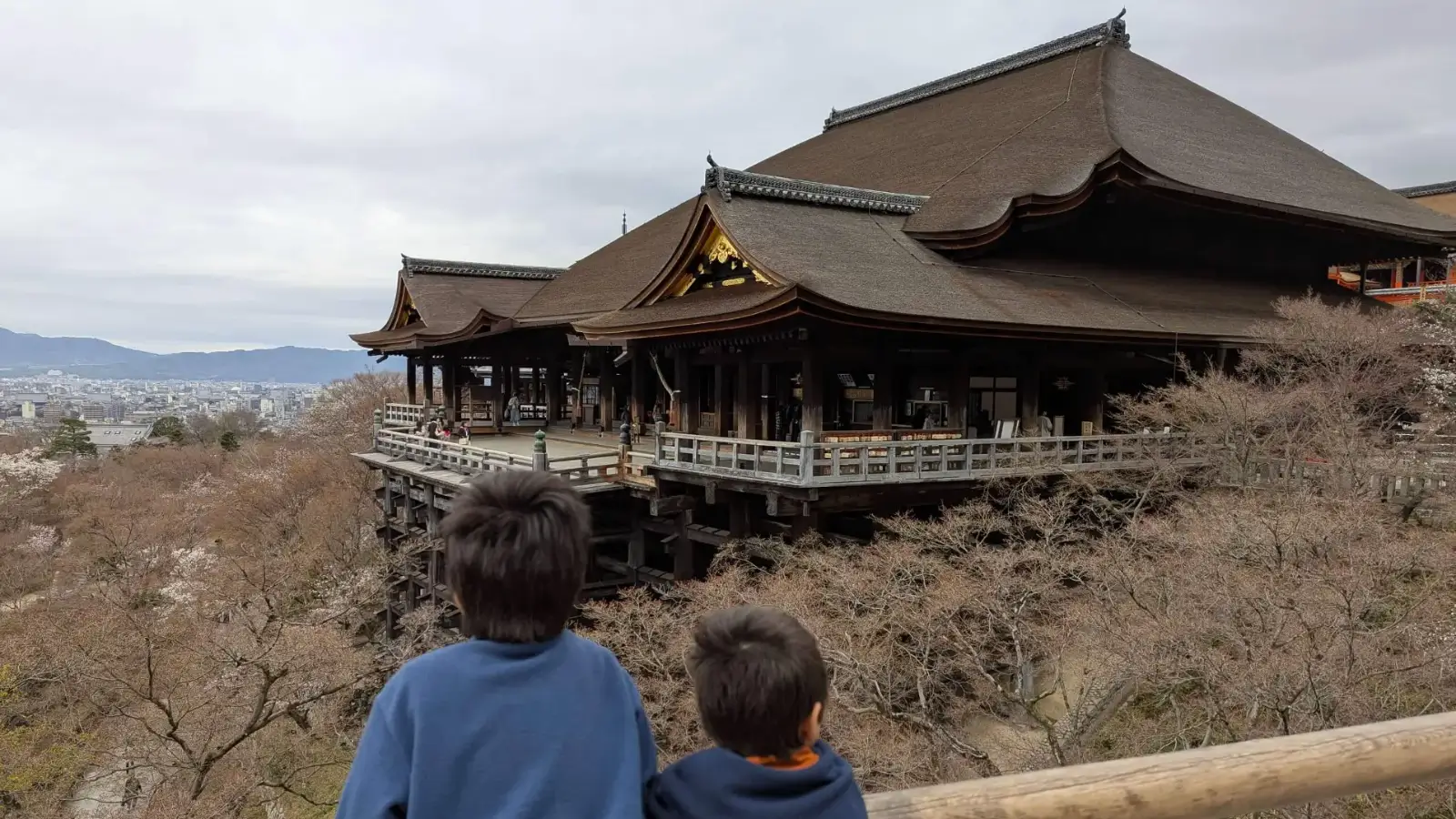


The LuNi Travels atlas. Select any pin or city name to preview the destination and open its guide.The LuNi Travels atlas. Tap anywhere on the map to see that area’s cities, or browse the full list below.
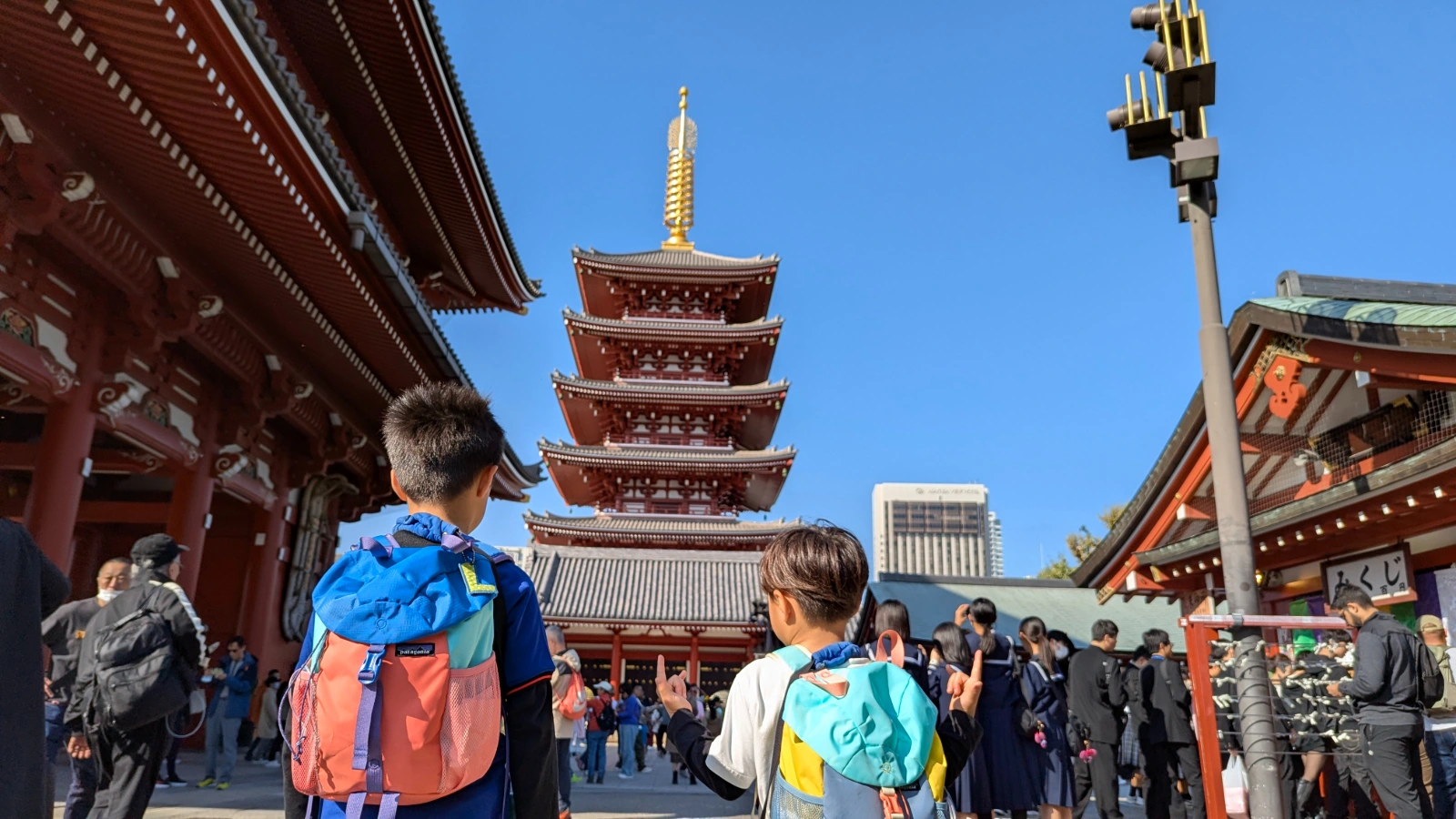
Beyond the pins
Off the Map: the editorial seriesThree guides families open first.
The pages most LuNi readers land on before anything else. For a week or ten days, the Japan itineraries for families carry shorter routes, and plans for single cities too.
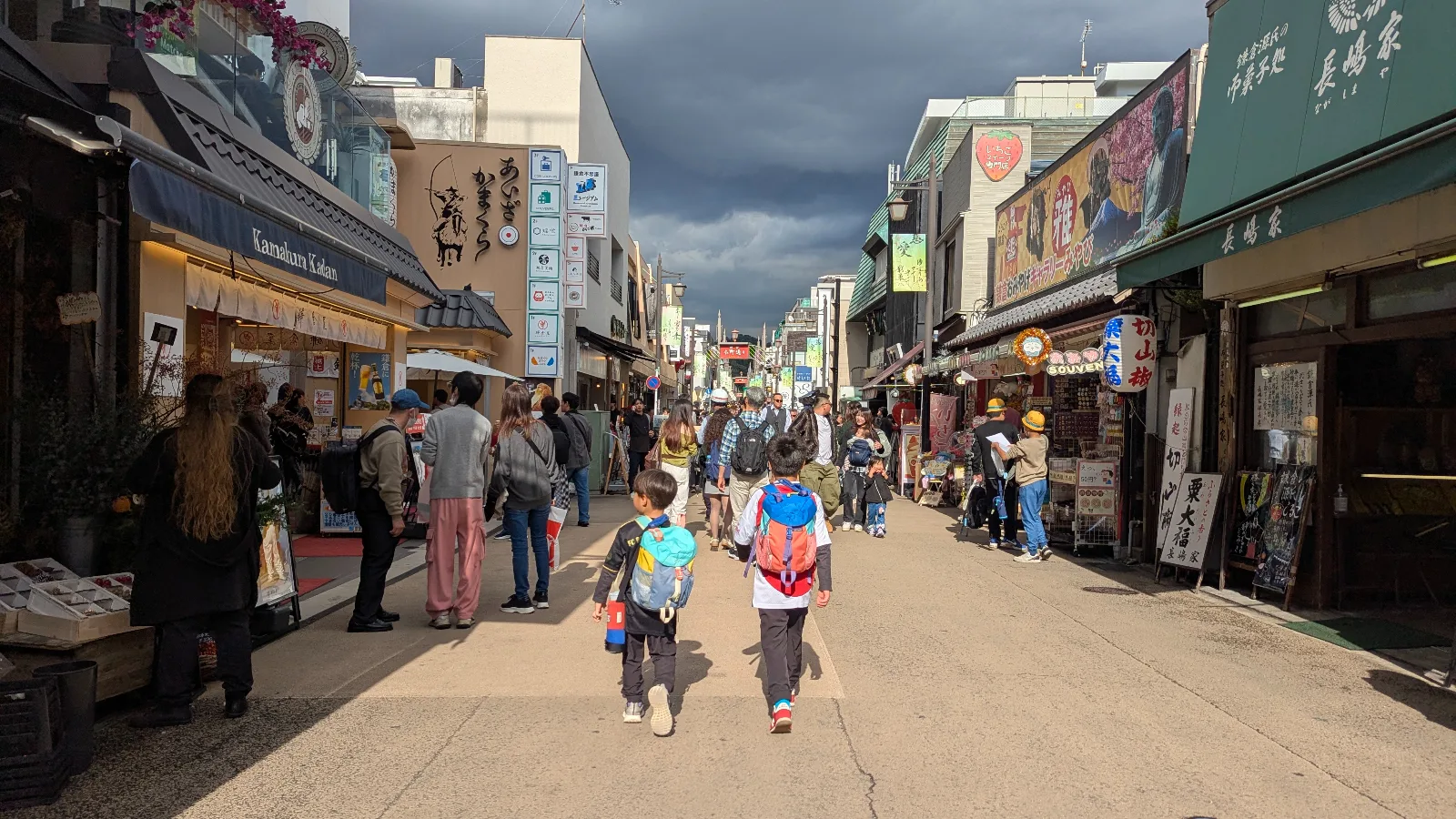
Why Japan is the best first international trip for families.
Low friction, high reward, and a transit system that quietly does most of the work. The structural reasons Japan is the right inaugural trip with children.
Read the Guide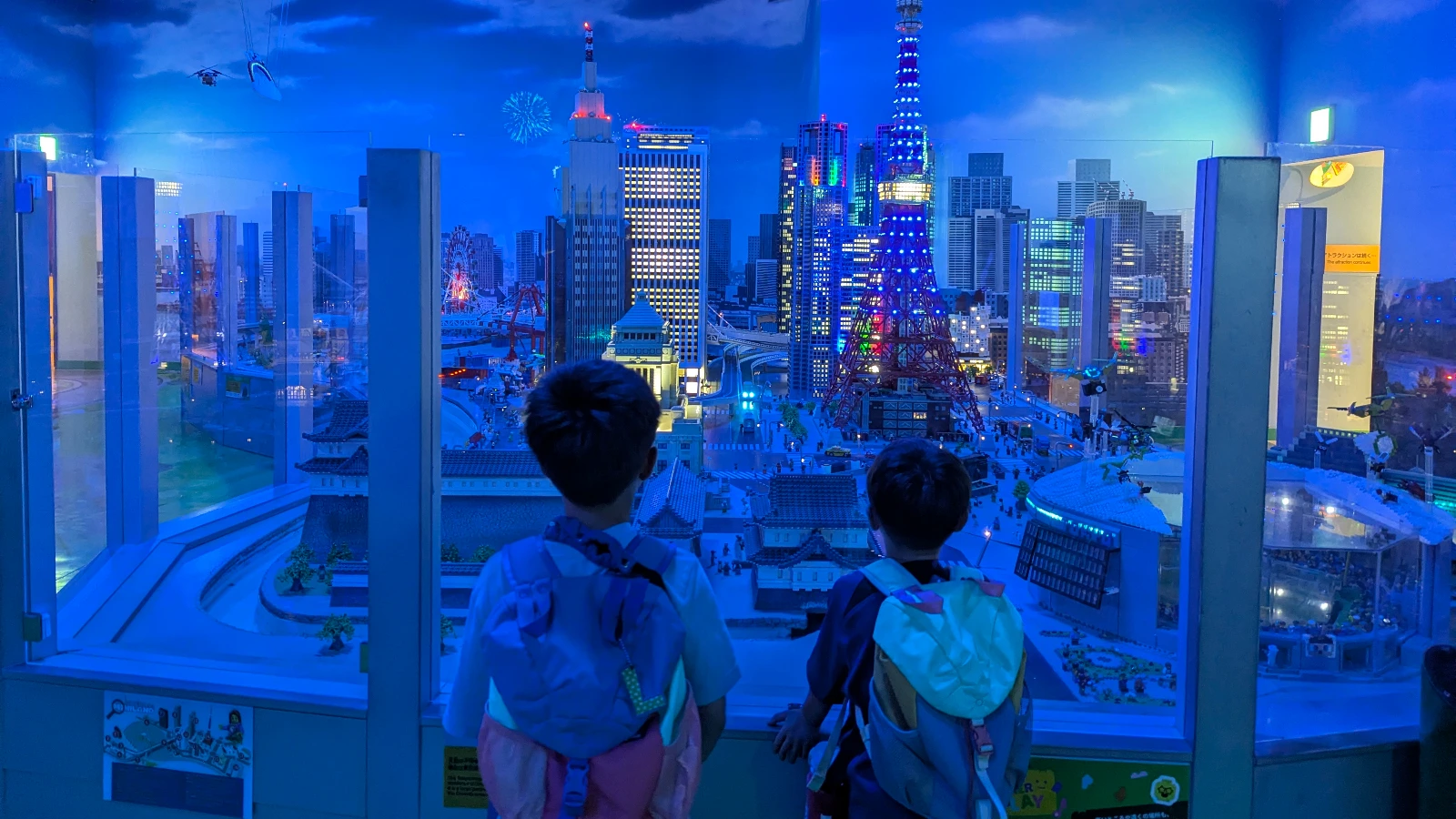
The 2-week Japan itinerary, built for families.
Tokyo, Kyoto, and Osaka in sequence with one off-ramp day built in. A three-base structure with the buffer days the Golden Route demands but rarely gets.
View the Itinerary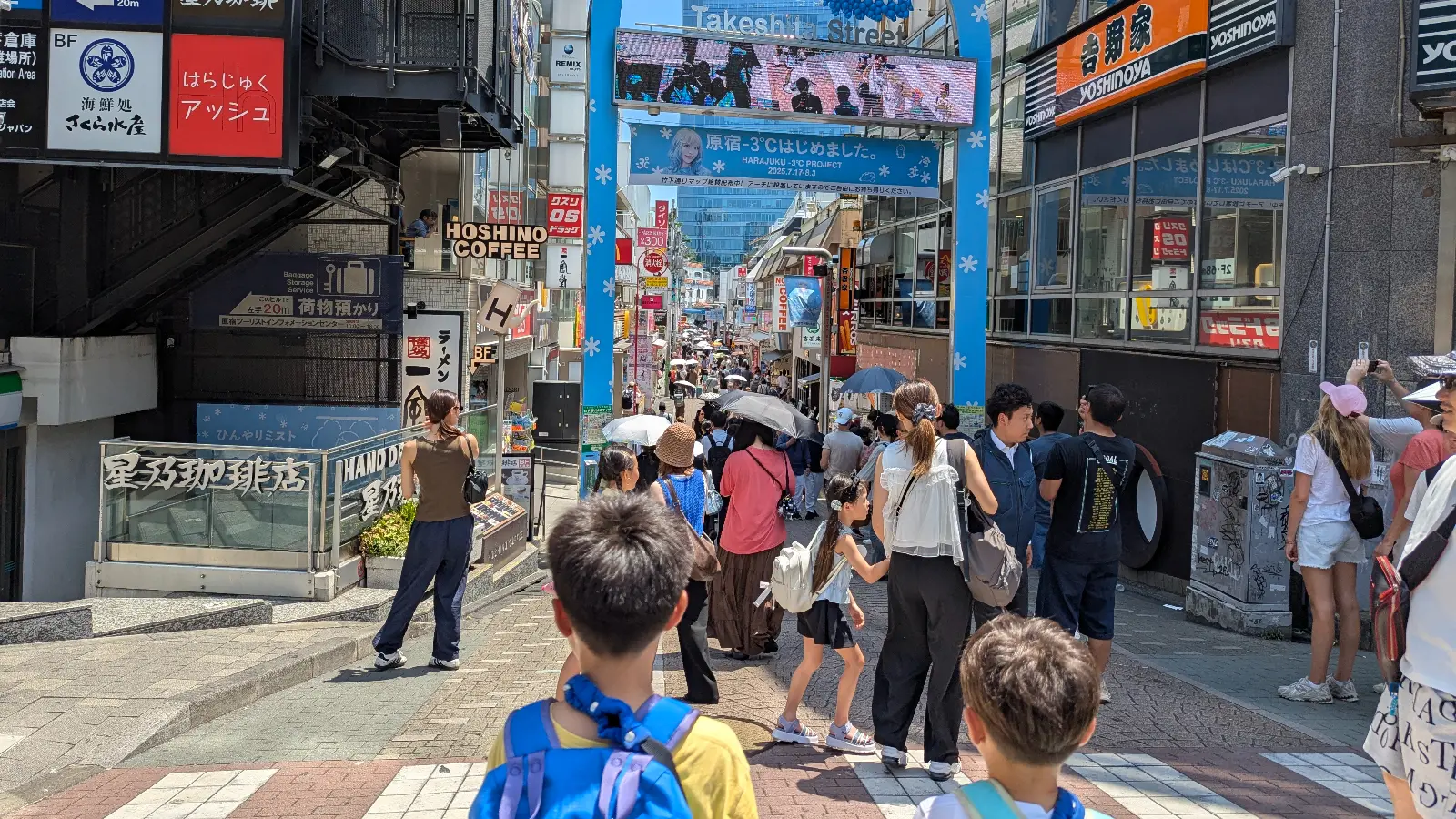
The best Tokyo neighborhoods for families.
Where to base a family stay in Tokyo, sorted by neighborhood character, transit access, and how each area works once two children are along.
Read the GuideThe Japan with Kids Brief: what to book, what’s changing and what’s worth it for a family trip to Japan.
Family travel runs on three currencies, not two.
Every family already plans against money and time. The trips that go sideways go sideways because of a third one: the specific, finite capacity your child has to absorb what travel asks of them. LuNi Travels plans against all three.
Money
The budget every family already tracks. Real, finite, easy to see. Most travel planning ends here.
Time
The days available, the hours within them, the buffers between transfers. Visible on every itinerary. Easy to overspend.
The Child's Reserve
A finite, child-specific budget that depletes through a mechanism unique to your child. Invisible until it isn't. The currency most trips never plan for, and the one that decides how the trip ends.
Every child travels as one of four profiles.
A child's Reserve depletes through one of four distinct mechanisms during international travel. The mechanism is stable, child-specific, and recognizable in advance. Every guide on LuNi Travels is built against them.
The Dynamo
Reserve runs down when the trip's design takes away the physical discharge a Dynamo nervous system needs. Long queues, slow walking, seated transit, and tightly contained attractions compound fast.
The Sensor
Reserve runs down when sensory input outpaces a Sensor's processing threshold. Crowded transit hubs, peak-hour attractions, and dense urban afternoons spend Reserve at the fastest rate.
The Anchor
Reserve runs down when the day's sequence is not confirmed. Unfamiliar rooms, unfamiliar foods, and itineraries the child cannot verify trigger a quiet vigilance that drains Reserve invisibly.
The Sprinter
Reserve runs down under the specific physical load of travel: sustained walking on hard surfaces, externally paced, with limited rest control. The depletion is non-linear, and the cascade is sudden.
The LUNI Framework is the editorial spine of every guide on this site.
Most family travel content treats the cascade as a discipline problem, an energy problem, or bad luck. The LUNI Framework treats it as the predictable outcome of an unbudgeted third currency. The reframe is structural: rather than asking parents to manage a child's response to a depleting trip, the framework helps parents design a trip the child's Reserve can sustain.
Three currencies. Four child profiles. A four-stage method for putting them together. Every guide on LuNi Travels is written through this lens, and once a family starts planning this way, the trips that used to wobble stop wobbling.
Used well, it turns trips that would have been endured into trips that are actually had.
A planning lens, not a clinical instrument. The framework is a way of seeing a trip in advance, not a diagnosis of the child. Questions about a child's attention, sensory, anxiety, or developmental regulation belong with a pediatric or developmental professional.