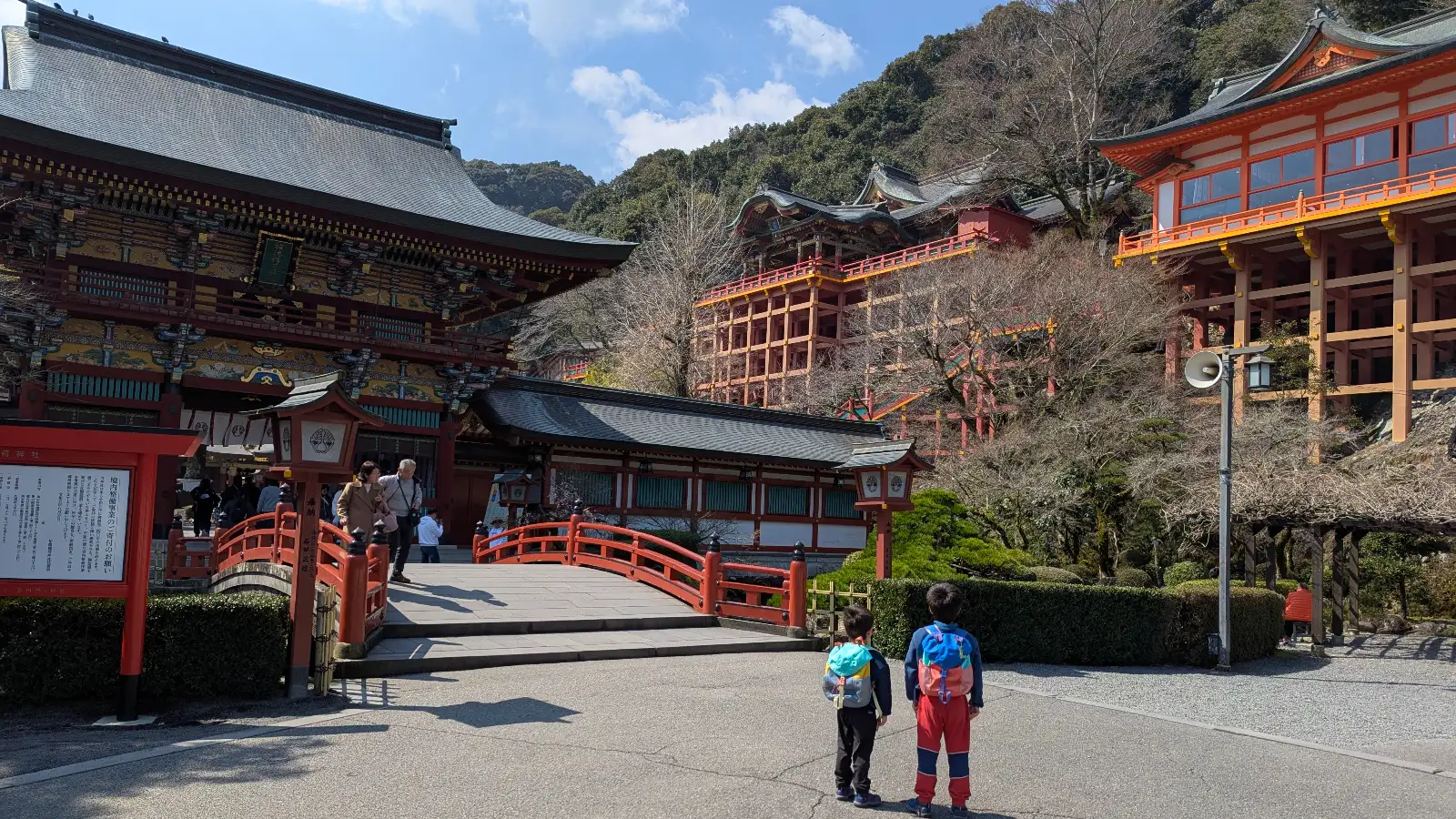
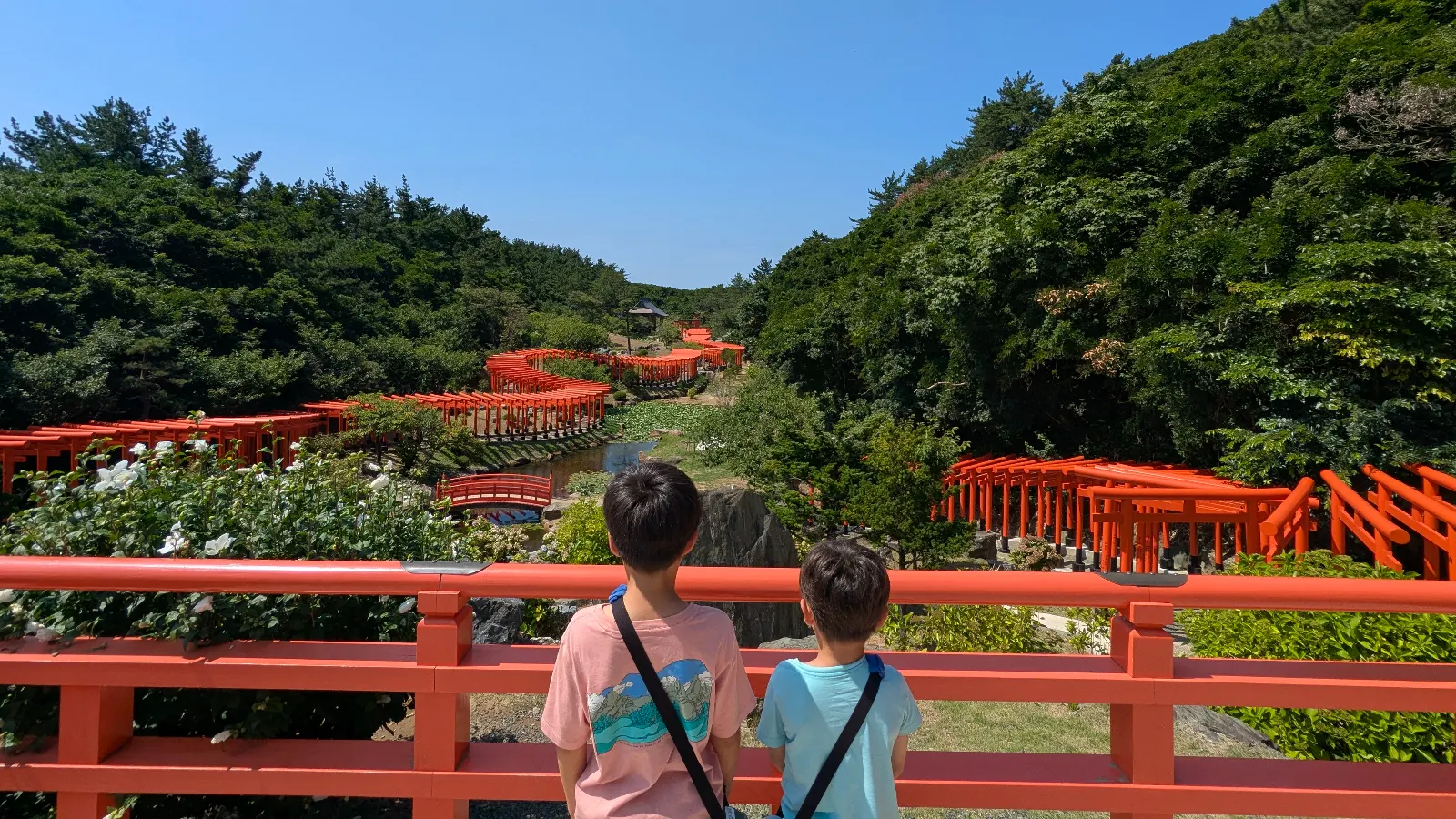
Children admire the colorful hillside buildings and red bridges of Yutoku Inari Shrine, one of Saga’s most famous and scenic family spots.

The Japan Family Travel Hub

Japan Family Travel Planning Hub

Japan with kids,
built around your child.

Every city guide, planning resource, and Family Fit™ assessment for Japan in one place, organized so your family moves from city selection to confident itinerary without retracing your steps.

Start Here: Before Anything Else

“Don’t plan for a standard child. Plan for yours.”

The Family Fit™ Quiz identifies your child’s travel profile in 60 seconds. Every guide on this page is assessed through the result.

Take the Family Fit™ Quiz
Step One: Before You Choose a City

Trip length determines
city count.

The most common Japan planning mistake is choosing cities before choosing pace. How many days your family has sets the structural limit on how many cities you can visit without the itinerary outrunning the child.
5–6
Days
Tokyo only. Full commitment to one base with day trips to Kamakura or Yokohama.
All profiles
7–9
Days
Tokyo (5 nights) + Kyoto (3 nights). Day trip to Nara or Kamakura from base.
All profiles
10–13
Days
Two to three cities. The right number for your itinerary is set by your child’s profile, not your wishlist.
Profile-dependent
14+
Days
Full Golden Route plus one add-on city. Which city is a profile call. Not both, regardless of how many days you have.
Profile-dependent
Family Fit™ City Selector

Which cities fit your child’s profile?

Every city in Japan places different demands on different children. This is where the Family Fit™ framework changes the itinerary, not just the attitude.

The Dynamo
High energy, high need for movement. Japan’s structure either works with this child or against them.
Osaka
High kinetic energy throughout. Universal Studios Japan, Dotonbori, and castle grounds all absorb movement naturally.
Fukuoka
Compact enough to move between everything on foot. Beach access and open parks provide real recovery space between cultural stops.
Tokyo
Neighborhood-to-neighborhood variety keeps engagement high. No other Japanese city offers this range within a single day.
The Sensor
Processes everything. The right environment is transformative. The wrong one ends the day early.
Kyoto
The traditional aesthetic operates at a calmer baseline than any major urban center in Japan. Timing determines whether this city works for this profile.
Nikko
Lower visitor density than Kyoto, nature-heavy environment, and no forced proximity to dense crowds at any major site.
Sapporo
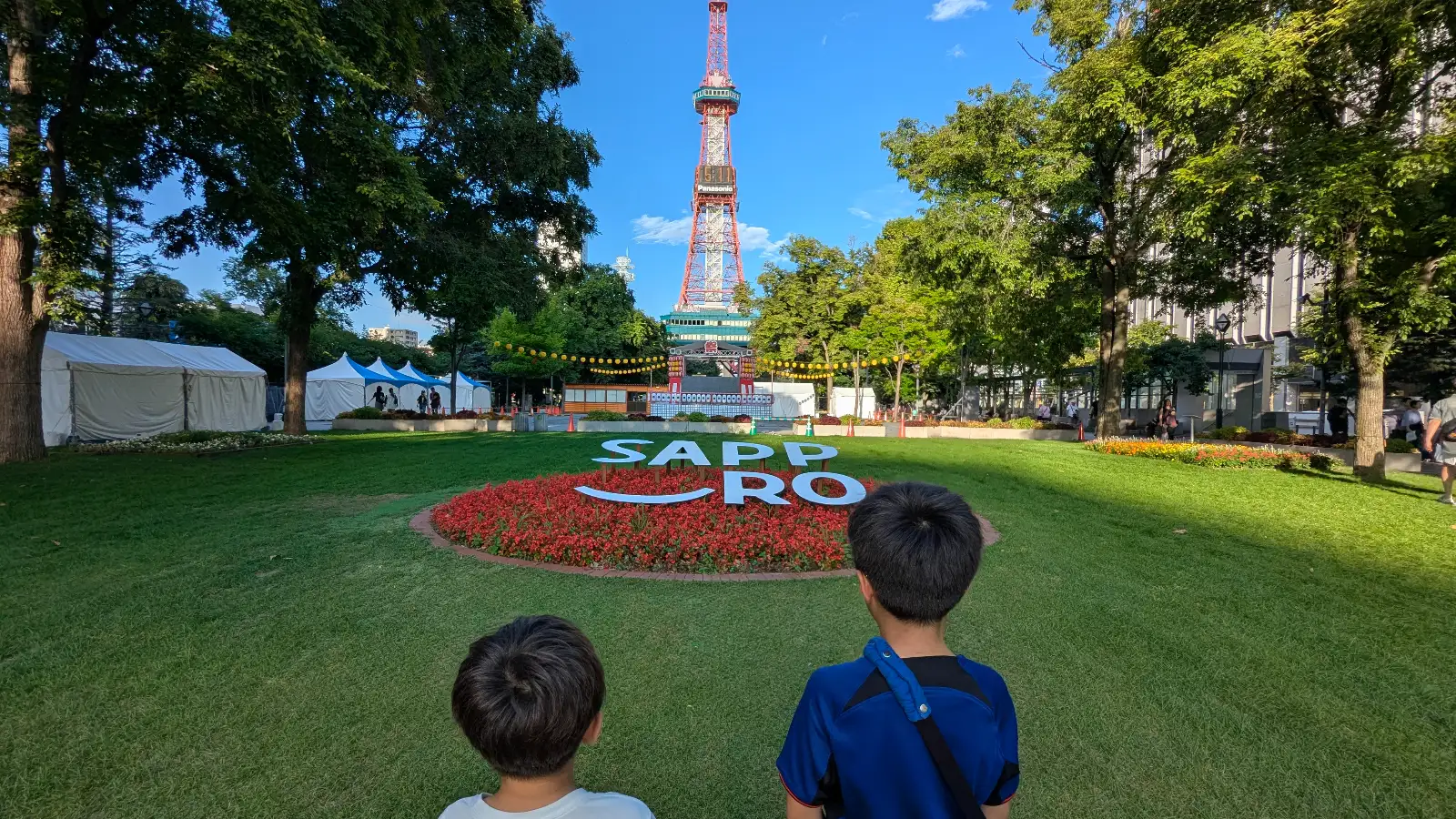
Hokkaido’s scale means genuine open space and manageable crowd levels even at peak summer and snow festival periods.
The Anchor
Familiarity is fuel. The further the trip strays from predictable, the faster the reserves deplete.
Tokyo
The city’s operational consistency gives routine-reliant children a legible daily format that most Japanese cities cannot match.
Kyoto
Structured cultural visits with repeatable formats provide the kind of purposeful daily rhythm this profile needs to feel settled.
Yokohama
Close enough to Tokyo to visit without changing hotels. The base stays intact and the day stays predictable.
The Sprinter
Finite energy, fixed ceiling. How the day is built determines whether the family finishes it together.
Osaka
Japan’s most compact major city. The distances between primary destinations are short enough that physical expenditure stays manageable across a full day.
Nara
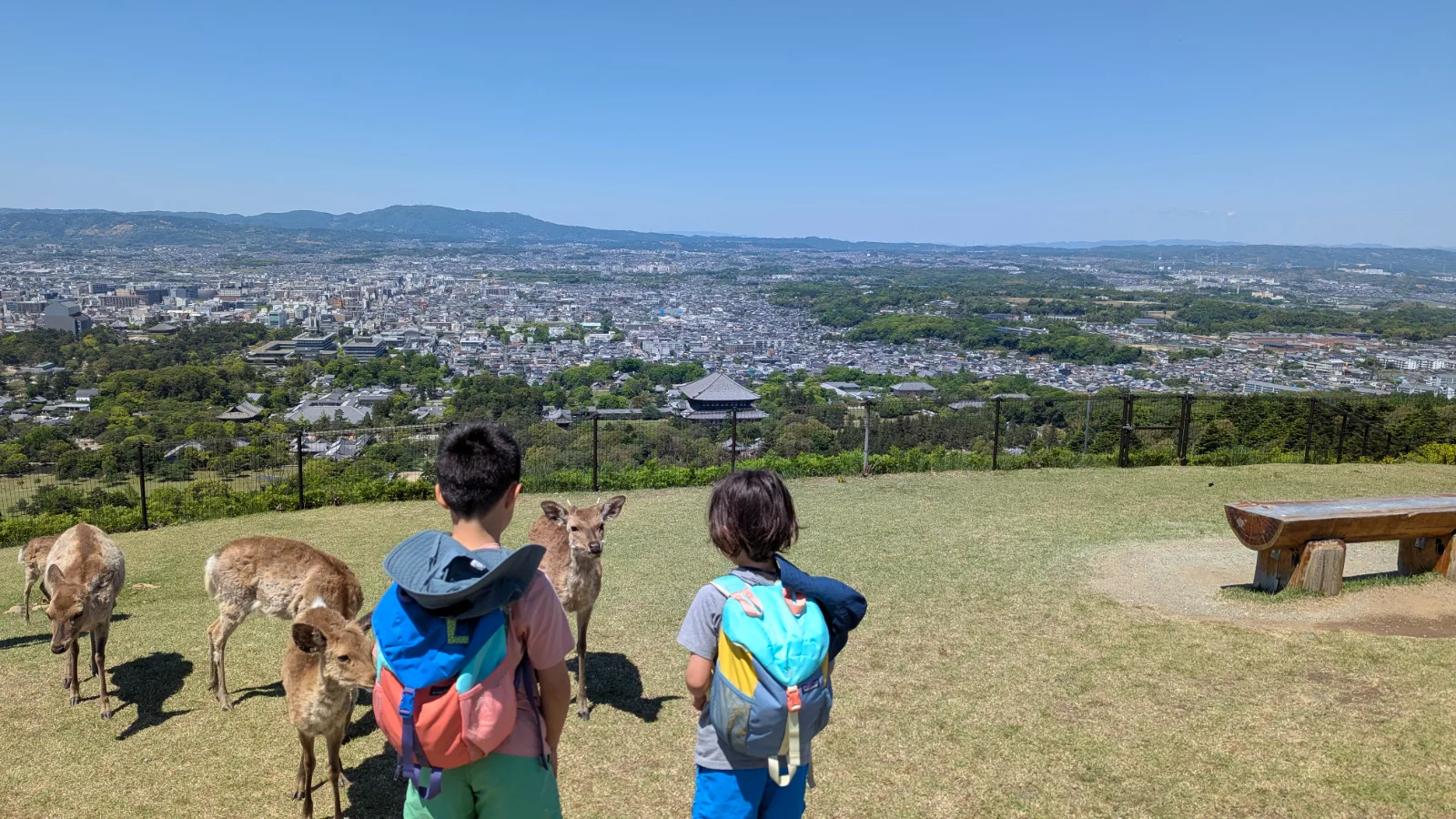
Flat, walkable park with deer, temples, and a clear exit. One of Japan’s best half-day options for a Sprinter child.
Fukuoka
Smallest of Japan’s major cities. Tenjin to Hakata is 10 minutes on the subway. Physical expenditure stays manageable.
Luca and Nico looking out over the vermilion bridges and torii at Takayama Inari Shrine in Tsugaru, Aomori prefecture
Beyond the Golden Route

Japan goes much further.

Japan doesn’t end at the Golden Route. For families ready to go further, the regional destinations offer a fundamentally different kind of trip.

Explore Off the Map Japan