Sapporo Science Center with Kids:
Curiosity in Motion.
An indoor floor built for pressing, pulling, and driving keeps a moving child regulated, while the −30°C cold room and the continuous planetarium dome are the two stations a sensory-sensitive child should meet last, not first.
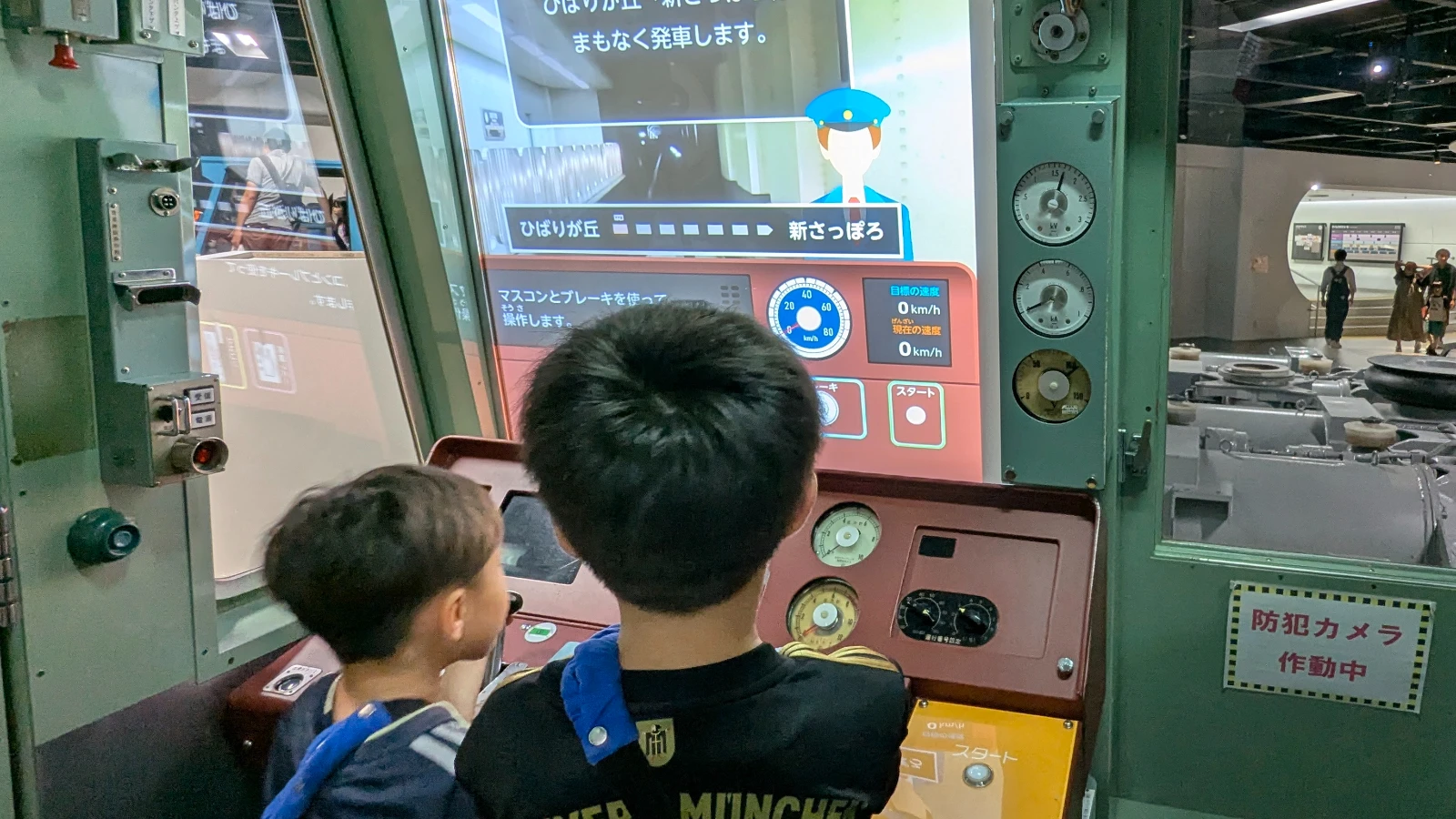
Hands-on floor and driver seats discharge restless movement.
Fine, if the cold room and dome come last.
Fixed layout and posted showtimes confirm what comes next.
Compact footprint, benches, and seated stations limit standing.
Yes, Sapporo Science Center is worth visiting with kids, and it works for all four LUNI profiles. The one profile to plan around is the Sensor, whose reserve depletes through sensory input: schedule the −30°C Low-Temperature Room and the planetarium dome toward the end of the visit, brief and last, so the two most concentrated-stimulus stations land after the child has already spent the calm exhibit floor, not before.
Some links on this page are affiliate links. LuNi may earn a commission at no extra cost to you.
Which costs your child more,
a museum or a playground?
You have the days. Now the nights.
Where to stay in Japan →The LUNI Rating for Sapporo Science Center.
LuNi’s opinions are framework-derived, not opinion-derived. Each verdict below is the result of applying The LUNI Framework to a single attraction, measuring it against the third currency every family spends but few track: the child’s reserve. The reasoning that follows is the case.
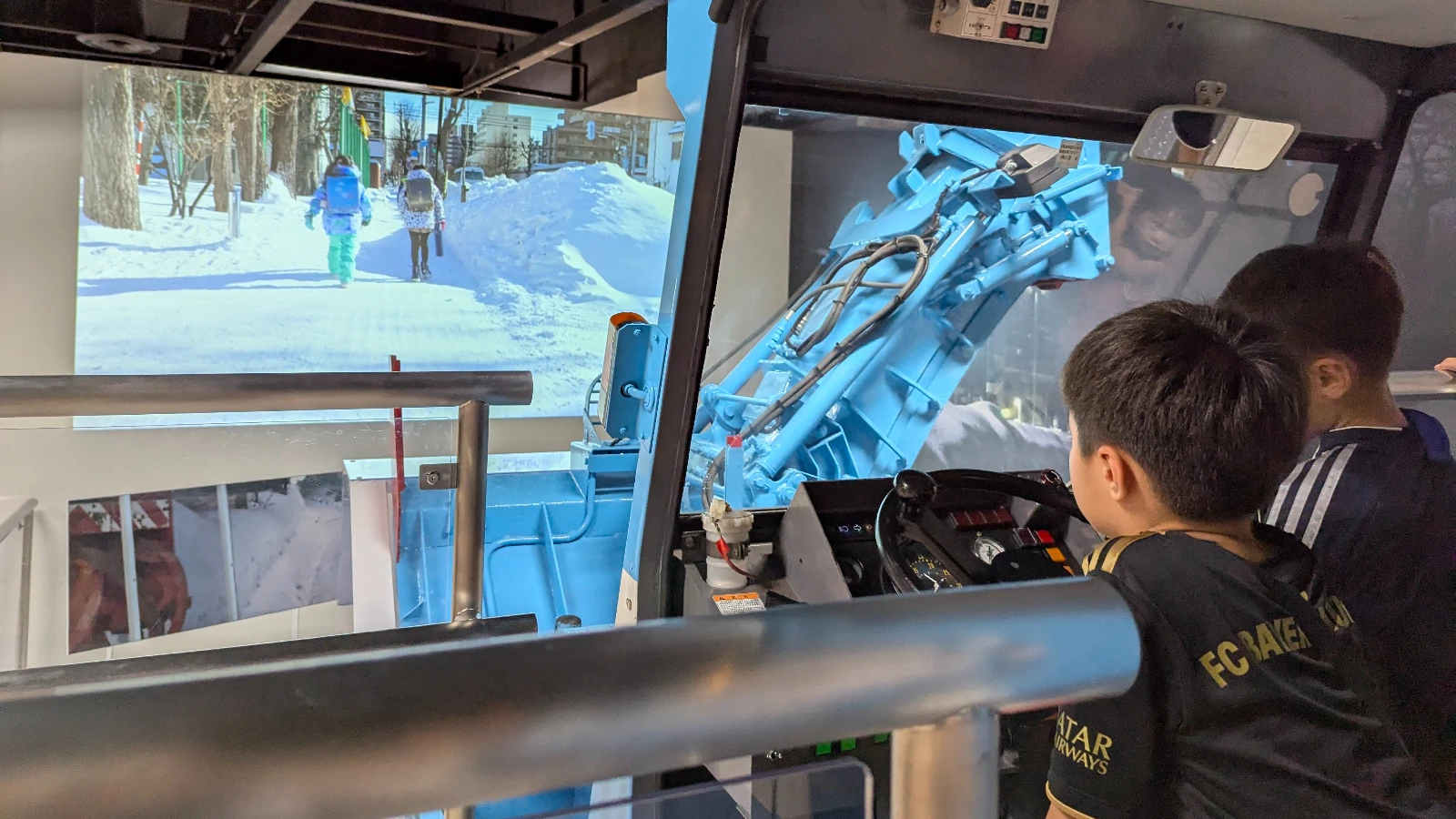
Bring your Dynamo here without hesitation. The Dynamo’s reserve depletes through restricted movement, and the whole building is built against restriction: exhibits are pressed, pulled, cranked, and driven rather than watched behind glass, and the subway and snowplow simulators put the child in an operator’s seat where the activity itself is motion. A child whose nervous system needs a channel to discharge accumulated stillness gets one at nearly every station, so the reserve that a slow sit-down museum would drain is instead spent as fast as it builds. For a younger Dynamo that means the open exhibit hall where nothing has to be approached in order; for an older one it means the simulators and the interactive winter-sports games, which reward repeated, self-directed attempts.
Operationally, let a Dynamo lead the floor rather than routing them through it. Arrive at opening while the simulators are free of lines, give them the run of the hands-on hall first, and treat the seated planetarium as a mid-visit reset once the movement need has been spent, not as an opening act a restless child has to sit through cold.
What this means for your Dynamo: A floor where progress is physical motion keeps the restricted-movement child regulated for the full visit, so lead with the hands-on hall and save the seated dome for later.A Sensor does well here, with one decision about sequence. The Sensor’s reserve depletes through sensory input, and most of this center is a comfortable environment for that child: the exhibit halls are quiet, self-paced, and evenly lit, closer to a calm indoor play space than a crowded arcade. Two stations concentrate stimulus in a way the rest of the building does not, and both are worth naming precisely. The −30°C Low-Temperature Room delivers a sharp, whole-body cold that some children find thrilling and others find abruptly too much, and the planetarium runs a continuous darkened dome that a light-and-motion-sensitive child can experience as either mesmerizing or overwhelming.
The verdict holds because the load here is scheduling, not structure: neither station is unavoidable, and neither surprises a family that has planned for it. Meet the calm exhibit floor first, then take the cold room briefly and by the child’s own choice, and use the planetarium as a seated decompression near the end rather than a mid-visit jolt. For a younger Sensor that may mean skipping the cold room entirely and keeping the dome show short; for an older one it means previewing what each station is before entering, so the intensity is chosen rather than sprung.
What this means for your Sensor: The building is calm apart from two concentrated stations, so keep the cold room and the dome brief and last and the sensory-load threshold stays intact.The Anchor is well served here, because the visit is knowable. The Anchor’s reserve depletes through unfamiliarity and unconfirmed structure, and this center supplies structure a child can confirm at a glance: a fixed floor-by-floor layout, exhibits that stay put and behave the same way on every try, and a planetarium that runs to a posted daily schedule rather than starting at random. A child who regulates by knowing what comes next can build a mental map of the building early and then move through it with the security that map provides, which is exactly the confirmed predictability this profile needs to keep its reserve intact.
The one friction point is the planetarium show time, which is the single fixed appointment in an otherwise free-roam visit. Neutralize it by checking the show schedule at the entrance on arrival and telling the child the plan out loud, so the appointment becomes a confirmed part of the day rather than an interruption. A younger Anchor is steadied by naming the sequence; an older one can hold the posted program themselves and pace the visit around it.
What this means for your Anchor: A fixed layout and a posted show schedule give the unfamiliarity-sensitive child a visit they can confirm, so preview the plan on arrival and the structure holds.The Sprinter is protected here by the shape of the building itself. The Sprinter’s reserve depletes through sustained travel-style walking and standing, the slow, externally paced, hard-surface movement that international itineraries demand, and this center asks for very little of it. The footprint is compact and indoor, the exhibits are clustered rather than spread across a long circuit, and much of the best content is done sitting down: the simulators, the interactive games, and the planetarium are all seated, and benches and a large lobby give a tired child somewhere to stop without leaving. The standing a Sprinter would spend reserve on at a sprawling outdoor attraction barely accumulates here.
Because seated stations carry the visit, a Sprinter can stay engaged well past the point where standing would normally end the day. Alternate an active exhibit stretch with a seated simulator or the planetarium to bank the walking-and-standing reserve, and a younger Sprinter comfortably fits the full visit inside the ninety-minute window while an older one can extend to the full two to three hours without hitting the wall.
What this means for your Sprinter: A compact indoor footprint with seated simulators and benches keeps sustained standing low, so pace active stretches against seated ones and the visit runs long.At a center where every exhibit answers only when a child touches it, curiosity stops being something adults hand down and becomes something the child reaches for first. A subway simulator that moves when they steer it, a cold room that proves what −30°C feels like on their own skin, magnets that pull through water in front of their eyes: each one teaches that a question is worth following because the child, not the label, discovered the answer. That is the quiet transfer worth watching for, the moment a child learns that understanding the world is a thing they get to pursue rather than receive.
How two children actually met this attraction.
Here is what the science center looked like through the eyes of two brothers whose attention had less to do with the exhibit labels and everything to do with the two things that actually held them: a luge game and a tray of magnets under water.
Luca gravitated to the luge game and stayed with it, but not the way a child chasing a high score does. He wanted to understand why his runs went the way they did, adjusting how he leaned and when, treating each attempt as a test of the last rather than a fresh race. The competition mattered less to him than the mechanism behind it, and once he had the system figured out he was content, the way he is once an exhibit gives his analysis something to hold.
This is the Anchor pattern, with the strong analytical pull this profile often carries. A child whose reserve depletes through unfamiliarity settles the moment a space gives them a system to confirm, and Luca did it by turning a fast game into a set of rules he could master on his own terms. Families with a similar child should let the interactive stations be studied rather than rushed: an Anchor handed the time to work out how one exhibit behaves banks confidence for the whole visit, which is the confirmed structure that keeps this profile’s reserve intact.
Nico moved with his hands the whole time. He worked the magnet exhibit under water hardest, pushing and dragging the pieces to feel the force pull through where he could not see it, narrating what he found as he went because for him talking is just another form of motion. Then he threw himself into the luge game for the sheer physical fun of it, and the two stations that held him longest were the two that let him do something with his body rather than watch.
This is the Dynamo pattern. A child whose reserve depletes through restricted movement refills it through physical engagement, which is exactly what Nico’s hands-on magnet play and full-body luge run were doing. Families with a similar child find this center works because the movement a slower museum would ask a Dynamo to suppress is the designed behavior here, so pointing that child at the interactive and simulator stations first keeps them regulated while the calmer exhibits stay available for later.
Planning Your Visit to Sapporo Science Center with Kids.
The verdict tells you whether to go. What follows is the operational intel a family needs to act on it: the visit at a glance, the profile-matched pairings worth knowing about nearby, the hotels we would book for this visit, and the questions parents most consistently ask.
Nearby attractions, matched to your child.
Three pairings selected for what each one solves after Sapporo Science Center, profile by profile. The reason matters more than the recommendation.
| Pairing | Why This Solves the After-Visit | For Your |
|---|---|---|
| LUNI Pick Sunpiazza Aquarium Next door, 1-minute walk | After the two concentrated stations inside, a Sensor benefits from a calm, low-stimulus reset before more of the day. This compact aquarium is quiet, dim, and slow-moving, so a child whose reserve depletes through sensory input recovers here rather than spending down further. | Sensor |
| Odori Park About 15 minutes by subway | Indoor stations can only hold a Dynamo so long before the movement need outgrows the room. Odori Park’s open runs and seasonal space let a restricted-movement child discharge at full scale outdoors, which is the release the exhibit floor starts to cap. | Dynamo |
| Sapporo TV Tower About 15 minutes by subway, at Odori Park | A Sprinter fades on sustained standing, so the pairing that helps most is one built around a seated payoff rather than a long walk. The tower’s elevator does the climbing to a sit-and-look observation deck over Odori Park, giving a footsore child a rest with a view instead of another circuit on foot. | Sprinter |
Sunpiazza Aquarium
Next door, 1-minute walk For YourSensor
Odori Park
About 15 minutes by subway For YourDynamo
Sapporo TV Tower
About 15 minutes by subway, at Odori Park For YourSprinter
Hotels we would book for this visit.
Three properties chosen for the specific logistical advantage each delivers for Sapporo Science Center, not for general Sapporo stays.
The center sits beside Shin-Sapporo Station in Atsubetsu Ward, on the eastern edge of the city and one train ride from central Sapporo and New Chitose Airport: a location where staying close to Shin-Sapporo, rather than downtown, is what turns the visit into a short walk instead of a cross-city trip with tired kids.
| Property | The LuNi Reason | Budget |
|---|---|---|
| LUNI Pick Hotel Emisia Sapporo 3-minute walk from Shin-Sapporo Station | This is the closest full-service hotel to the center, which is the whole point for a family with young kids: the walk from room to exhibits is minutes, so a tired child can be brought back for a rest without losing the day. Comfortable family rooms and on-site dining mean no extra transit for meals. | ¥¥¥ |
| JR Tower Hotel Nikko Sapporo About 15 minutes by train from Shin-Sapporo | For families who want to base downtown and treat the center as a morning out, this tower sits directly above Sapporo Station with shopping and dining underneath. The direct JR line to Shin-Sapporo makes the trip a single, stroller-friendly ride with no transfers. | ¥¥¥ |
| La’gent Stay Shin-Sapporo Short walk from the center | A mid-range option within the same Shin-Sapporo cluster, so the center and the Sunpiazza complex stay walkable. Public baths and modern family rooms give kids a low-effort wind-down at the end of a hands-on day, without a commute back from downtown. | ¥¥ |
Budget: ¥¥¥
Budget: ¥¥¥
Budget: ¥¥
The questions parents actually ask.
Is Sapporo Science Center worth visiting with kids?
Yes. Sapporo Science Center is worth visiting with kids and works for all four LUNI profiles, with hands-on exhibits, operator-seat simulators, and a planetarium under one indoor roof. The only profile to plan around is the Sensor: keep the −30°C Low-Temperature Room and the planetarium dome brief and toward the end, so the two most concentrated stations land after the calm exhibit floor rather than before it.
How long do you need at Sapporo Science Center with kids?
Plan for two to three hours, which covers the main exhibition halls, a planetarium show, and a few simulators without rushing. Younger children often finish closer to 90 minutes, while school-age kids stay longer to replay the interactive games. A Sprinter can comfortably reach the upper end because so much of the visit is seated.
What age is Sapporo Science Center best for?
The center suits ages 4 and up best, though toddlers still enjoy many of the interactive displays. The simulators, winter-sports games, and Low-Temperature Room hold school-age children longest. Very young children may find the cold room and the dark planetarium too intense, which is easily managed by keeping both short or skipping the cold room.
Is the planetarium at Sapporo Science Center suitable for young children?
Yes, the planetarium is family-friendly and runs shows across a range of ages, with shorter, colorful presentations that suit younger children. Because it is a continuous darkened dome, a light-and-motion-sensitive child does best with a shorter program placed near the end of the visit as a seated wind-down. Check the daily show schedule on arrival to choose the right program.
How much are tickets, and is the center stroller-friendly?
Admission is ¥800 for adults and ¥400 for high school and university students, and is free for junior high students and younger; the planetarium is a separate ticket at ¥550 adult and ¥250 high school. The center is stroller-friendly, with elevators and wide aisles between exhibits, though the simulators and planetarium are best enjoyed without the stroller.
What are the opening hours of Sapporo Science Center?
The center is open 9:00 AM to 5:00 PM from May to September and 9:30 AM to 4:30 PM from October to April, with last admission 30 minutes before closing. It is closed on Mondays and during certain holidays for maintenance. Because seasonal schedules vary, confirm the current hours before your visit.
What simulators and interactive games can families try at Sapporo Science Center?
Families can drive a subway or snowplow simulator from a real operator’s seat, play curling and luge-style games, and step into the −30°C Low-Temperature Room to feel Hokkaido’s winter cold. These hands-on stations are what hold a Dynamo longest, since the activity itself is movement. They sit alongside the magnetism and winter-science exhibits, so a child can alternate active stations with calmer ones.
Where Sapporo Science Center fits your Japan trip.
Sapporo Science Center rewards the Dynamo, the Anchor, and the Sprinter without conditions, and the Sensor just as fully once the −30°C cold room and the planetarium dome are kept brief and saved for the end of the visit.