Theme Parks in Japan With Kids:who gets in, and who does not.
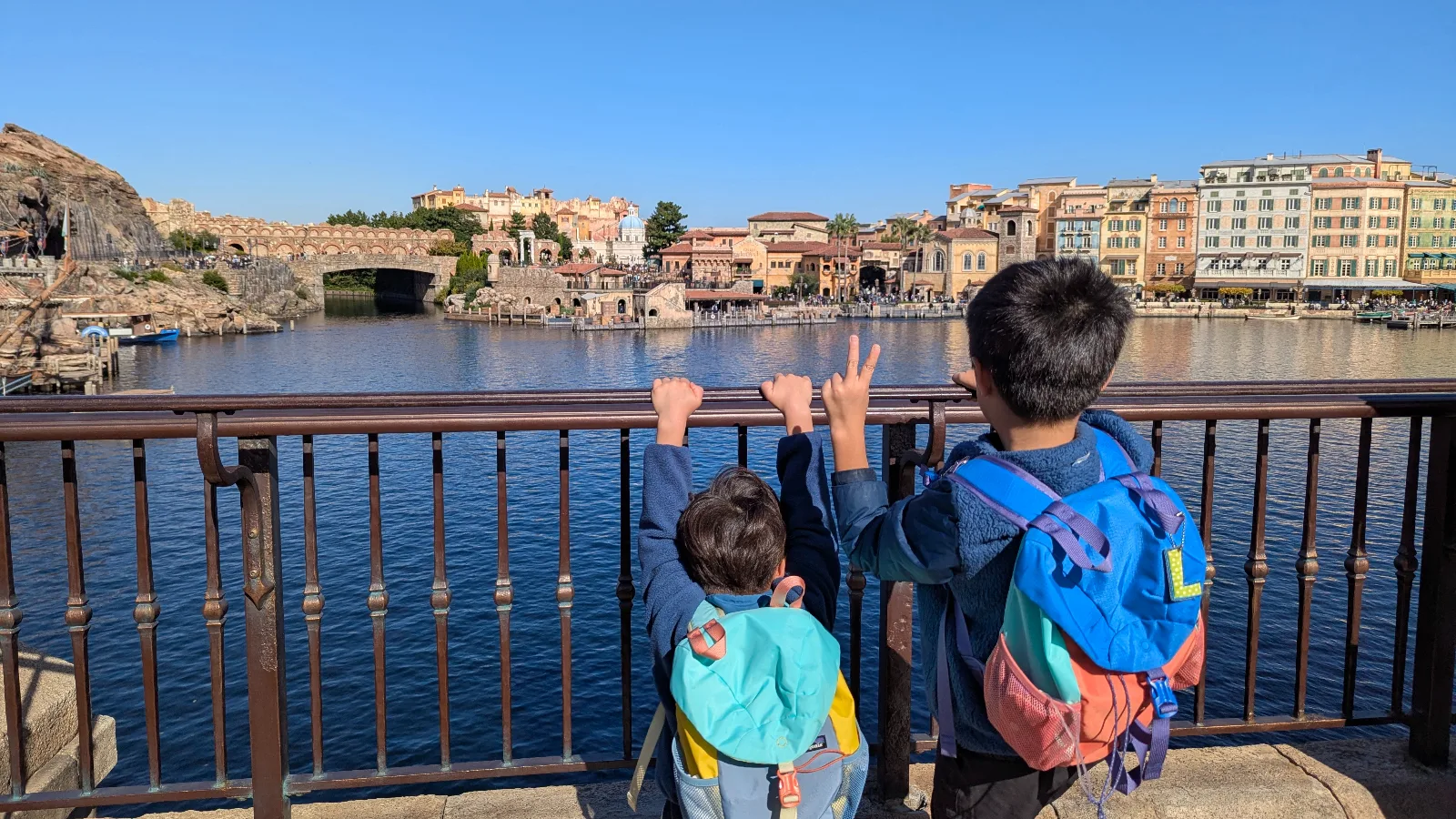
- The Lowest Gate
- Tokyo Disneyland: 81 cm opens nearly all of it
- Rides With No Gate
- Thomas Land, Fuji-Q: nine of twelve ungated
- For a Small Child
- LEGOLAND Japan: three rides turn one away
- The Highest Gate
- JUNGLIA Okinawa: 150 cm on the treetops
- The Walking Is Optional
- Huis Ten Bosch, Sasebo
Character parks and amusement parks for a family vacation, from the ones near Tokyo to the far south, chosen by which child each one lets on.
Some links on this page are affiliate links. LuNi may earn a commission at no extra cost to you.
The best theme park in Japan for a family is decided by the gate in front of the ride rather than the ride: a height in centimeters, an age floor, a ticket tier, a lottery drawn in an app on the day. Fourteen parks across nine prefectures are carried here, none left out and none promoted to the top. Measure every child against a wall first: 81 centimeters opens nearly all of Tokyo Disneyland, and JUNGLIA’s treetop course wants 150. Thomas Land at Fuji-Q leaves nine of its twelve attractions ungated, and only three rides at LEGOLAND Japan turn a small child away.
Fourteen parks, and the number that decides each one.
Family travel runs on three currencies, not two. Money and time, plus the child’s Reserve: their finite capacity to absorb what travel asks of them. Theme parks are the category that spends all three at once and says almost none of it where a parent looks, because the marketing is about the ride and the decision is about the gate standing in front of it.
Settle the heights first, because almost nothing in this category is decided by taste. Stand every child in the party against a wall, write the centimeters down, and carry the number with you: 81 opens nearly all of Tokyo Disneyland, 107 opens Mario Kart, 117 opens most of what DisneySea is famous for, and 150 opens the top of JUNGLIA. Read that way the usual order inverts, and the park nobody puts on a poster turns out to be the one that lets everybody on.
Eight, and five of them inside Tokyo itself.
Eight of the fourteen sit here. Five are inside Tokyo, two are the Disney pair at Urayasu just over the Chiba line, and one is a rebuilt Edo town in the hills at Nikko. Three of the eight are enclosed buildings, two share a single hillside address, and no two of them gate a child the same way.
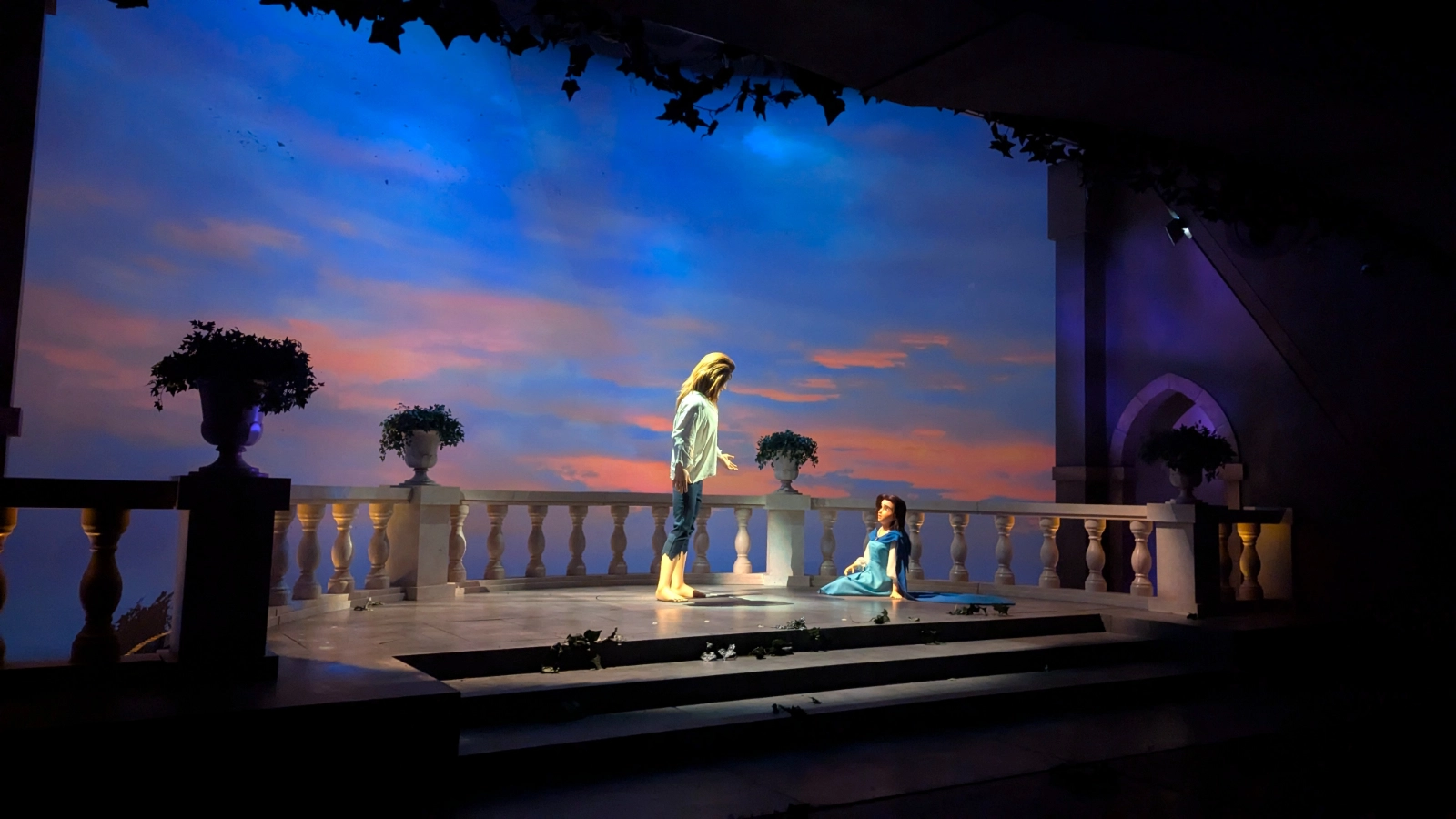
Eighty-One Centimeters, and Almost Nothing Else: Tokyo Disneyland, Urayasu.
Five attractions in the whole park carry a height minimum, and the lowest of them is The Happy Ride with Baymax at 81 centimeters, the shortest gate anywhere in this guide. A child of 95 centimeters rides everything here except Big Thunder Mountain and Star Tours, both at 102. It is also the only half of the resort with a Personal Care Space, a private room near the stroller rental for a child who needs to come out of the noise, and Tomorrowland is a building site until spring 2027, so Space Mountain is not there to be queued for.
The Higher Fence: Tokyo DisneySea, Urayasu.
Eight attractions carry a height minimum against Disneyland’s five, and three of them sit at 117 centimeters: Indiana Jones Adventure, Journey to the Center of the Earth and Raging Spirits. A child of 95 centimeters is shut out of six of the eight, including Soaring, Tower of Terror and Peter Pan’s Never Land Adventure at 102, which between them are most of the reason a family crosses the monorail. And the quiet room that exists at the other park does not exist at this one.
A Ticket Is Not Enough: Sanrio Puroland, Tama.
A passport buys nothing on its own. A separate free visit reservation has to be made alongside it, and a family that arrives without one is refused at the door with no refund on the passport already bought. Once inside, the day is four floors of enclosed building with weather removed from the plan entirely, and on weekends, public holidays and any weekday closing at six, strollers are barred from the lower two floors.
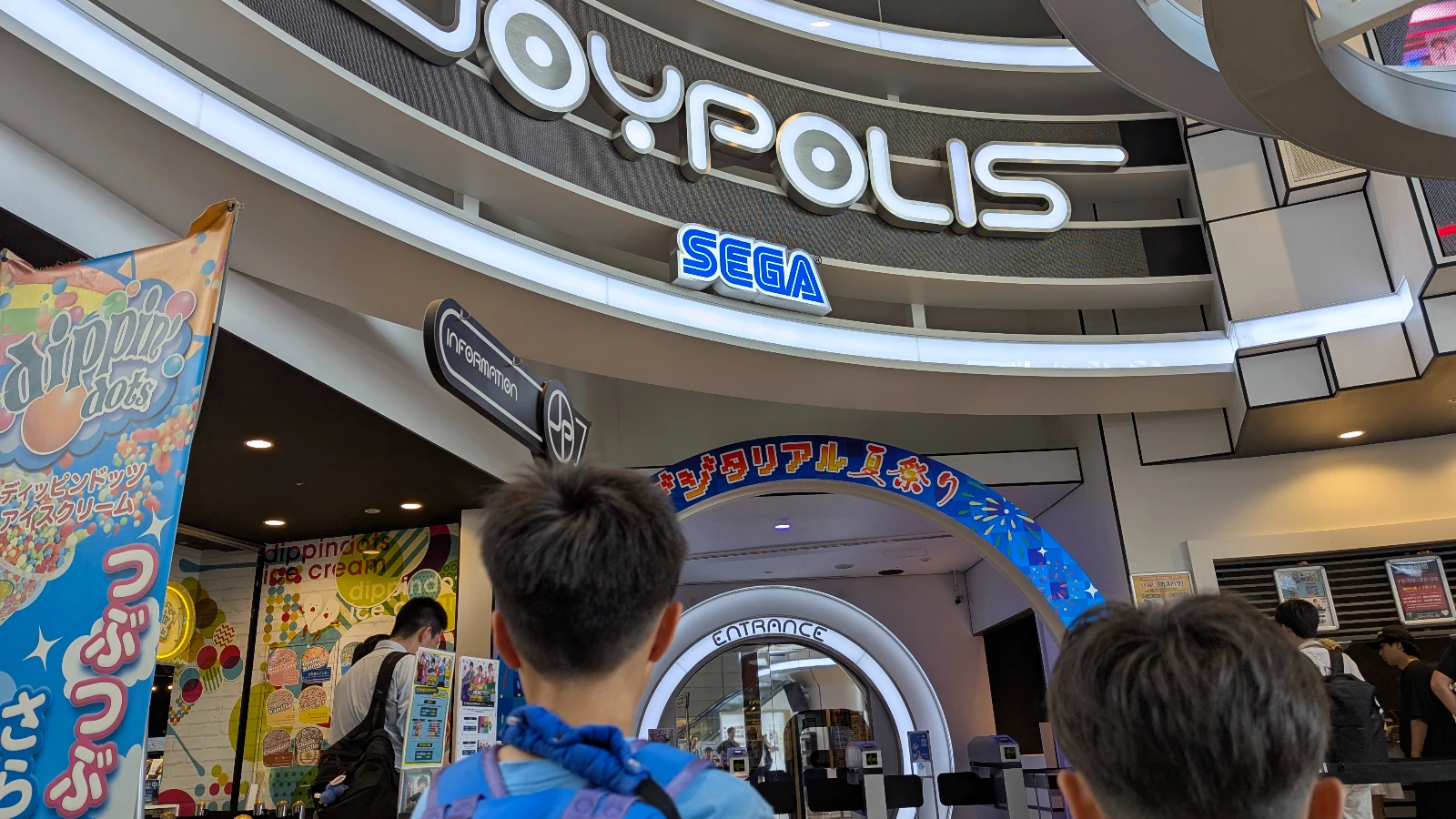
Measured at the Door, Shoes On: Tokyo Joypolis, Odaiba.
Height is checked at the entrance rather than at each ride, with shoes on, and the number that comes out of that check runs the rest of the day: below 110 centimeters a child needs an adult of sixteen or over alongside and pays nothing for the attractions at all. Three floors inside a shopping center means weather is irrelevant and re-entry is unlimited with no procedure, so a family can walk out to eat and walk back in as often as it likes. Last admission is forty-five minutes before closing, which is the only hard edge on the day.
The Shift Is the Visit: KidZania, Toyosu and Koshien.
There is no height gate in either city, because there is nothing to ride: the whole place is a working town where children aged three to fifteen do jobs and an adult cannot join in. The day comes in two fixed shifts, booked up to three months ahead (at Toyosu the general sale opens at ten in the morning on the second of the month, and paid members book a day earlier), and the shift is the clock. Children cannot step outside once they are in, adults can, and if anyone in the party is five or under then one guardian has to stay inside the whole time.
Buy the Wrong Pass and the Forest Closes: PokePark KANTO, Inagi.
Three tiers of dated ticket, sold first come or by lottery, and the tier decides how much of the park a family actually sees. The Town Pass does not open the Pokemon Forest at all, the middle tier opens it once at an assigned time with no way back in, and only the top tier lets a child return to it later in the day. The Forest also has an age floor and a 110-step staircase inside it, so confirm the age rule against the ticket you are about to buy before you choose a tier.
Riding With Them Does Not Help: Yomiuriland, Inagi.
Forty-four attractions on a hillside reached from the station by gondola, and the rule that matters is flat: where a child misses a height or an age minimum, an adult riding alongside does not make them eligible. Bandit, the big coaster, wants 120 centimeters and primary school age, and one ride has a ceiling rather than a floor, so a taller child can be turned away as well. The same gate admits PokePark KANTO ticket holders, which makes these two parks one address and, on the wrong pass, two very different days.
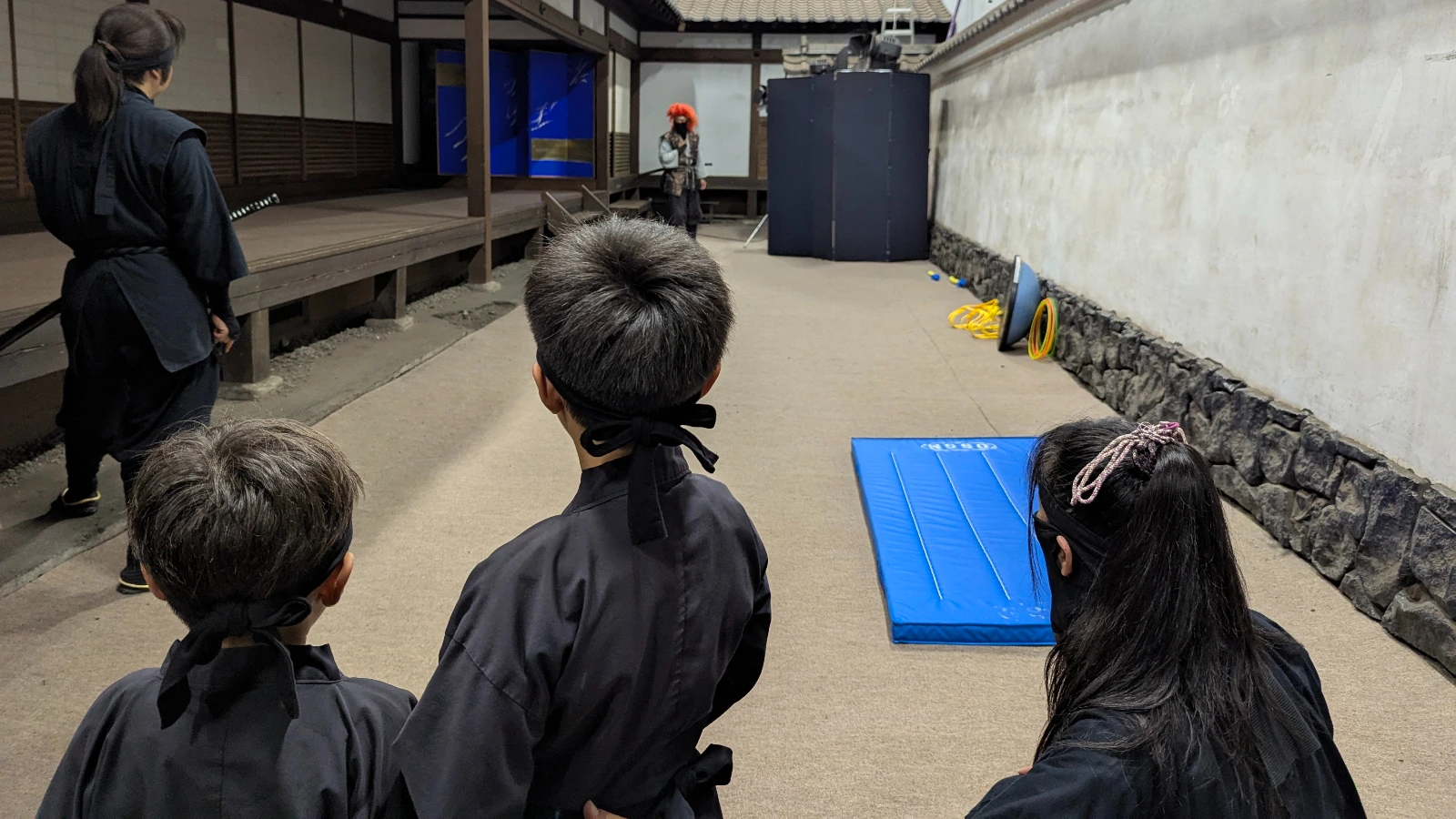
They Will Bring You a Chair: Edo Wonderland Nikko Edomura, Nikko.
A folding chair is handed to anyone who asks for one at the theaters, which nowhere else in this guide offers, and a wheelchair goes into the theaters too. Nothing here is gated on height: the ninja course takes any age and the child samurai course runs five to twelve, both free, both first come, at 120 and 72 places. And the gate sells tickets for the same day, until an hour before closing, which makes it the one park on this list a family can decide on over breakfast.
Three, and they want three different children.
Two sit in Aichi and work from a Nagoya base. The third sits under Mount Fuji with a station at its own gate. Between them they cover the widest spread here: the most open cluster of rides in the country with the tallest coasters standing beside it, a park that lets a short child ride with an adult instead of refusing them, and a park with two rides in the whole place and a ticket that sells on a single afternoon.
Nine of Twelve, Ungated: Fuji-Q Highland, Fujiyoshida.
Thomas Land is the most open cluster of rides in Japan for a small child: nine of its twelve attractions carry no height minimum and no age minimum at all, only two gate at 90 centimeters, and the mini coaster takes a three-year-old. The rest of the park runs the other way, with the big machines gating from 110 centimeters upward and, unusually, ceilings on age as well, 54 on two of them and 64 on most of the others. That last rule is the one nobody expects, and it decides whether a grandparent is standing in the photograph or holding the bags.
Leave the Stroller at the Door: Ghibli Park, Nagakute.
Strollers do not go inside the buildings, and the areas lie about 300 to 1,300 meters from the station and 200 to 850 meters from the Grand Warehouse, across a public park, so a child who still needs wheels needs a carrier instead and a parent needs those distances before booking rather than after. The age rules here are ceilings rather than floors, which happens nowhere else on this list: the Cat Bus, Children’s Town and Dondoko-do are for twelve and under, so the older sibling watches. Admission goes on sale on the tenth of the month, two months ahead, at two in the afternoon, and after that there are no date changes, no cancellations and no refunds.
Only Three Rides Turn a Small Child Away: LEGOLAND Japan, Nagoya.
The park is built for two to twelve and it gates by company rather than by exclusion: across more than forty attractions only three shut a short child out outright, at 125, 102 and 90 centimeters, and everything else lets a child ride below the marked height as long as a responsible adult rides with them. It is also the only park here that rates every attraction for touch, taste, hearing, smell and sight on an eleven-point scale, set out in advance, and lends ear muffs on the day. For a child who cannot take a loud room, that turns a guess into a plan.
One, and it is the hardest to leave.
Only one park in this guide sits in Kansai, and it is the biggest name in the region by a distance. It is also the only one here with no way back in once a family has stepped outside, which changes how you pack, where you eat and what you do with a child who has run out of afternoon.
Once You Are In, You Are In: Universal Studios Japan, Osaka.
There is no re-entry: walk out of the gate for any reason, including fetching something from a locker, and the day is finished, and the lockers big enough to hold a suitcase are all outside it. What makes that survivable is a sensory guide rating every attraction for strobe, fog, darkness, sudden noise, smell and enclosed space, and rating the queues separately, because the queue is where a great deal of it happens. Mario Kart gates at 107 centimeters, and for most families that one number decides whether Super Nintendo World is worth a timed entry ticket at all.
One, and it is the size of a town.
Sasebo is a long way from everything else in this guide, which is why nobody folds it into an itinerary by accident. A family goes for it deliberately, and the ticket range assumes as much, running to a day and a half and to two full days.
The Walking Is Optional Here: Huis Ten Bosch, Sasebo.
A Dutch town built at the scale of a real one, with canal boats, gondolas, a park bus and rental bicycles running inside it, which makes it the only park on this list a family can cross without walking it. The gates are narrow rather than tall: the one coaster shuts out anyone under six or under 110 centimeters and one shooting attraction shuts out anyone under ten, while most of the rest excludes nobody. Re-entry works the same day on a stamp, and the day-and-a-half passport starts at three in the afternoon and runs all of the next day, which is the gentlest way anyone sells a big park.
One, and no railway goes anywhere near it.
The only park here that cannot be reached by train. It sits in the north of Okinawa, about an hour and a half by road from Naha and about half an hour from the Churaumi Aquarium, which is the trip it actually belongs to.
The Lottery Opens Before the Park Does: JUNGLIA OKINAWA, Nakijin.
The two attractions everyone comes for run on a timed-entry lottery inside the park’s app, drawn on the day of the visit; entries for the morning draw open before the gates do, so a family that installs the app the night before can enter the first draw. It is sixty hectares of jungle, and the height ladder climbs hard: 95 centimeters for the dinosaur safari, 120 for the tornado, 132 for the harness rides and 150 for the treetop course, which is the tallest single gate in this guide. Shade is designed in rather than hoped for, with air-conditioned rest stations, free water refills and umbrellas to borrow, and two adults can take turns on anything a child cannot ride.
Four that want more than a ticket.
A dated ticket is the baseline here and nearly every park wants one. These four ask for something else on top of it, or instead of it, and each of the four turns a family away at the gate when it is missing.
Not the rides, not the queues, and not the number of attractions.
Most theme park lists sort by ride count, by thrill or by brand, and none of the three tells a parent who in the party actually gets on. What decides it is a measured height, an age floor, whether the ticket tier opens the area a child came for, whether you can step outside and come back, and whether there is anywhere indoors to put a child who has had enough. Sorted that way the famous names stop being the answer and turn into a set of numbers, and the park that turns nobody away is rarely the one on the poster.
The questions parents actually ask.
What are the best theme parks in Japan for families?
It depends on how tall the children are, so each of the fourteen here carries the one number that decides it. Tokyo Disneyland gates lowest, at 81 centimeters. LEGOLAND Japan turns only three rides down outright. Thomas Land at Fuji-Q Highland leaves nine of its twelve attractions ungated. Edo Wonderland gates nothing at all and needs no ticket bought ahead.
What is the best theme park in Japan for toddlers and small children?
Thomas Land inside Fuji-Q Highland, by a wide margin: nine of its twelve attractions carry no height minimum and no age minimum, and the mini coaster takes a three-year-old. LEGOLAND Japan is the other answer, because almost every ride there admits a short child with a responsible adult beside them rather than turning the child away.
Which Japanese theme park has the lowest height restrictions?
Tokyo Disneyland. Only five attractions in the whole park carry a height minimum, the lowest being The Happy Ride with Baymax at 81 centimeters, so a child of 95 centimeters rides everything except Big Thunder Mountain and Star Tours. Tokyo DisneySea is the opposite case: eight rides are gated and three of them sit at 117 centimeters.
Which theme park in Japan is best in the rain?
Three are fully enclosed and weather never enters the plan: Sanrio Puroland is four floors inside one building, Tokyo Joypolis is three floors inside a shopping center, and KidZania is an indoor town at Toyosu and again at Koshien. Yomiuriland tags seventeen of its forty-four attractions as fine in rain, the best of the outdoor set.
Do you need to book theme park tickets in Japan in advance?
Almost always, and the deadline is the trap rather than the ticket. Ghibli Park sells on the tenth of the month, two months ahead, with no refunds afterward. Sanrio Puroland wants a free visit reservation on top of the passport. JUNGLIA’s ride lottery is drawn in the park’s app on the day, and the morning draw takes entries before the park opens. Edo Wonderland’s gate sells same-day tickets only.
How many theme parks should you visit on one trip to Japan?
One, or two if they share a city. Every one of these is a full day inside a gate, and the fourteen sit across nine prefectures, so a second park almost always costs a travel day nobody budgeted for. There is a second reason: a park spends a child’s Reserve faster than anything else in a trip.