Mt. Fuji and Hakone collection
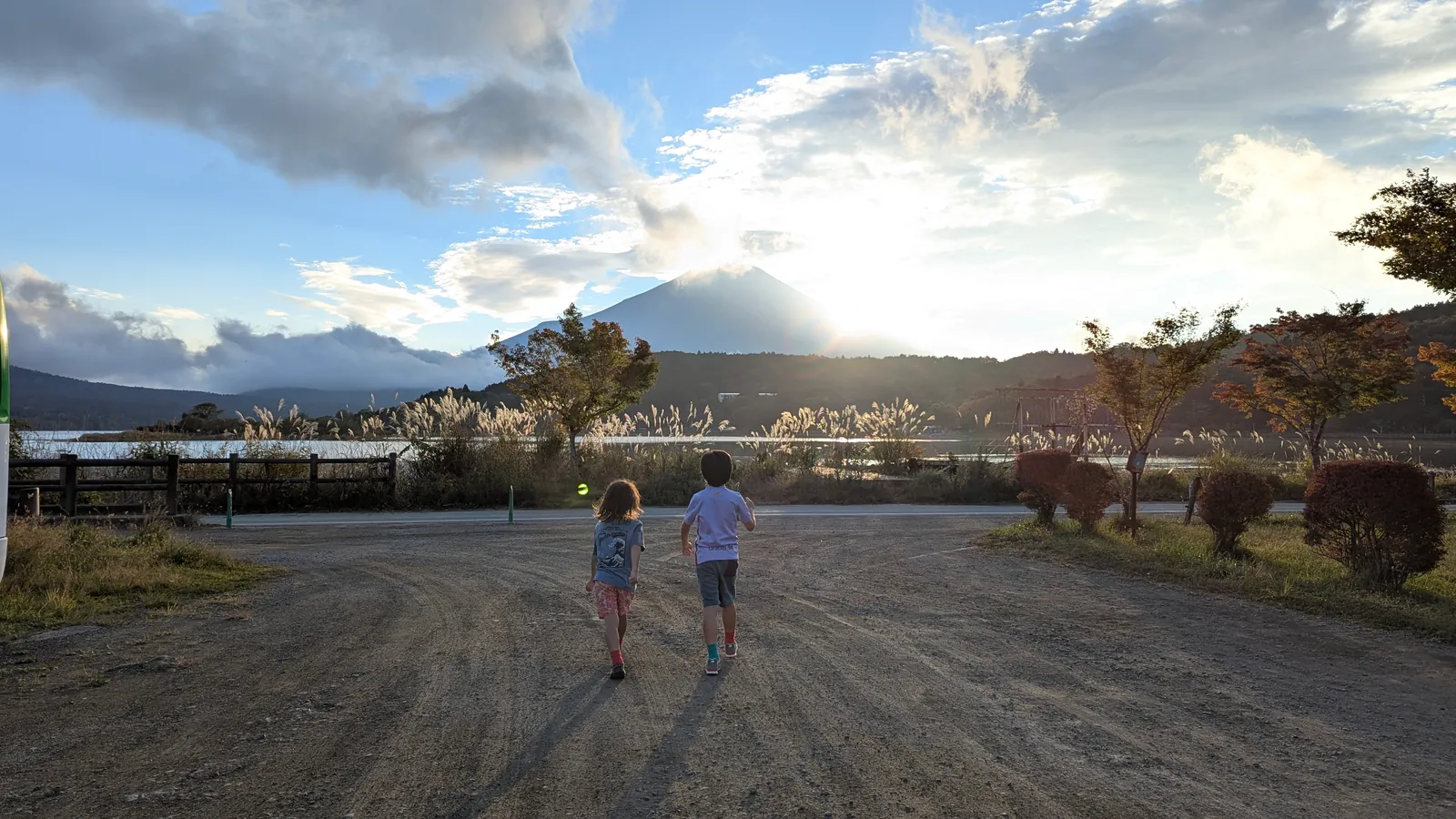
Mt. Fuji and Hakone, for families.
Hakone and the Fuji Five Lakes face the same mountain and make two different trips: Hakone one loop of train, ropeway and lake boat on a single pass, the lakes a spread of stops built around Fuji-Q Highland.
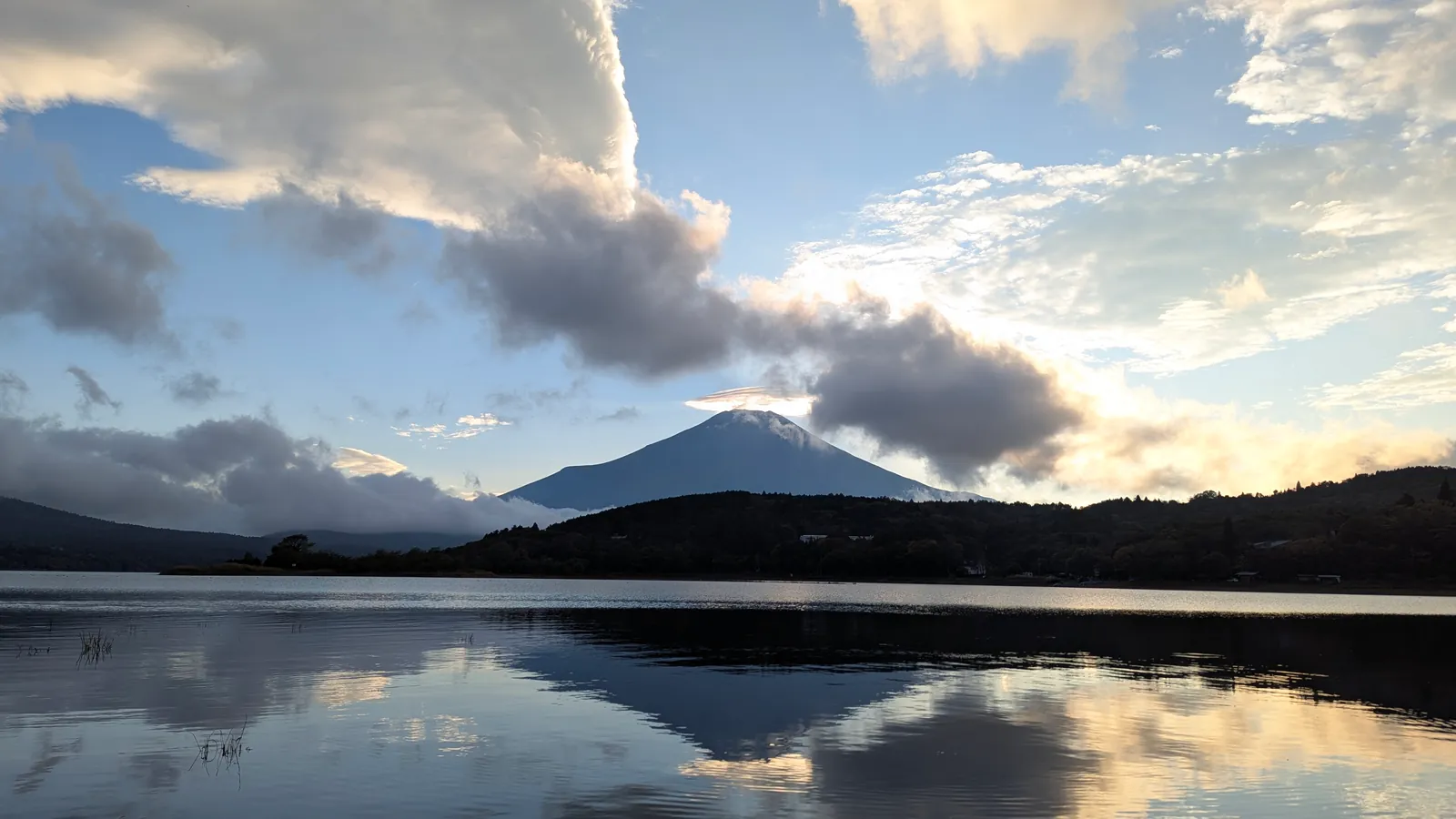
- Recommended stay
- 2 to 3 nights
- A night near the mountain gives a cloudy view a second chance.
- Best base
- Set by your child
- Hakone for a child who wants the day explained; the lakes for a mover.
- From Shinjuku
- About 80 to 100 minutes
- Romancecar to Hakone-Yumoto; the Fujikyu highway bus to the lakes.
- Local pass
- Hakone Freepass, 2 or 3 days
- The Romancecar’s limited express charge is paid on top.
- Mt. Fuji itself
- From the base, not the climb
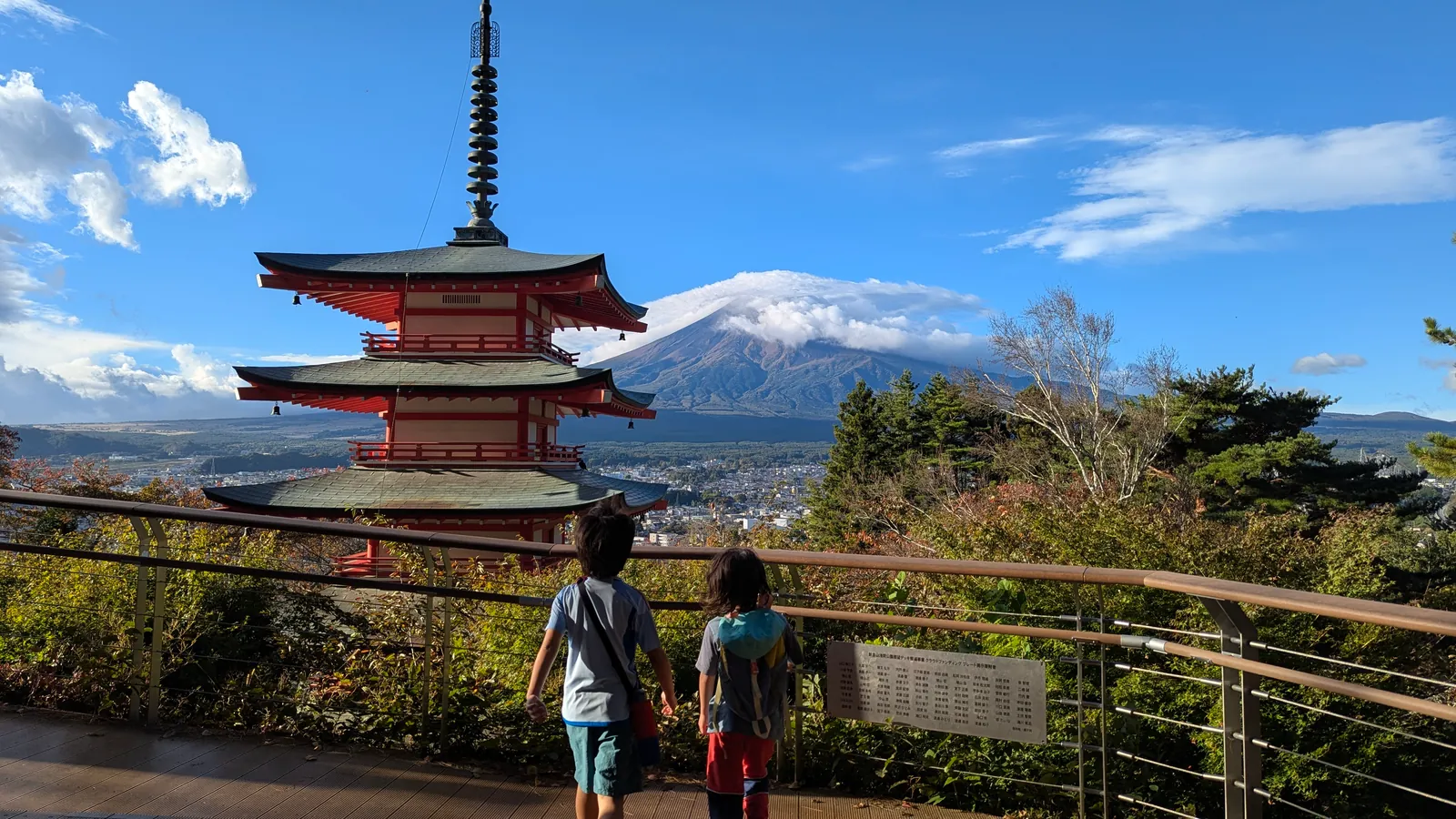
- The Chureito Pagoda’s 398 steps are the one real exertion.
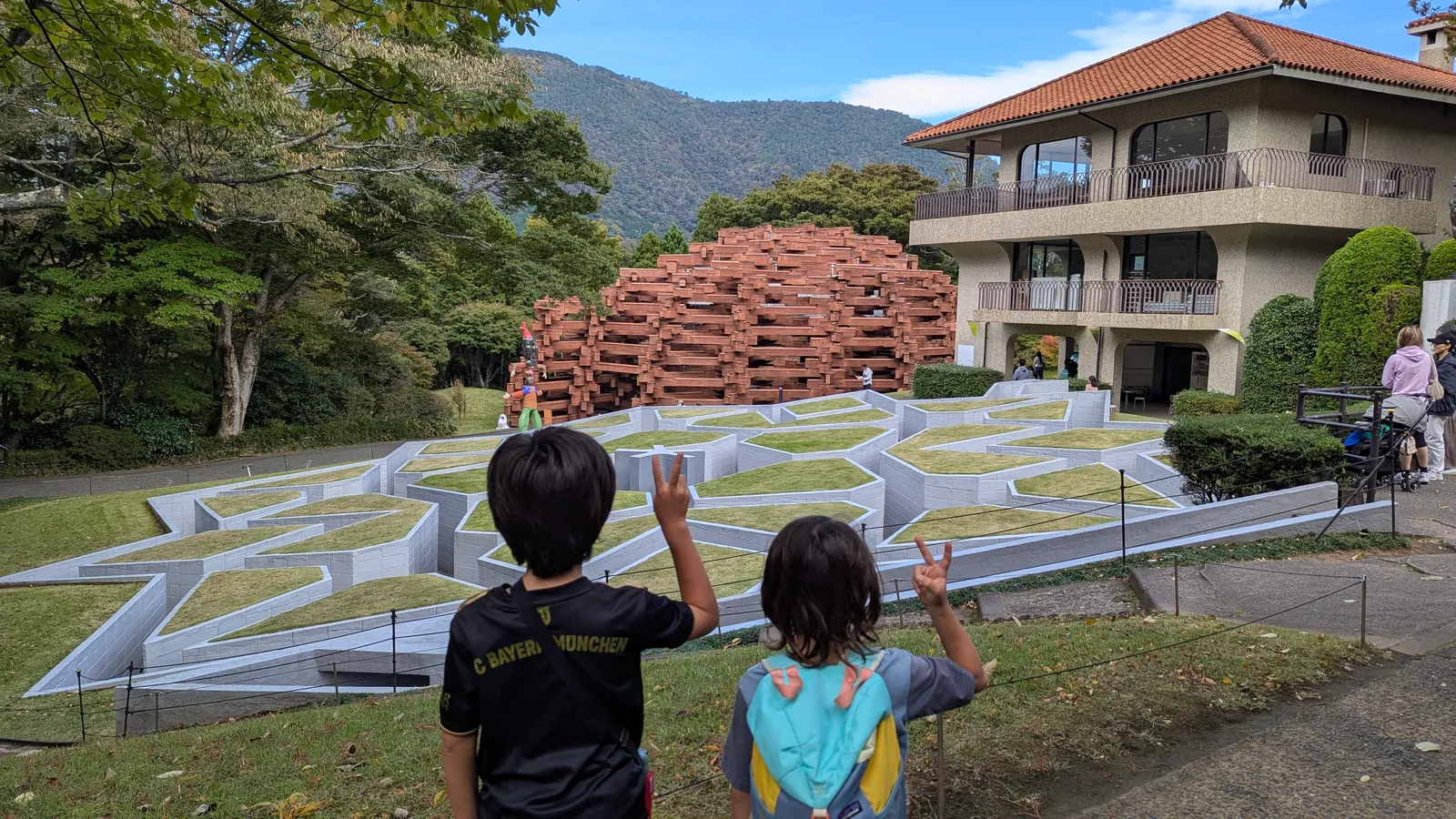
Two trips, one mountain
Choose your side of the mountain first.
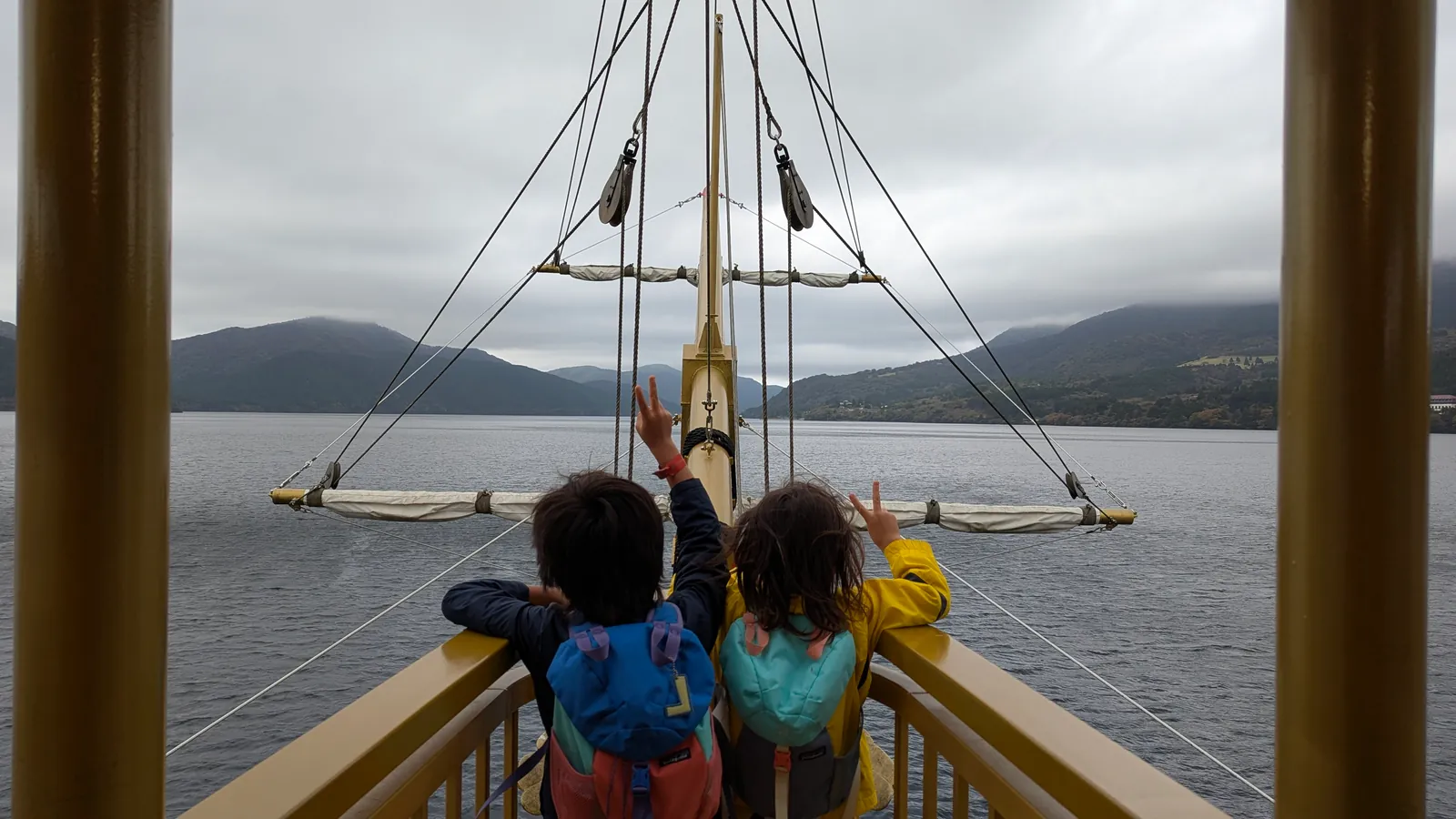
Hakone is one linked loop of train, cable car, ropeway and lake boat on a single pass. The Fuji Five Lakes are separate stops joined by bus and rail, built around Fuji-Q Highland. Each suits a different child.
Our advice: pick the side by how your child spends a day, then sleep where the first ride leaves.
Things to do
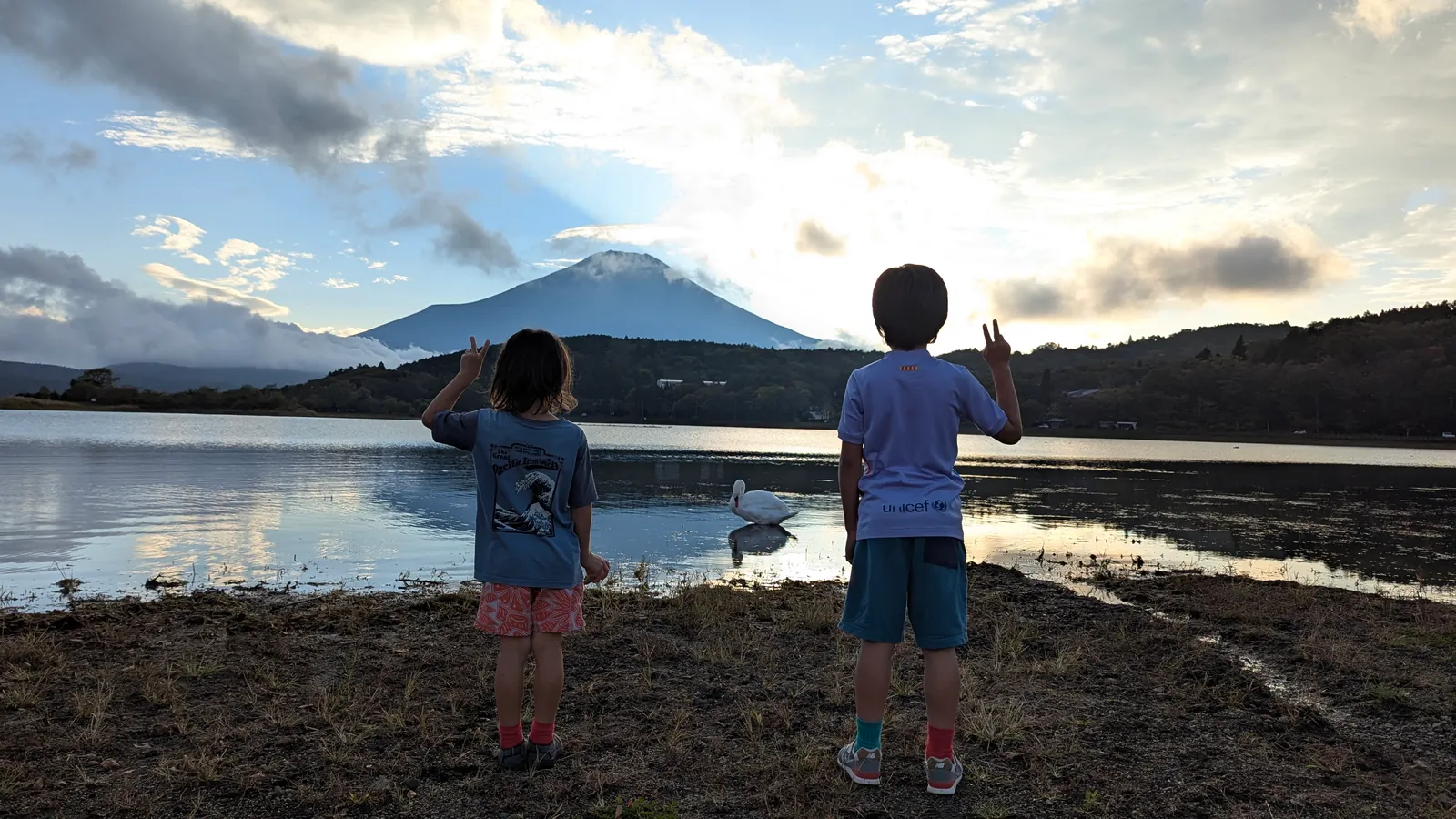
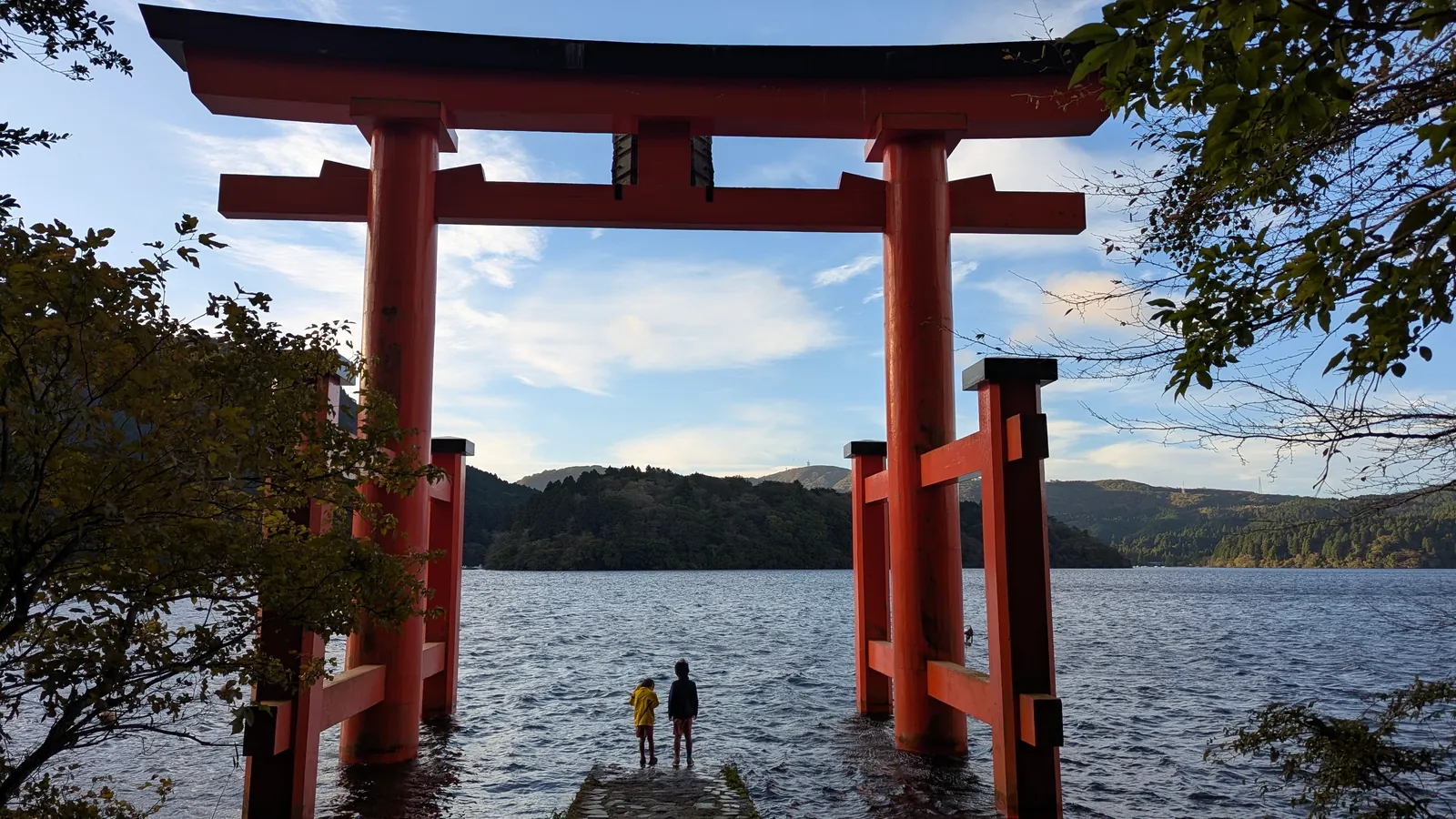
Hakone's chain of rides, the lakes' boats and roller coasters, and Mt. Fuji itself without a climb.
Where to stay
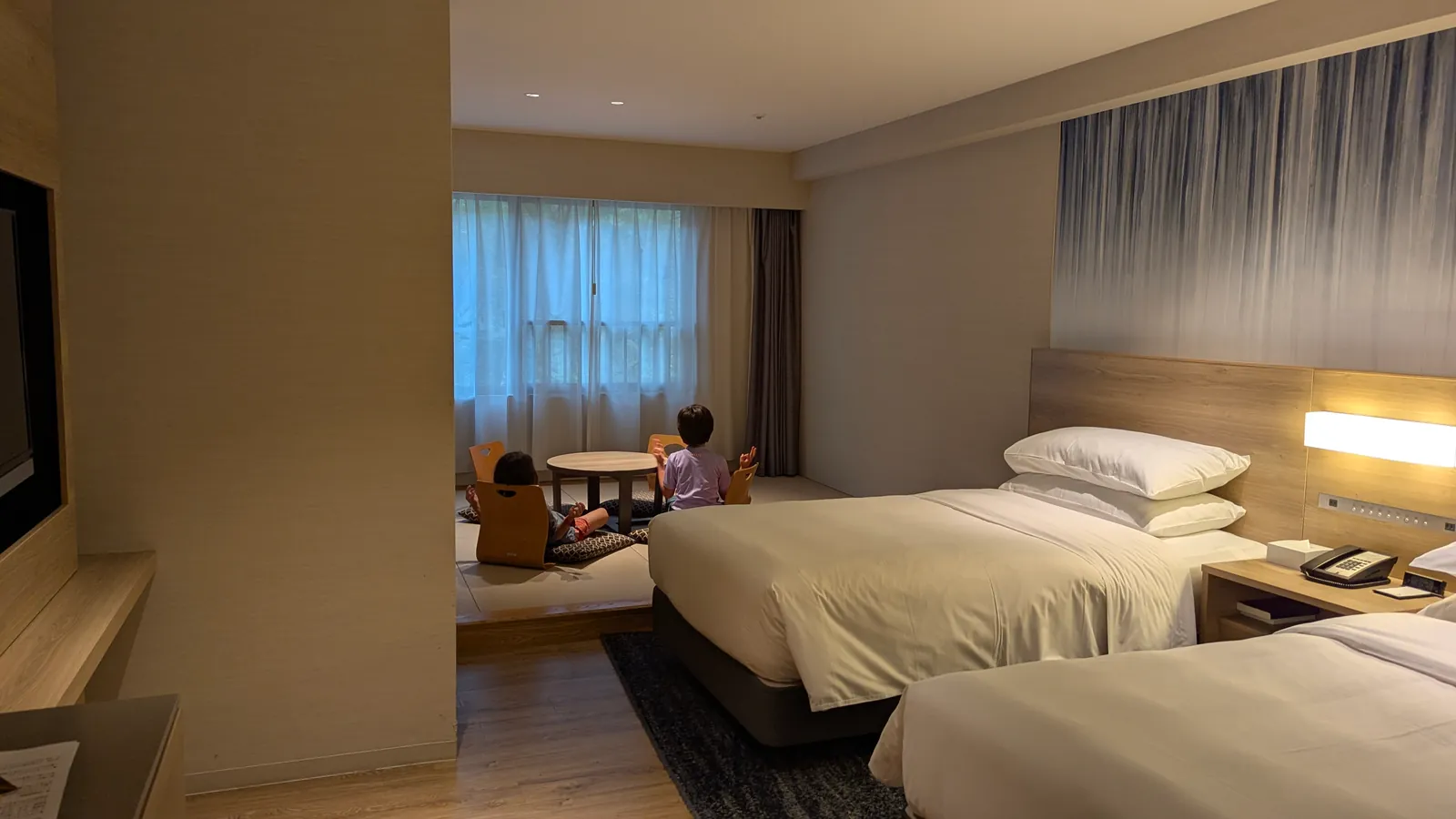
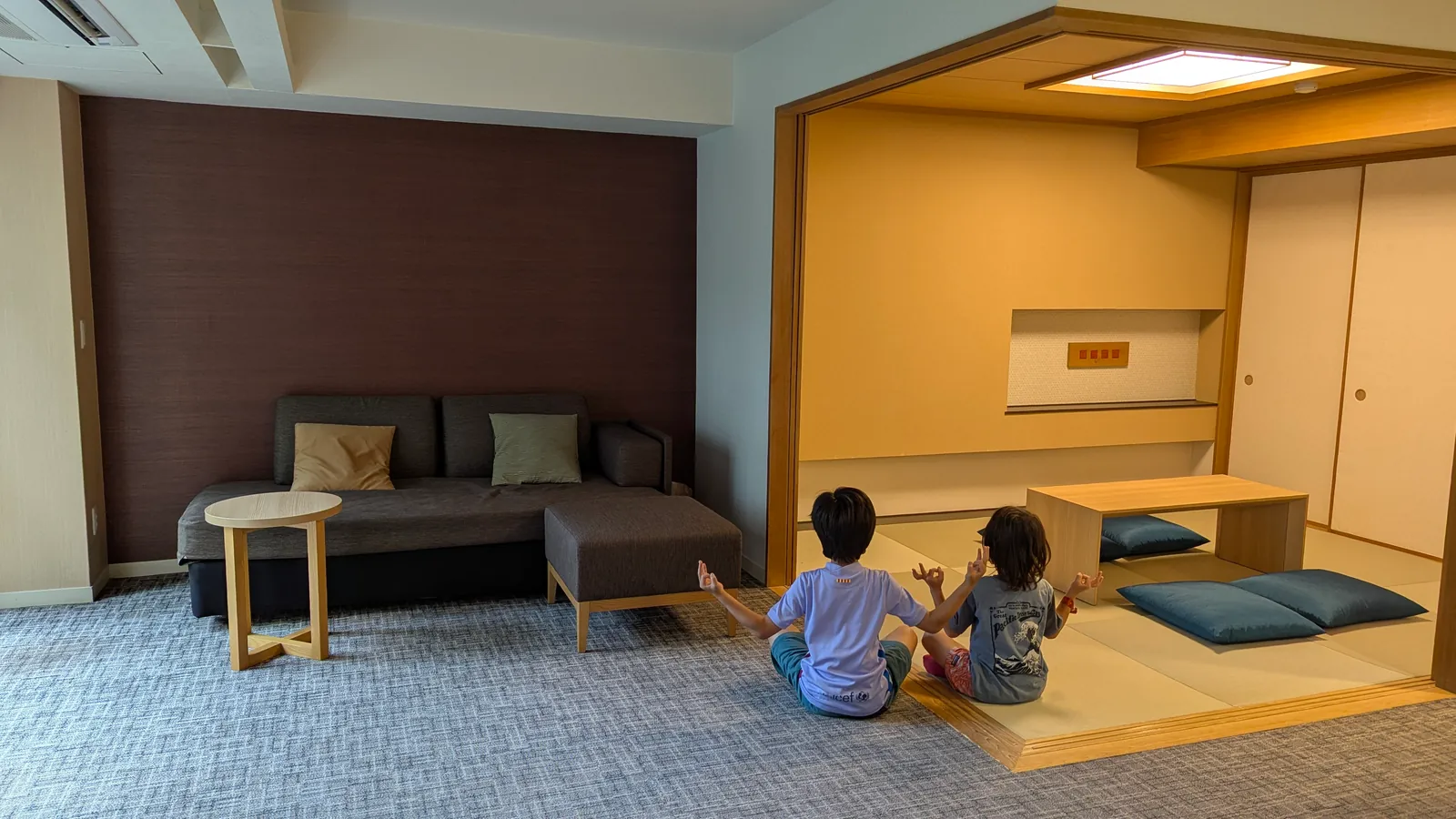
Sleep where the first ride of the morning leaves from, and each day starts without a transfer.
Hakone or the Fuji Five Lakes
Choose by how your child spends a day, not by where the mountain looks best.
Weighing Fuji and Hakone against the rest of Japan





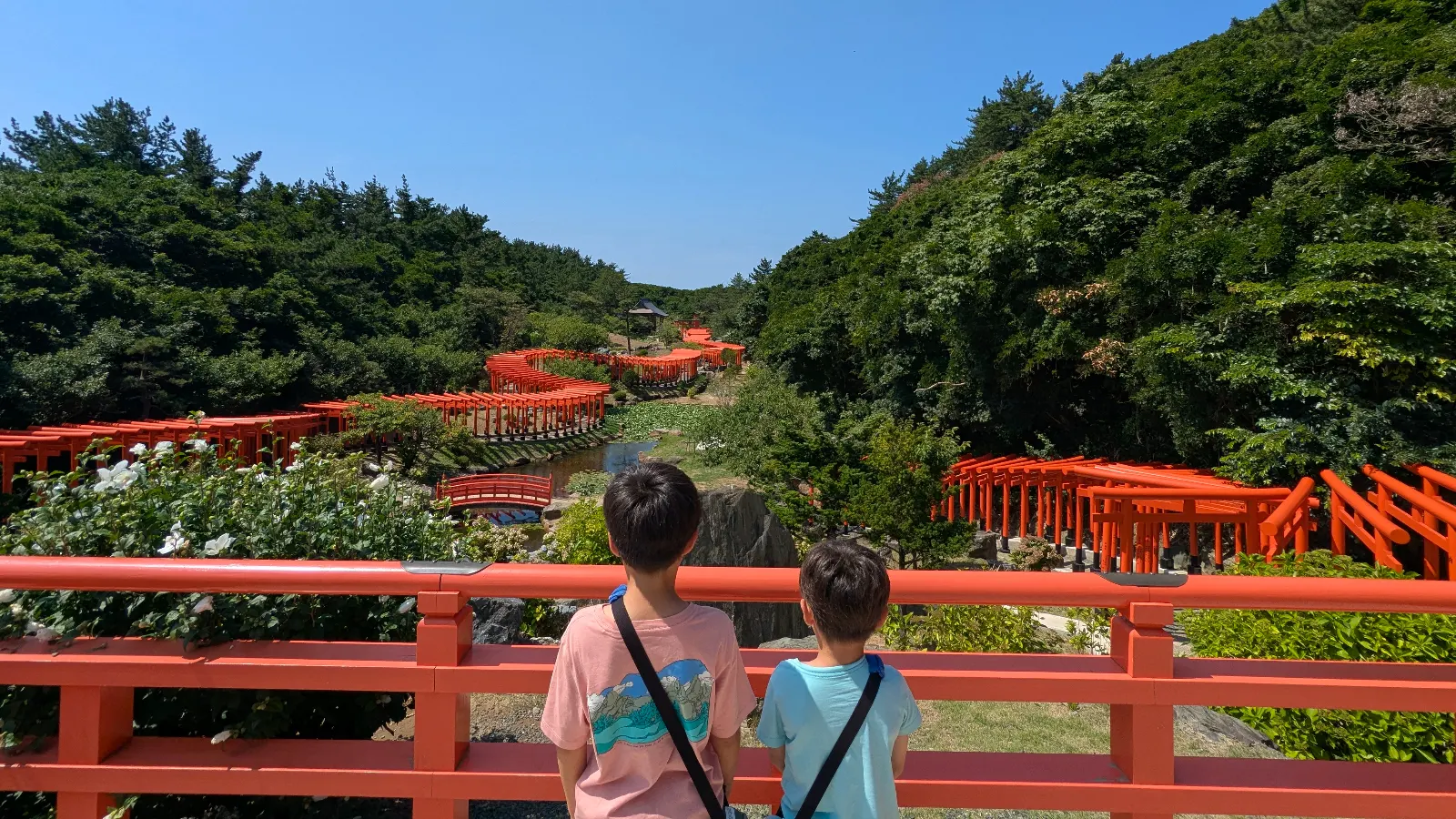
Reading the mountain
The mountain sets its own terms.
Around Mt. Fuji the plan answers to things nobody books: wind that stops a ropeway, cloud that hides the view, the line at the gondola on a busy day. Families who leave room for those keep the day; the rest chase it.
The LUNI Framework weighs each side in money, time and the child’s Reserve. Hakone spends the Reserve on sitting still from ride to ride; the lakes spend it on walking between the stops.
Plan for the cloud, and treat the clear hour as a bonus.
A planning lens, not a clinical instrument. The framework is a way of seeing a trip in advance, not a diagnosis of the child. Questions about a child’s attention, sensory, anxiety, or developmental regulation belong with a pediatric or developmental professional.