Japan in Spring with Kids:cherry blossom and Golden Week.
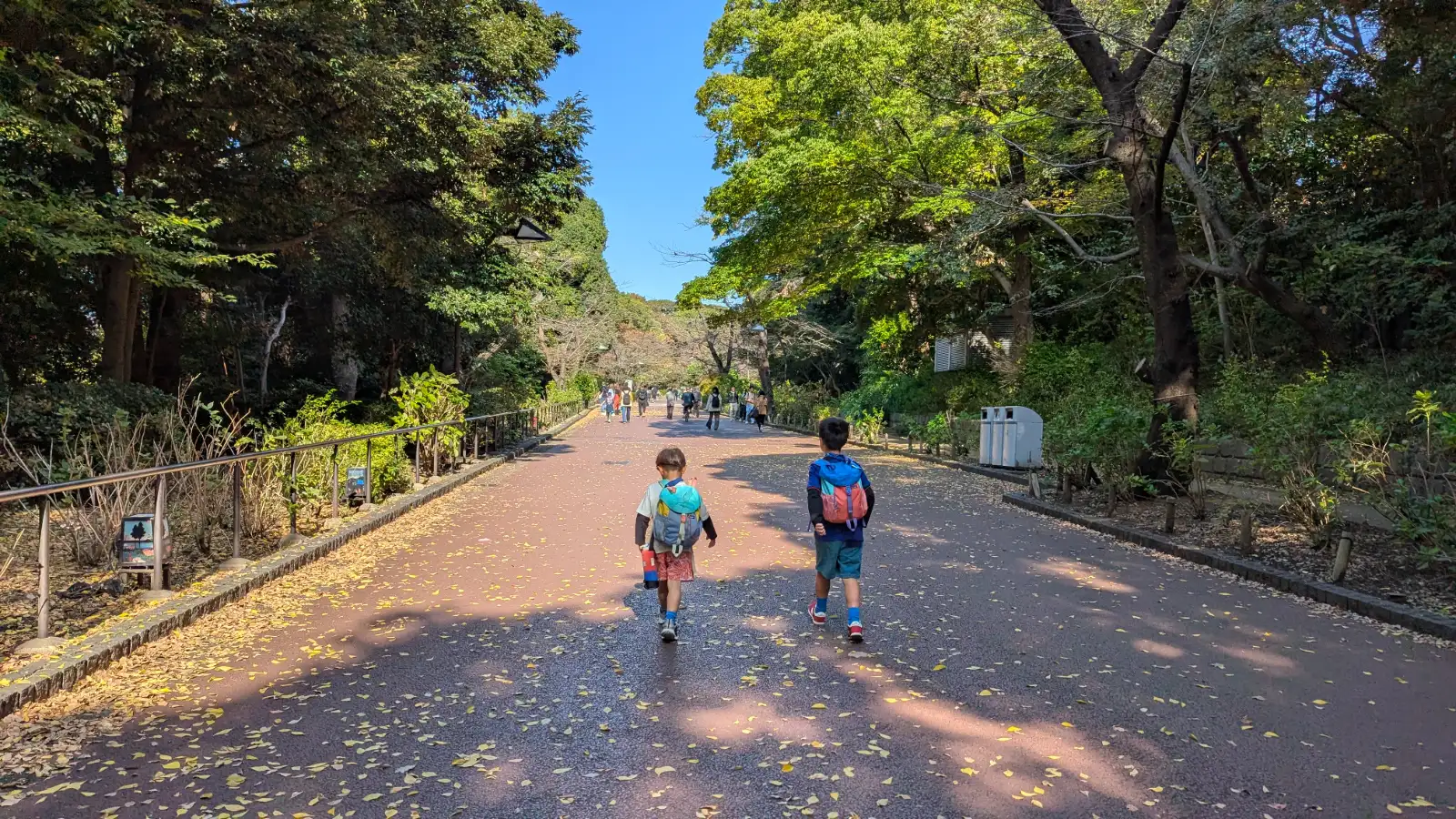
- Best Window
- Late March to mid-April, before Golden Week
- Two Climates
- Sapporo is still winter in March
- Golden Week
- April 29, and May 3 to 5
- Blossom Forecasts
- The first one misses by 4.63 days on average
- April Weather
- 9 to 20°C; a jacket that comes off by ten
How a family plans a vacation over the school spring break around a bloom that moves while the dates stay fixed.
Some links on this page are affiliate links. LuNi may earn a commission at no extra cost to you.
Late March to mid-April is the spring window for a family in Japan: the blossom reaches full bloom in Tokyo, Kyoto and Osaka by early April, weeks before Golden Week, which falls on April 29 and May 3 to 5. Spring is booked a year out, yet the bloom itself moves: the season’s first blossom forecast misses flowering by 4.63 days on average. April settles at 19 to 20 degrees by day in Tokyo, Kyoto and Osaka, the most usable outdoor weather of the season for young children, and May runs warmer still. March is colder than the photographs suggest, and in Sapporo it is still winter.
What spring actually feels like.
March is colder than the photographs suggest. Tokyo, Kyoto and Osaka run daily highs near 14 degrees Celsius with overnight lows of 4 to 6: a proper jacket at breakfast, a mid-afternoon that finally feels mild. Sapporo is not in the same season. Its March low averages minus 2.4 degrees, 74 centimeters of snow falls across the month, and snow lies on roughly 24 days, so a family landing in Tokyo then flying north is packing for two climates.
April delivers and May feels best, in that order. April settles at 19 to 20 degrees by day and 9 to 11 overnight in the three big cities, the most usable outdoor weather of the season for young children. May runs warmer, 24 to 25 degrees in Kyoto and Osaka, with rainfall climbing toward the June rainy season. Sapporo is the quiet exception, at 11.7 degrees in April and the driest spring of the major cities.
| Month | Temperature | Rain & Crowds | What It Means for Families |
|---|---|---|---|
| MarchWinter’s last hold | 14°C high, 4–6°C low / 57°F, 39–43°F. Sapporo below freezing overnight. | 105–115mm of rain. Crowds build in the final week. | Pack a real jacket, not a layer. Treat Hokkaido as a separate climate. |
| AprilThe month it blooms | 19–20°C high, 9–11°C low / 67–68°F, 49–52°F. | 100–135mm. The school year restarts on the 1st; Golden Week loads the end. | The best outdoor days of spring. Book the first fortnight earliest. |
| MayBest weather, biggest week | 24–25°C high, 14–16°C low / 75–77°F, 58–61°F. | 135–150mm and rising. Golden Week is the crowd peak. | Travel after the 6th and the country empties while the weather stays. |
MarchWinter’s last hold
14°C high, 4–6°C low / 57°F, 39–43°F. Hokkaido is a separate climate.
AprilThe month it blooms
19–20°C high, 9–11°C low / 67–68°F, 49–52°F. The best outdoor days of spring.
MayBest weather, biggest week
24–25°C high, 14–16°C low / 75–77°F, 58–61°F. Travel after the 6th.
The forty days between Fukuoka and Sapporo.
Cherry blossom is not a national week. It reaches Fukuoka in the fourth week of March, Hokkaido in the first week of May, and the forty days between are the planning problem.
The LUNI Framework reads that front as a currency rather than a photograph. Families already budget money and time. The framework adds a third: Reserve, a child’s finite capacity to absorb what travel asks of them. A blossom trip spends it by requiring a family to be in one place on one day, then quietly moving the day. Crowd density and a schedule that keeps changing draw Reserve down faster than distance does, and in spring both arrive together.
The table below is a direction of travel, not a target date. If the front has passed the city you are standing in, the answer is north: Kanazawa, Sendai and Nagano run a week to a fortnight behind Kyoto. If it has not arrived, the answer is south. The useful flexibility in spring is geographic. Families cannot move their dates; they can almost always move their trains.
| City | Flowering, Typical Window | Full Bloom, Typical Window | Planning Note |
|---|---|---|---|
| FukuokaKyushu opens | the fourth week of March | the end of March | The country’s first. Starting in Kyushu buys blossom two days before Tokyo has it. |
| TokyoThe short turn | the fourth week of March | the end of March | Seven days from first flower to full bloom, the tightest turn of the five. |
| Kyoto & OsakaThe expensive fortnight | the last week of March | the first week of April | Peak falls in the first week of April, the fortnight rooms cost the most. |
| Kanazawa & SendaiThe escape hatch | the first week of April in Kanazawa, the second in Sendai | the second week of April | A week or two behind Kyoto, reachable in a morning. Where a late family goes. |
| SapporoThe one that misleads | the start of May | the first week of May | On averages it lands just after Golden Week. For six years running, it reached full bloom before 29 April. |
FukuokaKyushu opens
Flowering two days before Tokyo, in the fourth week of March, and full bloom by the month’s end.
TokyoThe short turn
Flowering the fourth week of March, full bloom the end of March. Seven days end to end.
Kyoto & OsakaThe expensive fortnight
Flowering the last week of March, full bloom the first week of April. Peak week, peak rates.
Kanazawa & SendaiThe escape hatch
Flowering the first week of April in Kanazawa and the second in Sendai, full bloom the second week in both. Behind Kyoto by a week or two.
SapporoThe one that misleads
Flowering the start of May, full bloom the first week, on averages. Reached full bloom before 29 April six years running.
What the first forecast is actually worth.
Almost every family books spring against the forecast published in December or January, because it is the only date on offer while flights are affordable. It is also the least accurate number in the sequence.
The season’s first forecast misses flowering by 4.63 days, and it misses early. Across five seasons and fourteen cities, 61.4 percent of first forecasts are off by three days or more, and one in six by more than a week. Blossom arrived before the published date in 64.3 percent of cases, so book toward the opening of a window instead of its close. The characteristic failure is not a family waiting for flowers that have not come. It is a family landing after peak, into a park that has already turned. Japan Meteorological Corporation, whose forecasts these are, introduced an AI long-range model for the 2026 season, and that season’s first forecast missed flowering by 3.5 days on average, against 4.9 across 2022 to 2025 (4.63 across all five). One season is too few to call the new method better.
| The Question | The Answer |
|---|---|
| How far off is the January one? | 4.63 days on flowering, published about 85 days ahead. Enough to choose a fortnight, nowhere near enough to choose a Tuesday. |
| Does a later one help? | Not until March. Anything more than a month out sits at four to five days off, and a season’s first six releases are the same forecast in accuracy terms. It tightens only inside three weeks, long after a family has booked. |
| Which city is worst? | Sapporo, and not narrowly: 10.6 days against Tokyo’s 3.6. Its first forecast has never landed within three days in five seasons, and has been early every time. In 2023 it called 2 May; the trees flowered on 15 April. |
| Where does that actually bite? | Hokkaido in Golden Week. Sapporo’s averages, the start of May and the first week, read as blossom waiting politely for the holiday. Full bloom has in fact fallen before 29 April in each of the last six years. Book it off a January forecast and expect bare branches. |
How far off is the January one?
4.63 days, published 85 days ahead. A fortnight, not a Tuesday.
Does a later one help?
Not until March. The first six releases are one forecast.
Which city is worst?
Sapporo, at 10.6 days. Never within three days, early every time.
Where does that actually bite?
Hokkaido in Golden Week. Reached full bloom before 29 April six years running.
So build the trip to reroute, not to rebook. Choose a base with blossom on both sides of it and a fast train either way, then treat the published date as a starting position, not an appointment. Kyoto with Kanazawa two and a half hours north is a spring plan. Kyoto alone, on one date, is a wager. Close the forecast page once the rooms are booked.
Profiles change where that plan needs slack, not whether it needs it. The Dynamo depletes through restricted movement and struggles where a crowd sets the pace, so a younger one needs an open lawn before the paths fill and an older one a riverside to cover fast. The Sensor depletes through sensory input and meets the year’s densest crowds exactly when the schedule is least certain; seat a younger child at the edge of a viewing area, and give an older one a leaving time. The Anchor depletes through unfamiliarity and unconfirmed structure, which makes a moved blossom day the most expensive thing spring can do, so name the alternative the night before. The Sprinter depletes through sustained walking and standing, and gains back hours in April’s air that August would have taken.
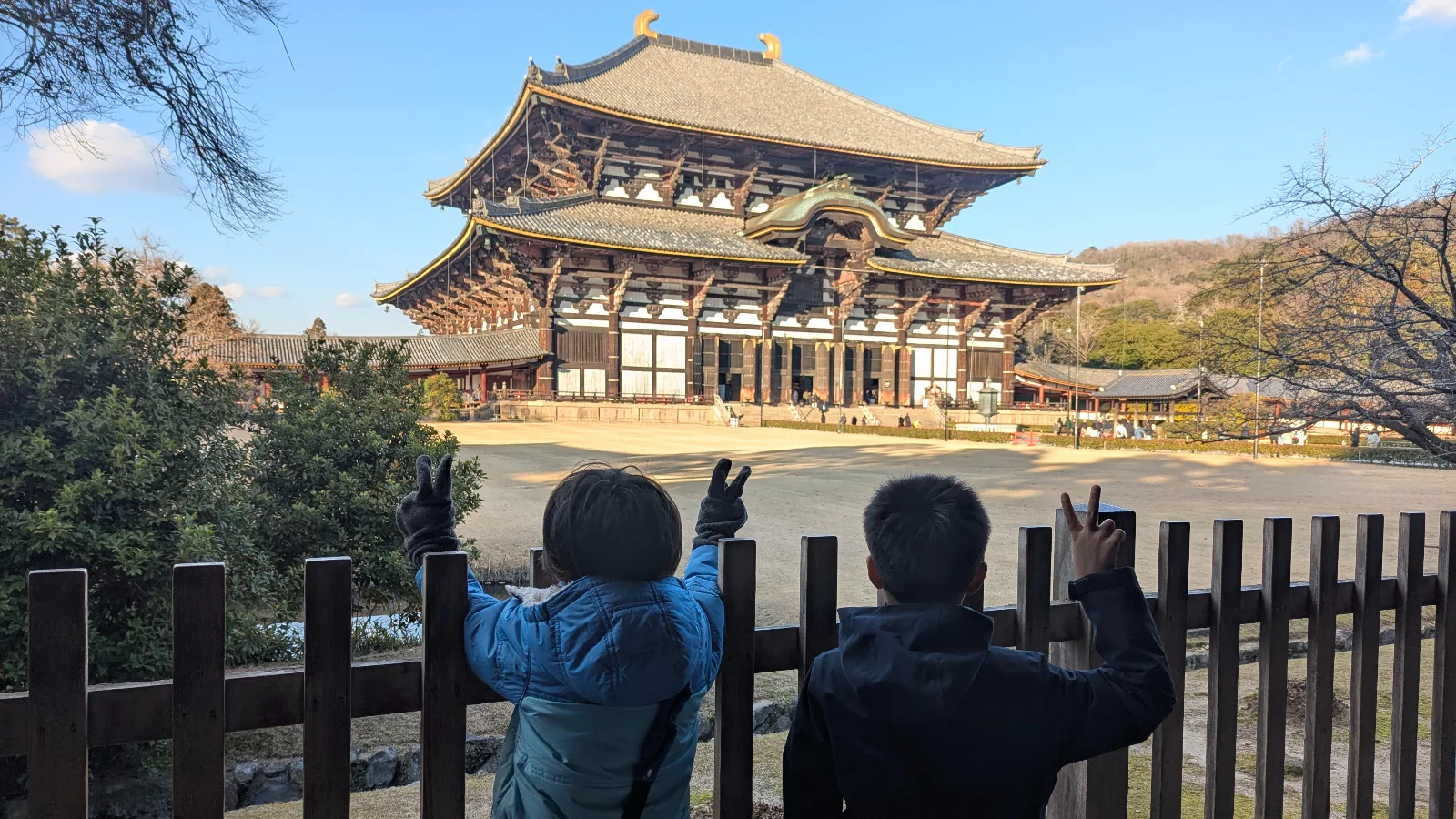
The experiences only spring delivers.
Spring’s signature experiences are dated rather than seasonal. Each happens on a named set of days, and several close their doors to anyone who decides late. The table sorts them by the gate.
Spring is the season with the most gates on it. Autumn asks a family to be in roughly the right region in roughly the right fortnight. Spring asks it to be in one place on a stated day, and three of the five entries below turn on something arranged long beforehand: an application, a crowd restriction, or a mountain road that is shut. Book spring in the order the calendar demands, not the order the map suggests.
| Experience | When | Why It Is Spring-Only | Plan Note |
|---|---|---|---|
| Omizutori at TodaijiShunie | 1 to 14 March every year | A rite unbroken since 752, and observed every year since. Torches burn every night. | The plaza below Nigatsudo holds about 3,000, and entry is restricted on 12 March. Take another evening. |
| The Mint’s cherry walkSakura no Toorinuke | Seven days in mid-April, with the exact week announced each spring | 331 late-flowering trees across 140 varieties, open one week a year, after the parks finish. | Advance application only, on an emailed QR code tied to a time slot. Arriving outside it is refused, and no food or drink is allowed inside. |
| Takayama Spring FestivalSanno Matsuri | 14 and 15 April, every year | Twelve floats, designated Important Tangible Folk Cultural Properties in 1960. | The dates never move, which makes it the one spring event bookable a year ahead. |
| Blossom in a city parkHanami | Late March into April | The only weeks when a park is the destination rather than the route to one. | Shinjuku Gyoen opens on Mondays in the blossom weeks and bans bringing in alcohol. Entry may move to advance booking, mainly on weekends and holidays. |
| Tateyama Kurobe Alpine RouteYuki no Otani | From mid-April | A snow-walled crossing that cannot exist earlier; the route is shut all March. | A trip before mid-April cannot include it at any price. |
Omizutori at TodaijiShunie
1 to 14 March. Entry is restricted on 12 March.
The Mint’s cherry walkSakura no Toorinuke
One week in mid-April, announced each spring. Advance application only, by QR code at a set time slot.
Takayama Spring FestivalSanno Matsuri
14 and 15 April every year. Bookable a year ahead.
Blossom in a city parkHanami
Shinjuku Gyoen opens on Mondays through the blossom weeks and allows no alcohol to be brought in.
Tateyama Kurobe Alpine RouteYuki no Otani
From mid-April. Second half of the window only.
Spring in Japan is the start of the year, not its middle. The school year opens on 1 April, and for a fortnight children are visibly beginning again: entrance ceremonies at school gates, satchels too big for their owners, class photographs under the trees. Visiting children notice other children before they notice architecture, and naming what they are watching gives them the sense that the country has its own life running underneath the trip.
The two prices that move with the bloom.
Spring does not raise the price of Japan. It raises the price of about eighteen days of it, and not the days most families expect.
Rooms move first, and they move by date rather than by season. The elevated stretch runs from roughly 24 March to 10 April, a plateau rather than a spike on a predicted bloom date. Comparing the same weekday inside and outside it, 1 April against 15 April, the median room falls by 28 percent. Kyoto reacts far harder than Tokyo: one Kyoto station hotel ran three and a half times its early-March rate at peak, against a sharpest Tokyo response of 1.8 times. The saving is property-specific, though: two hotels barely moved all spring.
Golden Week is not automatically the most expensive week of spring. Set the blossom Saturday of 10 April against the Golden Week Saturday of 1 May and the blossom date was dearer at four properties of five, with Golden Week a median 25 percent cheaper. Golden Week still runs about a third above the March baseline, so it is elevated; it is simply not the peak. What it moves is availability. National room occupancy ran 61.1 percent in March, 61.4 in April and 61.7 in May, close to the 61.6 percent full-year figure for 2025, so spring does not fill Japan. It fills particular cities: Tokyo hit 79.4 percent in April, Osaka 81.0 and Kyoto 73.9, while Hokkaido sat at 46.3.
One rail product moves with the season, and it is the wrong one for most families. The Seishun 18 Kippu’s spring window closes on 10 April, before the holiday, and it charges children the adult price, carrying no child fare at all.
The questions families actually ask.
When is the best time to visit Japan in spring with kids?
Late March to mid-April, and the first half of April is the strongest fortnight. It holds blossom in Tokyo, Kyoto and Osaka, daily highs of 19 to 20 degrees Celsius (67 to 68 Fahrenheit), and it finishes before Golden Week loads the country. Families who cannot travel then should take the week after 6 May, not the week before.
When do cherry blossoms bloom in Japan?
On the long-run averages, flowering comes to Fukuoka during the fourth week of March and does not reach Sapporo until the start of May, a spread of about forty days. Tokyo turns in the fourth week of March, Kyoto and Osaka in the last week. Full bloom follows five to nine days later: seven days in Tokyo, nine in Kyoto, five in Sapporo. A single city moves a fortnight between years.
How accurate is the cherry blossom forecast?
The season’s first forecast, published in December or January, misses flowering by 4.63 days, and 61.4 percent of them are off by three days or more. It misses early far more often than late, so the usual failure is arriving after peak. Waiting does not fix it: anything published more than a month ahead sits at four to five days off.
Is Hokkaido a safe bet for cherry blossom in Golden Week?
No, and it is the riskiest bet in the Japanese spring. Sapporo’s averages put flowering at the start of May and full bloom in the first week, which reads as blossom waiting politely for the holiday. Full bloom has in fact fallen before 29 April in each of the last six years, and Sapporo’s first forecast misses by 10.6 days and has been early every time.
Should families avoid Golden Week in Japan?
Not avoid, but plan around the exact days. Four national holidays sit in the window: 29 April, then 3, 4 and 5 May. The length of the block changes every year, because it depends on which weekdays those four dates fall on. Look up the pattern for your own year rather than assuming last year’s.
When is spring break in Japan?
Late March into the first week of April, but there is no single national date. The school year runs 1 April to 31 March, and each municipal board of education sets its own break. Sapporo, Kyoto and Fukuoka all break across the very end of March and the first week of April, but each sets its own dates and they do not line up.