Aomori With Kids:which stop is for which child.
- Twelve Stops
- Three for each kind of child
- Days Needed
- 2 to 3, from three bases
- With a Stroller
- Museums flat; upper shrine paths have steps
- Indoors
- Aquarium Asamushi and the Museum of Art
- Room to Run
- Hakkoda Ropeway and its summit boardwalks
Some links on this page are affiliate links. LuNi may earn a commission at no extra cost to you.
Aomori with kids rewards a plan, because northern Japan’s apple country spreads a long way, from a busy festival hall to a quiet mountain summit. Twelve stops fill two to three days from three bases: the city, Hirosaki and the Hakkoda range. The Hakkoda Ropeway and its summit boardwalks let an active child run; Aquarium Asamushi and the Aomori Museum of Art are the gentler rooms; Nebuta Museum Wa Rasse lays out a clear route for a child who wants to know the order. Go between spring and fall, with Nebuta in August; winter is harder on small legs.
Which stop is for which child.
These stops are not ordered best to worst. They are grouped by which child each one is for. The reason is simple: Aomori spreads a long way, from a busy festival hall to a quiet mountain summit, and the stop that thrills one of your children is the stop that empties another. So instead of a single list, you get four short ones, organized by how each child runs out of steam. The Dynamo runs short when they cannot move. The Sensor runs short on noise and crowds. The Anchor runs short when nothing is predictable. The Sprinter runs short on walking and standing. Find your child below, and start there.
For the Dynamo
Stops that relieve restricted-movement depletion.
For a child who depletes through restricted movement, the strongest stops are the Hakkoda Ropeway, the Hirosaki cluster, and the San’nai-Maruyama site.
The cable car climbs to open summit trails where a movement-driven child finally gets to discharge. The ride itself is a contained event with a clear start and end, and the looped boardwalks at the top ask for steady motion with no queue to hold a child still. Set inside the wider Towada-Hachimantai National Park, this is the stop that returns Reserve rather than spends it. A younger Dynamo runs the flat boardwalk loop near the summit station, and an older one takes the longer marked trail with the family.
Who it costs.The Sprinter. The summit walking is real distance at altitude, and the weather can turn the boardwalk cold and exposed with little shelter.
How to make it work.Ride early for the clearest skies, keep the summit loop short with a low-stamina child, and pack a warm layer in every season.
If this isn’t your child: still the best mountain view in the prefecture, worth the ride for the scenery alone.Hirosaki’s wide lawns, moats, and bridges give a high-energy child unbroken running room, and the surrounding cluster turns one stop into a full movement day. Hirosaki Park’s open grounds sit at the center, with the seasonal orchards of Hirosaki City Apple Park and the float halls of Tsugaru-han Neputa-mura Village a short way on. Out toward Mt. Iwaki, the cedar-lined approach to Iwakiyama Shrine adds a calmer paved walk for families with energy to spare. For the Dynamo it is space first and structure second. A younger Dynamo loops the lawns and crosses the bridges, while an older one walks up into the castle keep and takes the apple park’s longer orchard paths.
Who it costs.The Sprinter, mildly. The cluster is spread out, so covering all of it on foot becomes a long day for low stamina.
How to make it work.Pick two of the cluster stops rather than all of them, and time the visit for cherry blossom season or autumn color when the park is at its best.
If this isn’t your child: the prefecture’s most photogenic grounds, an easy slow stroll for any family.This reconstructed Jomon-era village spreads across wide open fields of pit dwellings, longhouses, and storage huts, and the layout invites a movement-driven child to roam between them rather than file past in a line. The space itself is the release: there is room to move freely while still arriving somewhere, which is what keeps a Dynamo engaged rather than restless. A younger Dynamo runs the grassy paths between the huts, and an older one walks the full circuit and takes in how the village was laid out.
Who it costs.The Sensor, mildly, on a hot or crowded day when the open fields offer little shade or quiet, and the Sprinter across the longer outdoor loop.
How to make it work.Use the indoor museum hall as a planned cool-down between outdoor stretches, so the Dynamo discharges outside and the family resets inside before the next leg.
If this isn’t your child: one of Japan’s most important ancient sites, worth slow time even at a gentle pace.For the Sensor
Stops that let a sensory-loaded child recover.
For a child who depletes through sensory input, the strongest stops are Aquarium Asamushi, the Aomori Museum of Art, and Gappo Park.
Set on the coast east of the city, Aquarium Asamushi is a contained indoor circuit of dim tanks, an underwater tunnel, and slow-drifting jellyfish, the kind of low, even sensory input that lets a loaded child settle rather than spike. The route is predictable and the lighting is soft, so a Sensor moves through it at their own pace. A younger Sensor watches the tunnel fish from the floor, and an older one follows the northern-waters exhibits in order without ever facing a sudden wall of noise.
Who it costs.The Sensor, briefly, at the dolphin and sea lion show, where applause and a packed gallery concentrate sound in one loud beat.
How to make it work.Time the show rather than stumble into it: arrive for a quiet first lap of the tanks, then decide whether the show fits the day, and sit near an aisle for an easy exit.
If this isn’t your child: an easy, relaxing half-day by the sea, and a reliable rainy-day stop for any family.The museum’s white halls, wide spacing, and low sound make it an acoustic and visual opposite to a festival hall, exactly where a sensory-loaded child can turn the dial down. Input stays gentle, the sightlines are clear, and the famous Aomori-Ken dog gives a calm, single focal point rather than a crowd of competing ones. A younger Sensor slows down in front of the big dog and the open galleries, and an older one moves through the modern works at an unhurried pace.
Who it costs.The Dynamo. The browse-and-look format offers little discharge, so pairing it with a movement stop keeps a high-energy child from going restless.
How to make it work.Use the museum as the planned reset between two busier stops rather than as the day’s anchor, so the Sensor refills before the next demand.
If this isn’t your child: a calm, inspiring stop that turns art into a slow-down, worthwhile in any weather.Gappo Park is a wide bayside green on the edge of the city, with open lawns, a stretch of beach and tidal flats, and seasonal cherry trees: a low-stimulation outdoor space where a child who has spent their sensory reserve can decompress in the open air. The sound here is dispersed rather than concentrated, and the sightlines are long, which is what lets a Sensor reset without an indoor ceiling. A younger Sensor wanders the shoreline and the grass, and an older one walks the longer bay-front path at an easy pace.
Who it costs.Few profiles directly, though the open ground is real walking distance for a Sprinter, and a windy bay day offers little shelter.
How to make it work.Pair it with a nearby indoor stop so the day has a warm fallback, and keep the shoreline stretch short if low stamina is the limiting factor.
If this isn’t your child: a genuinely pleasant park for children, and an easy stop to fold into a city day.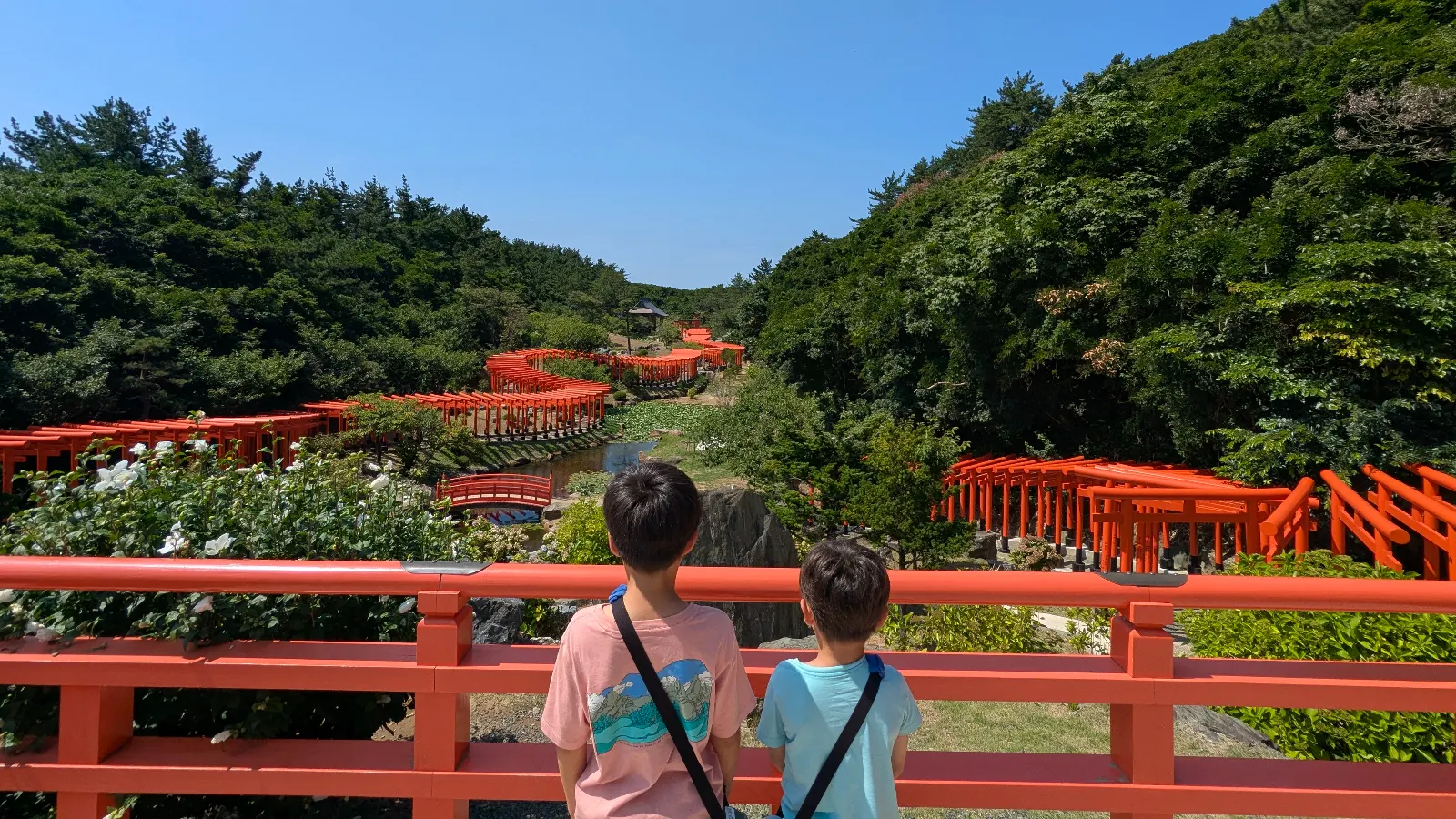
For the Anchor
Stops with confirmed, predictable structure.
For a child who depletes through unfamiliarity and unconfirmed structure, the strongest stops are Nebuta Museum Wa Rasse, the Aomori Museum of History, and the Seikan ferry ship.
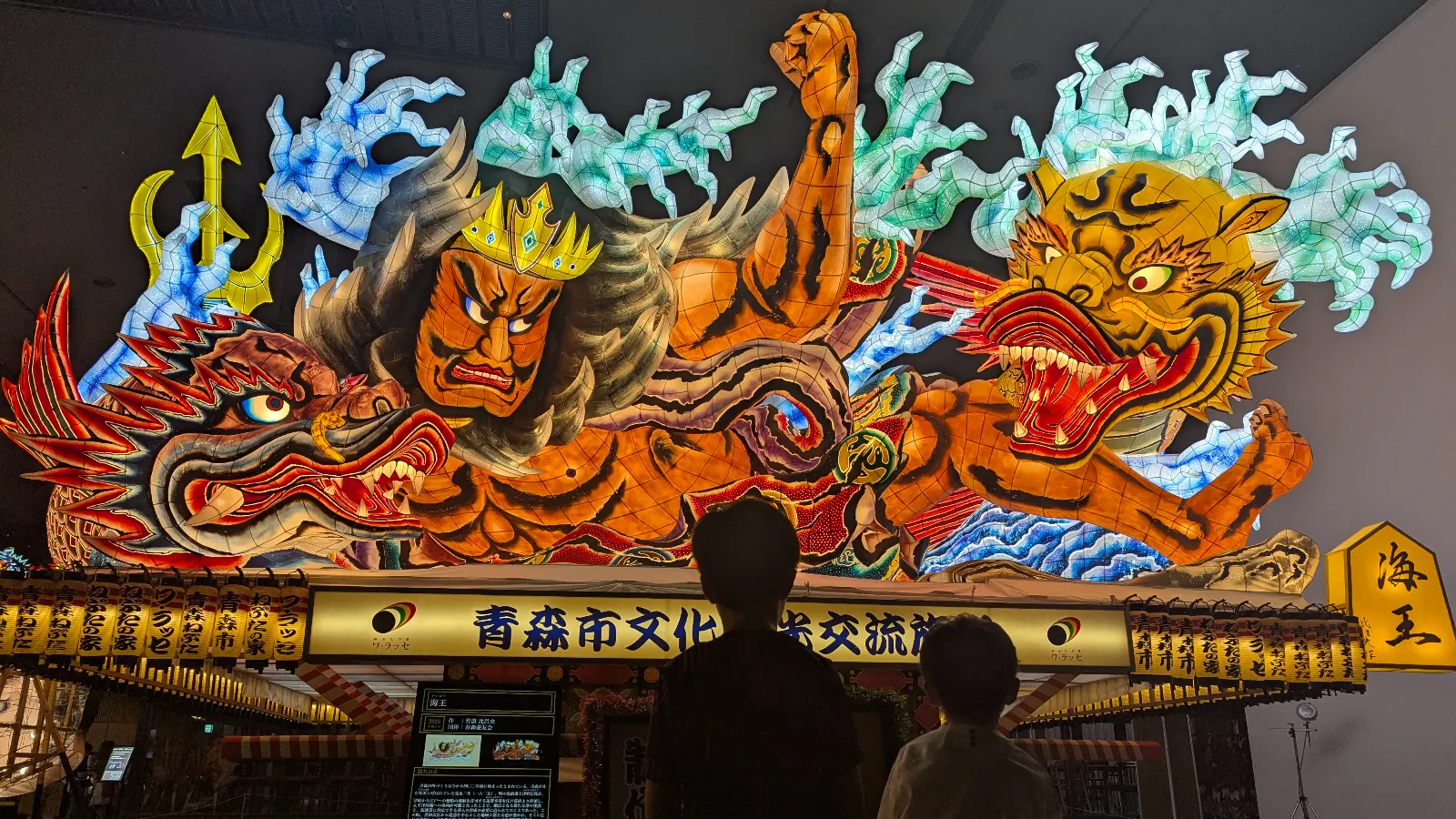
Wa Rasse brings the summer Nebuta Festival indoors year-round, and the indoor part is what makes it an Anchor stop: a fixed, walkable route past the giant illuminated floats, a clear sequence, and a familiar story a child can follow from float to float. The structure is confirmed and repeatable rather than improvised, which is what an Anchor leans on. A younger Anchor follows the lit floats along the set path, and an older one reads the craft and history behind how they are built.
Who it costs.The Sensor, at the live taiko drum and dance demonstrations, where sound concentrates in the central hall and runs loud for the length of the set.
How to make it work.Check the demonstration times on arrival and walk the float route around them, so the Anchor gets the full sequence and the Sensor skips the loudest beat.
If this isn’t your child: the most memorable indoor stop in the city, and a dependable rainy-day choice.The history museum walks families from older traditions to modern daily life through interactive, hands-on displays, and the ordered, room-by-room layout is exactly the kind of confirmable structure an Anchor relies on. Nothing about the route improvises: it has a clear beginning, middle, and end, with exhibits that reward a child who likes to know what comes next. A younger Anchor works the hands-on displays in sequence, and an older one follows the full timeline at their own pace.
Who it costs.The Dynamo. The indoor, read-and-look format offers little physical discharge, so a movement-driven child tires of it before an Anchor does.
How to make it work.Slot it as a calm, structured stop on a rainy or cold day, and pair it with an outdoor movement stop so a Dynamo sibling gets their release elsewhere.
If this isn’t your child: a genuinely engaging local-history stop, especially welcome in poor weather.These are two separate places, not one site, and they are not next to each other: the Hakkoda-maru is a retired ferry moored on the Aomori city waterfront, while the Seikan Tunnel Museum sits far out toward the Tsugaru Strait near the tunnel itself, a real trip apart. What links them is the same story, the historic crossing between Honshu and Hokkaido, and the same Anchor appeal: each is a confirmed, self-contained walk-through with a clear route and a single narrative thread. A younger Anchor follows the decks or the tunnel displays step by step, and an older one connects the two halves of how the strait was crossed.
Who it costs.The Sprinter, on the moored ship’s stairs and gangways, and any profile if you try to reach both in one day given the distance between them.
How to make it work.Treat them as two different outings: fold the Hakkoda-maru into a city waterfront day, and only add the tunnel museum if your route already runs toward the strait.
If this isn’t your child: the ship alone is an easy, characterful city-bay stop, with no need to chase the tunnel museum.For the Sprinter
Short, low-stamina stops with little sustained walking.
For a child who depletes through sustained walking and standing, the strongest stops are the Tsuru no Maihashi Bridge, Takayama Inari Shrine, and the Misawa Aviation museum.
Japan’s longest wooden triple-arched bridge crosses Lake Tsugaru Fujimi on smooth, flat planks, with benches along the way and a clear view of Mt. Iwaki on the water: a short, scenic stop that asks almost nothing of a low-stamina child’s legs. For the Sprinter it is a real destination that costs no stamina, a place to arrive at rather than march through. A younger Sprinter walks part of the span and feeds the ducks near the shore, and an older one crosses the full arch at an easy pace and rests at the far side.
Who it costs.The Dynamo, mildly. The stop is calm and contained, so a movement-driven child gets little discharge and will want a more active stop chained to it.
How to make it work.Go in the morning for still water and soft light, and treat it as the low-effort centerpiece of a Tsugaru-area day rather than a quick photo stop.
If this isn’t your child: one of the prefecture’s most scenic spots, a gentle and free stop for any family.Takayama Inari’s tunnels of bright red torii gates give a low-stamina child a vivid, rewarding destination with very little flat walking at the lower level, where the gates, the resident cats, and the ocean views do the work. For the Sprinter the trick is that the payoff comes early, before the stamina cost: the most photogenic stretch sits low, so a child gets the reward without the climb. A younger Sprinter walks the first run of gates and stops, and an older one decides how far up to go.
Who it costs.The Sprinter, honestly, if you push past the lower section. The upper paths climb into sustained steps and slopes that become real work for low stamina.
How to make it work.Set the lower torii section as the goal and treat the climb as optional, so a low-stamina child gets the reward without the ceiling.
If this isn’t your child: one of Aomori’s most photogenic shrines, with as much or as little climbing as you choose.East of the city near Misawa, this large indoor museum packs real aircraft, simulators, and hands-on exhibits into a space a child can take in slowly, much of it from a seated or low-effort vantage. For the Sprinter that is the appeal: a lot to see for very little walking, with frequent places to stop and rest between displays. A younger Sprinter climbs into the cockpits and tries the simple interactives, and an older one works the simulators and reads the flight exhibits at their own pace.
Who it costs.The whole family on transit, since Misawa is a real haul east of Aomori city, so the travel time is the true cost rather than anything inside.
How to make it work.Build it into a day already heading east rather than a special round trip, and if you want a nearer alternative, Hachinohe’s Children’s World play park sits in the same direction.
If this isn’t your child: a strong all-weather stop for any aircraft-curious kid, worth the drive on a full day.Open with the child who runs short first.
An Aomori trip is set by Reserve, not by the map. The LUNI Framework reads each child’s Reserve as the third travel currency alongside money and time, and it is the one that decides the order. Each route opens with the stop that protects the named child, then chains to the nearest compatible one.
Settle the shape first. Aomori spreads across three areas that rarely combine in one day: the city and bay, the Hirosaki cluster to the west, and the Hakkoda range to the south. Pick one area per day, open it with the stop that protects your child, and let the rest fill in around it. The mountain and the shrines are weather-dependent, so hold them loosely and keep an indoor city stop in reserve.
How families reach Aomori, and what costs nothing.
The Tohoku Shinkansen reaches Shin-Aomori from Tokyo, with Aomori Airport about thirty-five minutes by bus from Aomori Station, and the Tsugaru Kaikyo Ferry crossing from Hakodate in about three hours and forty minutes for families coming down from Hokkaido. Once there, a rental car gives the most flexibility for Hirosaki and the Hakkoda range, while the city stops cluster close enough to reach by local train, bus, or on foot. The free stops carry real weight here: the Hirosaki Castle Park grounds, the Tsuru no Maihashi Bridge, Gappo Park, and the lower shrine approaches all cost nothing, and they are also among the calmest, lowest-stimulation stops, so the free route and the reserve-protecting route are largely the same route.
Three bases that fit a family’s Reserve.
A shortlist chosen for location logic and Reserve fit. Three bases that protect a family’s Reserve in different ways.
| Property | The LuNi Reason | Budget |
|---|---|---|
| LUNI Pick ART HOTEL Aomori Minutes from Wa Rasse and the station | A calm, art-filled base a short flat walk from Nebuta Wa Rasse and Aomori Station. The position does the work: an Anchor keeps a confirmed, repeatable route to the city’s anchor stops, while a Sensor gets low-stimulation evenings off the main streets. It is the one base that protects two profiles at once. | ¥¥¥ |
| Hotel Aomori Spacious bayside rooms | Bayside space to spread out at the end of a high-stimulation day. The square footage itself is the feature for a family whose child has spent their sensory or movement reserve and needs a quiet, uncrowded base to refill before the next day. | ¥¥ |
| Art HOTEL Hirosaki City Near Hirosaki Station | A night near Hirosaki Station removes a long same-day return to the city after the castle, park, and apple-park cluster. The location logic is the value: it shortens the highest-walking day for a Sprinter and keeps a Dynamo’s big-movement day from ending in a tired transit leg. | ¥¥¥ |
Budget: ¥¥¥
Budget: ¥¥
Budget: ¥¥¥