Japan with Teens:
the case for taking this trip now.
Old enough to navigate a station alone, young enough to feel the thrill of doing it. That combination is rare in travel, and Japan is one of the few places engineered to reward it.
The operational sweet spot for independence and novelty.
Teens can move solo between meeting points in major cities.
Gaming, anime, maid and manga cafes, electronics.
One ticketed cultural site, then modern exploration.
Some links on this page are affiliate links. LuNi may earn a commission at no extra cost to you.
You have the days. Now the nights.
Where to stay in Japan →Why Japan is different for teens.
Japan is not a compromise destination for families with teenagers. The first thing to correct, before a single night is booked, is the assumption that you are dragging reluctant kids through cultural obligations.
Most international family destinations assign a teenager a passive role. They stand in front of monuments, wait while adults read plaques, and tolerate the trip. Japan removes that dynamic, and it does so not through theme parks or manufactured teen experiences but through the fundamental character of the country.
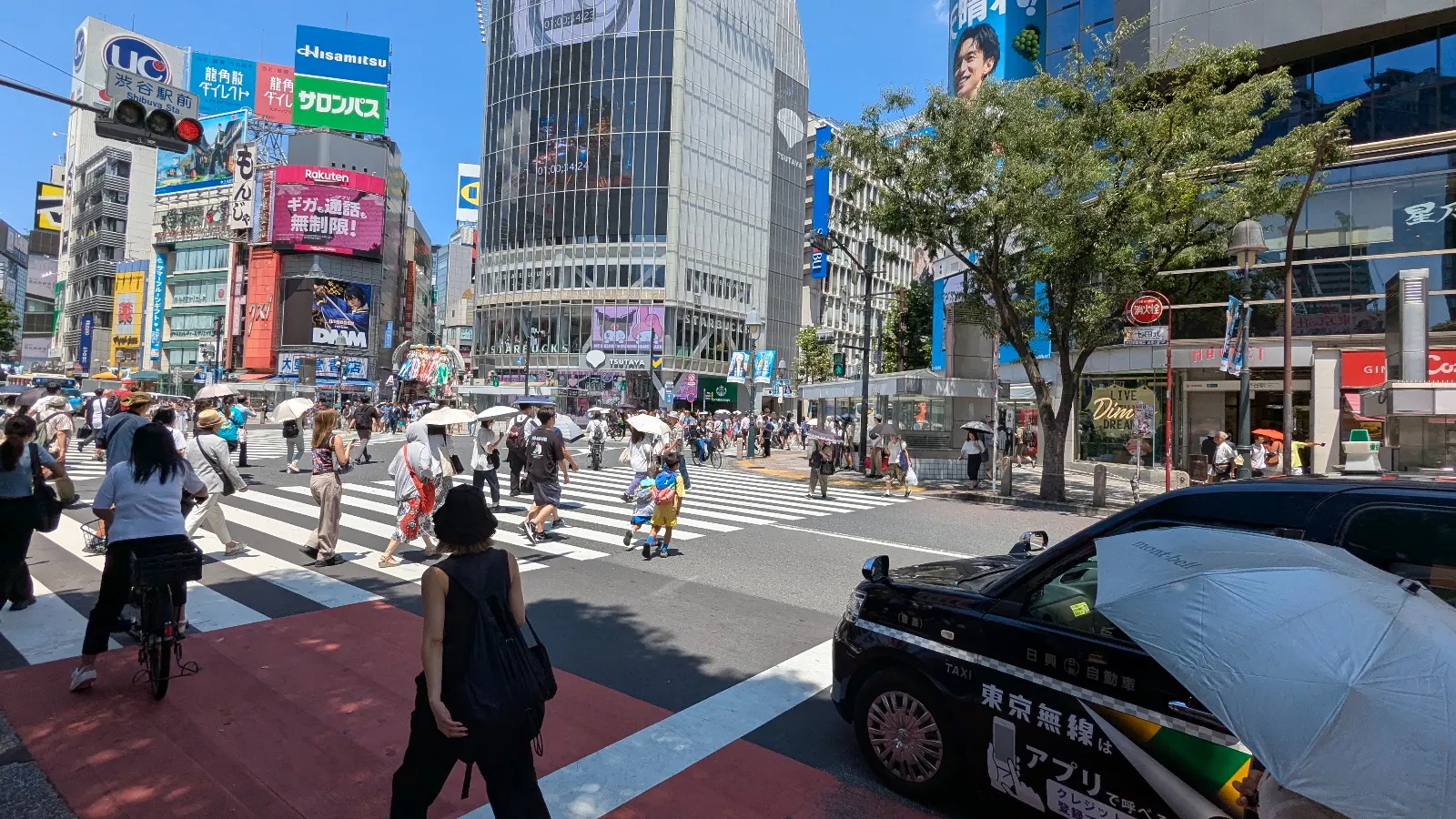
The environment competes with the screen. Teenagers are calibrated for high-stimulation input, and the common worry that Japan is too cultural or too slow for a digitally native generation collapses the moment you step out of Shibuya Station. The visual density of central Tokyo, the neon scale of Shinjuku at night, the silent kinetic order of thousands crossing an intersection without a single collision: none of it requires context or a history degree. It lands immediately, and it consistently outcompetes whatever is on the phone.
The safety margin creates real independence. The most significant friction in teen travel is the autonomy gap. Teenagers want freedom; parents want safety. In most major cities those two priorities are structurally in conflict. In Japan they are not. The crime rate is among the lowest of any major travel destination in the world, which means you can extend a leash that would feel irresponsible in Paris, New York, or Sydney. Letting them walk a block ahead, sending them into a department store while you wait at the cafe next door, letting them navigate the platform and meet you at the exit: these micro-independence moments are what turn a reluctant passenger into an active traveler.
Culture arrives through the side door. Teens who claim to hate cultural tourism are usually reacting to a delivery mechanism: the passive museum, the guided tour in front of something they have no frame of reference for. Japan bypasses this entirely, because culture here arrives through the texture of daily life. The etiquette of a convenience store, the discipline of a queue at a ramen ticket machine, the silence on a packed commuter train. This is the lens The LUNI Framework brings to the question. Most family travel advice treats a teenager as a logistics problem. The framework treats the question as what a child can absorb and what they can carry, which is why Japan reads as an unusually good fit for this age rather than a tolerable one.
What teens actually respond to.
Parents typically plan Japan around what they find meaningful: historic temples, kaiseki dinners, scenic landscapes. Teenagers come home talking about something else entirely.
The konbini is a cultural institution. Japanese convenience stores, primarily 7-Eleven, Lawson, and FamilyMart, are not comparable to their Western counterparts in any meaningful way. They are full-service food operations with rotating seasonal menus, high-quality onigiri and hot food, an enormous drink range, and category-specific lines that include anime tie-ins and regional exclusives. Giving a teenager a daily konbini budget and genuine autonomy over breakfast and the late-night snack hands them ownership of their own routine in a low-stakes, high-satisfaction way. It is often the entry point to the entire trip.
Micro-neighborhood specificity does the matching for you. Japanese cities are organized into districts with identities specific enough to map onto an individual teenager’s interests with unusual precision. Akihabara is not a shopping area, it is a dedicated ecosystem for gaming, anime, electronics, and figure collecting, with maid cafes and manga cafes folded in. Harajuku’s Takeshita Street is a specific aesthetic world with its own visual rules. Shibuya’s Scramble serves the teen who wants urban Japan at full intensity, and Ikebukuro’s gachapon halls serve the one who wants the tactile ritual of capsule machines. You can plan days by matching the district to the teen rather than dragging everyone through a generalist itinerary.
Gachapon converts dead time into a hunt. The capsule toy machines found in rows throughout major stations, and in dedicated halls such as Sunshine City in Ikebukuro, are among the most reliably engaging activities for teenagers who claim to have outgrown souvenirs. The format is participatory, tactile, and produces an object of genuine quality. A useful detail many parents miss: most machines run 300 to 500 yen per turn, and many now accept IC cards, so a teenager with a loaded Suica can operate independently without first hunting for a coin-change machine. Knowing that in advance removes the single most common friction at a gachapon hall and keeps the experience moving.
The Shinkansen is private space inside a shared journey. The bullet train gives a teenager their own seat, their own tray, their own window, and a legitimate reason to decompress without it reading as withdrawal. The two-and-a-half-hour Tokyo-to-Kyoto run, with a clear sightline to Mount Fuji, is not dead time. For many teens the Shinkansen legs rank among the most-remembered moments of the trip.
Where Japan will frustrate them.
The goal is not to minimize the friction points but to name them with enough precision that you can plan around them. Read correctly, each one is reserve depletion rather than bad behavior.
Families already track two currencies, money and time. The framework names a third: the teenager’s specific, finite capacity to absorb what a travel day asks of them. Most of what parents read as attitude on day four is that capacity running low, and the three predictable culprits are worth planning around in advance.
The step count is not negotiable. Urban Japan is walked, not driven, and standard sightseeing days routinely produce 15,000 to 20,000 steps. For teenagers whose school days are largely sedentary, that load accumulates by day three and becomes a behavioral variable by day four. The only preparation that actually works is footwear. Comfortable, broken-in walking shoes with genuine support are the single most important packing decision for this age group, and stylish sneakers with no cushioning will end the trip early.
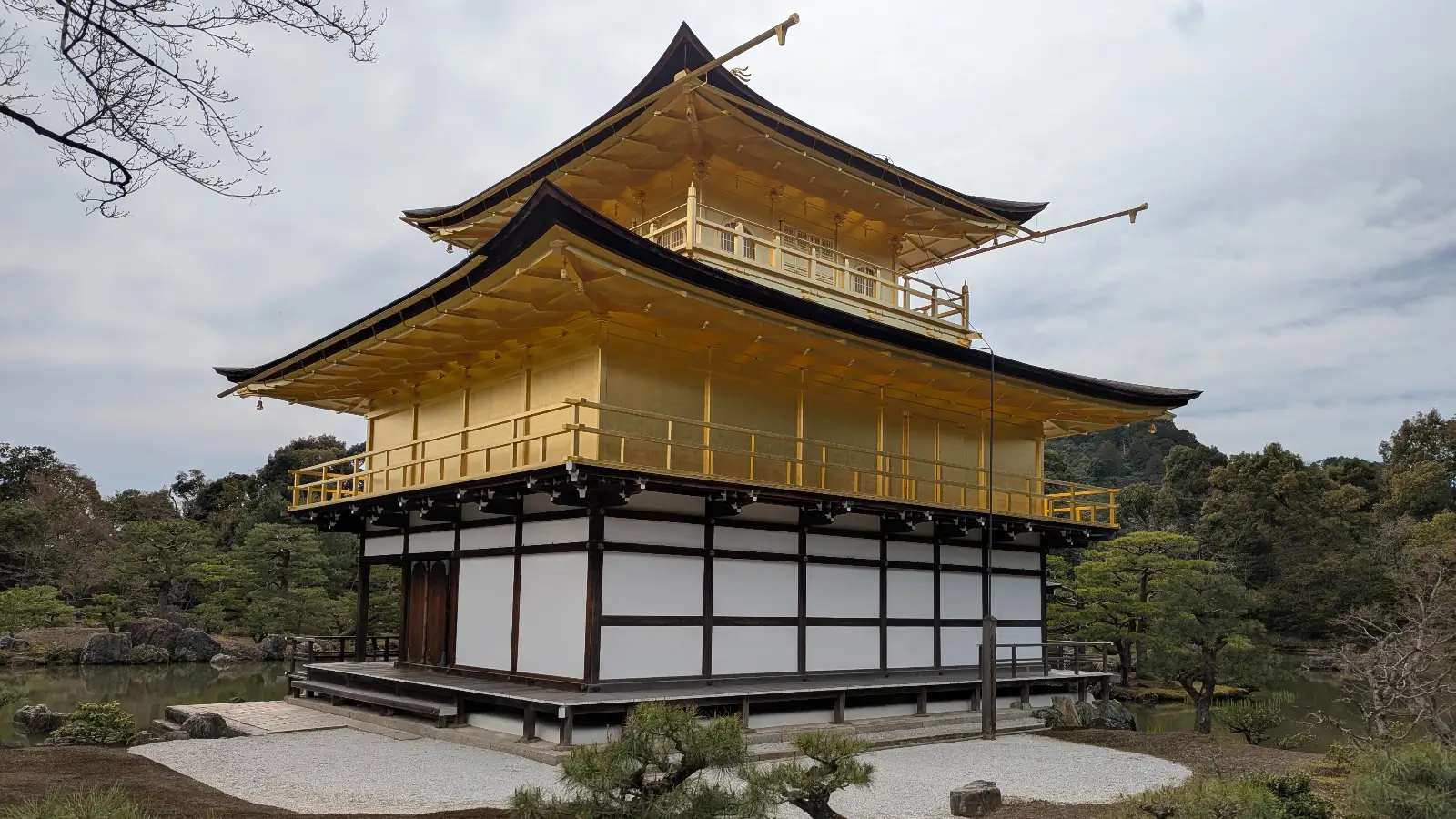
Temple fatigue runs on a predictable timeline. The first major shrine is genuinely arresting regardless of a teenager’s declared interest. The second is interesting. By the fifth, engagement is gone. Japan’s density of historical sites creates a planning trap, the temptation to see everything, and the correct editorial position for teen travel is the One Temple Rule: one ticketed historical site per day, with the rest of the day given to modern exploration, food, and neighborhood-level discovery.
The absence of public trash cans lands badly when it is a surprise. Japan has almost no public waste disposal, and the expectation is that you carry your rubbish until you reach a convenience store or home. For a teenager holding a drink in summer heat with nowhere to put the cup, this is genuinely maddening. Brief them before departure, not during. A designated trash zip-lock in the day bag, plus advance knowledge of the few disposal points at vending-machine banks, konbini entrances, and station platforms, turns a recurring complaint into a non-issue.
Most teenagers have never solved a real logistical problem in an unfamiliar environment without a parent stepping in. Japan’s transit system, its ticket machines, its navigational logic, supplies exactly that context, safely. When a teenager moves the family through a complex station transfer, or recovers from a wrong turn using nothing but a phone and a map, the confidence that produces is not incidental to the trip. It is the trip.
How to structure the days.
The difference between a teen who comes home evangelical about Japan and one who zones out by day four comes down to a few structural decisions made before departure.
Transfer the navigation to them. Japan’s rail network is one of the most logical in the world and also a genuine puzzle that rewards the sequential problem-solving teenagers are developmentally suited for. Hand over the IC card, give them the destination, and let them find the platform. Teenagers with smartphones navigate Japanese transit faster and more accurately than most adults, and the role-shift from passenger to navigator changes their entire disposition toward the itinerary.
Respect the teen sleep architecture. A 6 a.m. departure for Fushimi Inari is reasonable in theory and miserable in practice, and a dawn wake-up contaminates the whole afternoon. The compromise is not to abandon early starts but to deploy them selectively: one pre-crowd morning for a specific high-value site, and a negotiated 9:30 to 10:00 a.m. start for the rest of the trip. Teens who feel their biology is being respected are markedly more cooperative on the days you ask them to push.
Book space, not just rooms. A standard Japanese double is not adequate for a teenager and two parents, and the spatial tension of a small room at the end of a 20,000-step day is a real family-management problem. Apartment hotels, or hotels with connecting-room configurations, solve it structurally. A physical door between teen and parent at the end of the day lets everyone decompress without a negotiated truce.
Connectivity is a prerequisite for freedom. Treating Japan as a digital detox is understandable and counterproductive. For a teenager, the phone is simultaneously the social tether and the logistical safety net. A data-only eSIM or a shared Pocket WiFi unit is what makes the independence possible: with data, a teen can separate from you in a department store, navigate to a meeting point, use camera translation in real time, and call if something goes wrong. Without it, the freedom that makes Japan exceptional for this age simply disappears.
Who needs the schedule calibrated.
Japan suits teen families across almost every configuration. Four profiles tell you where the schedule needs adjusting rather than the destination reconsidered.
The Dynamo depletes through restricted movement, and a culture-heavy day spent largely in low-noise indoor environments gives that energy nowhere to go. A temple does not absorb a Dynamo’s energy, it compresses it. The planning consequence is to give them the active role: a younger teen runs the transit puzzle as a mission, an older one takes a solo district walk to a meeting point, and either way an unstructured outdoor block goes into every day as load-bearing rather than optional.
The Sensor depletes through sensory input, which Japan concentrates in predictable places: a rush-hour carriage, the crowd-and-announcement density of a major shrine approach, and the projection-and-sound rooms of teamLab Planets. The planning consequence is to time those environments deliberately, the high-input venue early before the threshold is low, with a quieter recovery stop held in reserve immediately after, rather than stacking two intense venues back to back. A younger teen may need the recovery sooner; an older one can often push later into the day.
The Anchor depletes through unfamiliarity and unconfirmed structure, which for teens surfaces most often around the shape of the day and around food. The planning consequence is to confirm the next day’s plan the night before so it is not an open question, and to let the predictability of the konbini anchor breakfast. A younger teen leans on the fixed routine; an older one will accept more improvisation once the spine of the day is confirmed.
The Sprinter depletes through sustained travel-style walking and standing, and a typical Japan day runs 15,000 to 20,000 steps. The planning consequence is to anchor the highest-value activity in the morning when physical capacity peaks, and to let the afternoon be genuine rest rather than a second attempt to spend the same reserve twice. A younger teen may need a true mid-afternoon stop; an older one can often trade it for a slower, seated evening.
The questions families ask most.
What is the best age for teenagers to visit Japan?
The most effective range is 12 to 16. At this stage teenagers are old enough to navigate independently, manage an IC card, and engage with the cultural texture of the country, yet still young enough to find vending machine culture, capsule toys, and convenience stores genuinely engaging rather than ironic. Older teens of 17 to 19 still travel well, but the sense of wonder is harder to guarantee.
Is Japan actually good for teenagers, or is it more of an adult destination?
Japan is genuinely well suited to teenagers, and in several respects more so than to younger children. The density of pop culture, street-level stimulation, and micro-neighborhood specificity maps directly onto teenage interests, and the low-crime environment allows a degree of independent movement most adult destinations cannot offer. Teenagers who engage with Japan actively rather than passively consistently rate it among the best trips they have taken.
Is Japan safe for a teenage girl traveling with some independence?
Japan is consistently among the safest countries in the world for independent movement. It is not uncommon for Japanese children as young as six to commute alone by train. Standard street awareness applies everywhere, but the structural risk level is significantly lower than in comparable urban destinations in the United States or Europe. Teen girls with data connectivity and a clear meeting-point protocol can move through major Japanese cities with a high degree of independence.
Do teenagers need their own IC card?
Yes. IC cards such as Suica, Pasmo, or ICOCA are individual transit instruments, and a single card cannot be shared at the gate. If your teenager has a recent iPhone or compatible Android device, a digital Suica added to their phone wallet is the most practical solution. It removes the need to carry a physical card and allows tap-to-pay at convenience stores and vending machines.
How should we handle connectivity for a teenager in Japan?
Public WiFi in Japan is inconsistent enough to be unreliable as a primary data source. Either a data-only eSIM loaded before departure or a rented Pocket WiFi unit shared across the family are the two practical options. The eSIM is the cleaner solution for teenagers specifically, as it removes any dependency on a shared physical device and gives them independent connectivity for navigation, translation, and meeting-point coordination.
Which theme park is most appropriate for teenagers, DisneySea or Universal Studios Japan?
Most teenagers with no strong Disney attachment prefer Universal Studios Japan in Osaka for the Super Nintendo World and Harry Potter areas. Tokyo DisneySea is worth considering because it is not replicable anywhere else in the world and skews slightly older and more sophisticated than Disneyland in both design and ride selection. If thrill rides are the primary draw, Fuji-Q Highland near Mount Fuji operates some of the most intense roller coasters in the world and is a credible alternative to both.
Will a teenager with no interest in history or temples get anything out of Japan?
Yes, and this is the most common misconception parents bring to Japan planning. Cultural engagement here does not require an existing interest in history. The country delivers it through the mechanics of daily life: the transit system, the convenience store, the social etiquette, the urban design. A teenager who finds conventional museum visits tedious will still come home with genuine observations about how Japanese society functions, which is cultural engagement arrived at through a different entry point.