The Nagasaki Family Travel Hub

Nagasaki,
for families.

Nagasaki sits at the western edge of Kyushu, the only Japanese port that stayed open to the outside world for two and a half centuries, and the city still wears that history visibly. Trams replace subways, hillsides replace skyline, and the texture of the place leans cultural rather than kinetic. Families who route here trade landmark intensity for a calmer, more atmospheric Japan than the Golden Route delivers.
Recommended stay
2 nights
Best base
Nagasaki Station
Strongest profiles
Sensor & Sprinter
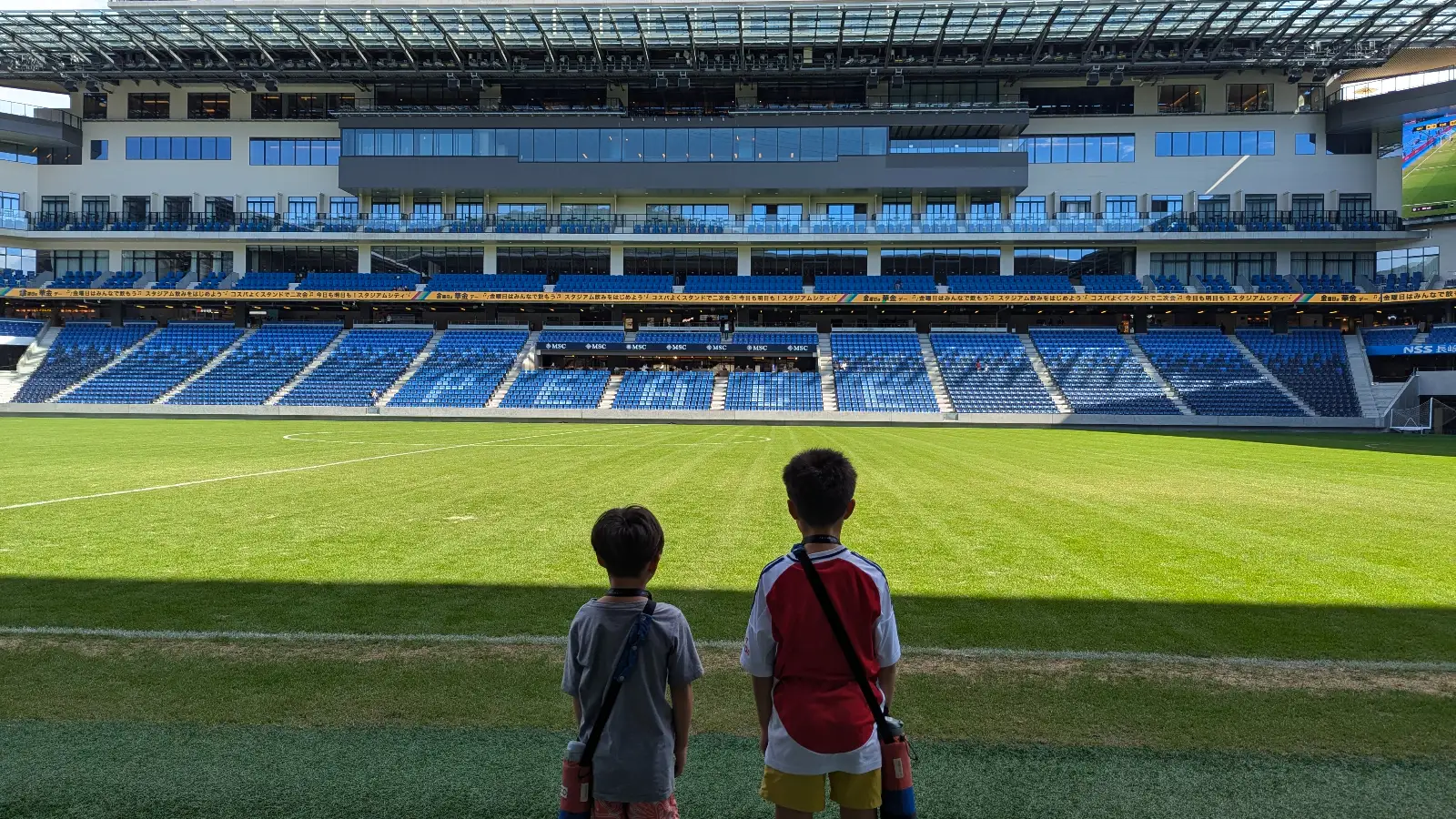
Luca and Nico on the field at Peace Stadium in Nagasaki, Japan
Start Here

Four ways to orient yourself before you plan.

A complete city guide, a profile quiz, the framework that powers every recommendation on this site, and the wider Japan context. Begin wherever the question feels most urgent.

Stage 1: Where to Base Your Family

Choose your basecamp before anything else.

Nagasaki is a tram city built across hills, and the wrong neighborhood adds slopes and tram transfers to every family day. The base decision shapes how walkable the trip feels far more than the hotel itself.
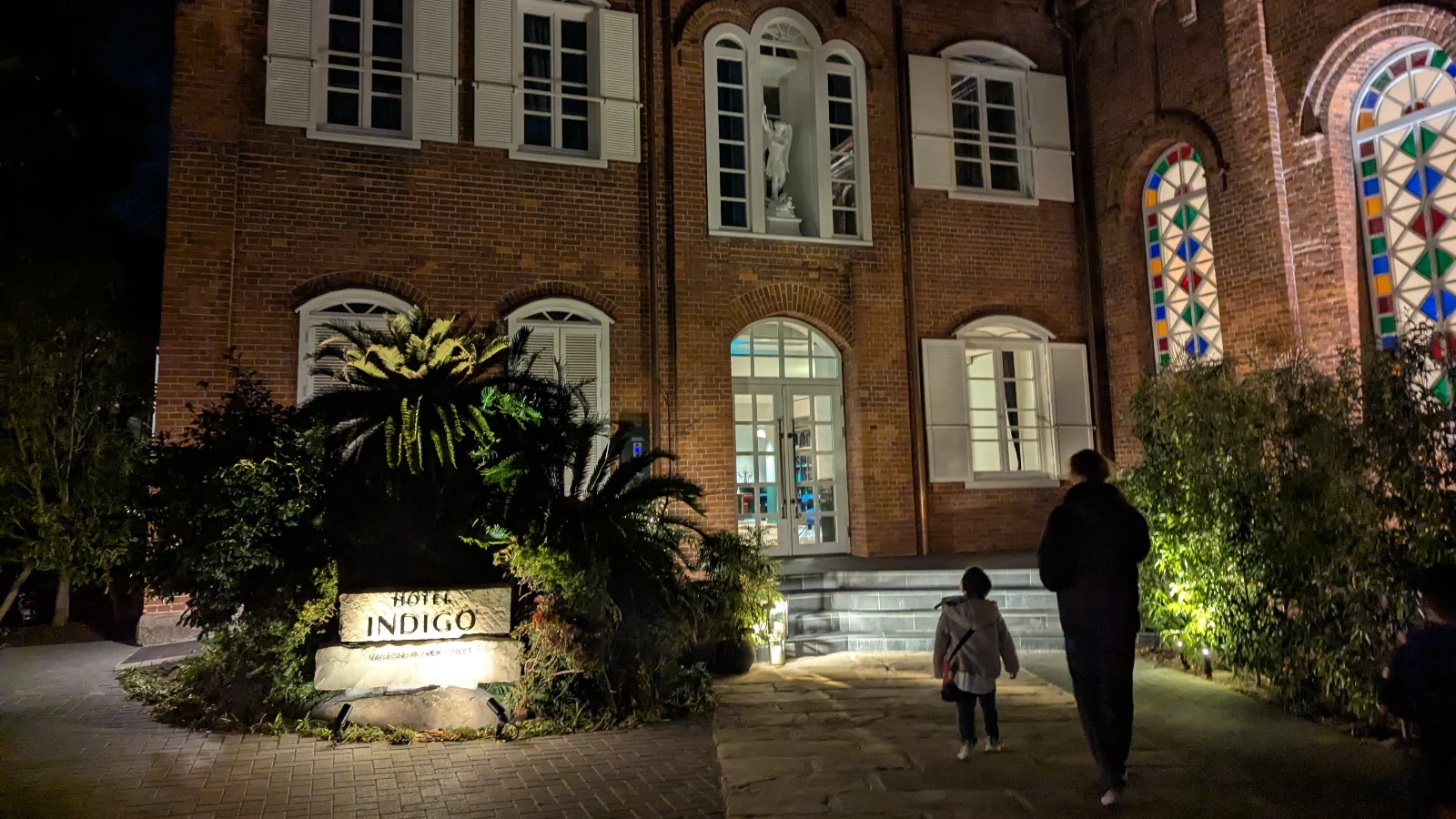
Luca and Nico arriving at the Hotel Indigo Nagasaki entrance at night near Nagasaki Station, Nagasaki
01 / Where to Sleep
Nagasaki Station Area
Best base for first-time families & multi-city trips
The strongest practical family base in Nagasaki. The Nishikyushu Shinkansen terminus, the central tram interchange, and the highest concentration of family-grade hotels in the city all sit within a few flat blocks of the station. Arrival days are simpler here than anywhere else in Nagasaki, and the tram lines fan out from the station to the Peace Park, Chinatown, and Glover Garden without requiring a transfer.
02 / Walkable Density Choice
Chinatown & Glover Garden
Best for atmosphere & walkable sightseeing
The Shinchi Chinatown and Minamiyamate hillside form Nagasaki’s most atmospheric stretch, with Dejima, the old foreign settlement, Oura Cathedral, and Glover Garden all reachable on foot or by one tram stop. Evenings stay quiet once the day-tour buses leave. Hotel inventory leans boutique and mid-tier rather than family-suite, and the Glover Garden side carries a real slope that strollers and lower-stamina kids feel by day two.
03 / Scenic-Quiet Choice
Mt. Inasa Area
Best for sunset views & quiet bayside evenings
The Inasayama side of the bay carries Nagasaki’s signature night view from the Mt. Inasa ropeway, and a handful of waterfront hotels along the Urakami River trade central access for genuine quiet and an evening payoff. The trade-off is real: the area requires a bus or tram crossing to reach the Peace Park and Chinatown each morning, which adds a layer of friction that station-based families avoid.
Stage 2: What to Do in Nagasaki

Nagasaki by category, filtered by profile.

Select your child’s Family Fit™ profile to instantly see which Nagasaki attractions suit them. Missing a profile label means that attraction isn’t the best fit.

Filter by Family Fit™ Profile
No attractions found for this profile.
Try another profile, or select All Attractions above.
Prefer a Curated Path?

Nagasaki itineraries built for families.

Browse the full Japan family itinerary index for ready-made frameworks, including the multi-city Kyushu routes that fold Nagasaki into a wider regional trip alongside Fukuoka.

Stage 3: Getting Around Nagasaki

Nagasaki transit for families.

Nagasaki runs on a five-line tram network that reaches almost every family-relevant attraction in the city, with the Nishikyushu Shinkansen handling the inter-regional work. The good news for families is that the tram is flat, frequent, and stroller-tolerant. The harder questions are national: which rail pass pays off, how to manage the Shinkansen leg, and how to keep luggage out of the equation. Four guides resolve every transit decision a family faces.
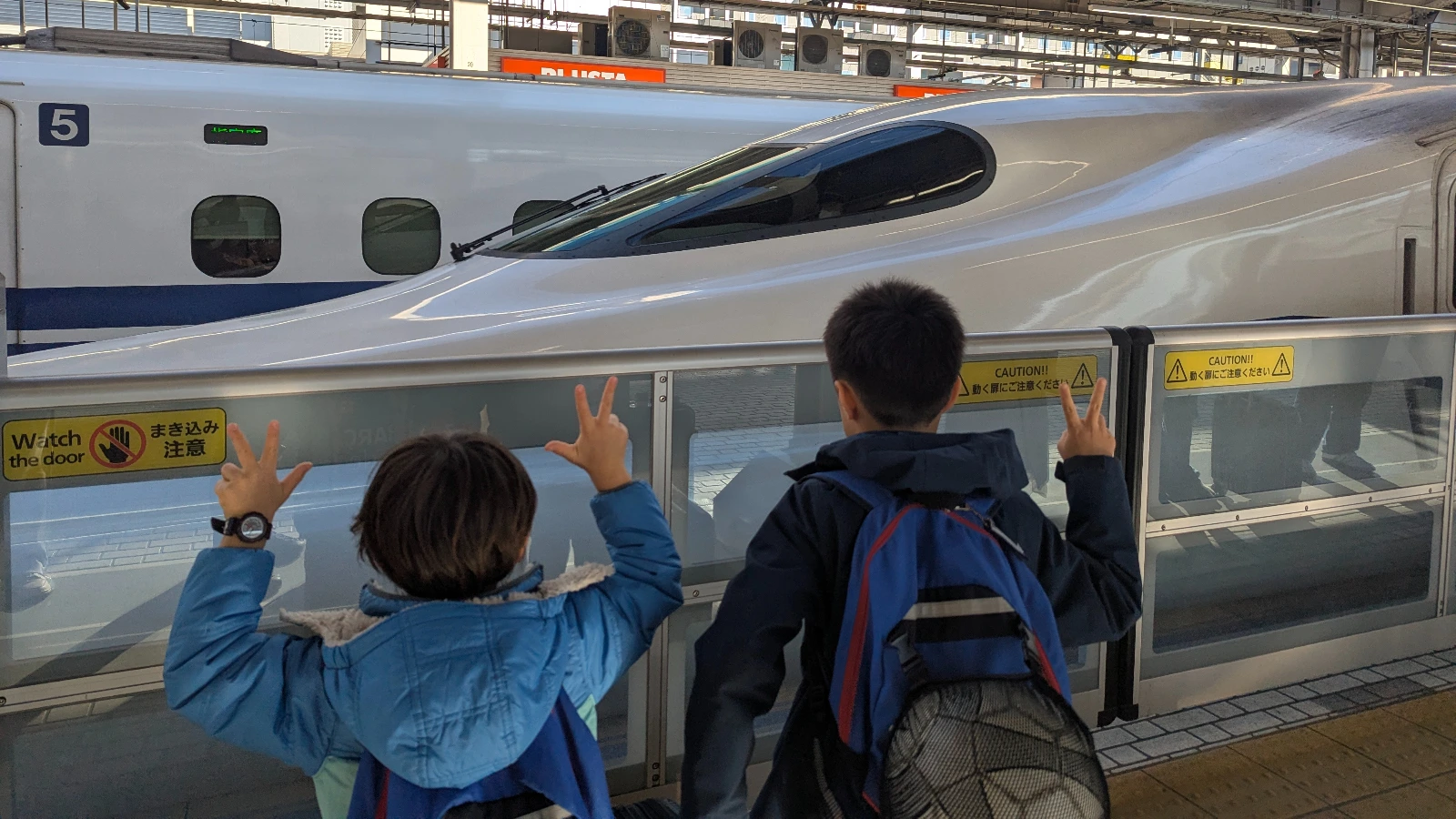
Luca and Nico raising peace signs at a Shinkansen pulling into the platform, train travel in Tokyo with kids