
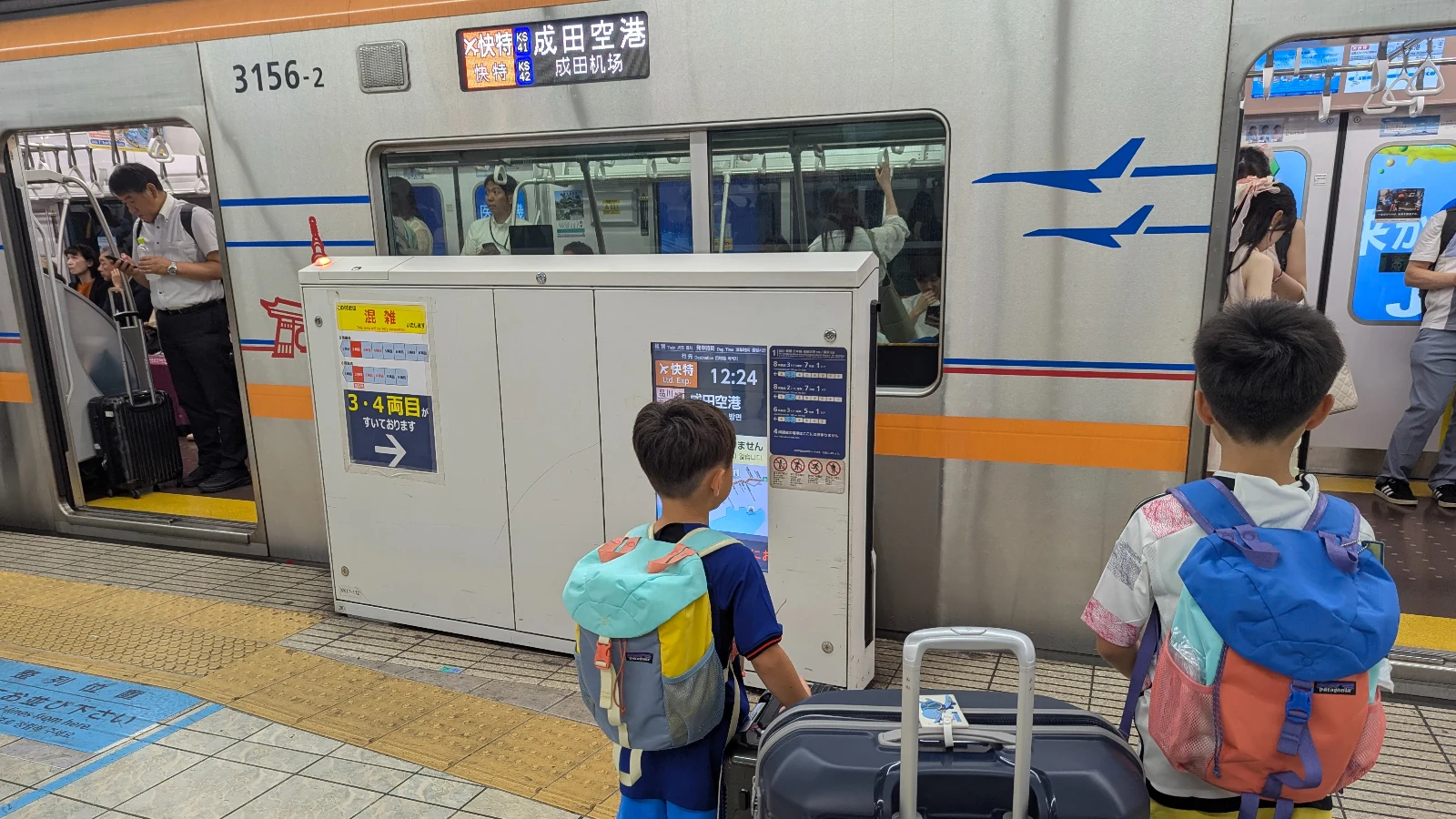
Japan is frequently misread as a luxury-only destination for families. That assumption is wrong, and it is costing families the trip they deserve. A well-planned family of four can move through Japan comfortably on ¥25,000 to ¥35,000 per day at a budget level, ¥35,000 to ¥58,000 at mid-range, and ¥70,000 or more for a premium experience. The variables are specific, predictable, and largely within your control.
This guide breaks down every major cost category for families traveling Japan in 2026: flights, accommodation, transportation, food, and attractions. The numbers here are honest. The strategies are tested. All approximate conversions use ¥145 = $1 and ¥160 = €1.
For a complete foundation, including where to stay, how to get around, and what to do with kids across the country, begin with the Japan Family Travel Hub.
How Much Does a Family Trip to Japan Cost?
A budget family of four should plan for ¥25,000 to ¥35,000 per day. A mid-range family spending comfortably should expect ¥35,000 to ¥58,000 per day. Luxury travel with premium ryokan, private transfers, and fine dining runs ¥70,000 or more per day.
| Travel Style | Daily Cost (JPY) | Accommodation | Food | Transport | Attractions |
|---|---|---|---|---|---|
| Budget | ¥25,000 to ¥35,000 | Business hotels, guesthouses | Konbini, casual eateries | IC cards, discount passes | Free and low-cost sights |
| Mid-Range | ¥35,000 to ¥58,000 | Mid-range hotels, budget ryokan | Ramen, family restaurants, kaiten sushi | Public transport, occasional taxi | Major attractions, some paid experiences |
| Luxury | ¥70,000+ | High-end hotels, luxury ryokan | Premium dining, multi-course kaiseki | Private transfers, first-class rail | Private tours, premium experiences |
Budget
Mid-Range
Luxury
Families of five or more should add approximately 20 to 25% to the figures above. Food and attraction costs scale per person. Accommodation is the biggest variable: larger family rooms or two separate rooms will increase nightly costs compared to a standard quad configuration.

What Drives Your Japan Family Budget
| Cost Factor | How It Affects Your Budget |
|---|---|
| Season | Peak periods (cherry blossom, autumn foliage, Golden Week, Obon) raise accommodation prices significantly |
| Accommodation type | City-center hotels cost more than suburban alternatives; ryokan pricing varies based on whether meals are included |
| Food choices | Konbini and casual dining keep costs low; specialty restaurants and depachika dining increase spend quickly |
| Transportation style | Regional passes and IC cards are efficient; taxis and private transfers add up fast |
| Attractions | Many of Japan’s best sights are free; theme parks and major museums increase daily totals |
Season
Accommodation Type
Food Choices
Transportation Style
Attractions
Parent Insight: Budget decisions shape the texture of a trip more than most parents anticipate. Choosing to spend less on a crowded theme park and more on an unhurried morning at a neighborhood shrine, or a single excellent meal at a local restaurant, tends to produce the memories children carry longest. Travel teaches children to find value in experiences rather than transactions, but only when parents model that themselves. The trip does not need to be expensive to be meaningful.
Japan demands 15,000 to 20,000 steps a day, and the difference between a memorable trip and a daily meltdown comes down to one thing: knowing your child’s exact physical and sensory threshold before you lock in non-refundable bookings.
Take the free, 60-second Family Fit Check to discover your child’s travel profile and get the exact pacing strategies that prevent a breakdown on day three.
Best Time to Visit Japan with Kids on a Budget
Timing is one of the highest-leverage budget decisions a family can make. The same hotel that costs ¥18,000 per night in February can double during cherry blossom peak. The calendar below gives families a clear picture of what to expect at each travel window.
| Travel Period | Cost Level | What Families Can Expect | Budget Tips |
|---|---|---|---|
| January to FebruaryExcluding New Year’s week | Lowest | Fewer tourists, lower prices, cooler weather. Excellent for city sightseeing and indoor attractions | Pack warm layers; focus on museums, aquariums, and covered spaces |
| Late March to Early AprilCherry Blossom Season | High | Peak tourist season with beautiful scenery but crowded cities and elevated accommodation prices | Book 6 or more months ahead, or stay outside major city centers |
| Late April to Early MayGolden Week | Very High | One of Japan’s busiest travel periods; transport and hotels sell out quickly | Avoid if possible, or lock in all bookings far in advance |
| JuneBefore summer rush | Low | Cheaper flights and hotels, lighter crowds; rainy season begins but showers are typically short | Plan flexible days mixing outdoor and indoor activities |
| Mid-AugustObon Festival | High | Major domestic travel period; higher prices and packed trains | Travel regionally, avoid major hubs, and reserve seats early |
| NovemberAutumn Foliage | High | Stunning fall colors, mild weather, strong tourist demand | Visit early or late in the season and book well ahead |
| Late December to Early JanuaryNew Year’s Holiday | Very High | High domestic travel, limited hotel availability, many attractions closed for holidays | Confirm opening days in advance and avoid peak New Year dates |
January to February
Late March to Early April
Late April to Early May
June
Mid-August
November
Late December to Early January
Peak Season Strategies:
- Book flights and hotels six or more months in advance to lock in lower prices before demand spikes.
- Stay just outside tourist hotspots where neighborhoods offer better value at equivalent quality.
- Use city attraction passes and transport passes to reduce daily spend on transit and admissions.
How to Find Affordable Flights to Japan for Families
Flights represent the largest single expense for most international families traveling to Japan. The strategies below reduce that cost without sacrificing flexibility.
When to Book: The optimal booking window for international flights to Japan is three to six months in advance. Last-minute deals are rare. Set price alerts via Google Flights, Skyscanner, or Momondo and move quickly when fares drop.
Budget Airlines Worth Considering:
| Airline | Based In | Best For | Why It Saves Money |
|---|---|---|---|
| ZIPAIR Tokyo | Japan | Long-haul flights to Japan | Low base fares with optional add-ons; lie-flat seats at accessible prices |
| Scoot | Singapore | Flights from Southeast Asia | Consistently competitive fares with frequent promotions |
| AirAsia | Southeast Asia | Regional Asia connections | Wide route network and aggressive pricing |
| Jetstar Japan | Japan | Domestic Japan travel | One of the cheapest city-to-city options within Japan |
| Peach Aviation | Japan | Domestic and regional routes | Reliable budget carrier with strong Japan network |
ZIPAIR Tokyo
Scoot
AirAsia
Jetstar Japan
Peach Aviation
Airport Selection:
| Airport | City | Why It’s Cheaper | Best For Families Who… |
|---|---|---|---|
| Haneda (HND) | Tokyo | Closer to the city, lower transfer costs | Want faster and cheaper access to central Tokyo |
| Kansai (KIX) | Osaka | Often cheaper than Tokyo airports | Plan to begin in Osaka or Kyoto |
| Chubu (NGO) | Nagoya | Lower demand than Tokyo airports | Want a central Japan starting point |
| Fukuoka (FUK) | Fukuoka | Regional hub with competitive fares | Are exploring Kyushu first |
| New Chitose (CTS) | Sapporo | Cheaper seasonal fares | Are visiting Hokkaido or traveling in winter |
Haneda (HND)
Kansai (KIX)
Chubu (NGO)
Fukuoka (FUK)
New Chitose (CTS)
Flying into one city and departing from another can reduce the overall airfare cost compared to a traditional round-trip ticket. Osaka arrival and Tokyo departure is a particularly efficient routing for families planning a multi-city itinerary.
Skip Expensive Airport Transfers:
| Airport | Expensive Option | Budget Alternative | Cost | Why It’s Better |
|---|---|---|---|---|
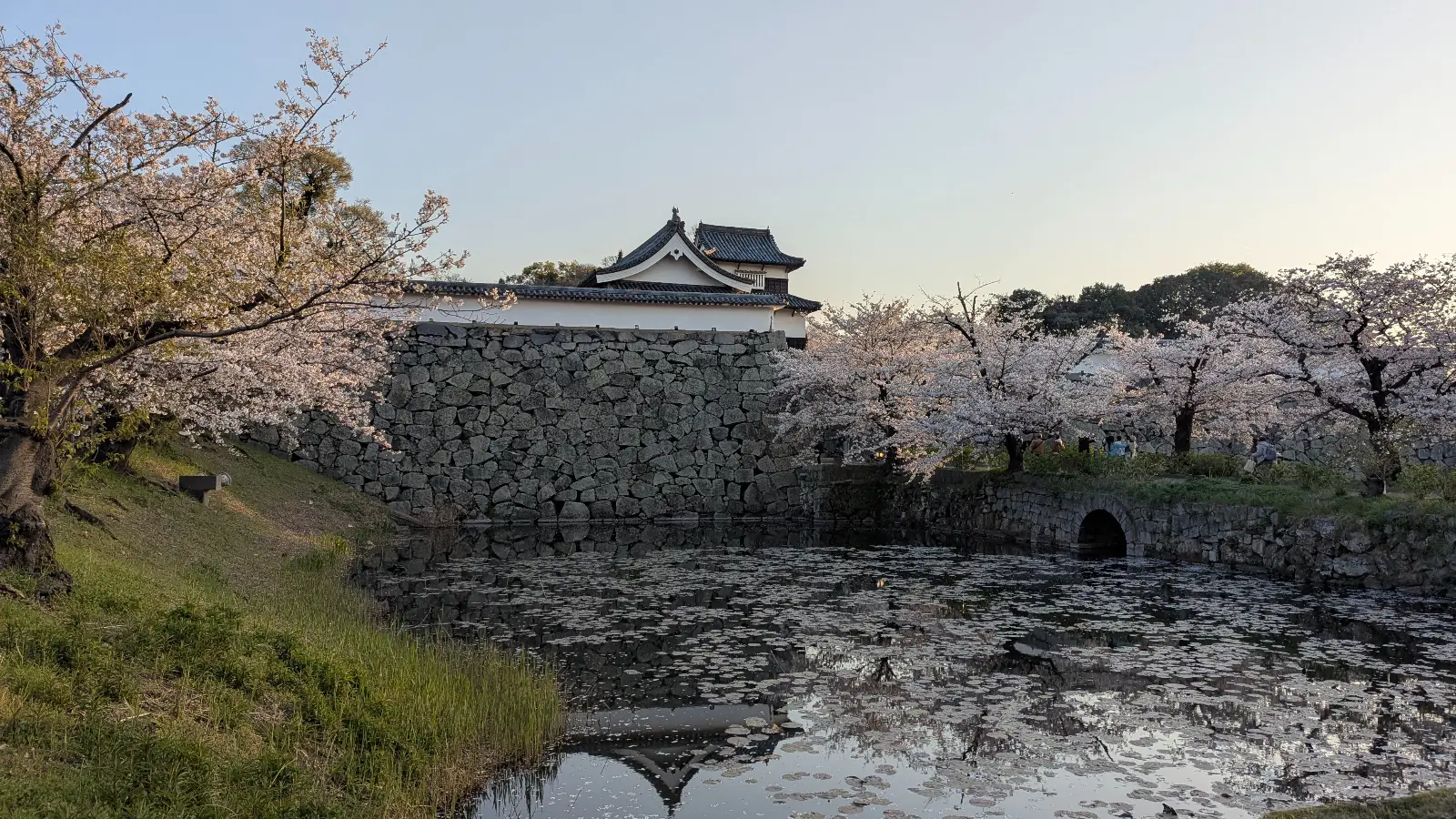
| Narita (Tokyo) | Taxi to central Tokyo ($100+) | Keisei Skyliner | ¥2,570 | Fast, direct, far cheaper than any taxi |
| Narita (Tokyo) | Taxi to central Tokyo ($100+) | Narita Express | ¥3,070 | Comfortable, luggage-friendly, no transfers |
| Kansai (Osaka) | Private car or taxi ($100+) | Nankai Rapi:t Train | ¥1,400 | Direct airport-to-city at a fraction of the cost |
Narita (Tokyo) — Keisei Skyliner
Narita (Tokyo) — Narita Express
Kansai (Osaka) — Nankai Rapi:t Train
The LuNi Intel: ZIPAIR permits passengers to bring their own food onboard. Pick up onigiri or a bento from the airport konbini before boarding. The difference in cost between airplane food and a convenience store bento for a family of four is not trivial.
Where to Stay in Japan with Kids on a Budget
Accommodation in Japan is clean, well-managed, and available across a wide price range. The key for families is knowing which category to book, and where the hidden costs lie.
Budget Hotel Chains:
| Hotel Chain | Typical Price Range | Why Families Use It | Notable Extras |
|---|---|---|---|
| APA Hotels | ¥12,000 to ¥18,000 | Clean, affordable, near major stations | Very reliable; rooms are compact |
| Toyoko Inn | ¥12,000 to ¥18,000 | Consistent comfort, family-friendly pricing | Free breakfast adds genuine daily value |
| Super Hotel | ¥12,000 to ¥18,000 | Good option for families with children | Bunk-bed rooms available; eco-focused |
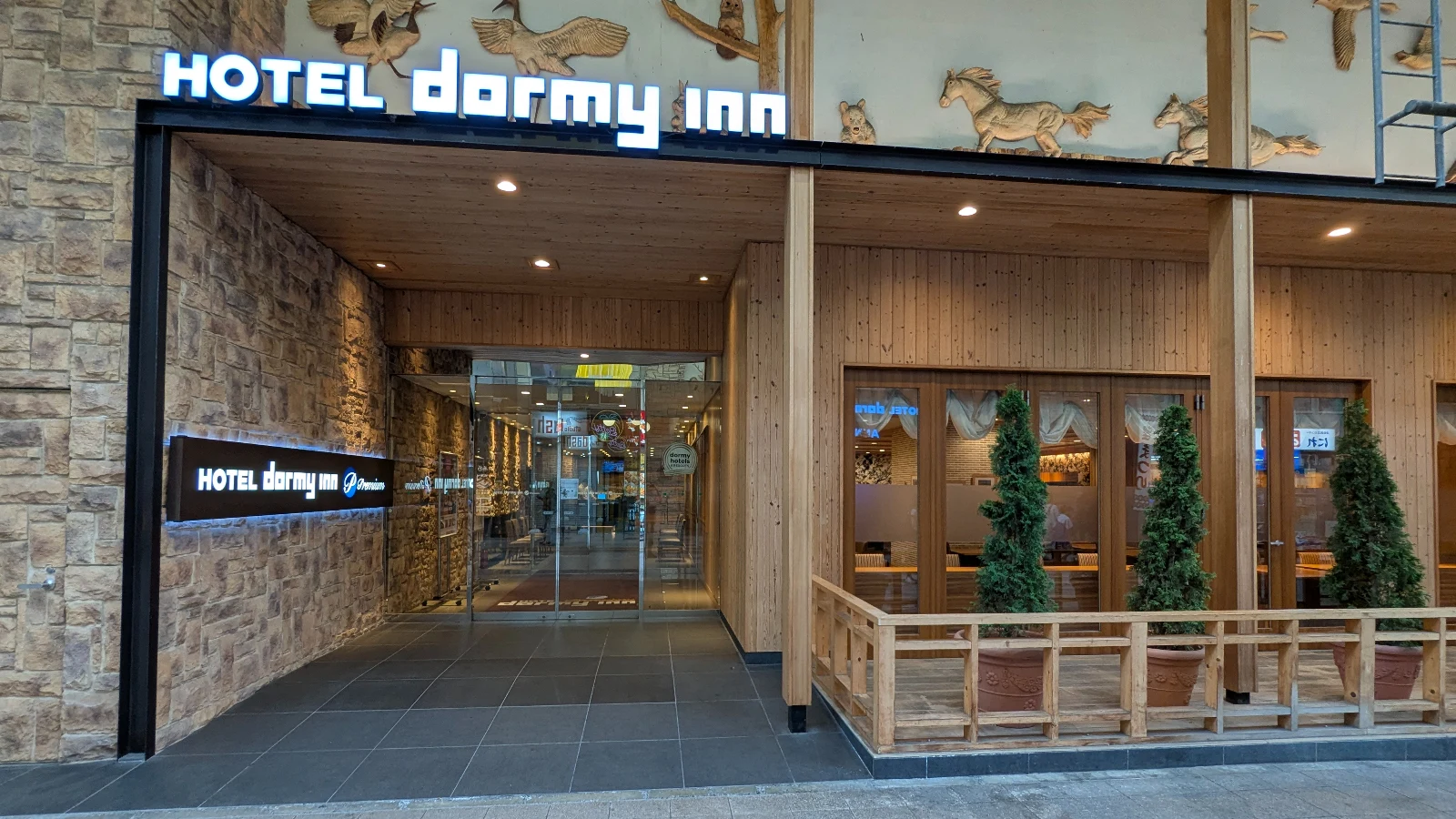
| Dormy Inn | ¥15,000 to ¥25,000 | More comfort than standard budget properties | Free late-night ramen and onsen baths |
APA Hotels
Toyoko Inn
Super Hotel
Dormy Inn
Many Japanese hotels charge per person rather than per room. Always verify the total before confirming a booking.
Vacation Rentals and Family Hostels: Airbnb-style apartments work well for larger families or those who need a kitchen. Look specifically for Minpaku-registered homes, which are officially licensed for short-term rental. Family-friendly hostels including K’s House (Tokyo, Kyoto, Hiroshima) and J-Hoppers offer private family rooms with shared common areas.
Ryokan on a Budget: A traditional inn stay is one of Japan’s most memorable family experiences, and it does not require a premium price. Stay in smaller towns rather than city centers, choose guesthouses with simple tatami rooms rather than full-service inns, and book a room-only rate rather than the dinner-included option. Onsen towns such as Kinosaki Onsen and Kusatsu Onsen offer atmospheric budget ryokan that deliver the cultural experience without the luxury markup.
How to Save on Transportation in Japan for Families
Japan’s public transport network is among the most reliable in the world. Keeping costs manageable is a matter of choosing the right pass structure for your specific itinerary.
Is the Japan Rail Pass Worth It for Your Family?
| JR Pass IS Worth It If… | JR Pass Is NOT Worth It If… |
|---|---|
| You are traveling long distances (Tokyo to Kyoto to Fukuoka) | You are staying in one city |
| You plan multiple Shinkansen trips within 7, 14, or 21 days | You are traveling short distances where regional passes are cheaper |
| Full high-speed rail fares would otherwise accumulate quickly | You are using budget airlines or overnight buses for intercity travel |
JR Pass IS Worth It If…
JR Pass Is NOT Worth It If…
For families concentrating their itinerary within a single city or region, regional passes and IC cards (Suica, Pasmo, Icoca) consistently outperform the national JR Pass on value.
Budget Intercity Transport Options:
| Option | Best For | Why It Saves Money | Trade-Offs | Cost Level |
|---|---|---|---|---|
| Night Buses Lowest cost option | The cheapest long-distance option | Significantly cheaper than Shinkansen; saves a night of accommodation | Longer travel time; comfort varies for younger children | Lowest |
| Budget Airlines Low cost option | Long-distance routes | Can cost less than bullet trains on longer journeys | Baggage fees and airport transfers add time | Low |
| Car Rental Variable cost | Rural or spread-out regions | Often cheaper than trains for multiple close-together destinations | Tolls, fuel, and parking add up | Variable |
Night Buses
The cheapest long-distance option
Budget Airlines
Long-distance routes
Car Rental
Rural or spread-out regions
Discount Passes Worth Knowing:
- Tokyo Subway Pass: 24h, 48h, or 72h unlimited metro access
- Osaka Amazing Pass: Unlimited train rides plus free entry to 40+ attractions
- Kyoto Bus and Subway Pass: The most efficient way to cover Kyoto’s temple districts
In walkable cities, including Kyoto, Nara, and large parts of central Tokyo, families reduce transport costs significantly simply by planning pedestrian-friendly routes.
RELATED GUIDE
Affordable Food in Japan for Families
Japan is one of the easiest countries in the world to eat well for very little money. The difficulty is not finding affordable food. The difficulty is choosing between all of it.
Best Budget Meals for Kids and Parents:
| Meal Type | Where to Go | Typical Cost | Why It Works for Families |
|---|---|---|---|
| Kaiten SushiConveyor Belt | Kura Sushi, Sushiro, Hama Sushi | ¥100+ per plate | Small portions are perfect for kids; touchscreen ordering adds novelty |
| Ramen | Ichiran, Ippudo, local stalls | ¥800+ per bowl | Warm, filling, and widely loved by children |
| GyudonBeef Bowl Chains | Sukiya, Yoshinoya, Matsuya | ¥400+ per bowl | Fast, affordable, and reliably kid-approved |
| Japanese Curry | CoCo Ichibanya, local curry shops | ¥700+ per plate | Mild and slightly sweet; customizable spice levels for picky eaters |
| Family Restaurants | Saizeriya, Gusto | ¥500 to ¥900 per person | Kids’ menus available; free drink bars keep children happy |
Kaiten Sushi
Ramen
Gyudon
Japanese Curry
Family Restaurants
Konbini and Supermarket Strategy: Japan’s convenience stores (konbini) are a legitimate meal solution, not a fallback. Onigiri cost ¥100 to ¥200 each. Bento boxes run ¥400 to ¥700. Sandwiches and salads fall between ¥300 and ¥600. Visiting a supermarket after 7 PM consistently yields discounted bento boxes, often marked down 20 to 30% on fresh evening stock.
Japan’s tap water is safe. A reusable bottle eliminates all bottled water costs across a multi-week trip. Tipping is not practiced in Japan, saving the automatic addition most families unconsciously build into food budgets abroad.
Free and Low-Cost Things to Do in Japan with Kids
Japan’s most memorable family experiences are frequently free. The cost of a trip is not a measure of its quality.
Best Free Parks and Gardens:
| Park or Garden | Why It Works for Families |
|---|---|
| East Garden of the Imperial PalaceTokyo | Historic grounds with wide paths and open lawns |
| Ueno ParkTokyo | Museums, a zoo, playgrounds, and seasonal cherry blossoms in one location |
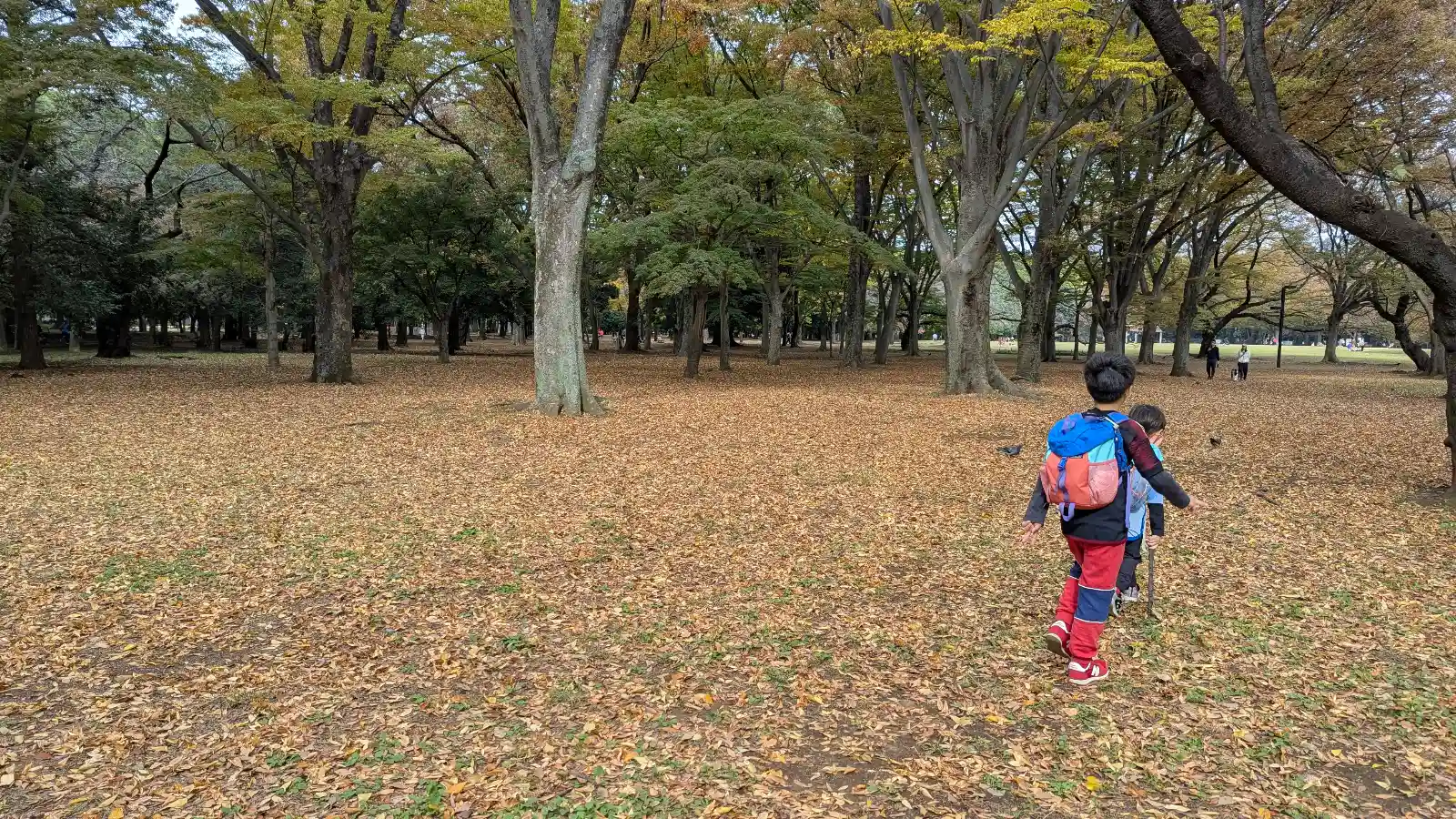
| Yoyogi ParkTokyo | Open green space with bike rentals and weekend street performers |
| Osaka Castle ParkOsaka | Scenic castle grounds, ideal for picnicking and walking |
East Garden of the Imperial Palace
Ueno Park
Yoyogi Park
Osaka Castle Park
Free Shrines and Temples:
| Temple or Shrine | Why It Works for Families |
|---|---|
| Meiji ShrineTokyo | Forest paths with space to breathe and walk at a relaxed pace |
| Fushimi Inari ShrineKyoto | Thousands of torii gates create a genuinely adventurous walk; best at early morning or evening |
| Senso-ji TempleTokyo | Iconic temple paired with a market street full of affordable snacks and souvenirs |
Meiji Shrine
Fushimi Inari Shrine
Senso-ji Temple
Budget Animal Encounters:
| Experience | Cost | Why Kids Love It |
|---|---|---|
| Nara Deer Park | ¥200 for shika senbei (deer crackers) | Hands-on, unpredictable, and genuinely memorable |
| Miyajima Island DeerHiroshima | Free | Wild deer roam freely around the island |
| Osaka Tennoji Zoo | Low admission | One of the most affordable zoos in Japan for young children |
Nara Deer Park
Miyajima Island Deer
Osaka Tennoji Zoo
Free Observation Decks:
- Tokyo Metropolitan Government Building: Free views across the entire city, including Mt. Fuji on clear days.
- Toyosu Fish Market Observation Decks: Free elevated viewing of the market floor.
City Attraction Passes:
- Osaka Amazing Pass: Free entry to 40+ attractions plus unlimited subway rides.
- Tokyo Grutto Pass: Discounted admission to 99 museums and attractions.
- Kyoto Bus and Subway Pass: The most efficient way to cover Kyoto’s major temple districts.
Budget Shopping in Japan: Souvenirs That Won’t Break the Budget
Japan is one of the most rewarding countries in the world for souvenir shopping, and one of the easiest in which to seriously overspend. The families who come home with the best haul are not the ones who spent the most. They are the ones who knew where to shop before they arrived.
A realistic souvenir budget for a family of four across a 10-day trip sits between ¥15,000 and ¥30,000, depending on how many children are buying for friends back home. That figure covers meaningful, high-quality items without padding it with airport impulse purchases. The breakdown below explains where each yen goes furthest.
100 Yen Shops (Daiso, Seria, Can Do): The ¥110 price point is not a signal of low quality in Japan. These stores stock Japanese stationery, chopstick sets, bento accessories, folding fans, origami paper, small ceramic dishes, and packaged green tea, all items that read as genuinely Japanese rather than tourist-market souvenirs. For families buying for teachers, neighbors, or classmates, the 100 yen shop is the highest-efficiency souvenir stop in Japan. Budget ¥2,000 to ¥4,000 per child for a full run through Daiso and the haul will be substantial.
Don Quijote: The most practical large-format souvenir store in Japan, open late and stocked with Japanese snacks (matcha Kit-Kats, Pocky, regional sembei), beauty and skincare products that are significantly cheaper than their international equivalents, and the kind of quirky Japanese goods that photograph well and travel without breaking. Tax-free shopping is available at most locations on a minimum spend of ¥5,000, which a family reaches quickly. Don Quijote is best treated as a dedicated souvenir run rather than a browsing stop: set a per-person budget before entering.
Temple and Shrine Markets: Omamori (protective charms) start at ¥300 to ¥500 and are available at virtually every shrine and temple in Japan. They are among the most culturally meaningful souvenirs available at any price point. Nakamise Street at Senso-ji in Asakusa is the most accessible traditional souvenir market in Tokyo, with handmade fans, lacquerware, and regional snacks at fair prices. Avoid the stalls immediately adjacent to the main gate, where prices carry a foot-traffic premium. Moving two rows back consistently reduces cost by 15 to 20%.
Tax-Free Shopping: Japan’s tax shopping system changes on November 1, 2026, and families planning a trip need to understand which version applies to them.
For families visiting before November 1, 2026, the current system remains in place: present a passport at checkout at any designated Tax-Free Shop, and the 10% consumption tax is removed from the purchase price immediately. The ¥5,000 minimum spend per store per day applies.
For families visiting from November 1, 2026 onward, the process changes materially. Visitors pay the full tax-inclusive price at the store. Receipts must be retained, and purchase details registered on Japan’s J-TaxRefund website using the QR code on the receipt. At the airport before departure, purchases are verified at electronic kiosks by passport, and the 10% refund is issued. All claims must be made within 90 days of purchase. Given the additional airport steps, families should plan to arrive at least three hours before their flight on departure day.
The ¥5,000 minimum spend threshold remains. The previous ¥500,000 cap on consumable purchases is removed, and the distinction between consumable and non-consumable product categories is eliminated, simplifying what qualifies. Department stores, electronics retailers, drugstores, and large chains including Don Quijote participate. Convenience stores and small independent vendors do not.
How to Avoid Hidden Costs in Japan
Japan is a transparent, well-organized travel environment. The hidden costs that catch families are not the result of dishonest pricing. They are the result of planning assumptions that do not match how the country actually operates.
ATM Fees: A significant number of ATMs in Japan do not accept foreign-issued cards, and those that do vary in their fee structures. The two most reliable options are 7-Eleven ATMs, which have the lowest fees and operate 24 hours, and Japan Post ATMs located inside post offices. Avoid bank ATMs in convenience stores that are not 7-Eleven branded, particularly in rural areas, where machine compatibility with international cards drops noticeably.
Currency Exchange: Airport exchange counters in Japan offer consistently worse rates than in-city alternatives. Exchange currency at a post office, at a 7-Eleven ATM, or through a travel card loaded before departure. The difference on a ¥100,000 family withdrawal is not trivial.
Wi-Fi and Connectivity: A prepaid eSIM purchased before departure through a provider such as Airalo is significantly cheaper than a daily pocket Wi-Fi rental and eliminates the logistical friction of collecting and returning a device. Many train stations and large cafes offer free Wi-Fi, but coverage is inconsistent enough that relying on it as a primary connection strategy creates friction at the moments families can least afford it, navigating transit with tired children.
Cash Availability: Japan is moving steadily toward card acceptance, but the transition is uneven. The categories most likely to be cash-only are: small ramen shops and local noodle counters, rural and regional restaurants outside major tourist circuits, street food stalls and festival vendors, small family-run ryokan, and independent shrine and temple shops. In major cities, izakayas and mid-size restaurants are increasingly card-friendly. In smaller towns and at any establishment with fewer than ten seats, carry cash as the default assumption. Discovering a cash-only policy at the beginning of a meal with hungry children and an empty wallet is a preventable problem.
Restaurant Pricing Near Major Attractions: Restaurants directly adjacent to high-traffic sights, including the streets immediately surrounding Senso-ji, Fushimi Inari, and Osaka Castle, carry a consistent location premium of 20 to 40% over equivalent restaurants two or three streets away. The food quality does not increase with the price. Moving a short distance from the main tourist flow is the single most reliable way to reduce per-meal costs in Japan’s major cities. Lunch teishoku sets at these off-main-street restaurants also cost noticeably less than the dinner equivalent at the same establishment.
The Budget Briefing: Essential Intel
A: A budget family of four should plan for ¥25,000 to ¥35,000 per day. This covers affordable lodging in business hotels or guesthouses, meals at local restaurants and konbini, IC cards and discount transit passes, and entry to free or low-cost sights. Costs rise during peak seasons and in major city centers.
A: Mid-January through February, late May through early June, and mid-September through early October consistently offer the lowest accommodation and flight prices. Avoid Golden Week (late April to early May) and cherry blossom peak (late March to early April), when prices across all categories increase sharply and availability tightens.
A: Osaka offers some of Japan’s most affordable food, strong city pass value, and excellent free parks. Kyoto’s most iconic experiences (Fushimi Inari, the Philosopher’s Path, the Gion District) are free. Fukuoka combines spacious parks, budget accommodation, and a compact, walkable city center. Hiroshima and Kanazawa both offer historic depth at lower cost than Tokyo or Kyoto.
A: Book business hotel chains (Toyoko Inn, APA Hotels, Super Hotel) with family rooms. Look for properties that include free breakfast, which meaningfully reduces the daily food budget. For longer stays, licensed vacation apartments with kitchens reduce meal costs further. Ryokan outside tourist hubs offer traditional experiences at a fraction of in-city prices.
A: Yes. Children aged 6 to 11 receive approximately 50% off at most attractions. Children under 6 enter free at the majority of museums, zoos, and parks. Many theme parks and museum complexes offer family ticket bundles. City passes (Osaka Amazing Pass, Tokyo Grutto Pass) extend those savings across multiple destinations on a single ticket.
A: Overnight highway buses are the lowest-cost intercity option and eliminate one night of accommodation. Budget airlines including Peach Aviation, Jetstar Japan, and ZIPAIR can undercut Shinkansen fares on longer routes, particularly to Hokkaido or Okinawa. IC cards and regional rail passes cover most in-region movement efficiently.
A: Kaiten sushi chains (Sushiro, Kura Sushi), gyudon chains (Sukiya, Yoshinoya), and ramen shops consistently deliver high-quality meals for ¥400 to ¥900 per person. Konbini bento boxes and onigiri are reliable, genuinely good, and available everywhere. Supermarkets after 7 PM offer discounted fresh meals. Japan’s tap water is safe to drink, and there is no tipping culture, both of which reduce daily food costs.
What Comes Next
The budget is only one layer of the planning decision. Where a family goes in Japan, how long they stay, and what they prioritize within each city will determine whether the numbers in this guide feel comfortable or stretched. The city-level guides on this site are built to answer those questions with the same specificity applied here.