When to Visit Japan with Kids:the seasonal planning guide.
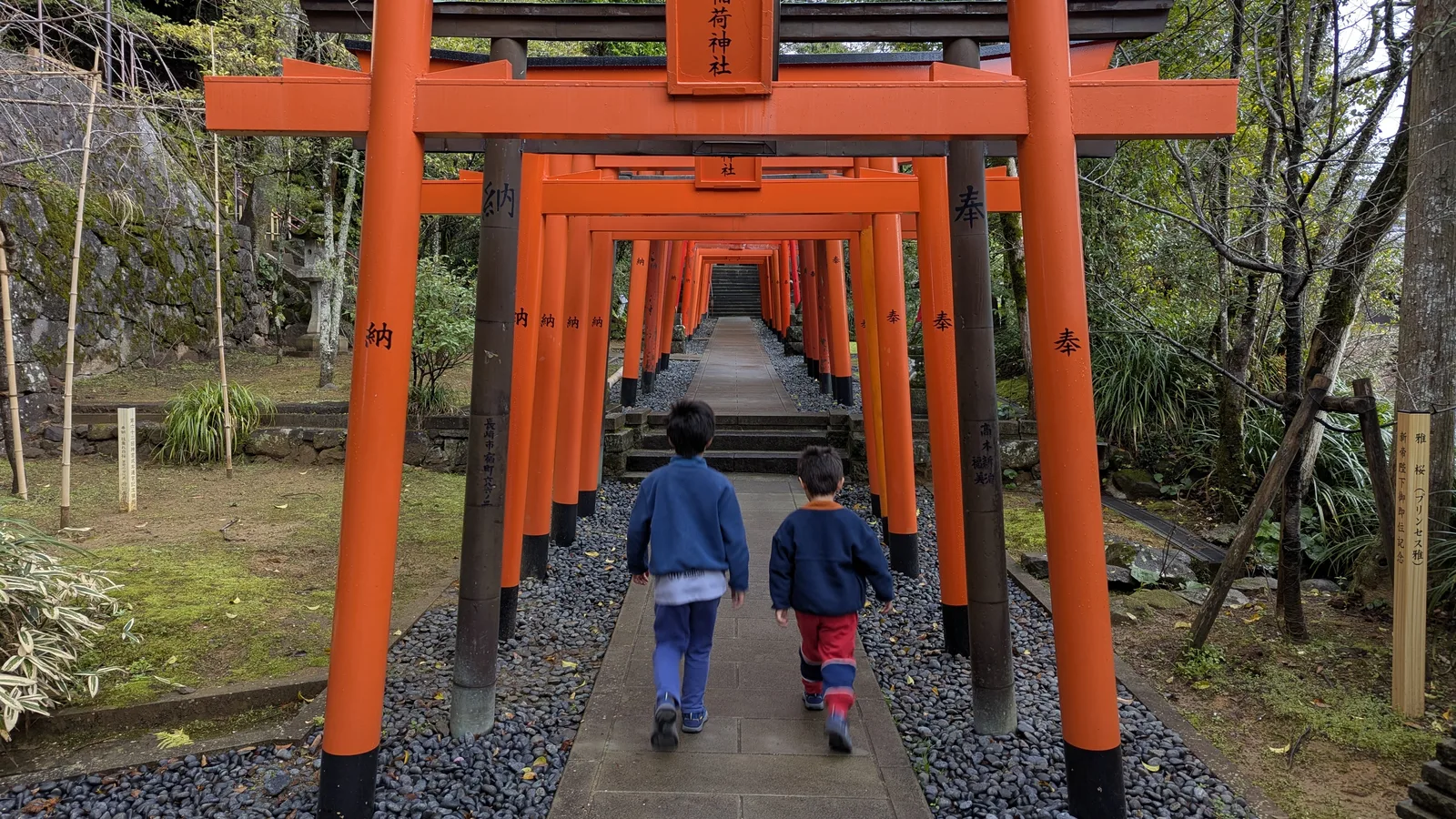
- Best Window
- April or October, for most first trips
- Hardest Window
- July and August in the big cities
- Plan Around
- Golden Week, Obon and New Year
- Coolest Summer Escape
- Hokkaido: Sapporo averages 22°C in August
- It Depends On
- The child, the heat, and the Japan you want
The month-by-month picture for family travel, season by season, and how weather, crowds and the national peaks decide the right time to go.
For most first-time families the best time to visit Japan with kids is April or October. The honest answer depends on the child you are pacing for and the version of Japan you came to find, because cherry blossom and autumn color are the most photographed seasons and the most logistically demanding. July and August are the hardest window in Tokyo, Kyoto and Osaka, when heat and humidity peak, though Sapporo averages 22 degrees in August. Plan around Golden Week, Obon and New Year, the three highest-pressure travel windows, because the season sets the pace of every day.
The real answer to when.
Families track two currencies: money and time. The LUNI Framework names a third. Reserve is a child’s finite, specific capacity to absorb what a travel day asks, and the calendar spends it before the itinerary ever does. Heat draws Reserve down faster than distance. Crowds draw it down faster than walking. The season you choose decides how quickly that third currency drains and how much each day gives back. Read the table below first, then read the season that fits your family.
| Season | Weather | Best Profile Match | Signature & Planning Pressure |
|---|---|---|---|
| SpringMar to May | Mild. 10 to 20°C / 50 to 68°F. | Sprinter, Anchor | Cherry blossoms, hanami, spring festivals. Peak-bloom crowds and Golden Week are the pressures. |
| SummerJun to Aug | Hot, humid. 30°C+ / 86°F+. | Dynamo, teens | Fireworks, beaches, summer festivals. Heat, humidity, and Obon are the pressures. |
| AutumnSep to Nov | Crisp. 12 to 22°C / 54 to 72°F. | All profiles | Fall foliage, harvest, calm sightseeing. Peak foliage crowds in Kyoto and Nikko are the pressure. |
| WinterDec to Feb | Cold. 2 to 12°C / 36 to 54°F. | Sensor, Anchor (cities) | Snow festivals, skiing, illuminations. Northern cold and New Year closures are the pressures. |
SpringMar to May
Best for the Sprinter and Anchor.
SummerJun to Aug
Best for the Dynamo and teens.
AutumnSep to Nov
The most forgiving for all profiles.
WinterDec to Feb
Best for the Sensor and Anchor in cities.
Match the season to your child.
A profile is a depletion mechanism, not an age. Each one meets the calendar differently, and knowing which child you are pacing for is the decision that sets the season.
Depletes through restricted movement. Summer’s high-energy outdoor circuit and autumn’s fully open, all-day parks give the discharge that long indoor winter days withhold. For a younger Dynamo, an open lawn reached by mid-morning is the release valve. For an older one, a physical anchor such as a cycling path or a climbable castle ground does the same work. The consequence is direct: book a season that keeps the body moving, or the restlessness becomes the trip.
Depletes through sensory input. Autumn and winter run quietest, with the lowest crowds and the most manageable load, while peak-bloom spring and packed summer hanabi concentrate noise, heat, and density at once. Seat a younger Sensor at the edge of a crowd rather than inside it, and give an older one a planned exit time before a festival finale. The consequence is that the calmer seasons protect a Sensor’s threshold that a packed spring weekend would cross by early afternoon.
Depletes through unfamiliarity and unconfirmed structure. Spring and the winter cities offer the most predictable daily rhythm and the readiest indoor fallback, which is why a small, contained winter onsen town or a familiar spring city loop steadies an Anchor better than a sprawling summer circuit. For a younger Anchor, a repeated daily anchor such as the same breakfast spot holds the day together. For an older one, a confirmed plan shared the night before does it. The consequence is that the routine-friendly seasons keep an Anchor’s Reserve intact.
Depletes through sustained travel-style walking and standing. Spring and autumn’s cooler air pushes back the mid-afternoon physical wall that summer heat brings on by noon. For a younger Sprinter, a stroller is a portable rest station rather than a concession. For an older one, a taxi budget set in advance buys back the energy a 15,000-step day would otherwise take. The consequence is that the temperate seasons extend a Sprinter’s usable day by hours.
| What You Need to Know | Quick Answer |
|---|---|
| Easiest overall season | Spring or autumn. Mild weather and predictable pacing for every profile. |
| Best month, first-time families | April or October. October is stronger for a Sensor or Sprinter child. |
| Best season with a toddler | Late spring or autumn. Avoids the deep summer heat and the northern winter cold. |
| Most iconic moment | Spring for cherry blossoms, autumn for foliage. Both reward advance planning. |
| Best for budget travel | Winter outside New Year, or early June before the summer peak. |
| Hardest season for young children | July and August in the big cities (Tokyo, Kyoto, Osaka), where heat and humidity are real management challenges. |
Easiest overall season
Best month, first-time families
Best season with a toddler
Most iconic moment
Best for budget travel
Hardest season for young children
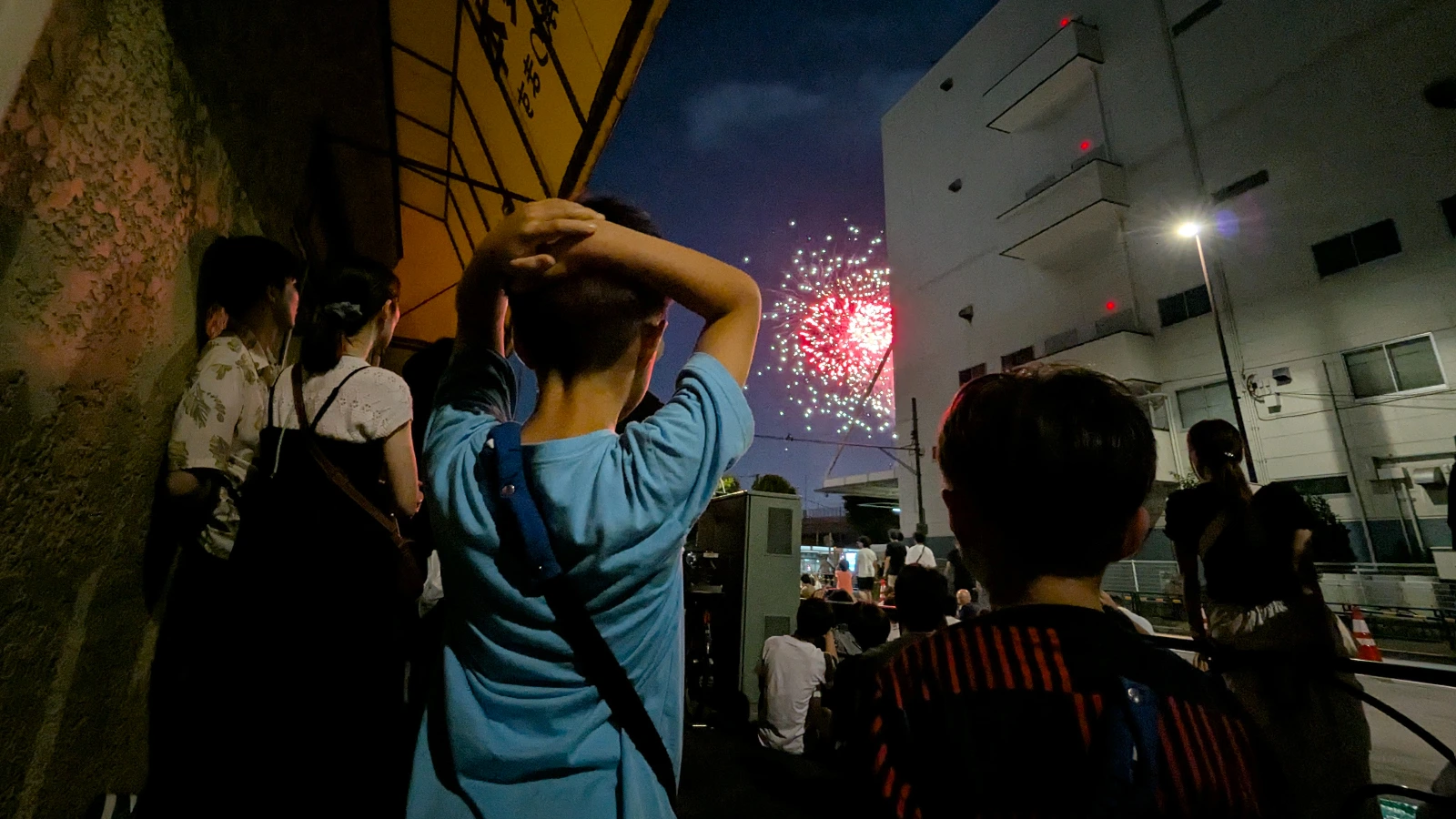
The windows to plan around.
Three crowd peaks, one rainy stretch, one typhoon season, and one heat rhythm. Knowing them is most of the planning, and none of them is a reason to stay home.
The rainy season (tsuyu) runs from early June to mid-July: intermittent showers rather than washouts, and the lightest crowds of the warm half-year. Typhoons come closest in August and September, with storms in July and October too, mostly in the south and along the Pacific coast, and a city itinerary booked with a day of slack absorbs the occasional storm day without losing the trip. The summer heat itself is the most reliable pressure of all. From July, the productive outdoor window narrows to the morning, which is why summer days are built around an outdoor morning, an air-conditioned midday, and an active evening. Run a spring itinerary through an August afternoon and the day is spent recovering rather than traveling.
The three calendar peaks are different in kind. Golden Week, Obon, and New Year are not weather events, they are demand events, when domestic travel surges, transport fills, and prices climb. The move with all three is the same: book months ahead, or shift the core of the trip outside the window. The table below sets each one against the action it calls for.
| Window | Dates | What Happens | The Move |
|---|---|---|---|
| Golden Week | Late Apr to early May | Domestic travel peaks. Accommodation costs rise sharply. | Book months ahead, or sidestep the dates entirely. |
| TsuyuRainy season | Early Jun to mid-Jul | Intermittent showers that clear. Lightest crowds of the warm season. | Anchor the days indoors and pack compact umbrellas. |
| Obon | Mid-August (around Aug 13 to 16) | Trains and coastal hotels at capacity. Many small businesses close. | Arrive before the 9th or after the 19th, or base in Hokkaido. |
| Typhoon season | Jul to Oct, peak Aug and Sep | Occasional storm days, mostly in the south and on the Pacific coast. | Build one day of slack per week into the route. |
| New Year | Late Dec to Jan 3 | Reduced hours at attractions and restaurants. Limited Shinkansen seats. | Confirm closures in advance and reserve trains early. |
Golden Week
Late Apr to early May. Domestic travel peaks.
TsuyuRainy season
Early Jun to mid-Jul. Lightest crowds of the warm season.
Obon
Mid-August. Trains and coastal hotels at capacity.
Typhoon season
Jul to Oct, peak Aug and Sep. Mostly the south and Pacific coast.
New Year
Late Dec to Jan 3. Reduced hours and limited seats.
Watching the bloom forecast shift daily, or tracking a storm’s path on the news, pulls children into the trip at a planning level no attraction visit does. The anticipation is part of the season. Families who frame the calendar as a shared ritual rather than a logistics problem consistently describe the planning weeks as part of the experience.
Each season, in brief.
The detail of any single season belongs in its own guide. Here is what each one is for, and the pacing logic that decides whether it fits your family.
Peak reward and peak crowd. The families who move through it well arrive with a plan and favor venues that absorb scale, such as Shinjuku Gyoen in Tokyo or Osaka Castle Park, where wide, flat paths keep a Sprinter moving and an Anchor oriented even at high traffic. The rest spend their best hours waiting.
The festival and water season, and it rewards families who treat heat management as an itinerary layer rather than an inconvenience. The reward, fireworks, evening matsuri, and the beaches of Okinawa and the cooler lakes inland, arrives in the morning and the evening, with the worst heat parked in an air-conditioned middle.
The most broadly forgiving season of the four. Cooler air, lower humidity, and an exceptional foliage circuit make it the easiest to plan and the most forgiving to execute, with Nikko and Tokyo’s Mount Takao leading for families who want the color without a demanding hike. The one pressure, peak foliage in Kyoto and Nikko, answers to the same fix as spring: weekday visits and early arrivals.
Splits cleanly in two. The snow north of Hokkaido, Tohoku, and the Japanese Alps delivers skiing, snow festivals, and a landscape children remember in detail, while the warmer city circuit of Tokyo, Osaka, and Kyoto trades snow for illuminations, indoor culture, and a notable absence of the crowd pressure that defines spring and autumn. For families who cannot travel in the temperate seasons, urban winter is a genuinely strong option.
The questions families actually ask.
What is the best time to visit Japan with kids overall?
April or October. Both months offer mild temperatures, high-quality seasonal experiences (cherry blossoms in April, early foliage color in October), and lower crowd density than the peak windows of Golden Week or mid-November. October is the stronger choice for families with a Sensor or Sprinter child, since cooler air and lighter crowds protect a child whose Reserve depletes through sensory input or sustained walking.
When is typhoon season in Japan, and should families worry about it?
Typhoon season peaks in August and September, with July and October also active, and the storms concentrate in the south and along the Pacific coast. Most storms pass in a day or two, and a city itinerary booked with a single day of slack per week absorbs the disruption without derailing the trip. The practical move is to keep the schedule flexible in early September and to treat the forecast as a planning tool rather than a reason to avoid the season.
When should families avoid visiting Japan?
The three windows to plan around are Golden Week (late April through early May, when domestic tourism peaks and accommodation costs rise sharply), Obon (mid-August, when transport runs near capacity and many smaller businesses close), and New Year (late December through January 3, when attractions and restaurants reduce hours and Shinkansen reservations are limited). None of these are impossible for family travel, but all require more advance planning than a standard itinerary.
Is Japan’s rainy season a good time to visit with children?
Japan’s rainy season (tsuyu) runs from early June through mid-July, with gray, humid stretches and intermittent heavy rain. It is not the worst window for families with young children, precisely because the reduced outdoor appeal concentrates the day on indoor anchors: aquariums, hands-on museums, and covered market halls. Families who build the itinerary around indoor anchors rather than outdoor sightseeing manage tsuyu comfortably. Light rain gear for children is essential.
How do families handle Japan’s summer heat with young children?
The structure that works is outdoor activity from about 8:00 to 11:00 a.m., an air-conditioned indoor block or hotel rest from 11:00 a.m. to 3:00 p.m., and outdoor activity again from 3:00 p.m. into the evening. Electrolyte drinks are sold at every convenience store, and cooling towels and neck coolers are widely available. This rhythm matters most for a Sprinter child, whose Reserve depletes through sustained walking and standing and drains fastest in heat.
What are the best family activities in Japan in December?
December is one of the strongest months for urban Japan family travel. Illumination events across Tokyo, Kobe, and Osaka run through the month, ski resorts in Hokkaido and Nagano reach reliable snow depth by mid-December, and the tourist crowd pressure in Kyoto and Nara drops sharply after mid-November. Christmas is not a national holiday, but major attractions run themed seasonal programming through December 25.
Which regions of Japan are coolest in summer for families?
Hokkaido is the most reliably cool summer destination, with August temperatures averaging about 22 degrees Celsius in Sapporo and lower in rural areas. The Japanese Alps in Nagano and Niigata run 5 to 8 degrees cooler than Tokyo at equivalent elevations, and Nikko stays meaningfully cooler than central Tokyo for day trips. These regions suit a Sprinter or Sensor child who depletes faster in the main island’s heat and crowds.
What is the best season to visit Japan with a toddler?
Late spring (May, after Golden Week) or autumn (October), which avoid both the deep summer heat and the northern winter cold. A toddler’s day depends on predictable rest, so the mild seasons make nap timing and stroller use far easier. Spring and autumn also keep the Anchor child’s daily rhythm stable, with indoor fallbacks readily available when the day runs long.