The Kobe Family Travel Hub

Kobe,
for families.

Kobe is the calmest of the three major Kansai cities and the only one most families seriously debate as either a basecamp or a single-day side trip from Osaka. The right answer turns on how many nights the wider Kansai trip can afford and how much sensory recovery the children need between Osaka and Kyoto.
Recommended stay
1–2 nights
Day trip vs basecamp
Basecamp preferred
Strongest profiles
Sensor & Anchor
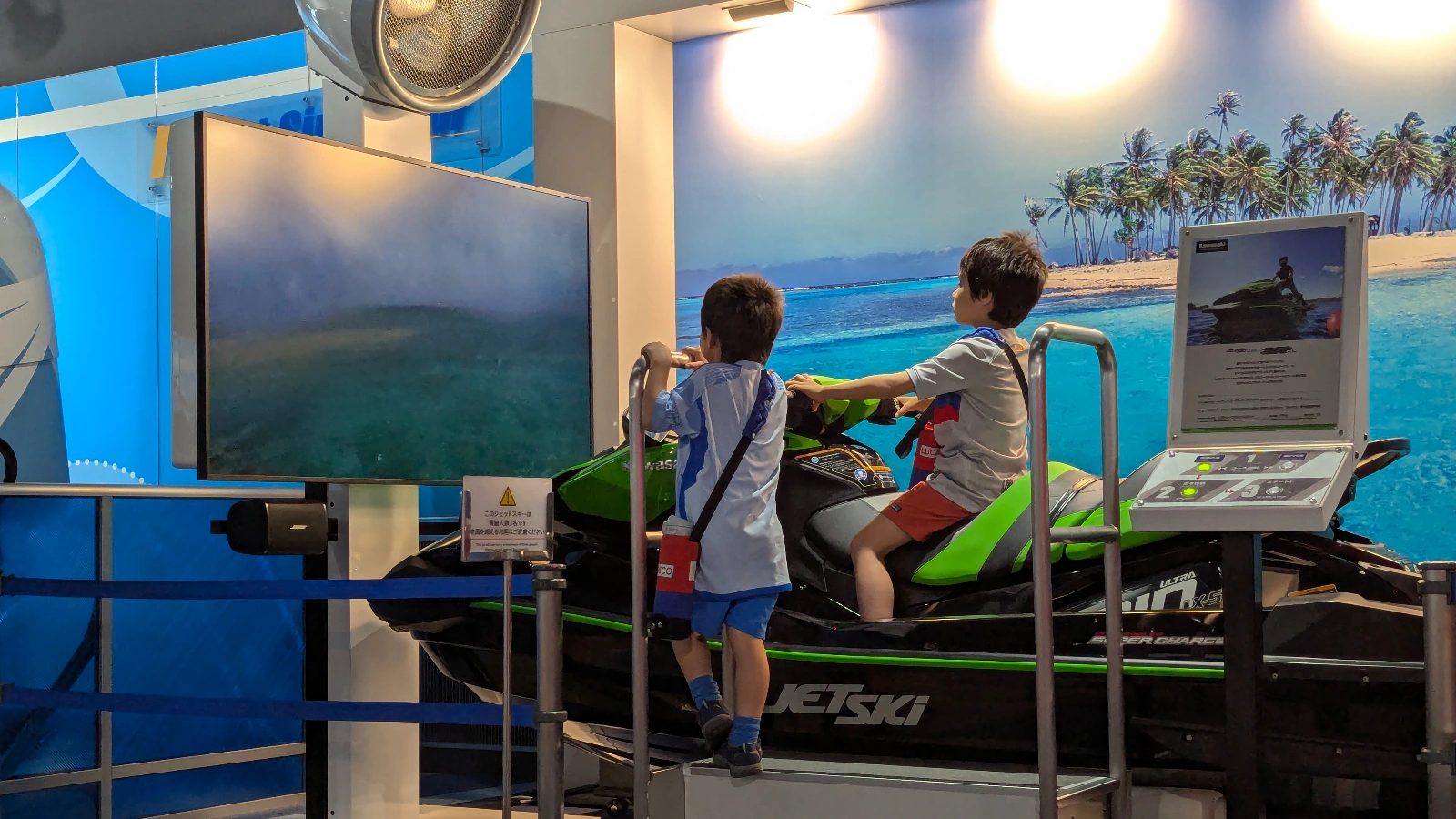
Luca and Nico on a jet ski simulator at the Kobe Maritime Museum in Kobe, Hyogo
Start Here

Four ways to orient yourself before you plan.

A complete city guide, a profile quiz, the framework that powers every recommendation on this site, and the wider Japan context. Begin wherever the question feels most urgent.

Stage 1: Where to Base Your Family

Choose your basecamp before anything else.

Kobe is small enough that any of three neighborhoods works as a family base, but the choice still shapes every day. Sannomiya is the transit-led default; Harborland trades transfers for waterfront proximity; Kitano trades both for genuine evening quiet.
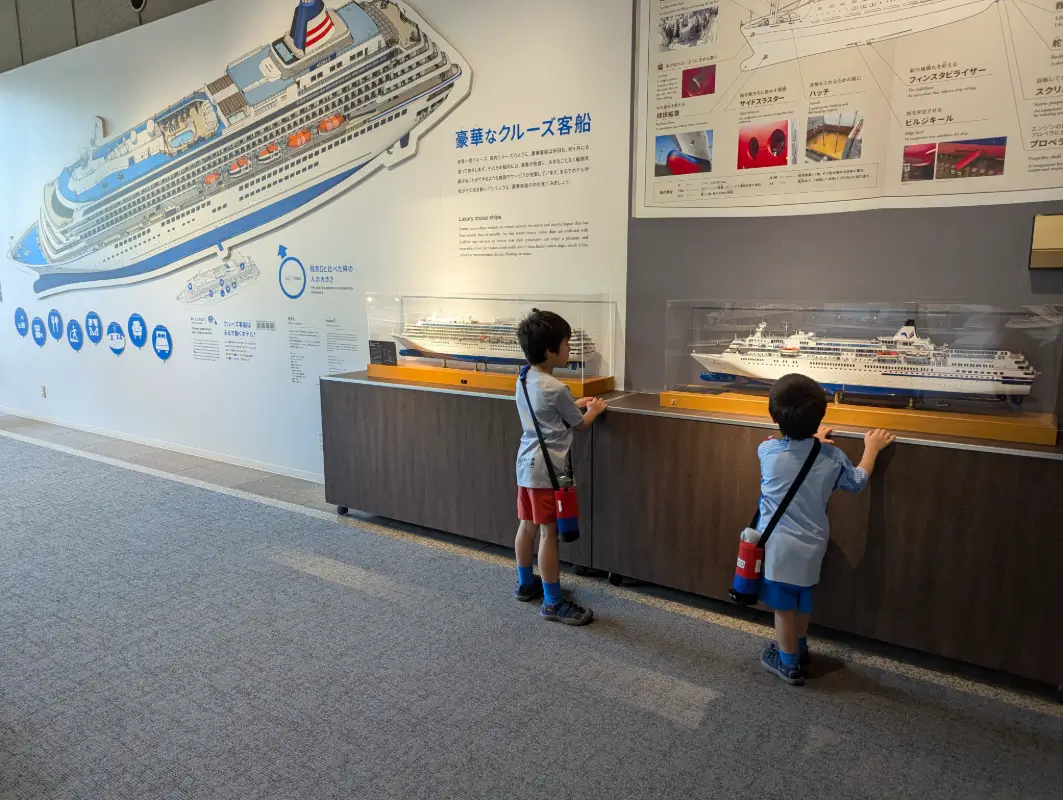
Luca and Nico at the Kobe Maritime Museum waterfront in Sannomiya, Kobe, Hyogo
01 / Where to Sleep
Sannomiya
Best base for first-time families & Kansai-wide trips
Kobe’s transit anchor and the only neighborhood with hotel inventory dense enough to make the city a real Kansai basecamp. JR, Hankyu, Hanshin, and the Kobe subway all converge here, which puts Osaka twenty minutes east, Kyoto under an hour, and Himeji forty minutes west on the JR side. The walk down to Harborland takes about fifteen minutes, so Sannomiya-based families still reach the waterfront without a transit decision.
02 / Waterfront Choice
Harborland
Best for kid-magnet attraction density
Kobe’s waterfront commercial district, with the Kobe Maritime Museum, the Anpanman Children’s Museum, and the Mosaic shopping complex all clustered inside a walkable bay-facing radius. Hotel inventory leans business-tier and the bay can run loud during weekend evenings, but families prioritizing one-attraction-per-day pacing reach more without a train ride than anywhere else in the city.
03 / Residential-Quiet Choice
Kitano
Best for quiet evenings & lower-stimulation pacing
The hillside neighborhood above Sannomiya, defined by Meiji-era foreign residences and genuinely quiet evenings. Hotel inventory is thinner and boutique-tier, and the uphill walk from the station adds a few minutes to every return, but the trade is the lowest sensory baseline of any Kobe base. Families on a multi-city Kansai loop often place Kitano in the recovery slot between Osaka and Kyoto.
Stage 2: What to Do in Kobe

Kobe by category, filtered by profile.

Select your child’s LUNI Profile to instantly see which Kobe attractions suit them. A missing profile label means the attraction is a weaker fit for that profile, not that it should be skipped.

Filter by LUNI Profile
No attractions found for this profile.
Try another profile, or select All Attractions above.
Prefer a Curated Path?

Kobe itineraries built for families.

Ready-made frameworks for families who’d rather follow a structure than build their own from the attraction list above.

Stage 3: Getting Around Kobe

Kobe transit for families.

Kobe runs on a four-rail spine, JR, Hankyu, Hanshin, and the Kobe subway, that converges on Sannomiya and feeds Osaka, Kyoto, and Himeji on direct lines. The JR Pass changes the math on any Kansai-wide leg, and the linear east-west geography means most family days inside Kobe stay on foot. Four guides resolve every transit decision a family faces.
Luca and Nico greeting a Shinkansen at Kobe, Japan