Japan in Autumn With Kids:the weather, and when leaves turn.
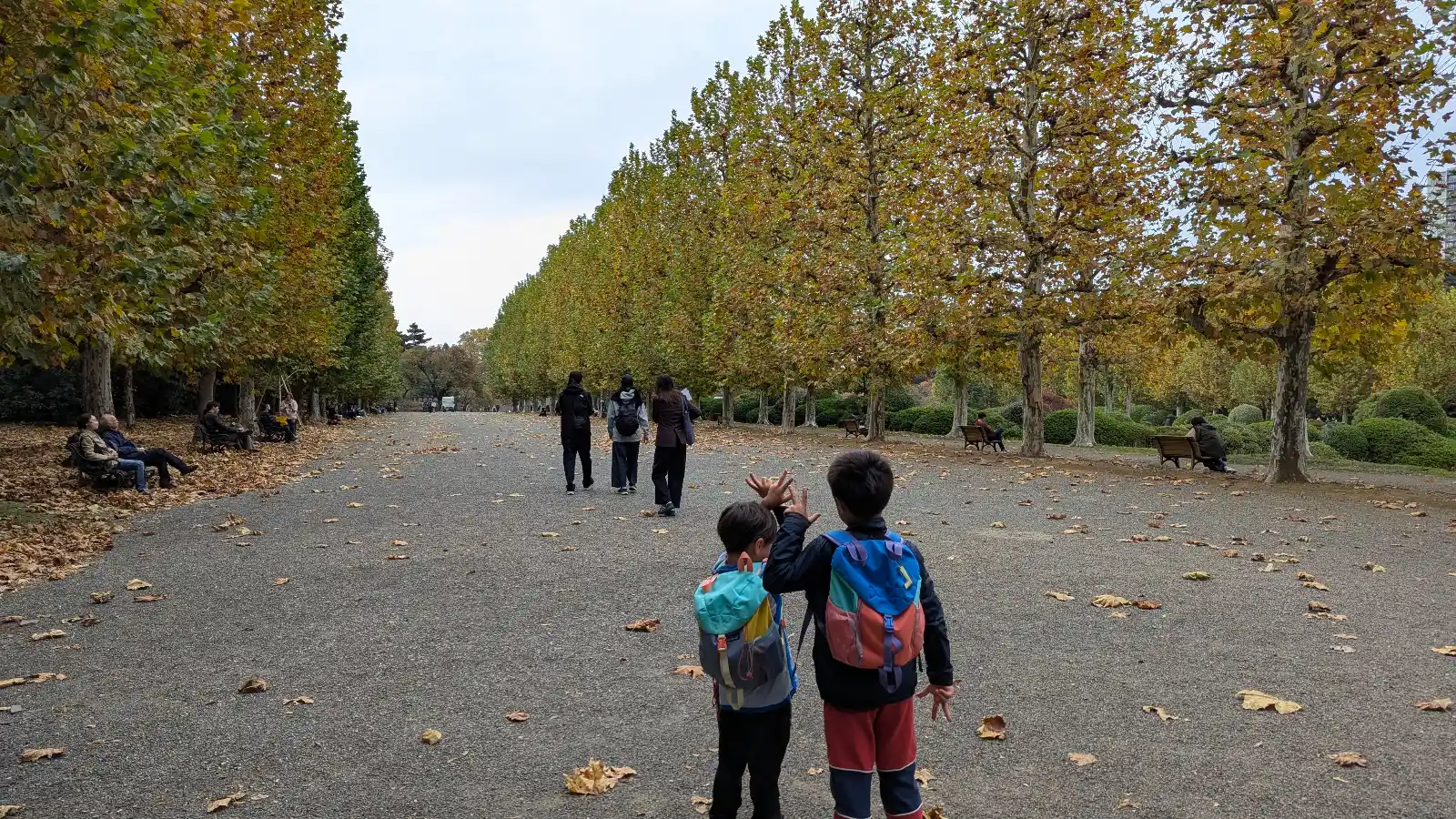
- Best Time With Kids
- Mid-October to early December
- Early November
- Maples turn in Hakodate, on average
- October
- 15 to 22°C (59 to 72°F) in Tokyo
- November
- 9 to 17°C (48 to 63°F) in Tokyo, cold mornings
- When the Leaves Turn
- Sapporo late Oct to early Nov, Kyoto early Dec
How a family chooses the month to travel, and the order to visit the cities so each one meets its turning leaves.
Some links on this page are affiliate links. LuNi may earn a commission at no extra cost to you.
October is the most comfortable month for a family in Japan, at 15 to 22°C (59 to 72°F) in Tokyo, with the summer humidity easing, though early October can still bring typhoon rain. November is colder, 9 to 17°C (48 to 63°F) in Tokyo, with cold mornings. November into early December is when the cities further south change color. Maples turn, on average, in late October or early November in Sapporo, late November in Tokyo and early December in Kyoto, the latest of the three. Plan Tokyo before Kyoto, and pack layers that handle a cold morning and a mild afternoon.
What autumn actually feels like.
September is the season’s transition month and should be planned as late summer. Temperatures run 20 to 30 degrees Celsius depending on region, humidity has not fully broken, and typhoon risk lingers into the first half of the month. The mornings and evenings cool noticeably, but the middle of the day still asks for an indoor alternative or a deliberate rest.
| Month | Temperature | Rain & Crowds | What It Means for Families |
|---|---|---|---|
| SeptemberSummer’s tail | 20–30°C / 68–86°F. Humidity lingering. | Typhoon risk early in the month. Humid midday. | Plan like late summer. Cool mornings and evenings, indoor or rest midday. |
| OctoberThe comfort peak | 15 to 22°C / 59 to 72°F in Tokyo. Humidity easing. | Rain still common. Crowds moderate. | Outdoor days become effortless. First color in the north. |
| NovemberCity color, early planning | 9 to 17°C / 48 to 63°F in Tokyo. Cold mornings. | Foliage crowds at Kyoto’s temple viewpoints. | Book early. Visit major sites before 9 a.m. Warm layers from morning. |
SeptemberSummer’s tail
Plan like late summer with cool mornings.
OctoberThe comfort peak
Outdoor days become effortless.
NovemberCity color, early planning
Book early. Visit major sites before 9 a.m.
A season that moves south from mid-October.
The detail most families miss is that autumn color is not a single moment. It is a wave that crosses the country, from mid-October in eastern Hokkaido to early December in Kyoto and mid-December in the far south, and the family that understands the timing builds the trip around the leaves, not just the cities.
The LUNI Framework treats that wave as a planning currency. Families already track two, money and time. The framework names a third: Reserve, a child’s finite, specific capacity to absorb what a travel day asks of them. Chasing color into a single packed week spends Reserve fastest, because it concentrates crowds, cold mornings, and long days at once. Reading the calendar deliberately is how you spend that third currency on purpose rather than by accident.
The practical implication is a sequence, not a single target date. Tokyo’s color comes before Kyoto’s: its ginkgo and maples turn in late November, Osaka’s maples in late November or early December, and Kyoto’s in early December. A two-city plan that takes Tokyo first and Kyoto a few days later keeps each city close to its color without forcing a single exhausting foliage sprint. For Nikko and Hakone, time a mountain day by the local color report rather than by a city’s average.
| Region | Maples Turn (Average) | What Anchors It | Planning Note |
|---|---|---|---|
| HokkaidoSapporo, Hakodate | Late October or early November in Sapporo, early November in Hakodate | The earliest color in the country, at northern latitude. | The pick for a late-October trip. |
| Nikko & HakoneMountain elevation | Follow the local color report | Mountain color within reach of Tokyo. | Day trips or overnights from Tokyo, timed by the local report. |
| TokyoCity gardens | Ginkgo and maples in late November | Ginkgo avenues and formal garden maples. | Plan Tokyo before Osaka and Kyoto. |
| Kyoto, Osaka & NaraCentral Japan | Mid to late November in Nara, late November or early December in Osaka, early December in Kyoto | The season’s marquee temple and garden color. | Book the Kyoto rooms first; Kyoto’s maples turn last of the three. |
| Hiroshima & FukuokaThe west | Late November in Hiroshima, early December in Fukuoka | Western color, including Miyajima’s maple valley. | Fukuoka pairs with Kyoto; Hiroshima comes earlier. |
HokkaidoSapporo, Hakodate
Late October or early November in Sapporo, early November in Hakodate. The country’s earliest color.
Nikko & HakoneMountain elevation
Follow the local color report.
TokyoCity gardens
Ginkgo and maples in late November.
Kyoto, Osaka & NaraCentral Japan
Mid to late November in Nara, late November or early December in Osaka, early December in Kyoto.
Hiroshima & FukuokaThe west
Late November in Hiroshima, early December in Fukuoka.
Whether the forecast is worth waiting for.
Every family planning an autumn trip ends up on a foliage forecast page, reading a published date as though it were a booking confirmation. It is not one. Knowing what it actually is changes how you book.
A foliage forecast is a projection, not a fixed date, and it is looser than its published dates make it look. The work behind it is careful, built on decades of records, and the people making it are not guessing. It is simply not sharp enough to book a family’s dates on, and it does not tighten as the season closes in. That last part is what decides whether waiting is worth it.
| The Question | The Answer |
|---|---|
| How far off is the first one? | About four and a half days. It goes out in early September, roughly 82 days before the leaves turn, which is early enough to plan a trip around and nowhere near sharp enough to plan a single day around. |
| Does waiting help? | No. September is off by 4.6 days, October by 4.6, November by 4.5, and the final forecast, published three days before the turn, by 4.0. Book the room in the window you picked and stop holding the decision open, because waiting buys a family nothing except a later and worse choice of base. |
| Maple or ginkgo? | Trust the maple. It runs 3.9 days off against ginkgo’s 5.2. Point a maple day at a named date and hold a ginkgo avenue loosely, because the second one is where a promised morning most often fails to arrive. |
| Early or late? | Early, about six times in ten, by roughly two days. Aim for the front of a window rather than the back of it, because the front still has the rest of the window behind it and the back has nothing behind it at all. |
| Where does it fall apart? | Kanazawa. In two separate seasons its ginkgo turned more than three weeks before the first forecast date, 23 days early in one and 29 in the other. Build the Kanazawa day so it works either way, which matters most for the Anchor, who depletes through unfamiliarity and unconfirmed structure and who is the child a promised sight and a bare tree costs the most. |
How far off is the first one?
About four and a half days. It goes out in early September, 82 days ahead. Plan a trip around it, not a single day.
Does waiting help?
No. 4.6, 4.6, 4.5, then 4.0 days off across the four releases. Book in the window you picked.
Maple or ginkgo?
Trust the maple, at 3.9 days against ginkgo’s 5.2. Hold a ginkgo avenue loosely.
Early or late?
Early, about six times in ten, by roughly two days. Aim for the front of the window.
Where does it fall apart?
Kanazawa. In two separate seasons its ginkgo turned yellow more than three weeks ahead of the first forecast. Build the day so it works either way.
Set that against the months in the table above and the picture turns around. Give each city a few days either side of its average and a four or five day miss lands inside the plan. The same miss in spring, where the whole trip turns on one declared bloom date, puts them in a park full of bare branches. Autumn is not the season with the better forecast. It is the season where being wrong costs the least, and for a family whose dates were fixed by a school calendar months ago, that is the difference worth choosing on.
So plan it the other way around. Pick the region, take the timing from the table above, and choose a base with color already on its doorstep rather than a train ride away. Then stop refreshing the forecast, because it won’t tell you anything new. Every day spent waiting on a better number is a day of Reserve spent on a question that has no better answer coming.
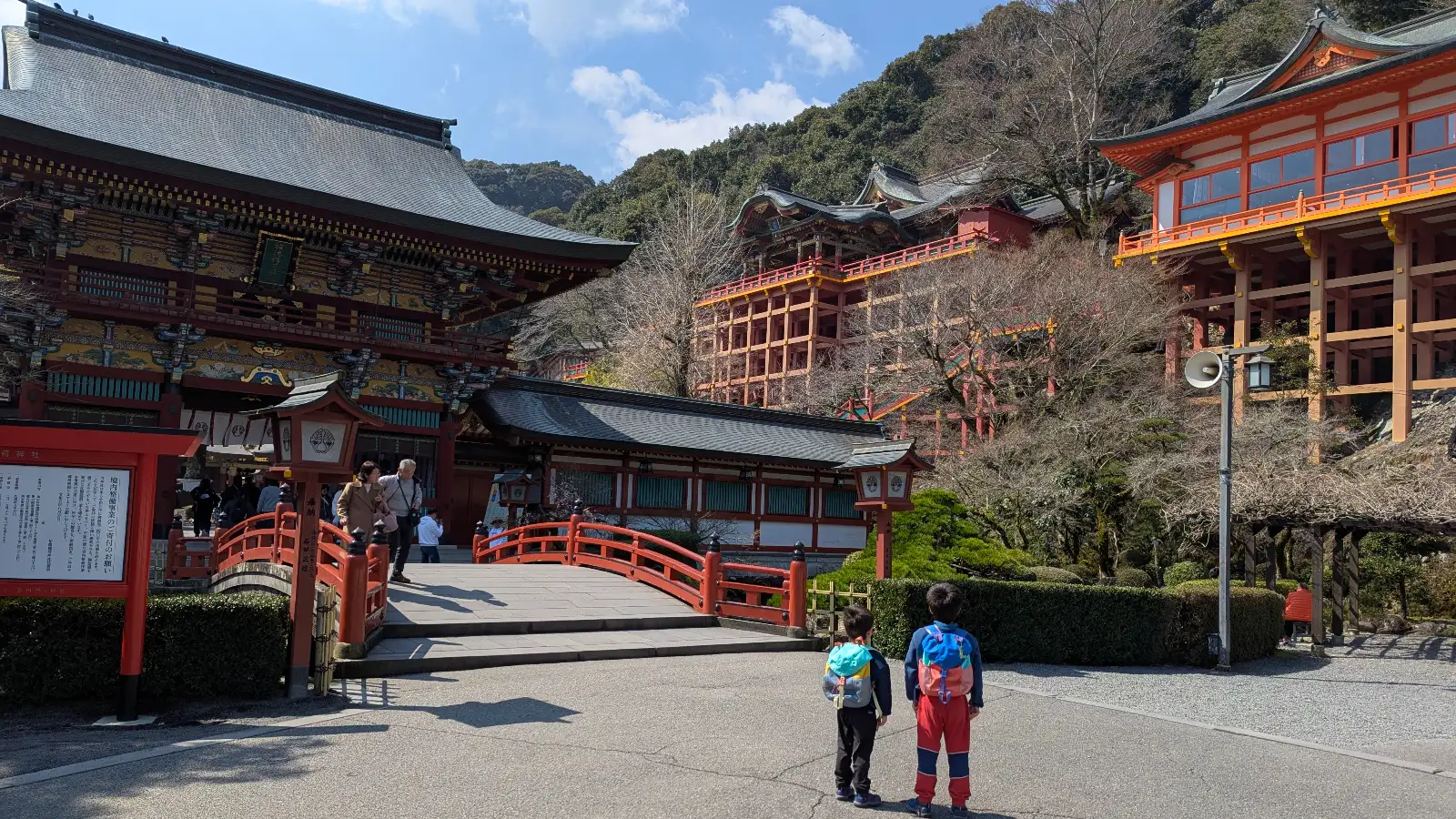
The experiences only autumn delivers.
These are the experiences that either do not exist or are fundamentally different outside autumn. The point is not a venue list. It is what the season alone makes possible once the heat is gone and the color arrives.
Autumn is the season that builds its own engagement curriculum. The leaves do the work that parents usually have to: children collect them, sort them by color, crunch through them, and rank their favorites without being asked. Around that, the cool, dry air turns the activities that summer heat makes punishing, long park mornings, mountain ropeways, harvest picking, into the easy default. The table below is calibrated to the season, not to a single city.
| Experience | When | Why It Is Autumn-Only | Plan Note |
|---|---|---|---|
| Foliage parks & gardensKoyo | Late October to early December | Garden maples follow the calendar above, and ginkgo avenues keep a timing of their own. | Best across a full morning. Shinjuku Gyoen and Osaka Castle Park are reliable anchors. |
| Mountain ropewaysAerial color | By the local color report | Color panoramas with almost no physical output. | Hakone and Nikko’s Akechidaira are the high-return rides. Go on a clear morning for the views. |
| Harvest & fruit pickingKari | September to October | Apple, grape, and pear farms open for hands-on picking with an immediate, edible reward. | Orchards near Nagano and Yamanashi. No crowd management and a built-in activity for restless kids. |
| Evening illuminationsYoru no koyo | The foliage weeks | Temples and gardens light the maples after dark, a slower, quieter version of the daytime crowds. | Kyoto’s Eikando and Tokyo’s Rikugien run programs. Best for school-age kids who can pace a night walk. |
| Autumn seasonal foodsAki no aji | All season | Roasted sweet potato, chestnut, and kabocha appear from carts and convenience stores nationwide. | Mild, warming, and approachable for selective eaters. A low-cost daily discovery that needs no planning. |
Foliage parks & gardensKoyo
Late October to early December. Garden and avenue color.
Mountain ropewaysAerial color
By the local color report. Big views, little walking.
Harvest & fruit pickingKari
September to October. Hands-on, edible reward.
Evening illuminationsYoru no koyo
The foliage weeks. Maples lit after dark.
Autumn seasonal foodsAki no aji
All season. Warming and approachable.
Autumn gives children a direct encounter with mono no aware, the quiet appreciation of transience. Children notice the exact leaf that catches the light, the particular red that exists only in this week of this year. Families who build even ten minutes of deliberate stillness into a foliage visit tend to remember it with a specificity that busy itineraries never produce.
The two costs autumn actually moves.
Autumn cost splits cleanly into what moves with the season and what stays stable regardless of it. Knowing which is which is most of the budget decision.
Two categories move with the season: flights and hotels in the foliage weeks. Book the Kyoto rooms as soon as the dates are set, then the flights around them. Flying into Osaka Kansai rather than Tokyo can ease cost when inbound Tokyo demand peaks.
Everything else holds steady. Shinkansen fares, subway tickets, and local transit carry no seasonal surcharge, and most of the season’s marquee experiences, foliage parks, temple approaches, riverside walks, and garden circuits, are free or nominal. The real budget leverage in autumn sits in accommodation, not activities, which is why a well-located Kyoto base matters more than any single ticket. One timing note compounds the savings: at Tofuku-ji the viewing bridge fills to capacity by 10:30 a.m. on clear November weekends, so arriving at opening buys both the calm version of the experience and the morning light, at no extra cost.
The questions families actually ask.
When is the best time to visit Japan in autumn with kids?
The best window is mid-October to early December. October delivers the most comfortable temperatures across the country with moderate crowds, which makes it the strongest month for younger children and for families who want effortless outdoor days. For the leaves, maples turn on average in mid to late November in Nara, late November in Tokyo, late November or early December in Osaka and early December in Kyoto, so a trip built around Kyoto’s leaves runs later than one built around Tokyo’s.
What is November weather like in Japan for families?
November is Japan’s most dramatic autumn month and its coldest. Temperatures in Tokyo average 9 degrees Celsius at dawn and 17 in the afternoon (48 to 63 Fahrenheit), comfortable for sightseeing with the right layers. Mountain destinations such as Hakone and Nikko run colder and need a warm outer layer through the day. The cold is manageable, and the city color is the season’s payoff.
When do the autumn leaves turn in Japan?
Autumn color moves across Japan as a wave rather than a single date. Of the cities in this guide, maples turn first in Sapporo, on average in late October or early November, then in Hakodate in early November, Nara from mid to late November, Hiroshima, Kanazawa and Tokyo in late November, Osaka in late November or early December, and last in Fukuoka and Kyoto in early December. For Nikko and Hakone, follow the local color report. A well-sequenced two-city trip can catch more than one city’s color.
How accurate is Japan’s autumn foliage forecast?
Looser than most families expect, and it doesn’t sharpen as the season gets closer. The first forecast, published in early September, is off by about four and a half days, and the last one, published three days before the turn, is off by four. Maple is the more dependable of the two trees at 3.9 days against ginkgo’s 5.2. The saving grace is that slack around each city’s average absorbs a miss of that size. Pick the dates and the base with care, and treat the forecast as confirmation once you arrive rather than as instruction beforehand.
Is Japan crowded in autumn with kids?
Autumn crowds are real during the foliage weeks but substantially easier than spring cherry-blossom season. Most parks and gardens hold enough open space for families to move comfortably. The density concentrates at specific temple viewpoints, especially in Kyoto, on color-season weekends. Arriving before 9:30 a.m. consistently reduces crowd pressure at the most popular sites and is the single most effective planning move for a child who is sensitive to noise and density.
How many days does a family need for autumn in Japan?
Seven to ten days gives a comfortable pace, with room for Tokyo, one mountain day trip such as Hakone or Nikko, and Kyoto or Osaka at an unhurried rhythm. Five days works well for a single base with one day trip. Three days are best kept within one city rather than compressed across multiple destinations, since autumn’s best foliage sites reward an early, unhurried morning rather than a rushed transit day.
What should kids wear in Japan in autumn?
Autumn is a layering season, not a heavy-coat season. A long-sleeve base layer, a mid-layer fleece or sweater, and a light down or wind-resistant outer jacket cover the full range from a crisp 8-degree morning to an 18-degree afternoon without stopping the day. Warm socks matter for temple visits where shoes come off and floors are cold, and closed-toe shoes with grip beat sandals on leaf-covered paths and temple steps.