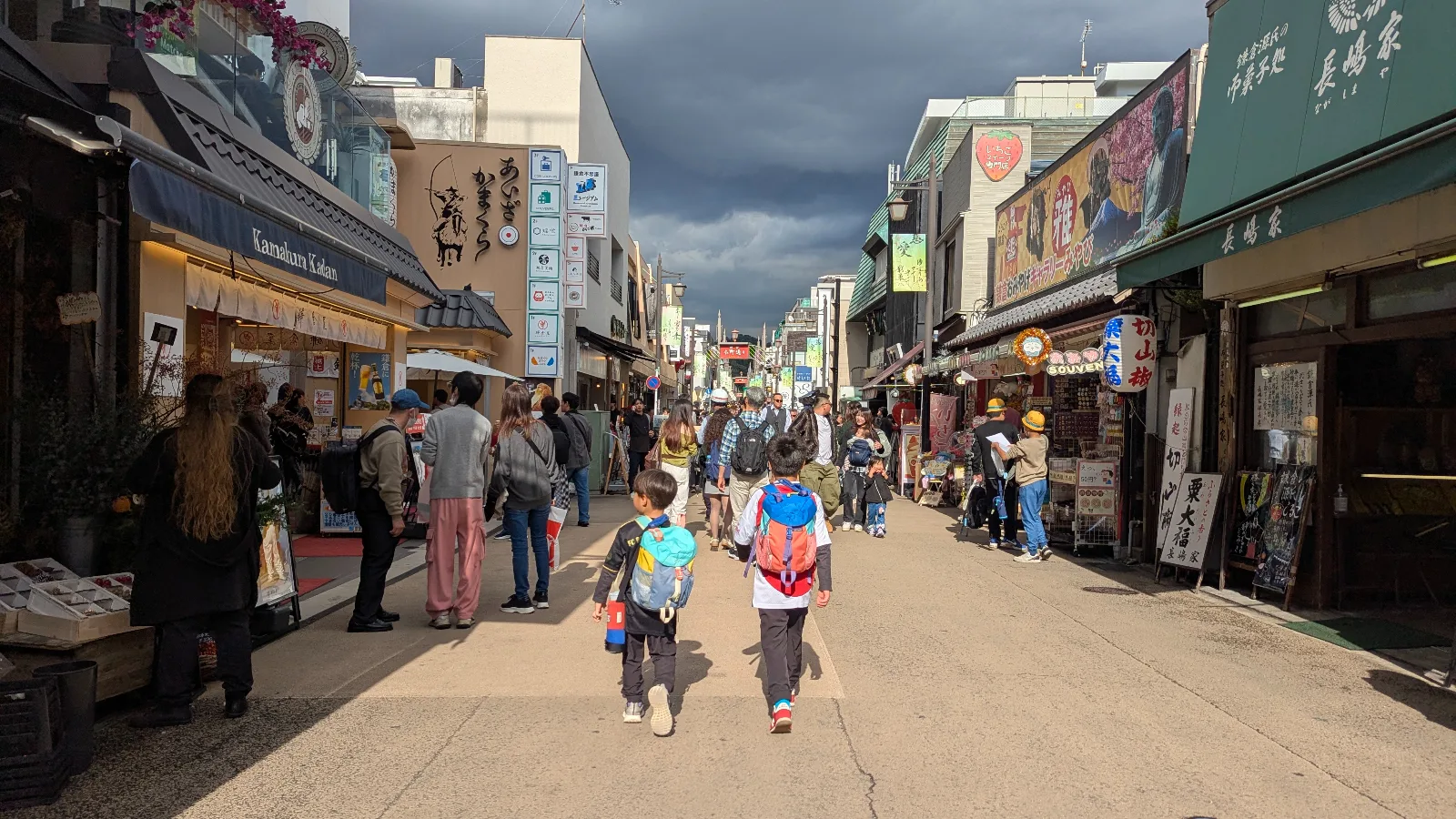
The families most likely to have a difficult first international trip are the ones who chose the wrong destination, not the wrong itinerary. They picked somewhere exciting in theory but operationally unforgiving in practice: a city where clean restrooms require a hunt, where trains are an unsolved puzzle, and where a sick child at midnight becomes a genuine logistical crisis. Japan eliminates that entire category of risk. For families considering their first trip abroad with kids, Japan is not simply a good choice. It is the structurally correct one, and the distinction matters when you are planning a trip around children who have no tolerance for things going wrong.
This guide explains exactly why Japan works as a first international trip for families, what the common hesitations get wrong, and the one variable most parents underestimate before they arrive. For a complete planning foundation, the Japan Family-Friendly Travel Hub brings together all city guides, itinerary resources, and age-specific tools in one place.
What Makes Japan the Right First International Trip
The question families actually need answered is not “Is Japan a good destination?” It is: “Will the operational reality of traveling there support us, or fight us?” Most parents have absorbed enough general enthusiasm for Japan to know they want to go. What they do not know is whether they can handle it with a five-year-old, a jet-lagged toddler, or a teenager who needs constant stimulation and a fast food fallback.
The answer requires specifics, not reassurance.
Safety is structural, not statistical
Japan’s safety record is cited often enough that it risks becoming background noise. What it actually means on the ground: your child can walk ten paces ahead of you in Shinjuku without triggering anxiety. You can leave a bag on a park bench while you redirect a meltdown. The low-vigilance environment is not just comfortable, it is actively freeing in a way that changes the emotional texture of the trip.
Logistics operate at a precision most countries do not attempt
Trains depart on the second. English signage in major transit hubs is comprehensive. Strollers are accommodated on most systems with designated spaces and elevator access. The infrastructure was not designed with foreign families in mind, but it performs as though it was.
Convenience removes the friction that ends enjoyable trips early
Japan’s konbini network, 7-Eleven, Lawson, and FamilyMart, functions as a distributed support system for traveling families. They carry diapers, medication, hot meals, baby formula, and shelf-stable snacks in every neighborhood, open 24 hours. If something runs out or breaks down, the solution is rarely more than a block away.
The cultural environment is actively supportive of children
Restaurant staff produce origami for children who have to wait. Train passengers step aside for strollers without being asked. The social expectation of calm public behavior creates an environment where children naturally calibrate to their surroundings, often faster than their parents expect.
The One Variable Most First-Time Families Underestimate
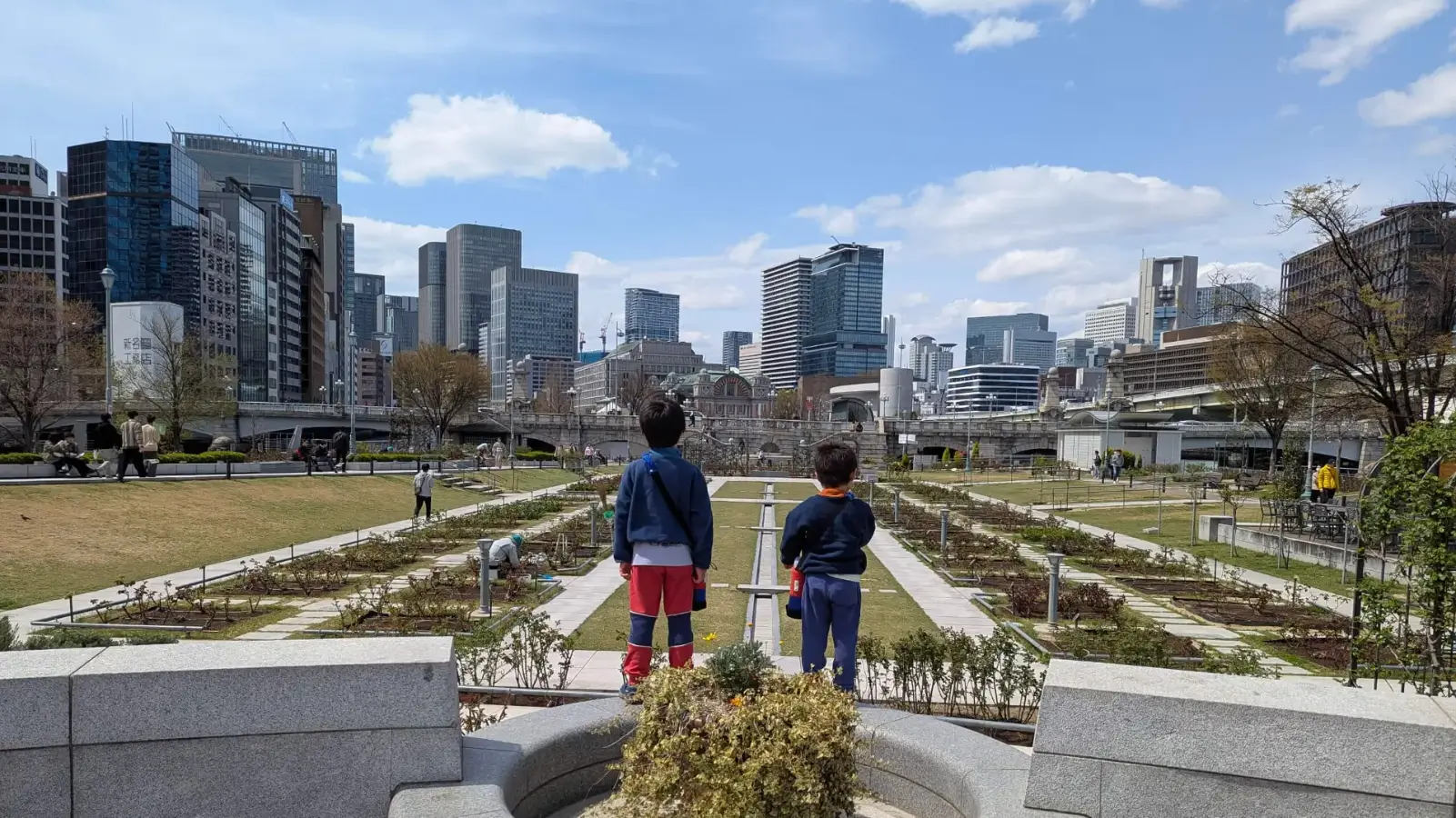
Every parent who has returned from Japan with kids says a version of the same thing: “I was not prepared for how much we walked.” The walking is the primary operational risk on a Japan family trip, and it affects every child profile differently.
A conservative Japan day covers 15,000 steps. A full touring day in Tokyo or Kyoto regularly reaches 20,000. The distance is not the issue. The issue is cumulative physical depletion across a multi-week trip, compounded by jet lag in the first three days and travel excitement that masks fatigue until it becomes a meltdown.
For Sprinter children, the physical ceiling arrives faster than any itinerary accounts for, often by early afternoon on the second or third day. For Dynamo children, the walking is manageable but the queue environments at popular attractions become the breaking point. For Sensor children, it is not the walking but the sensory density of the transit environments, particularly major station hubs like Shinjuku or Osaka’s Namba, where the sensory load of crowds, station announcements, and transit noise can push a sensitive child toward overload faster than parents anticipate. For Anchor children, the combination of unfamiliar food environments and disrupted sleep schedules burns through their regulatory capacity before the walking even registers.
Knowing your child’s profile before you arrive is the single planning decision that most changes how Japan feels. Families who arrive without it spend their first two days reverse-engineering this framework from experience.
LuNi Intel: A lightweight stroller is worth bringing for children up to age six, not because they cannot walk, but because it functions as a portable rest station in queue environments, long station transfers, and shrine grounds where the distances between points are significant and there is nowhere to sit. Families who leave the stroller at home discover this on day two and spend the rest of the trip compensating.
Common Hesitations, Answered Directly
Parents considering Japan as a first international trip tend to arrive with a specific set of concerns. Most of these concerns are legitimate questions about real friction points. None of them are reasons not to go.
“The train system will be too complicated.”
Japan’s rail network is genuinely complex in its totality. For a family visiting Tokyo, Kyoto, and Osaka, it is not. The lines families use most are color-coded, clearly signed in English, and predictably scheduled. The Suica or ICOCA IC card eliminates ticketing decisions entirely: tap in, tap out, and the fare is deducted automatically. Children under six travel free on most transit. The system rewards preparation, not fluency.
“My children are too loud or energetic for Japan.”
Japan values quiet in specific contexts: trains, shrines, and traditional ryokans. It does not extend this expectation to children universally. Restaurants, parks, and most outdoor public spaces operate with normal tolerance for child behavior. Japanese locals are consistently patient with foreign families and their children in ways that first-time visitors rarely anticipate.
“We will get Temple Fatigue within three days.”
Only if you build an itinerary that ignores your children’s actual engagement threshold. The families who experience Temple Fatigue have stacked four or five historical sites in a single day without discharge space between them. The correct structure alternates: a shrine visit followed by an open park, a museum followed by a food market, a cultural site followed by an hour of genuinely unstructured time. Japan supports both without requiring a difficult tradeoff.
“Picky eaters will struggle.”
This is the most consistently wrong assumption families bring to Japan. The convenience store network alone provides rice balls, plain chicken, soft bread, familiar noodles, and recognizable snacks in every neighborhood. Restaurant menus in tourist areas frequently include photographs. Ramen, udon, tempura, and plain rice are available in every city. Most picky eaters adapt within 48 hours.
Why Japan Works at Every Age
Japan does not have a single optimal child age for a first trip. It has a different set of advantages at each stage, and the country’s infrastructure accommodates all of them without requiring significant itinerary modification.
Toddlers and Young Children (Under 5)
Toddlers benefit from Japan’s stroller-accessible transit, the novelty of konbini culture as a snack and entertainment resource, and the low ambient danger of the public environment. The primary challenge is the walking load and the jet lag window, which typically runs three to four days for children in this age group. Families with toddlers should plan their first two days as orientation days, not touring days. In practical terms, that means a short neighborhood walk, a stop at the nearest konbini, and a visit to a low-stakes open space such as Shinjuku Gyoen or a local park. Nothing else. The itinerary begins on day three.
The LUNI Framework
Most families skip this.
It's why Day 3 falls apart.
The LUNI Profile Quiz identifies the specific planning adjustments your child needs. Three minutes now saves the whole trip.
School-Age Children (5 to 11)
This is the age group for which Japan delivers the most consistently outstanding first international trip experience. Children in this range are old enough to remember the trip, old enough to participate in cultural rituals, and young enough to find the novelty of everyday Japan genuinely exciting. The Suica card tap, the conveyor belt sushi, the train window view, and the shrine stamp book are each a discrete source of engagement that parents do not have to manufacture.
Teenagers
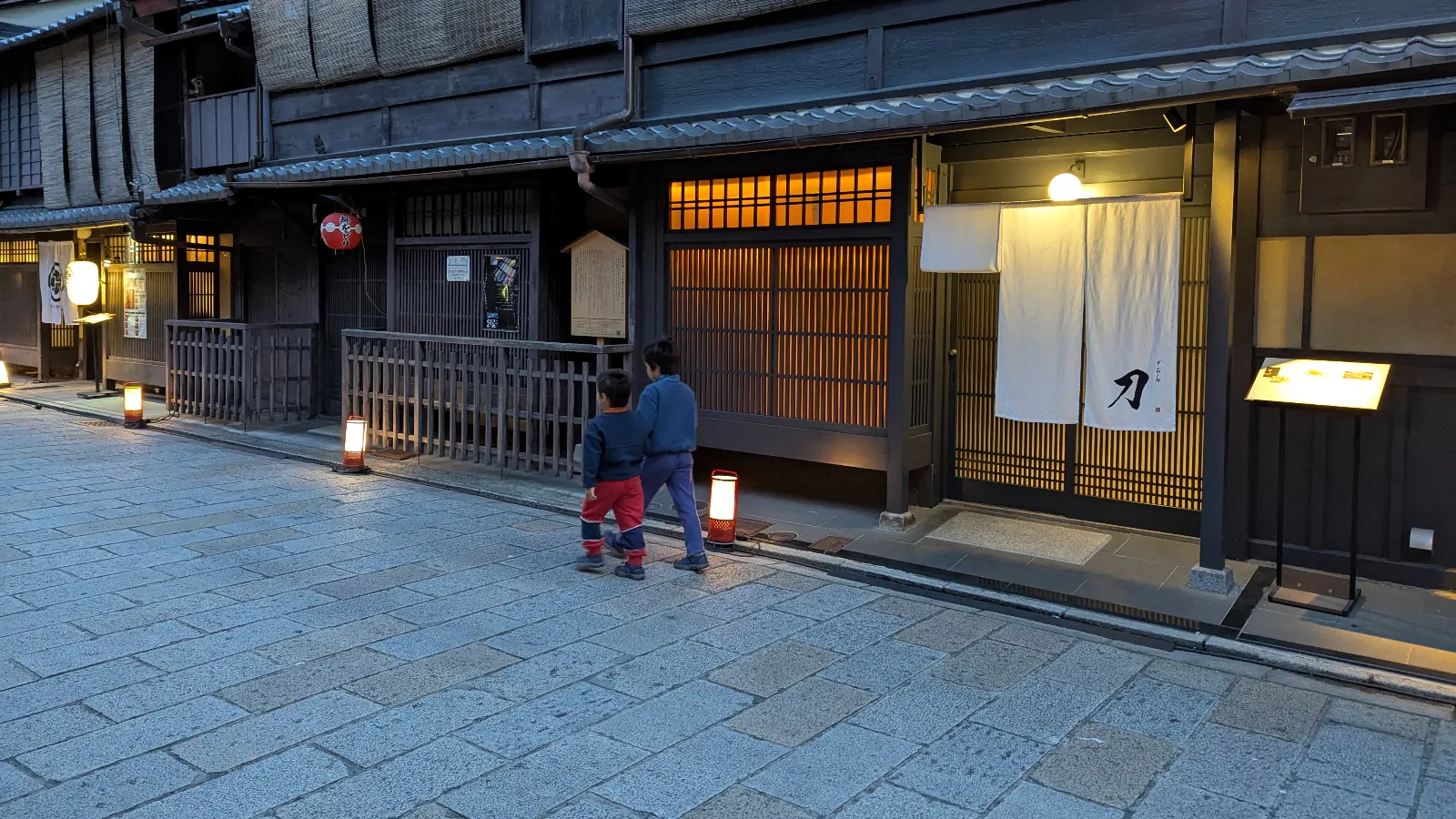
The common concern about teenagers and Japan is that the country is too culturally constrained to hold their interest. The reality is the opposite. Akihabara’s electronics and gaming culture, Harajuku’s street fashion, the food scene in Osaka, and the physical freedom of navigating Tokyo on a transit card are all independently compelling to most teenagers. The practical decision to make before you book: identify two or three neighborhoods in each city that your teenager can explore on their own for a defined window, with a meeting point and a time. Japan is safe enough to allow this, and the transit system is legible enough that most teenagers can manage it independently by day two. That operational freedom, not the sightseeing, is what makes Japan genuinely memorable for this age group.
Parent Insight: The shift that most parents describe after their first day in Japan is not about what they saw. It is about what they stopped doing. The hypervigilance that accompanies parenting in unfamiliar environments, the constant scanning, the proximity monitoring, the instinct to say “be careful,” quiets faster than expected in Japan. When it does, something becomes possible that is difficult to engineer at home: the child navigates independently, and the parent witnesses it without intervening. That moment, a child tapping their own transit card or confidently walking toward a shrine gate, is not a side benefit of a Japan trip. It is the developmental outcome that makes the trip worth doing.
Essential Planning Decisions Before You Book
The families who have the smoothest first international trip to Japan are not the most experienced travelers. They are the most prepared planners. The preparation that matters is specific, not general.
Establish your child’s travel profile before you lock in any bookings. The Family Fit framework identifies whether your child is a Dynamo, Sensor, Anchor, or Sprinter, and each profile changes which hotels to book, which attractions to prioritize, and how many transitions your itinerary can sustain without a breakdown.
Choose your base city deliberately, not aspirationally. Tokyo is the correct first base for most families because it has the highest concentration of family-supporting infrastructure and the most accessible English-language resources. Kyoto is a better second city than a first. Osaka rewards families who arrive with confidence, not those who are still finding their footing.
Plan for 7 to 10 days at minimum. Families who book five-day Japan trips spend two of them recovering from jet lag and arrive home without having understood what the trip was trying to show them. Ten days is the threshold at which children settle, routines establish, and the experience becomes something other than endurance.
Decide early whether the Japan Rail Pass is right for your itinerary. The JR Pass is one of the most searched Japan planning questions for first-time families, and the answer is not automatic. It is cost-effective for families moving between three or more cities on the Shinkansen, but not for families staying primarily in Tokyo. Running the numbers against your specific city sequence before you book prevents an expensive mistake in either direction. Our Japan Rail Pass guide covers the calculation.
Use the luggage forwarding system. Japan’s Takuhaibin service, available at hotels and convenience stores, ships bags directly between accommodations for approximately 2,000 yen per piece. For families moving between two or three cities, this converts a stressful transit day into a manageable one. It is not a luxury upgrade. It is a logistical decision that changes the energy budget of every travel day.
Pre-book the high-demand attractions. The Studio Ghibli Museum, certain teamLab venues, and peak-season ryokan rooms sell out weeks to months in advance. First-time families frequently discover this only after arriving in Japan.
RELATED GUIDE
The Japan First Trip Briefing: Essential Intel
A: Japan is the most structurally sound first international trip available to families with children. The combination of public safety, transit legibility, clean and accessible facilities, and a cultural environment that is patient with children removes the operational friction that makes first international trips difficult. Most families find Japan significantly easier than they expected.
A: Japan is consistently ranked among the safest countries in the world for families. Streets, stations, and public areas operate with a predictable calm that allows parents to reduce their vigilance level quickly. The absence of ambient threat, combined with a culture of orderly public behavior, creates a travel environment where children adapt fast and parents relax faster than on most international trips.
A: For the destinations and experiences a first-time family is most likely to visit, the language barrier is minimal. Major transit hubs carry comprehensive English signage. Restaurants in tourist areas use photographs or plastic food displays. Convenience stores operate universally. Most families navigate Japan for 10 days without a meaningful language barrier experience.
A: Japan works well at every age above toddlerhood, but the 5 to 12 range consistently delivers the most independently memorable experience for children. School-age children are old enough to engage with cultural specifics, young enough to find novelty in everyday Japan genuinely exciting, and capable of building the kind of travel confidence that makes international trips worth doing early.
A: Ten days is the practical minimum for a first Japan trip to feel complete rather than rushed. This allows two to three days of jet lag recovery, a primary base of five to six nights, and at least one secondary city without creating a pace that exhausts the child it is supposed to engage. Families who book seven days consistently report they needed more time.
A: Japan’s public transportation is the most family-manageable transit system available to international visitors. Trains run on exact schedules, are clearly signed in English and Japanese, and accommodate strollers with designated spaces and elevator access at most major stations. The IC card system (Suica or ICOCA) eliminates ticketing complexity entirely for day-to-day use.
A: Picky eaters adapt to Japan faster than parents expect. The konbini network provides rice balls, plain noodles, soft bread, mild fried chicken, and recognizable snacks at every hour in every neighborhood. Restaurant menus in tourist areas include photographs. Ramen, udon, and plain steamed rice are universally available. Families who manage picky eaters at home find Japan surprisingly workable.
A: No. The primary infrastructure families use, transit, accommodation, and convenience stores, operates with sufficient English signage and visual communication that language fluency is not a prerequisite. Google Translate’s camera function handles most remaining situations. First-time families consistently report the language barrier was significantly smaller than they anticipated.
What Comes Next
The decision to make Japan a first international trip is the right one. The next decision is how to structure it around the specific child making the trip. Start with the Japan Family-Friendly Travel Hub for the complete guide architecture, then use the Planning a Family Trip to Japan guide to build the foundational itinerary decisions: city sequencing, accommodation zones, and the profile-specific pacing that determines whether this trip is genuinely memorable or simply survived.
