Tokyo Disney Premier Access:the family case for buying it.

- The Price
- ¥1,000 to ¥3,500 a person, fixed per ride
- What It Is
- A paid slot for one ride or show
- Where to Buy
- Inside the park: the app, or a counter
- At Tokyo Disneyland
- From ¥1,000; Beauty and the Beast is ¥2,500
- Children
- Ages 4 and up buy their own
Whether the paid pass is worth it for a family, and which purchase to make first on a Fantasy Springs day.
Some links on this page are affiliate links. LuNi may earn a commission at no extra cost to you.
Premier Access costs ¥1,000 to ¥3,500 per person, and each ride or show has one fixed price, so a Saturday costs what a Tuesday does. Classic rides sit at ¥1,000 to ¥1,500; high-demand rides and all three Fantasy Springs attractions at ¥2,000 to ¥2,500; shows at ¥2,500; a seasonal parade at the top. It is bought inside the park, in the app or at a counter, and children aged 4 and above need their own purchase. It can sell out, so the day’s first purchase goes on the ride your child would most hate to miss.
What it costs, and why it is not optional.
Whether that is money well spent comes down to a premise at the center of The LUNI Framework: family travel runs on three currencies, not two. Money and time are the two every parent tracks. The third is the child’s Reserve, their finite capacity to absorb what the day asks. A two to three hour standby line does not only cost time. It spends Reserve, all at once, early, in the least recoverable way. Premier Access protects that third currency. That is the case for buying it, and it reads differently for different children.
| Price (Per Person) | What It Covers | Where |
|---|---|---|
| ¥1,000 to 1,500 | Classic rides | Both parks |
| ¥2,000 to 3,500 | High-demand rides, parades, and shows | Both parks |
| ¥2,000 to 2,500 | Fantasy Springs: Frozen Journey, Peter Pan’s Never Land Adventure, Rapunzel’s Lantern Festival | DisneySea |
Classic rides
Both parksHigh-demand rides, parades, shows
Both parksFantasy Springs trio
DisneySeaA child who has spent months imagining a ride arrives carrying that anticipation as something fragile, and a long standby wait does not just tire them. It drains the very excitement they came holding. What Premier Access protects is not only the schedule but the version of the child who steps off the ride still thrilled rather than spent, and that is the difference parents remember long after the cost is forgotten.
Which ride to buy first.
Premier Access is sold in limited numbers and can sell out. The buying order, not the ride list, is what families need.
Because supply is limited, the first purchase of the day carries the most weight. It goes on the ride the child would be most upset to miss, bought the moment the app allows, and every later purchase is a bonus on top of it. A “decide after lunch” approach leaves the ride that mattered most to chance.
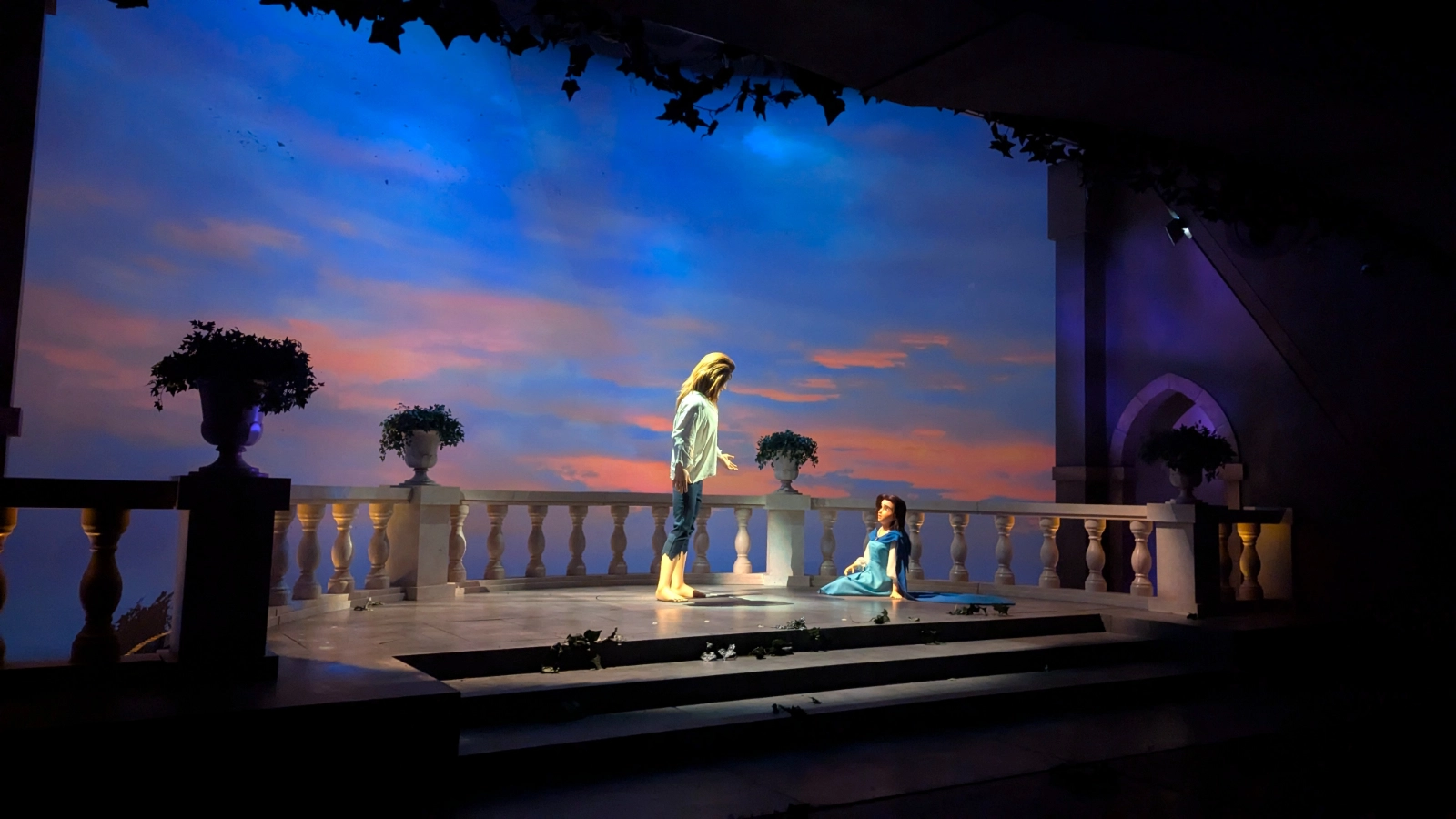
At Disneyland, Beauty and the Beast sells at ¥2,500; Baymax’s Happy Ride, Splash Mountain, Big Thunder Mountain and Pooh’s Hunny Hunt at ¥1,500; Monsters, Inc. at ¥1,000; and Haunted Mansion at ¥1,000 through January 7, 2027.
How to buy it without losing the slot.
For a family buying in the app, the gap between entering the park and losing the best windows is narrow. Preparation the night before is what buys speed at the gate.
One detail decides more than any step. A slow connection does not just delay the purchase. It can stall the payment page until the slot is gone, in real time, while the confirmation screen still loads. That is the moment a child is told they cannot ride the attraction they have talked about for months, and it is avoidable. Secure a reliable Japan data plan independent of the park’s network, link tickets and add a card the night before, and the only action left at opening is tapping purchase.
The family strategy.
Premier Access is the paid layer on top of a system that already rewards families who plan ahead. Used alongside the free tools, it stretches a single park day further than any of them alone.
Buy within the first 30 minutes of entering. The tightest windows are the spring holidays in late March and early April, Golden Week, the mid-July to late August summer break, and the Christmas and New Year period. Autumn and early winter weekdays are the calmest.
Premier Access is the paid layer, not the only one.
Two free systems run independently of it. Entry Request is an in-app request for set shows, parades and character greetings, made once you are inside the park, and not every request succeeds. Standby Pass is a virtual queue that removes the wait in person. There is no daily cap on Premier Access: a second becomes available 60 minutes after the first, or once the current window begins. A family that enters at opening and moves efficiently can stack three to four reservations across the day, and running all three systems together delivers the highest attraction count without paying for every ride.
The purchase is open. The rides are not.
For toddlers, the highest-value buys are the height-free rides: Beauty and the Beast, Rapunzel’s Lantern Festival, and Frozen Journey. Once children clear the 102 cm and 117 cm marks, Soaring, Tower of Terror, and Journey to the Center of the Earth come into range. The value grows with each mark a child clears, because more of the high-demand list comes into range.