Kamakura collection
Kamakura, for families.
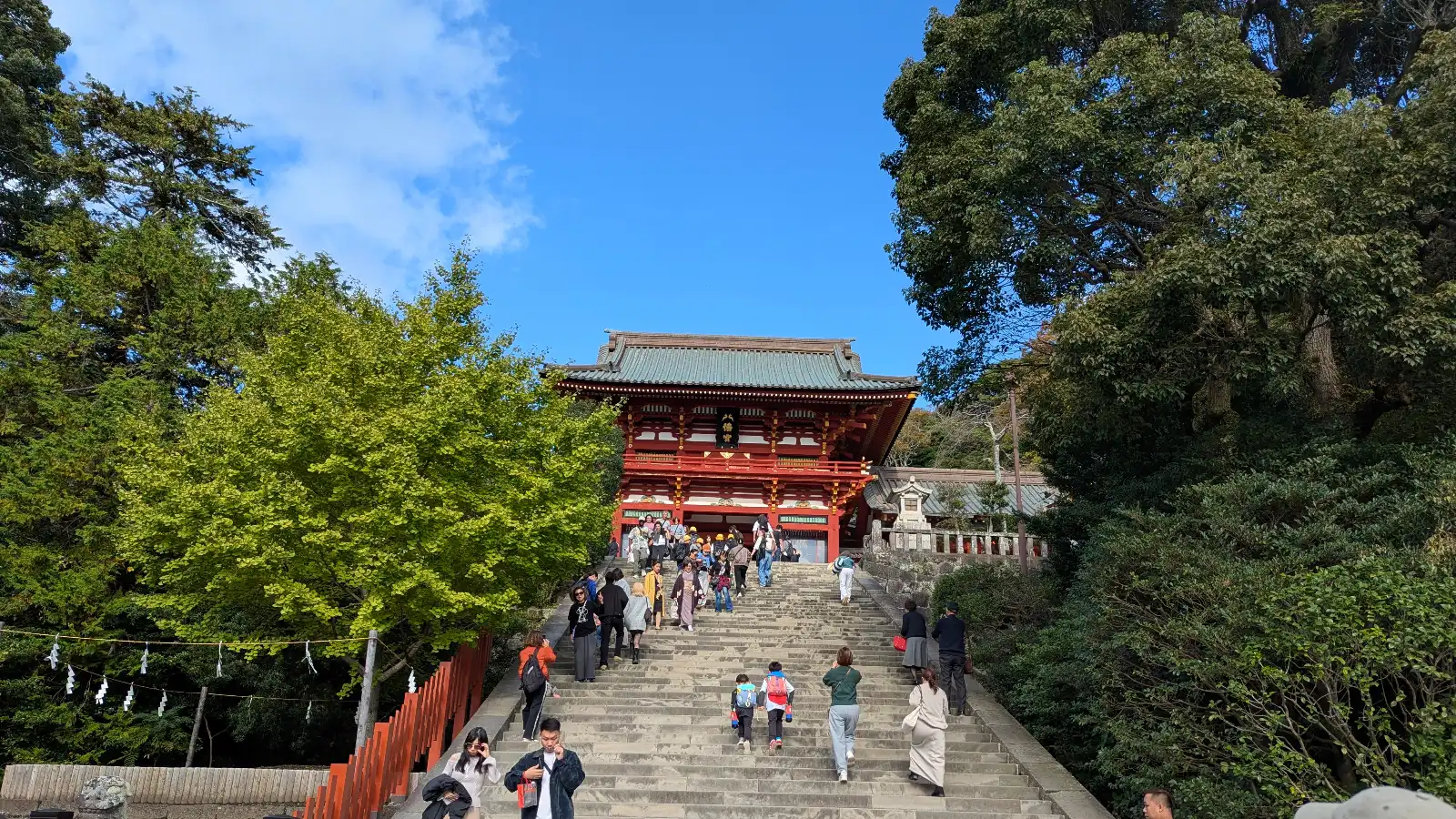
Kamakura rewards a slow day more than a full one: a great Buddha a child can step inside, a temple terrace that looks over the sea, and a shrine at the top of a long stone stair.
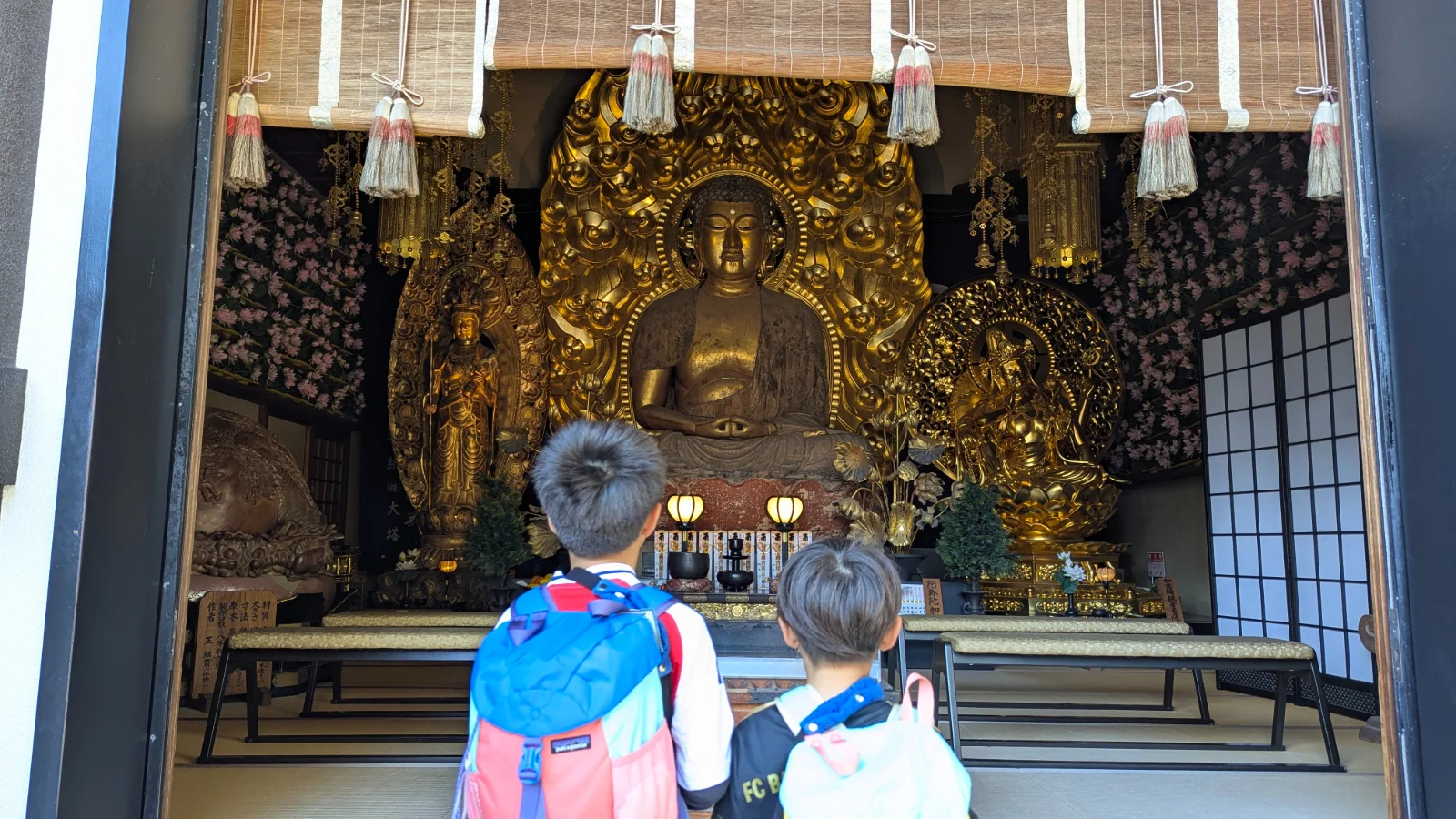
- Recommended stay
- 1 to 2 nights
- Sleep over and all three headline sights fit, unhurried.
- Best approach
- Day trip or overnight
- A day trip means choosing: the Buddha and Hasedera, or the shrine.
- From Tokyo
- About an hour by JR
- The Yokosuka Line from Tokyo Station; the Enoden runs the coast.
- Base for the night
- Kamakura Station or Hase
- Hase puts Hasedera and the Great Buddha under ten minutes on foot.
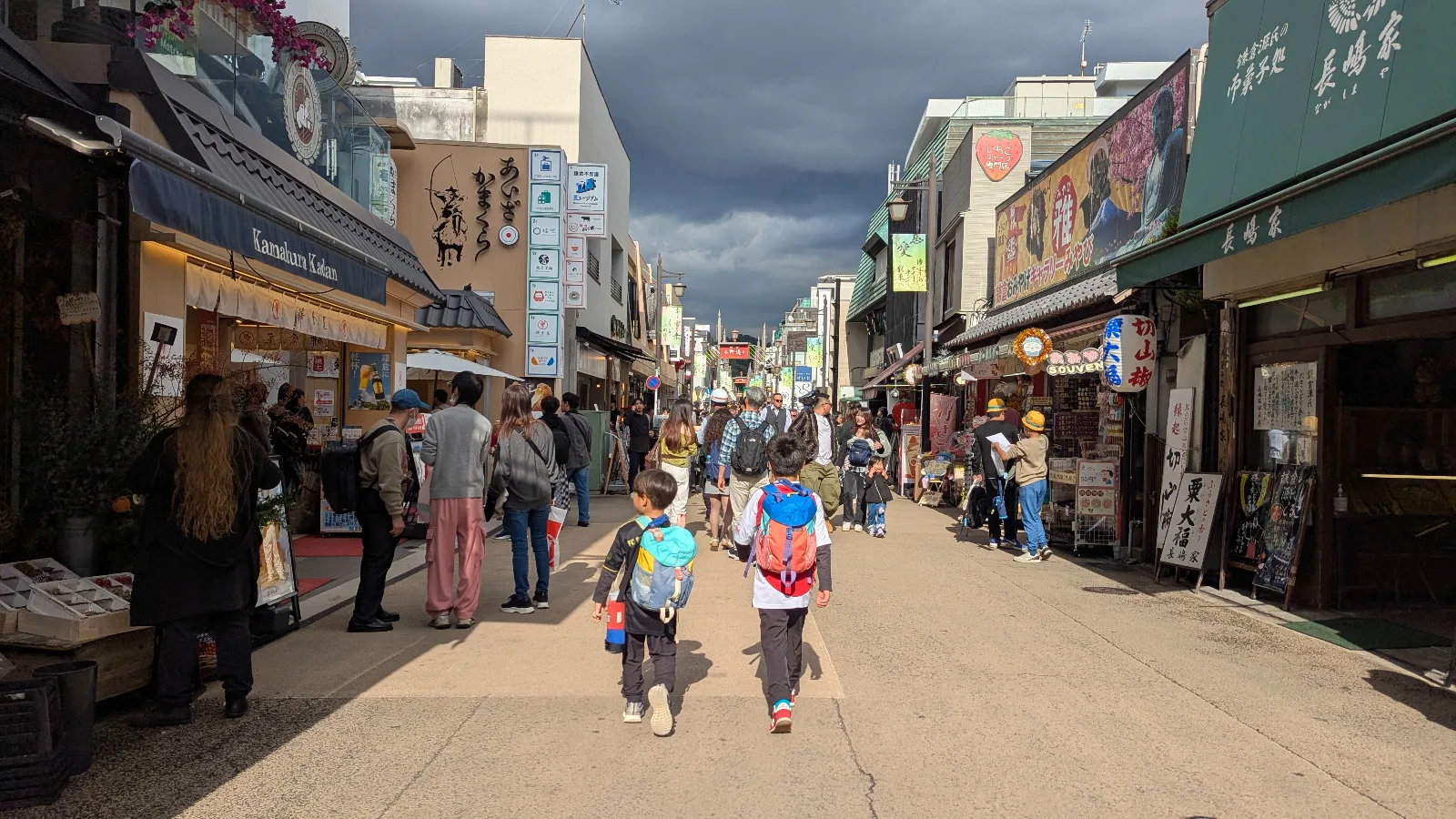
- Room to run
- Seaside Park and Yuigahama Beach
- Open lawns and flat sand between the temple stops.
The one decision
Stay the night, or choose two of three.
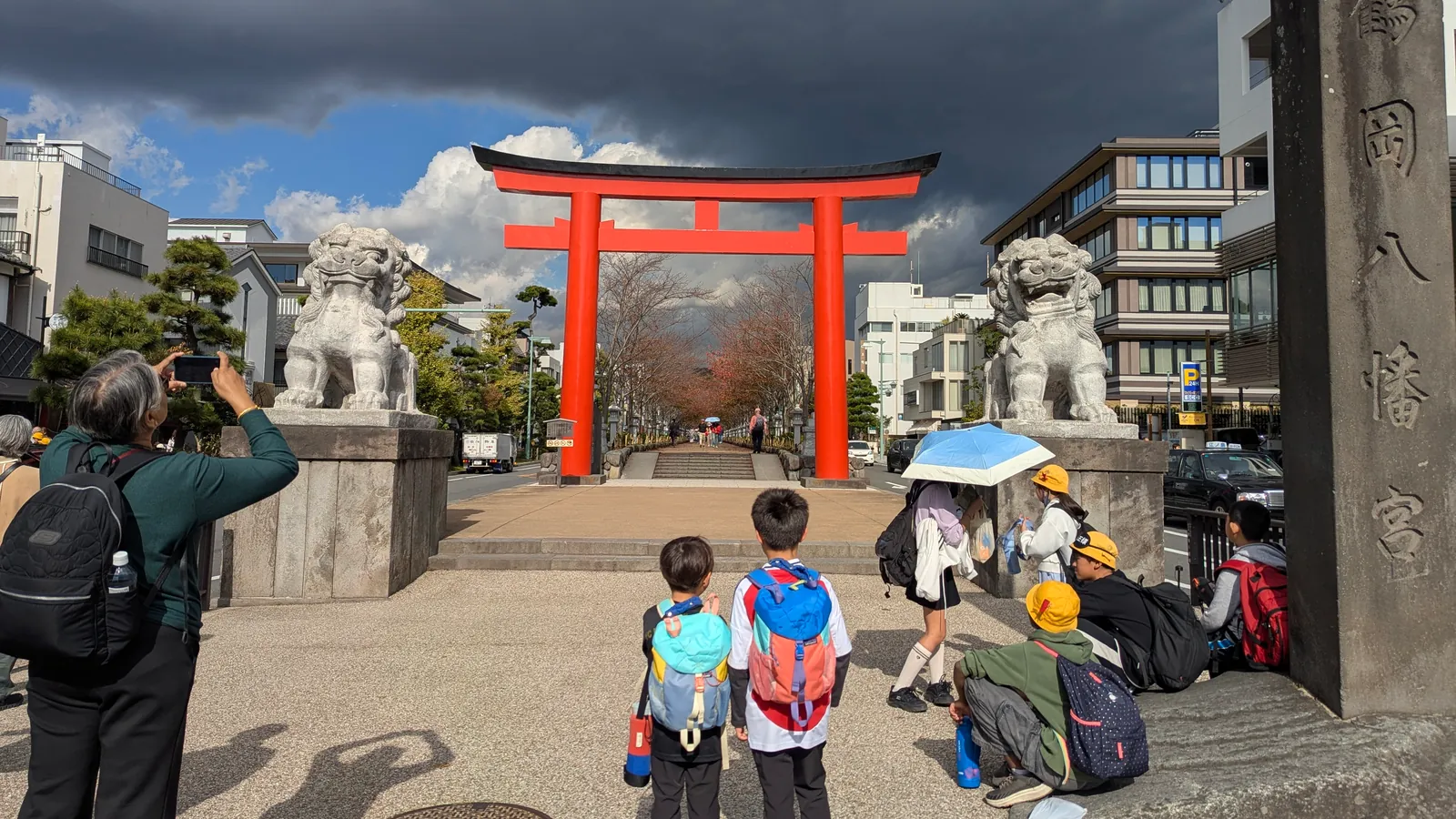
The Great Buddha and Hasedera sit together near Hase; Tsurugaoka Hachimangu and its long stone stair are up the line. On a day trip from Tokyo, a family does one side well, not both.
Our advice: on a day trip, pair the Buddha with Hasedera; stay over and the shrine gets a morning.
Things to do in Kamakura
Pair the Buddha with Hasedera for one outing, and give the shrine and its stair a morning of their own.
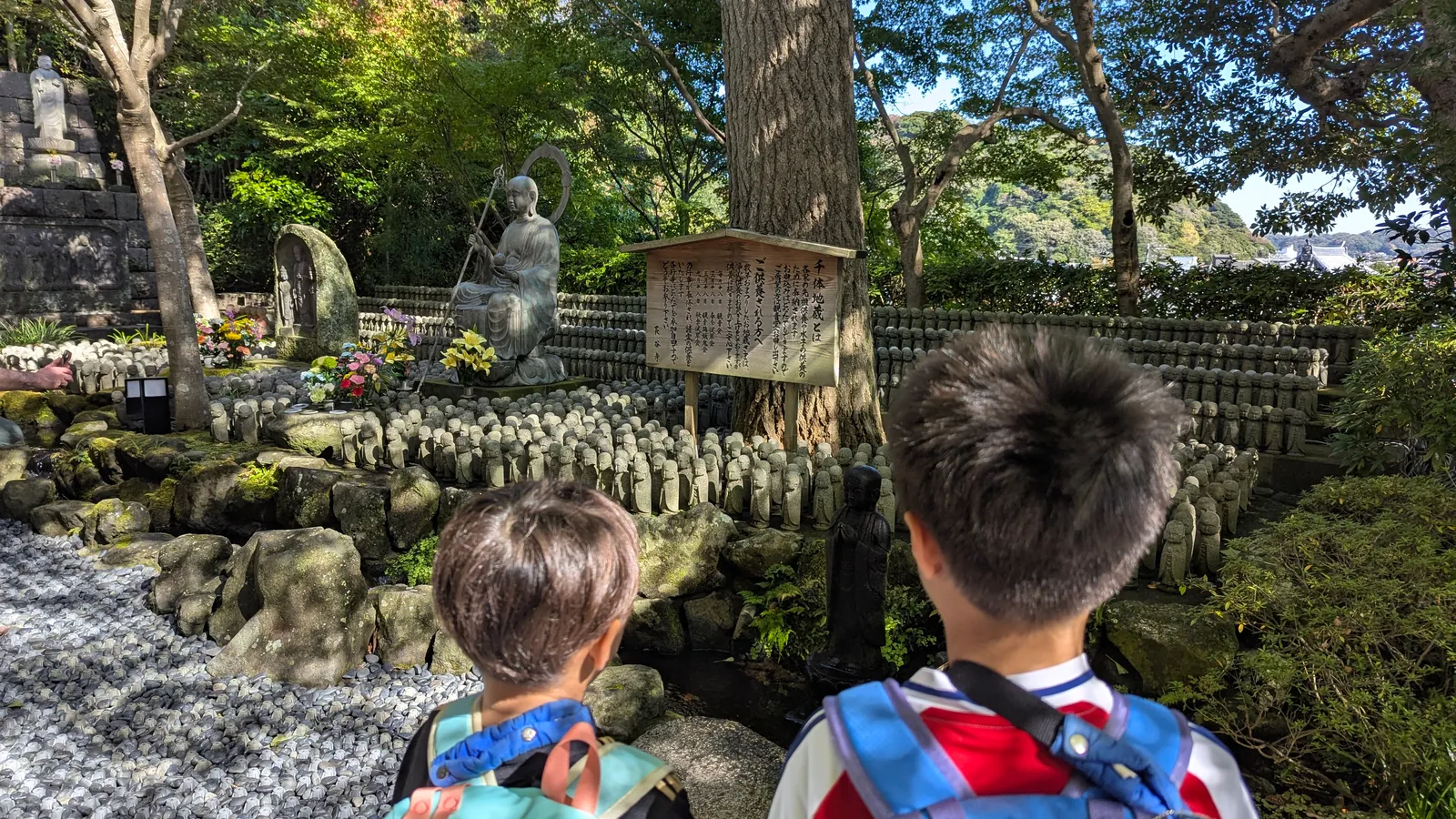
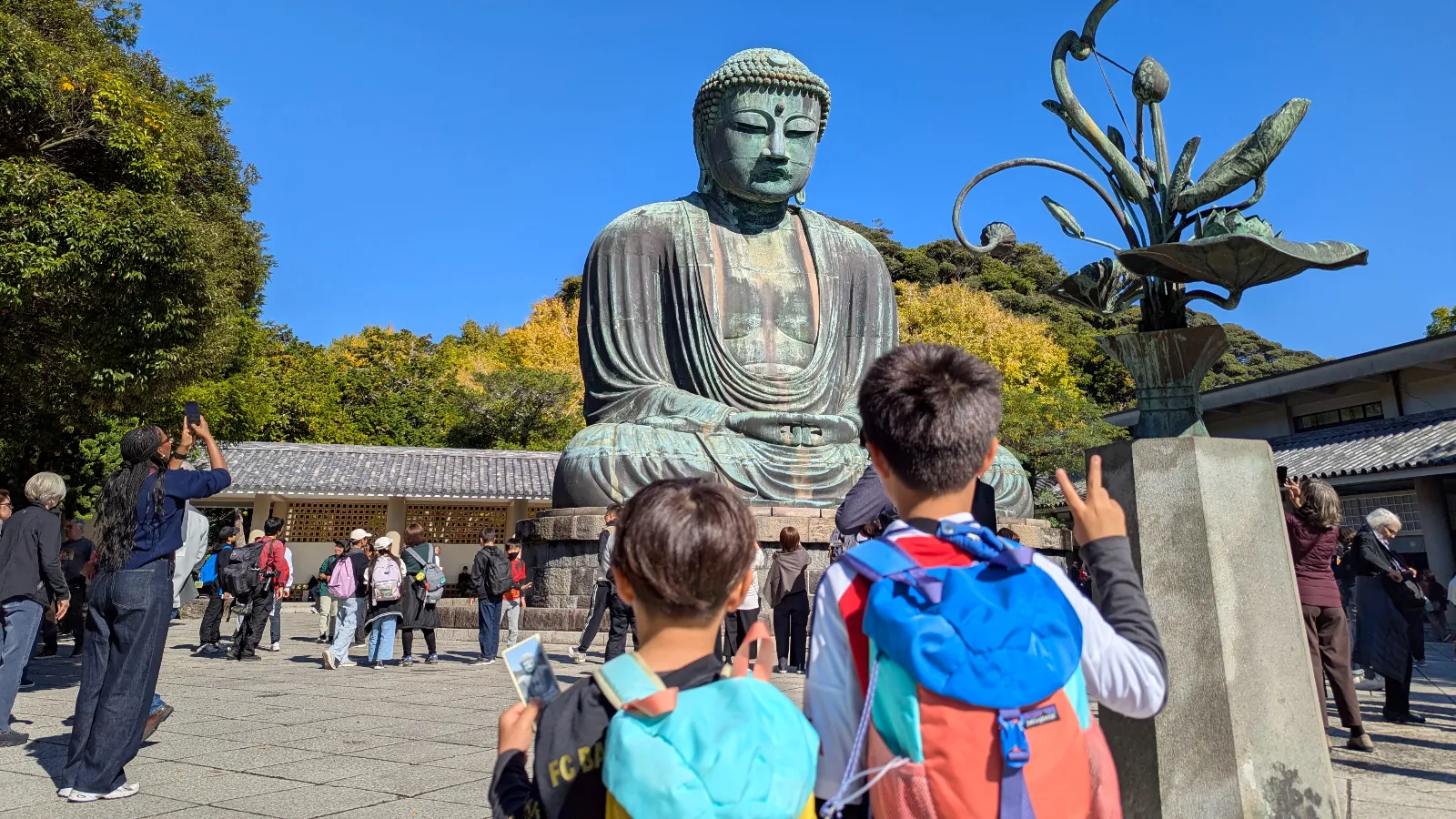
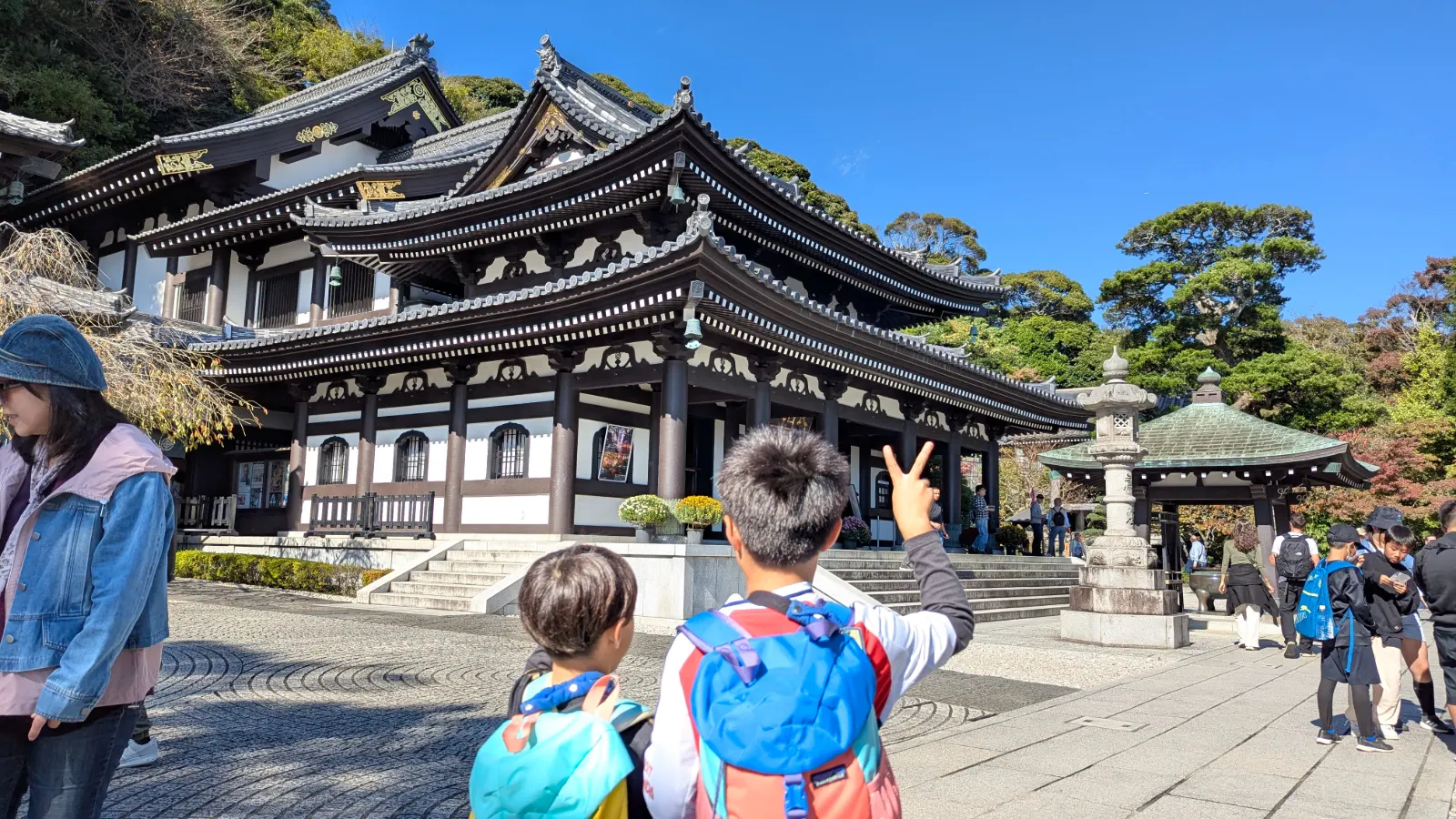
Day trip or overnight
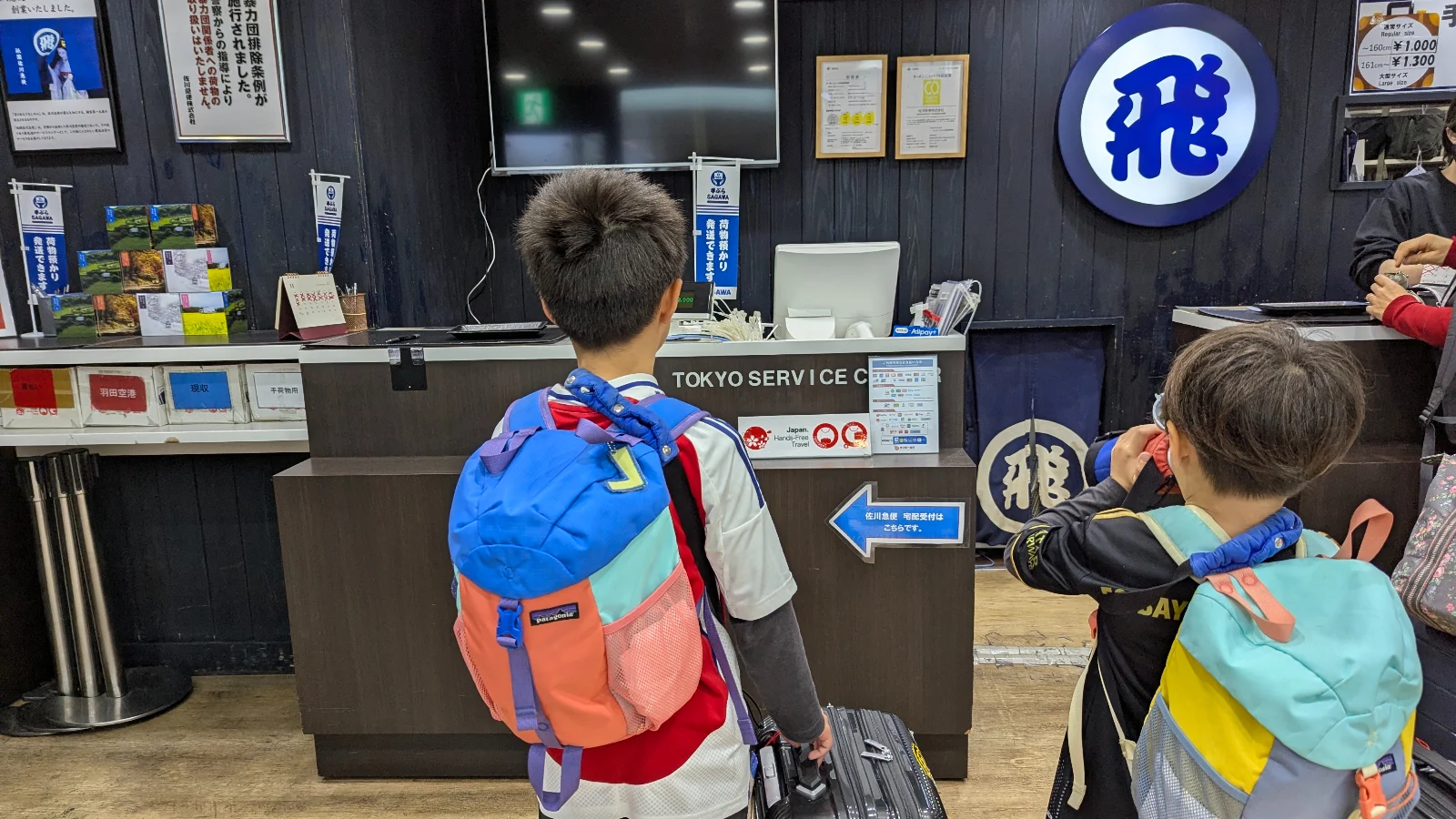
Sleep over and the temples get an unhurried start; come for the day and the bags stay at the Tokyo hotel.
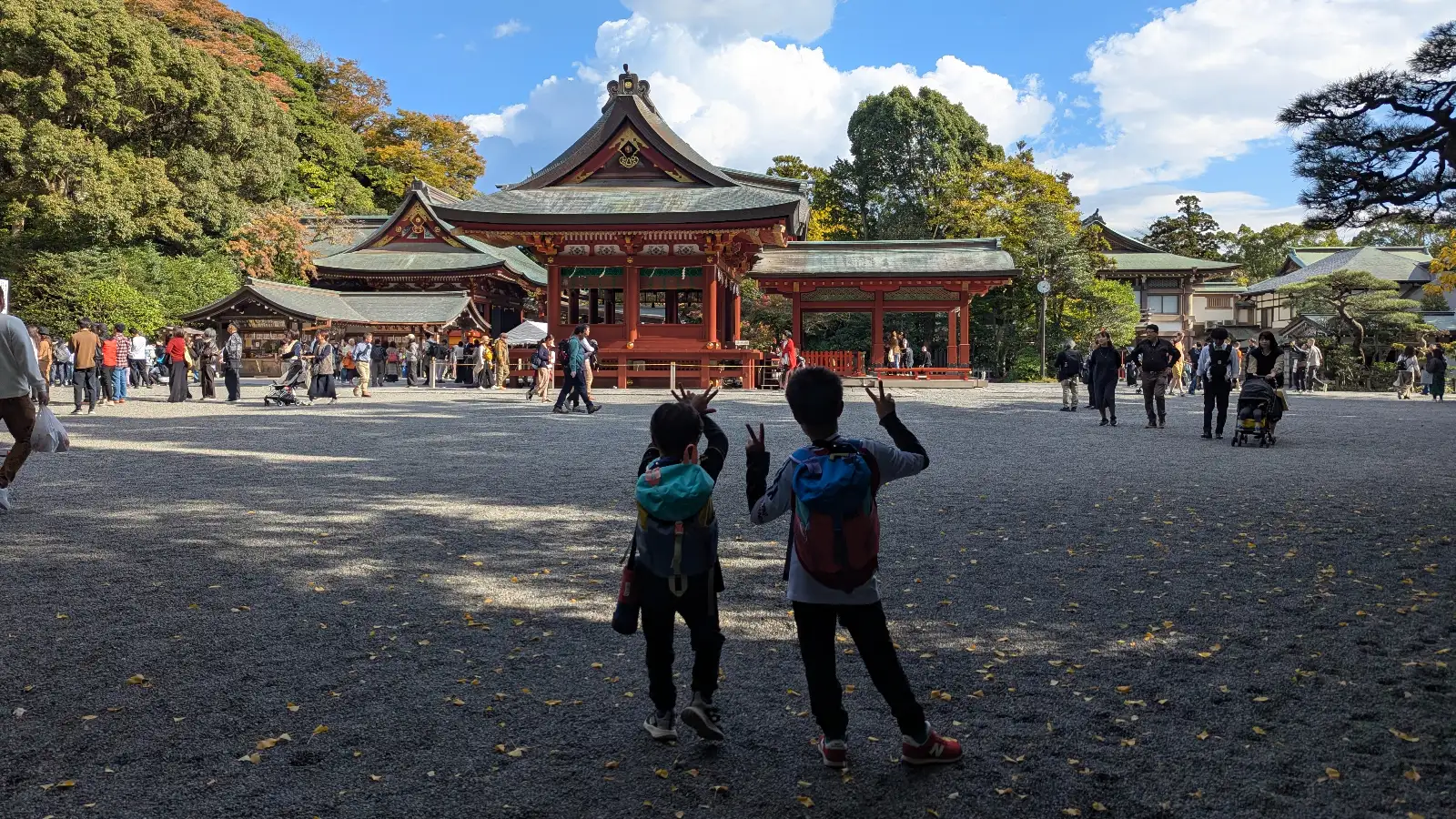

Kamakura on the wider Japan map





What Kamakura spends
Kamakura is paid for in stairs.
Most of Kamakura sits close together, but little of it is flat. The shrine stands at the top of a long stone stair, Hasedera climbs above the sea, and on a day trip the train back to Tokyo sets the clock.
The LUNI Framework counts the visit in money, time and the child’s Reserve. The fares are small here; the Reserve goes on the steps and hurrying for a train, and a night in town takes the hurry out.
Two temples done slowly beat three done in a rush.
A planning lens, not a clinical instrument. The framework is a way of seeing a trip in advance, not a diagnosis of the child. Questions about a child’s attention, sensory, anxiety, or developmental regulation belong with a pediatric or developmental professional.