
Planning a family trip to Japan and want to go beyond the usual tourist spots? This guide highlights hidden gems in Japan with kids, offering families a chance to explore quieter historic towns, wild nature escapes, and quirky villages that feel magical and undiscovered. If you’re searching for unique things to do in Japan with kids or building a hidden gems itinerary with kids, these destinations deliver meaningful experiences without the crowds. From northern coastlines to secret forest trails, we’ve selected the best hidden gem destinations in Japan that are fun, accessible, and perfect for curious young travelers. These family-friendly hidden attractions in Japan reveal a side of the country most visitors never see, turning each stop into an adventure filled with imagination, culture, and unforgettable family memories.
Planning your family adventure in Japan? Start with our Ultimate Guide to Family Attractions in Japan with Kids, where you’ll find the best temples, castles, museums, parks, and cultural experiences to pair with these hidden gems. For even more off-the-radar inspiration, explore our dedicated Off the Map Japan hub, filled with family-friendly destinations and lesser-known places across the country. To see how everything fits together across Tokyo, Kyoto, and Osaka, use our Japan 2-Week Itinerary with Kids as your starting point.
Best Hidden Historical and Cultural Attractions in Japan for Families
Japan is filled with historic towns, old trading ports, wooden teahouse districts, and cultural landmarks that families often overlook, yet these places offer some of the most rewarding kid-friendly adventures in the country. These hidden historical and cultural attractions give children space to explore at their own pace, whether they’re walking through centuries-old streets, discovering samurai legends, spotting unique architecture, or imagining what life once looked like in Japan’s quieter regions. For parents hoping to balance education, culture, and fun, these destinations blend meaningful storytelling with hands-on discovery, helping kids connect naturally with Japan’s history while avoiding the crowds found at more famous sites.
Dejima (Nagasaki)
Once an island of cultural exchange during Japan’s period of isolation, Dejima gives families the chance to walk through real Edo-era buildings and stories of Dutch traders. Kids love peeking into reconstructed houses, seeing old tools, and discovering how this tiny island connected Japan to the world.
Megane Bridge (Nagasaki)
One of Japan’s oldest stone arch bridges, Megane Bridge gets its name from the “spectacles” reflection it creates in the river. It’s a fun stop for kids who enjoy spotting the illusion, watching koi swim below, and exploring the surrounding historic streets.
Zuihoden Mausoleum (Sendai)
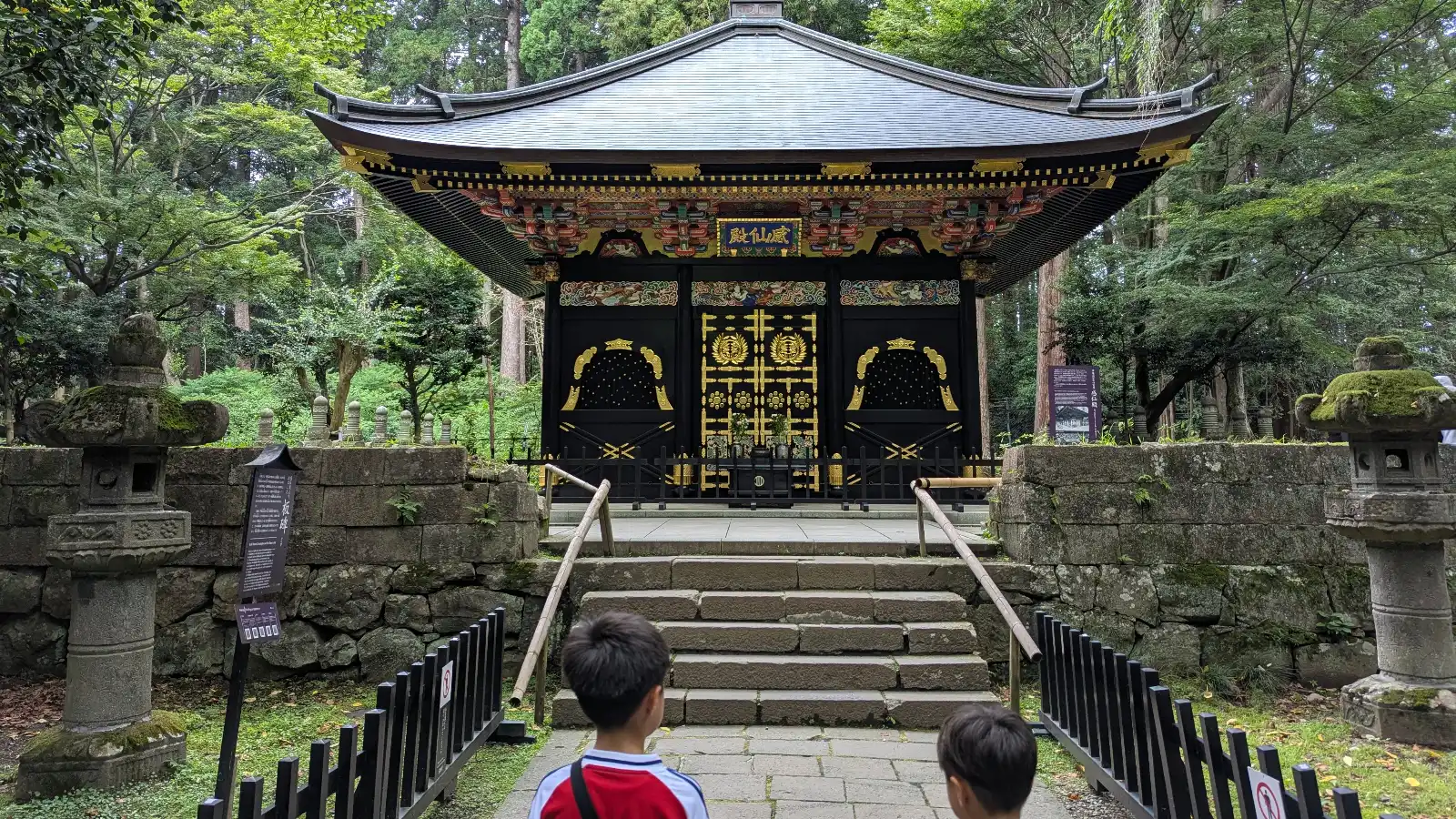
This ornate mausoleum of the Date samurai clan features colorful wood carvings, forested paths, and a quiet hillside setting. Families appreciate the stroller-friendly walkways and the chance to introduce kids to Japan’s feudal history in a peaceful, approachable environment.
Dai Kannon (Sendai)
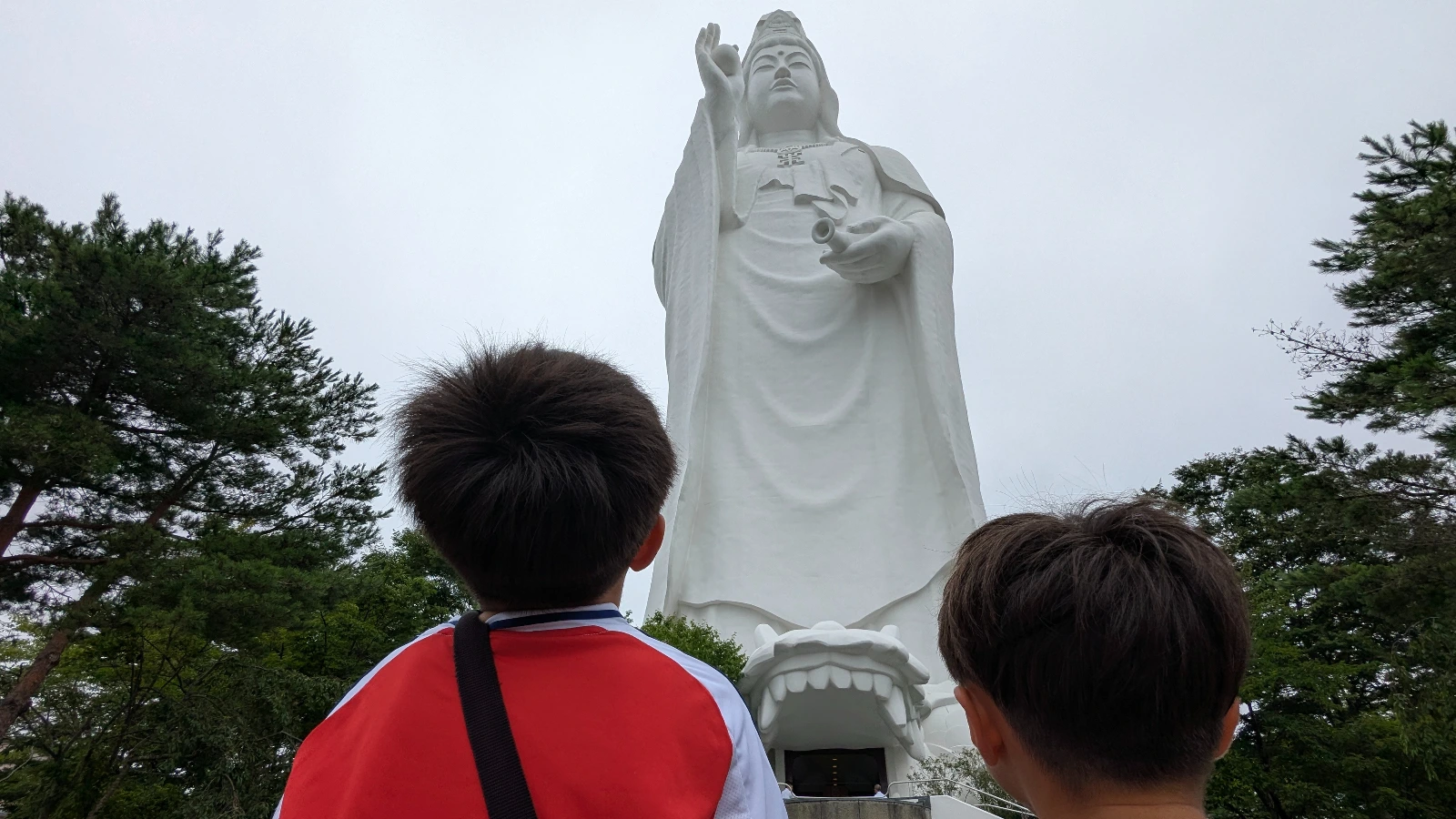
One of the tallest statues in Japan, Sendai’s Dai Kannon allows families to step inside and climb through several levels filled with small Buddhist statues. Kids love the elevator ride up and the feeling of “standing inside a giant,” while parents enjoy the panoramic city views.
Historical Village of Hokkaido (Sapporo)
This open-air museum brings Hokkaido’s past to life with over 60 preserved buildings from the Meiji and Taisho eras. Families can hop on a horse-drawn trolley in summer, wander through old schools and merchant houses, and learn how early settlers lived in Japan’s northern frontier.
Kanazawa’s Higashi Chaya District (Ishikawa)
A beautifully preserved geisha district with wooden teahouses, narrow alleys, and shops selling gold-leaf treats, Higashi Chaya is a gentle way for kids to explore traditional Japanese streets. Parents love the photogenic architecture, while kids enjoy hunting for hidden side paths and sweet shops.
Ouchi-juku (Fukushima)
This Edo-period post town feels frozen in time, with thatched-roof houses lining an old highway between Aizu and Nikko. Families can climb to a hilltop viewpoint, try local soba noodles, and experience what travel looked like hundreds of years ago in rural Japan.
Tsuwano (Shimane)
Known as “Little Kyoto,” Tsuwano charms families with its quiet castle-town atmosphere, koi-filled waterways, and old samurai residences. Kids especially enjoy feeding the colorful carp and riding the small Taikodani Inari Shrine lift up the hillside.
Iwami Ginzan Silver Mine (Shimane)
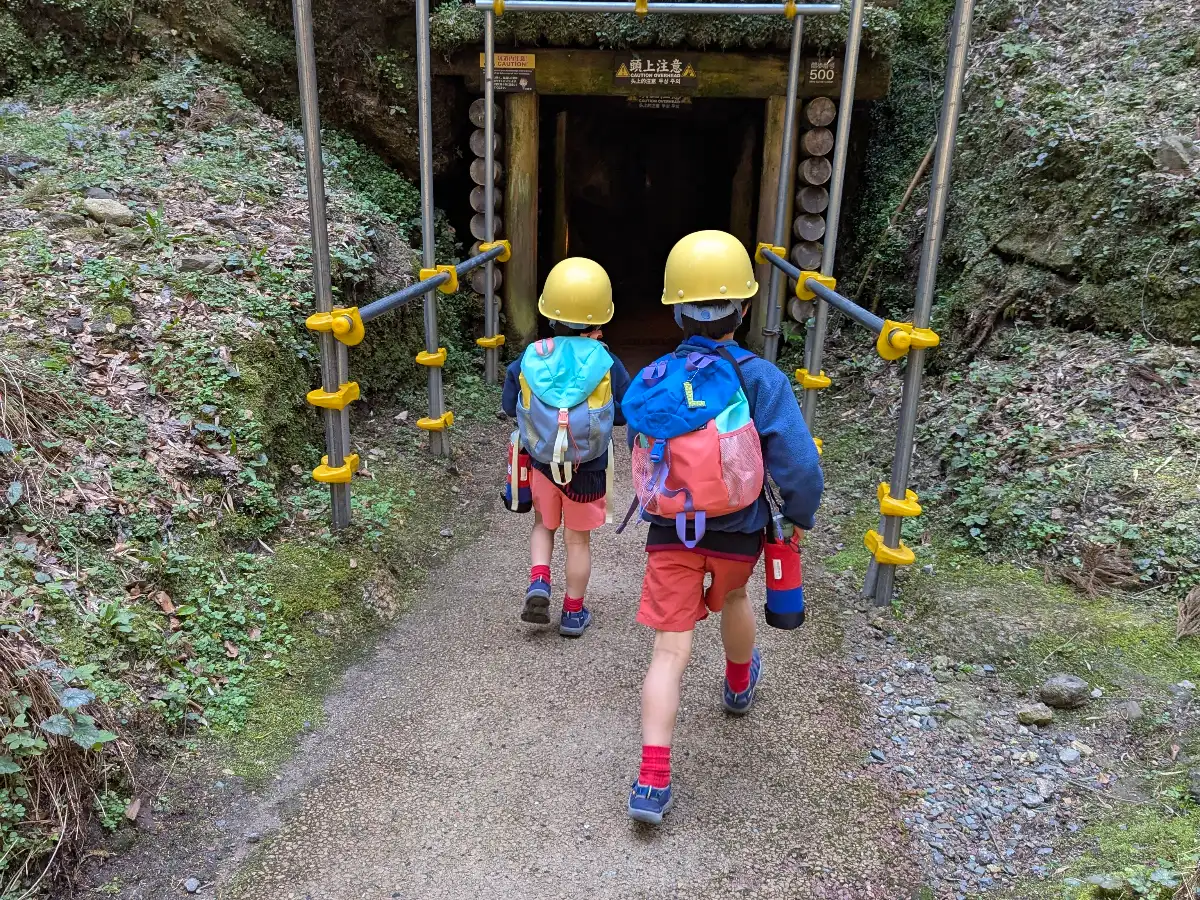
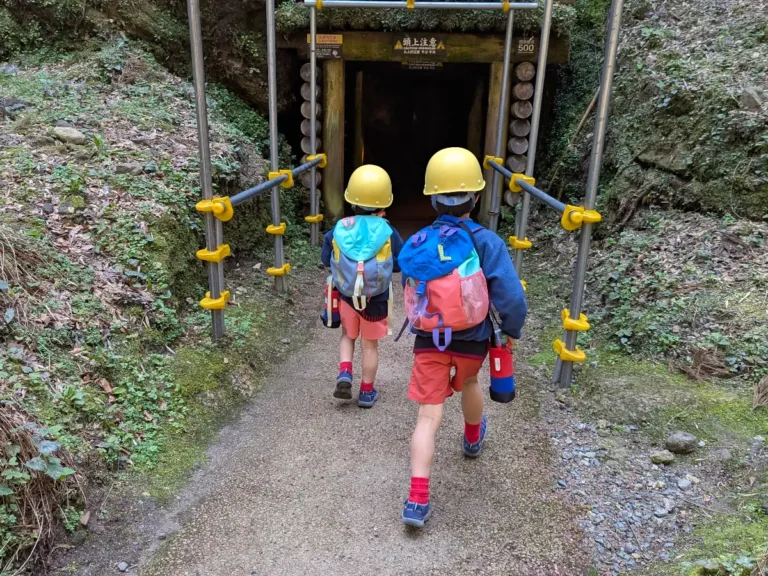
A UNESCO World Heritage Site hidden in the quiet mountains of Shimane, Iwami Ginzan lets families walk peaceful village streets, explore old merchant homes, and venture into a real silver-mine tunnel that kids find thrilling. The gentle forested trail, historic atmosphere, and lack of crowds make this one of Japan’s most rewarding cultural hidden gems for families.
When planning a route that mixes cities with quieter rural stops, our Planning a Family Trip to Japan guide helps families build kid-friendly itineraries that balance adventure and rest.
The Family Fit Reality
Researching the endless details of a Japan family trip, from figuring out what to pack to managing your daily yen budget, is a massive undertaking that requires careful logistical preparation.
But here is the hidden trap most parents miss: all the practical preparation in the world won’t save your trip if your entire vacation hinges on the hope that “everyone will just cooperate”. If your plan collapses the moment someone gets overstimulated, it is built on hope, not capacity.
Removing the stress from this trip requires understanding exactly how your child processes a foreign environment. An Anchor needs you to pack specific familiarity tools to feel safe, and a Sensor needs you to plan for sensory overload before it happens. A Sprinter requires a strict physical energy budget to prevent exhaustion, while a Dynamo needs you to rewrite the standard rules of travel so they aren’t constantly being shushed in a culture that rewards stillness.
Stop guessing and discover exactly how your child’s energy is wired to travel. Before you finish your general planning, take the free, 60-second Family Fit Check to identify your family’s exact profile and unlock the personalized strategies that prevent daily meltdowns.
Best Hidden Nature Spots in Japan to Explore with Kids
Japan’s natural landscapes are full of wild gorges, ancient forests, coastal lookout points, and peaceful national parks that remain untouched by heavy tourism, and they make amazing outdoor classrooms for kids. These hidden nature spots let families slow down, breathe fresh air, and explore Japan’s wilderness in a way that feels adventurous but still accessible. Whether your kids love climbing rocks, spotting wildlife, chasing waterfalls, or simply exploring open trails without crowds, these destinations offer unforgettable outdoor experiences that reveal Japan’s quieter, more magical side.
Sandankyo Gorge (Hiroshima)
One of Japan’s most breathtaking river gorges, Sandankyo offers emerald-green waters, waterfalls, and scenic cliffside trails that feel straight out of a fantasy world. Families can take easy walking paths to viewpoints or enjoy a gentle boat ride deeper into the gorge, making it a great nature escape for kids who love exploring.
Yanbaru Forest (Okinawa)
Part of Okinawa’s UNESCO World Natural Heritage, Yanbaru is home to rare wildlife, jungle-like landscapes, and peaceful forest trails. Kids enjoy spotting unusual birds, listening to insect sounds, and wandering shaded paths that feel completely different from mainland Japan.
Oboke & Koboke Gorges (Shikoku)
These dramatic gorges along the Yoshino River offer crystal-clear water, unique rock formations, and family-friendly sightseeing boats. Kids love the thrill of the gentle river cruise and the chance to explore small trails and viewpoints with incredible scenery on all sides.
Cape Soya (Hokkaido)
Located at the northernmost tip of Japan, Cape Soya gives families a wide-open ocean view, lighthouse walks, and the fun of standing at a “geographic landmark” kids will remember. On clear days, you can even spot Russia’s Sakhalin Island across the water, a cool surprise for young explorers.
Akan-Mashu National Park (Hokkaido)
This volcanic national park is famous for its deep blue lakes, wildlife, and pristine forests. Families can explore lakeside trails, learn about the indigenous Ainu culture in Akanko Onsen, and take kid-friendly walks to viewpoints overlooking the brilliantly colored crater lakes Mashu and Akan.
For help choosing the right season for each region, see our Japan Seasonal Family Guide, which explains the best months for nature, festivals, and outdoor exploration.
Best Unique and Quirky Attractions in Japan for Families
Japan is full of playful, unexpected, and delightfully quirky attractions that kids absolutely love, places where animals roam freely, stories feel larger than life, and everyday scenery becomes something extraordinary. These unique spots offer families hands-on fun, imaginative play, and memories that feel completely different from standard sightseeing. Whether your kids dream of meeting friendly animals, stepping into real-life anime settings, or visiting a seaside station that looks like it belongs in a movie, these quirky destinations add excitement and surprise to any family trip.
Okunoshima “Rabbit Island” (Hiroshima)
This small island is home to hundreds of friendly, free-roaming rabbits that hop right up to visitors. Families can rent bikes, explore coastal paths, and enjoy gentle bunny interactions that feel magical for kids of all ages.
Nijigen no Mori (Awaji Island)
This anime-inspired theme park blends digital art, outdoor adventure, and storytelling zones featuring Dragon Quest, Godzilla, and Naruto. Kids can climb, explore, and immerse themselves in interactive attractions designed for active play and big imaginations.
Shodoshima Olive Park (Kagawa)
A scenic hillside park filled with olive groves, Greek-style architecture, and the famous witch’s broom from Kiki’s Delivery Service. Children love taking photos “flying” over the fields, exploring windmills, and wandering peaceful walking paths.
Shimonada Station (Ehime)
Known as one of the most beautiful seaside stations in Japan, Shimonada feels like a real-life anime scene. Families can enjoy quiet ocean views, watch passing local trains, and snap postcard-perfect photos on the iconic open-air platform.
Tottori Sand Dunes (Tottori)
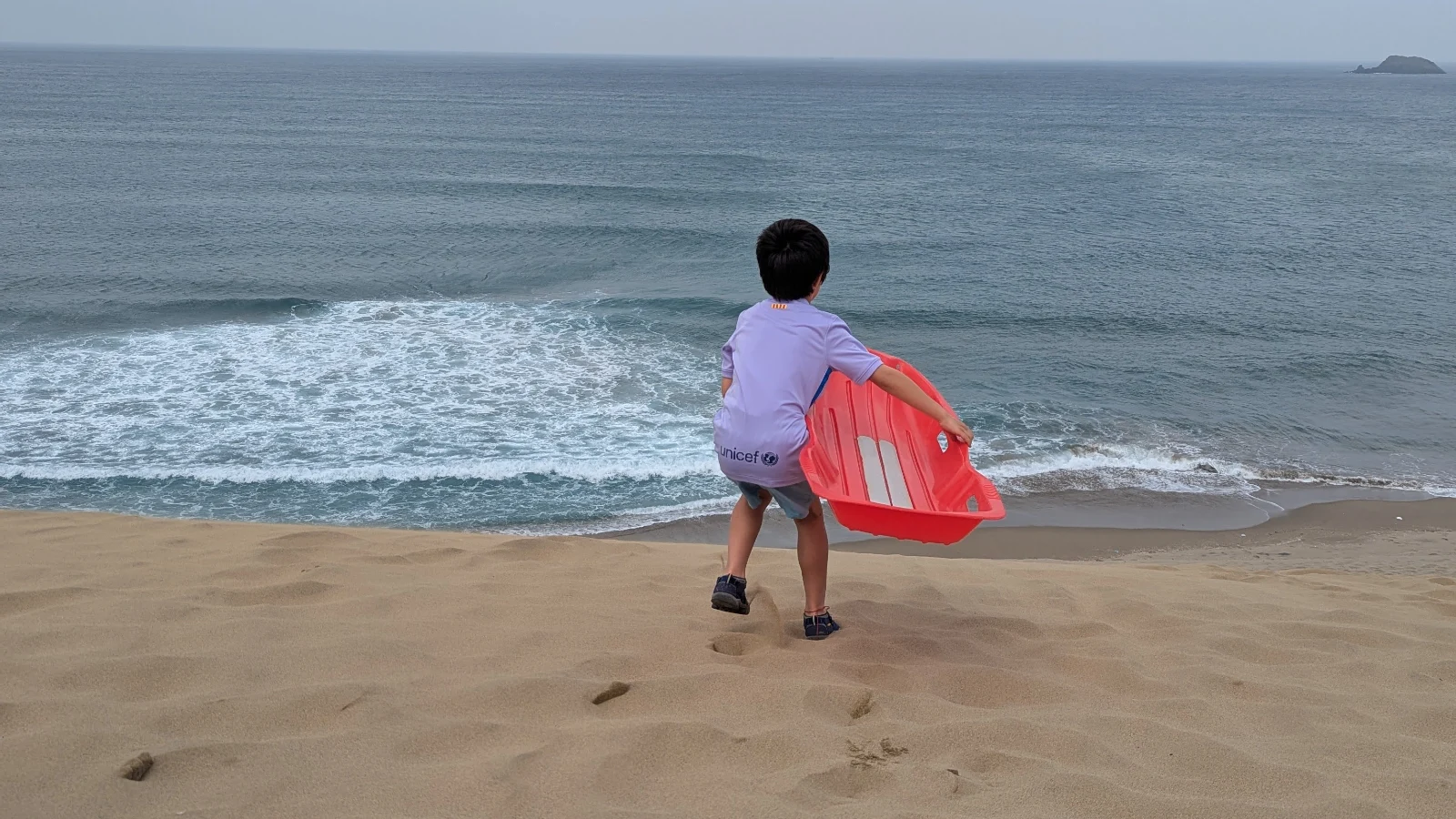
Japan’s largest sand dunes offer families the chance to climb rolling hills, slide down sandy slopes, or simply explore the vast desert-like landscape. Kids especially love trying sandboarding or visiting the nearby Sand Museum with its massive sculpted creations.
Best Lesser-Known Villages and Towns in Japan to Visit with Kids
Japan’s countryside is filled with charming villages, historic post towns, and peaceful coastal communities that many travelers never reach, and these quiet destinations can become the most memorable parts of a family trip. These lesser-known towns let kids explore old streets without crowds, meet friendly locals, and experience regional traditions that feel authentic and personal. Whether your family enjoys scenic walks, cultural discovery, or simply slowing down in places untouched by big-city tourism, these villages offer a chance to see a different side of Japan that is warm, welcoming, and full of character.
Nakasendo Trail (Nagano/Gifu)
This historic trail once linked Kyoto and Edo, and today families can explore beautifully preserved sections between post towns like Magome and Tsumago. Kids enjoy the gentle forest paths, wooden buildings, and the feeling of walking along an ancient travel route used by samurai and merchants.
Shodoshima Island (Kagawa)
Known for soy sauce breweries, olive groves, and dramatic coastal scenery, Shodoshima offers families quiet beaches, scenic viewpoints, and small villages full of charm. Kids love riding the ropeway over Kankakei Gorge and exploring peaceful walking paths across the island.
Hagi (Yamaguchi)
A former castle town with samurai districts, pottery shops, and old wooden streets, Hagi feels like a living museum. Families can wander the castle ruins, visit traditional kilns, and explore bike-friendly streets lined with history and crafts.
Narai-juku (Nagano)
One of the best-preserved post towns on the Nakasendo, Narai-juku features long stretches of Edo-period buildings, old inns, shops, and local crafts. Kids enjoy browsing traditional snacks, spotting rustic architecture, and walking streets that feel frozen in time.
Wajima (Noto Peninsula, Ishikawa)
Wajima is a coastal town famous for its morning market and intricate lacquerware tradition. Families can watch artisans at work, stroll along the harbor, and explore scenic viewpoints across the Noto Peninsula, making it a rewarding stop for kids who enjoy hands-on cultural experiences.
Why Hidden Gems in Japan Are Great for Families with Kids
Hidden gems in Japan offer families something that busy tourist sites rarely can, space to explore freely, connect deeply, and enjoy experiences that feel personal and unhurried. These quieter destinations let kids move at their own pace, ask questions, play imaginatively, and interact with local culture in ways that are often impossible in crowded hotspots. Whether it’s wandering through an old post town, discovering a forest filled with unique wildlife, or meeting friendly locals in a village far from big-city rush, hidden gems create moments of genuine curiosity and excitement. For parents, these spots offer calmer travel days, easier photo opportunities, and a chance to show children a side of Japan that feels authentic, warm, and wonderfully unexpected.
Parent Insight: Hidden-gem spots help kids slow down and notice things, textures, sounds, tiny details, that get lost in crowded places. These quieter moments build curiosity and confidence in a natural, meaningful way.
What to Know Before Visiting Japan’s Hidden Gems with Kids
Exploring Japan’s hidden gems can be one of the most rewarding parts of a family trip, but these destinations often work a little differently than major tourist sites, especially when traveling with kids. Many rural areas have limited public transportation, fewer snack options, and variable opening hours, so it’s helpful to plan ahead and pack essentials like water, layers, snacks, and portable chargers. Some nature spots may have uneven paths or limited stroller access, while remote villages may be cash-only or have early closing times. Weather also plays a big role: certain gorges, trails, or coastal viewpoints may close in winter or require extra caution during summer heat. With a little preparation, these less-visited places become easy, flexible, and incredibly rewarding adventures for families, offering memorable experiences far from the crowds.
If you’re relying on rail travel to reach rural or lesser-known areas, our Japan Train Tips for Families makes navigating local lines, transfers, and long-distance travel much easier with kids.
Tips for Exploring Hidden Gems in Japan with Kids
Visiting Japan’s lesser-known spots can be incredibly fun and memorable for kids, especially with a little planning. Start by building flexible travel days, hidden gems often require extra time for transport, unexpected closures, or spontaneous discoveries your kids will want to explore. For rural or nature-based destinations, bring essentials like snacks, water, layers, and a portable charger, since convenience stores may be several kilometers away. When using public transit, check timetables in advance; some buses or local trains run infrequently, especially in the evenings. If your route includes nature trails, villages, or small scenic stations, keep a lightweight baby carrier handy even if you bring a stroller. And whenever possible, pair a cultural stop with an outdoor one, kids tend to stay more engaged when they can mix quiet moments with open play. With thoughtful pacing, exploring hidden gems becomes one of the most rewarding parts of traveling Japan with kids, offering the perfect balance of adventure, discovery, and moments you’ll remember long after the trip ends.
For more cost-saving ideas throughout your trip, check out our Japan Budget Family Travel Tips.
Luca & Nico’s Tip: Bring a tiny “explorer bag”, just a notebook, a pencil, and a snack, and let them choose one hidden gem to “lead” for the day. When kids feel like the adventure is theirs, every trail, tunnel, and tiny shop becomes a secret mission, and even the simplest moments turn into discoveries they’ll talk about long after the trip.
FAQs: About Visiting Hidden Gems in Japan with Kids
Planning to explore Japan’s hidden gems with your family? These FAQs answer the most common parent questions about safety, transportation, stroller access, food options, and the best times to visit lesser-known destinations across Japan.
A: Yes, most of Japan’s hidden gems are very safe for families, thanks to Japan’s low crime rate and well-maintained public spaces. Rural areas are generally quiet and welcoming, and locals are often eager to help travelers with children. The main thing parents should watch for is natural terrain, such as uneven paths, rivers, or forest trails, so keeping an eye on curious explorers is important. Overall, Japan’s lesser-known spots offer a safe, calm environment where kids can explore comfortably.
A: Many hidden gems in Japan can be reached by local trains, regional buses, or a combination of both. Popular rural destinations often have clear English signage, and Google Maps works reliably for planning routes. However, some spots may have infrequent buses, especially in the evenings, so checking schedules in advance is essential. For families who prefer convenience but don’t want to drive, pairing trains with short taxi rides is a reliable and kid-friendly option.
A: The best time to visit hidden gems in Japan with kids is during spring (March–May) and autumn (October–November), when temperatures are mild and nature trails are most beautiful. Summer offers lush greenery but can bring heat and humidity, while winter provides quiet scenery but may cause temporary closures in northern or mountainous areas. For the most comfortable family experience, aim for mid-morning visits in the shoulder seasons when crowds are low and conditions are ideal for kids.
A: For rural and lesser-known spots, families should pack water, snacks, sun protection, layers, and a portable charger, since convenience stores and rest areas can be limited. A small first-aid kit, pocket tissues, and cash are also helpful in remote areas. If you’re exploring nature trails, consider bringing comfortable shoes and a lightweight baby carrier. Being prepared ensures your family can enjoy the adventure without surprises.
A: Food options vary widely. Some hidden gems have local family-run restaurants, while others may have no dining options nearby. Many rural areas close early or operate seasonally, so parents should always bring snacks or bento for kids. Convenience stores are common in cities but may be rare in remote regions, making a little food planning essential for smooth family travel.
A: Most hidden gem destinations take 1–3 hours to explore, depending on the location and your child’s pace. Nature spots and historical towns may require extra time for walking, while unique attractions or small villages often work well as half-day outings. Families traveling with toddlers may prefer shorter visits, while school-age kids often enjoy exploring longer when the area is open and uncrowded.
A: Yes, many hidden gems are great for toddlers, especially places with open spaces, gentle walking paths, and quiet cultural areas. However, some nature trails or older villages may have steps, uneven ground, or limited stroller access, so a baby carrier is often helpful. With basic planning, even younger children can enjoy these calm, sensory-rich destinations.
A: It’s a good idea to carry cash when visiting rural Japan, as many small shops, family-run restaurants, and local attractions may not accept credit cards. ATMs can be limited outside major towns, so withdrawing yen before heading to a hidden gem helps avoid stress. Cash is especially important for bus fares, snack stands, and small entry fees.
A: Some of the easiest hidden gems to reach by train include Ouchi-juku, Narai-juku, and Kanazawa’s Higashi Chaya District, all of which are accessible through well-connected rail lines. Families visiting Hokkaido or Kyushu will also find that major hidden gem spots often have JR stations nearby or short taxi connections from the closest stop. These destinations are ideal for parents who prefer to travel without a car.
A: Renting a car can make visiting Japan’s hidden gems much easier, especially in rural areas with limited bus service. A car offers flexibility for families, allowing quick stops, easier access to nature sites, and smoother travel with young children. However, many hidden gems are still reachable by train and taxi, so a rental car is helpful but not always necessary.
A: Yes, many hidden gem regions offer family-friendly ryokan, guesthouses, and small hotels with warm hospitality and kid-friendly rooms. Rural areas often provide larger spaces, quieter environments, and traditional tatami rooms that work well for families. Booking early is recommended, as accommodations in lesser-known areas can be limited but offer a comfortable and memorable stay close to nature and culture.
A: Some hidden gems in Japan are stroller-friendly, especially historic towns, open-air museums, and easy walking paths. However, many nature spots, gorges, and rural villages may have uneven trails, steps, or narrow streets that make stroller use challenging. A lightweight stroller or baby carrier is the most flexible option for families. Checking the terrain in advance helps you decide what to bring for a smoother visit.
Stay curious, stay adventurous, and keep dreaming!
~ The LuNi Travels Family ~