
Is Nikko worth visiting with kids, or is it one of those beautiful places that parents appreciate more than children?
Families planning a Tokyo itinerary often wonder whether Nikko is family friendly, especially when they see photos of ornate shrines, long stone staircases, and towering cedar forests. It is famous for the lavishly decorated Nikko Toshogu Shrine and its UNESCO World Heritage status, but parents naturally hesitate. Is Nikko good for kids, or will the walking, crowds, and temple fatigue turn it into a stressful day trip?
This family-focused breakdown shares the honest pros, cons, age-specific guidance, and better alternatives so you can decide if Nikko with kids is truly worth it for your family.
Is Nikko Worth Visiting with Kids? (Quick Answer)
Yes, Nikko is worth visiting with kids, but primarily for families with school-age children and teens who can handle walking and appreciate dramatic cultural sites. It is especially rewarding for families who enjoy nature, history, and visually striking architecture.
However, Nikko is not ideal for toddlers, low-stamina travelers, or families with only a few days in Japan. If your child struggles with long walks, stairs, or shrine-heavy days, Nikko may feel more exhausting than enriching.
Why Families Consider Visiting Nikko with Kids
Families consider visiting Nikko with kids because it offers something that feels dramatically different from city-based sightseeing. Just a couple of hours from Tokyo, Nikko is known for its ornate UNESCO-listed shrines, forested mountain setting, and intricate carvings that feel almost storybook-like.
The famous “See No Evil, Speak No Evil, Hear No Evil” monkeys at Nikko Toshogu Shrine often spark curiosity for children, while parents are drawn to the cultural significance and scenic atmosphere. It promises nature, history, and a sense of awe, all in one destination.
Japan demands 15,000 to 20,000 steps a day, and the difference between a memorable trip and a daily meltdown comes down to one thing: knowing your child’s exact physical and sensory threshold before you lock in non-refundable bookings.
Take the free, 60-second Family Fit Check to discover your child’s travel profile and get the exact pacing strategies that prevent a breakdown on day three.
Pros of Visiting Nikko with Kids
- Visually dramatic shrines with colorful carvings and gold details that capture kids’ attention.
- The famous “Three Wise Monkeys” carving gives children a concrete, recognizable highlight.
- Forested setting with towering cedar trees creates shade and a cooler atmosphere than central Tokyo.
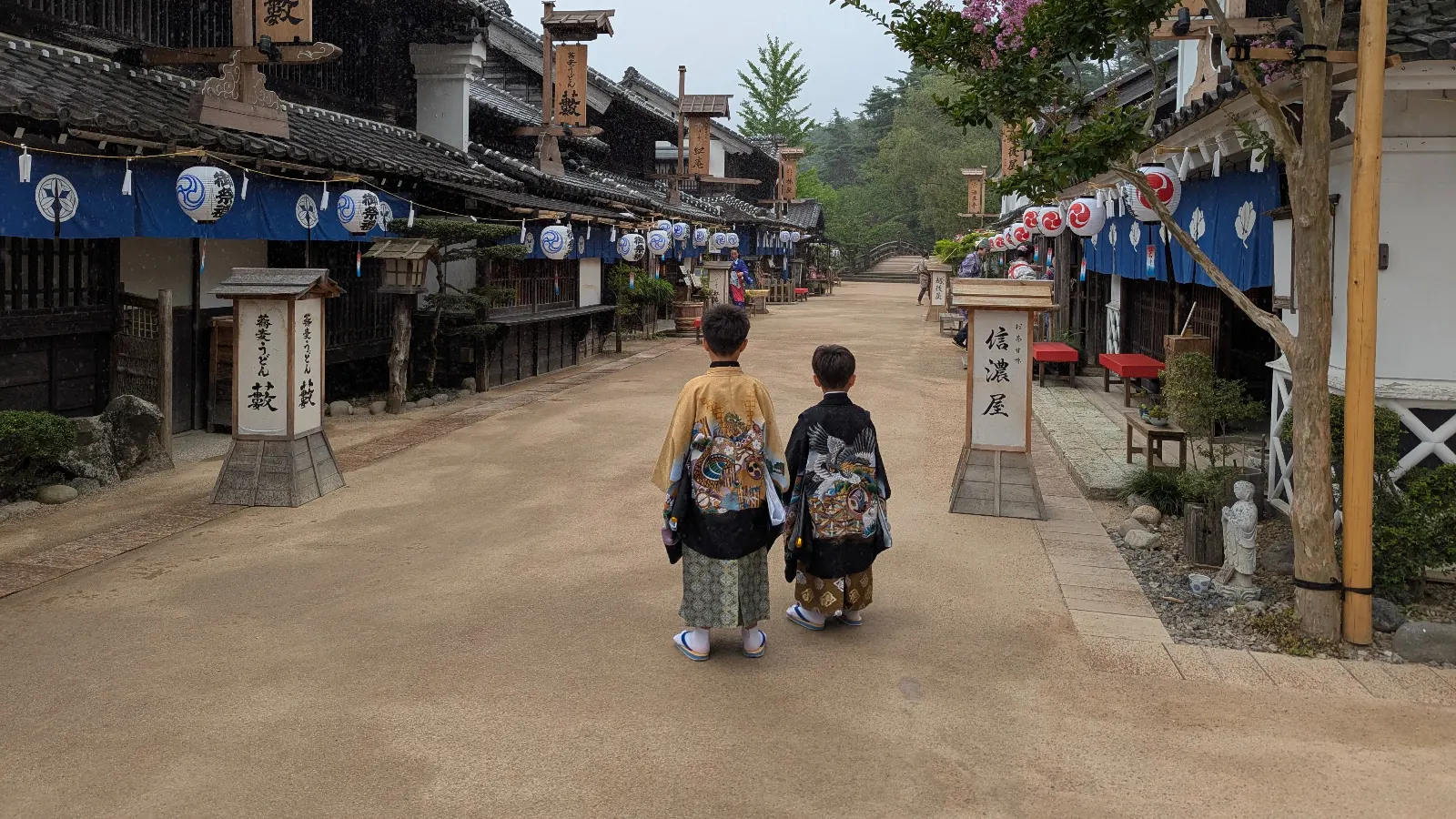
- Families can visit the interactive historical theme park Edo Wonderland for hands-on fun.
- Tobu World Square offers playful miniature world landmarks in an easy-to-explore setting.
- Natural scenery adds flexibility, including lakes, waterfalls, and mountain viewpoints around Lake Chuzenji.
- The Akechidaira Ropeway offers panoramic views that feel dramatic and memorable for older kids.
- A strong mix of culture and nature makes Nikko feel more varied than shrine-only destinations.
Cons of Visiting Nikko with Kids (Important for Parents)
- Long travel time from Tokyo can drain energy before the day even begins.
- The region is spread out, which often requires additional transit between shrines, lakes, and mountain viewpoints.
- Significant walking, hills, and stairs in both shrine areas and natural sites.
- Limited shade or shelter in some outdoor areas, making weather a major factor.
- Crowds surge during autumn foliage season and peak holidays.
- Not as interactive as theme parks or museums, much of the appeal is visual rather than hands-on.
Why “Is It Worth It?” Is a Tricky Question
One parent calls Nikko “the highlight of our Japan trip,” while another calls it “a long, exhausting day with too many stairs.” Both are right: the difference isn’t the city, it’s the child. Using our Family Fit™ framework, these very different reactions become easier to predict:
- The Walking & Hills: A Dynamo may thrive on the movement, climbing shrine steps and exploring forest paths with curiosity. A Sprinter, however, may burn out quickly once the hills and distance add up, especially after a long train ride.
- The Sensory Environment: A Sensor may appreciate Nikko’s quieter forest setting compared to Tokyo’s neon intensity. Meanwhile, an Anchor may struggle with the disruption of a long day trip away from their familiar base and predictable rhythm.
Knowing your child’s travel profile helps you predict which review you will write.
60-second Quiz to Discover Your Child’s Travel Profile
Who Will Enjoy Nikko with Kids (By Age Group)
- Toddlers: Usually not the best fit for a day trip. Nikko’s distance from Tokyo, combined with hills and walking, can make the region feel long and physically demanding unless you slow the pace and stay overnight.
- Preschoolers (3–5): Possible with select experiences. While large shrine complexes may feel overwhelming, interactive spots like Edo Wonderland can be engaging thanks to costumes, performances, and open space to move.
- School-Age Kids (6–10): Excellent fit. Nikko works well at this age because kids can handle walking while appreciating variety. Hands-on fun at Edo Wonderland, playful exploration at Tobu World Square, and dramatic natural scenery around Lake Chuzenji and nearby waterfalls create a well-rounded experience.
- Older Kids & Teens: Very strong fit. Teens often appreciate Nikko’s scale and atmosphere, from the intricate architecture of Nikko Toshogu Shrine to mountain viewpoints like Akechidaira Ropeway. The combination of cultural depth, nature, and independence makes Nikko especially rewarding at this stage.
Who Should Skip Nikko with Kids (Honest Considerations)
- Families with only one or two days in Tokyo, where travel time may outweigh the reward.
- Kids who strongly dislike walking, hills, or long outdoor days.
- Families already planning multiple shrine-heavy destinations like Kyoto or Kamakura.
- Travelers visiting during extreme summer heat or peak autumn foliage crowds.
- Parents managing multiple toddlers or strollers on a tight schedule.
Best Alternatives to Nikko for Families with Kids
If you decide the logistics of Nikko outweigh the reward for your specific family, or you are looking for other destinations worth visiting with kids, these alternatives offer Japanese culture and charm without the exhausting commute.
- Kamakura Great Buddha — A shorter, more focused cultural outing centered around one dramatic highlight, with less overall walking than Nikko.
- Kamakura — Coastal charm, manageable temple clusters, and nearby beach space that gives kids room to decompress.
- Yokohama — Wide waterfront promenades, open parks, and family-friendly attractions in a calmer urban setting.
- Kawagoe — “Little Edo” atmosphere with compact, walkable streets and traditional architecture in a smaller footprint.
- Senso-ji — A classic temple experience inside Tokyo that requires far less travel time and planning.
- Shinjuku Gyoen National Garden — A spacious green reset with wide lawns, ponds, and an easier pace for younger children.
- Ueno — A strong choice for families prioritizing animals, movement, and active engagement over shrine exploration.
Parent Insight: Sometimes the value of a destination like Nikko is not in how many sites you check off, but in how your child experiences awe. Walking beneath towering cedar trees or standing in front of intricate carvings helps children understand scale, history, and patience in a way screens never can. When you slow the pace and allow space for questions, cultural sites become less about sightseeing and more about perspective.
Final Recommendation – Is Nikko Worth It with Kids?
Yes, Nikko is worth visiting with kids who can handle walking, transitions, and a full day outside Tokyo. It is especially rewarding for school-age children and teens who appreciate dramatic scenery, cultural depth, and a mix of nature and history.
Nikko may not be worth it for families with toddlers, low-stamina travelers, or very limited time in Japan.
It is best enjoyed when you treat it as a well-paced experience rather than a rushed checklist stop, and when your child’s energy level matches the scale of the region.
FAQs: Is Nikko Worth Visiting with Kids?
Parents deciding whether Nikko is worth visiting with kids often have specific concerns about age suitability, walking demands, and whether Nikko is truly family friendly, so these FAQs answer the most common hesitation-based questions clearly and directly.
A: Yes, Nikko is worth visiting with kids if your children can handle walking and enjoy dramatic scenery, nature, and cultural sites. Nikko feels especially rewarding for school-age kids and teens who appreciate visual detail and outdoor exploration. However, Nikko may feel long and tiring for toddlers or low-stamina travelers.
A: Nikko is good for kids who enjoy movement, nature, and visually striking landmarks rather than hands-on attractions. Many families find that Nikko works best for children ages 6 and up. Younger children may struggle with the distance and physical demands of exploring Nikko.
A: Nikko is family friendly in the sense that it is safe, spacious, and visually engaging. That said, Nikko is more scenic and cultural than interactive, so families looking for playground-style fun may prefer other destinations. Whether Nikko feels family friendly depends largely on your child’s stamina and interest in outdoor exploration.
A: Nikko is only partly suitable for young children. While Nikko is safe and surrounded by nature, the walking distance and hills can be challenging for toddlers and preschoolers. Families visiting Nikko with very young children should plan a slower pace or focus on select highlights rather than the entire region.
A: Yes, Nikko can involve a significant amount of walking, especially around shrine complexes and natural viewpoints. For school-age kids, Nikko is usually manageable with breaks. For younger children or low-stamina travelers, Nikko may feel physically demanding.
A: Some kids may get bored in Nikko if they prefer highly interactive or fast-paced attractions. Nikko is more about scenery, architecture, and atmosphere than rides or hands-on exhibits. Older children who enjoy nature and visual storytelling typically find Nikko more engaging than younger kids.