Nikko,
for families.
Nikko earns its World Heritage reputation through the visual density of the Tokugawa shrine complex and the dramatic scale of the upper mountain landscape, but the region is split across two elevation zones that punish families who try to cover both in a single day. The routing question matters more than the booking question, because the wrong itinerary structure turns a high-payoff destination into a friction-filled mistake.
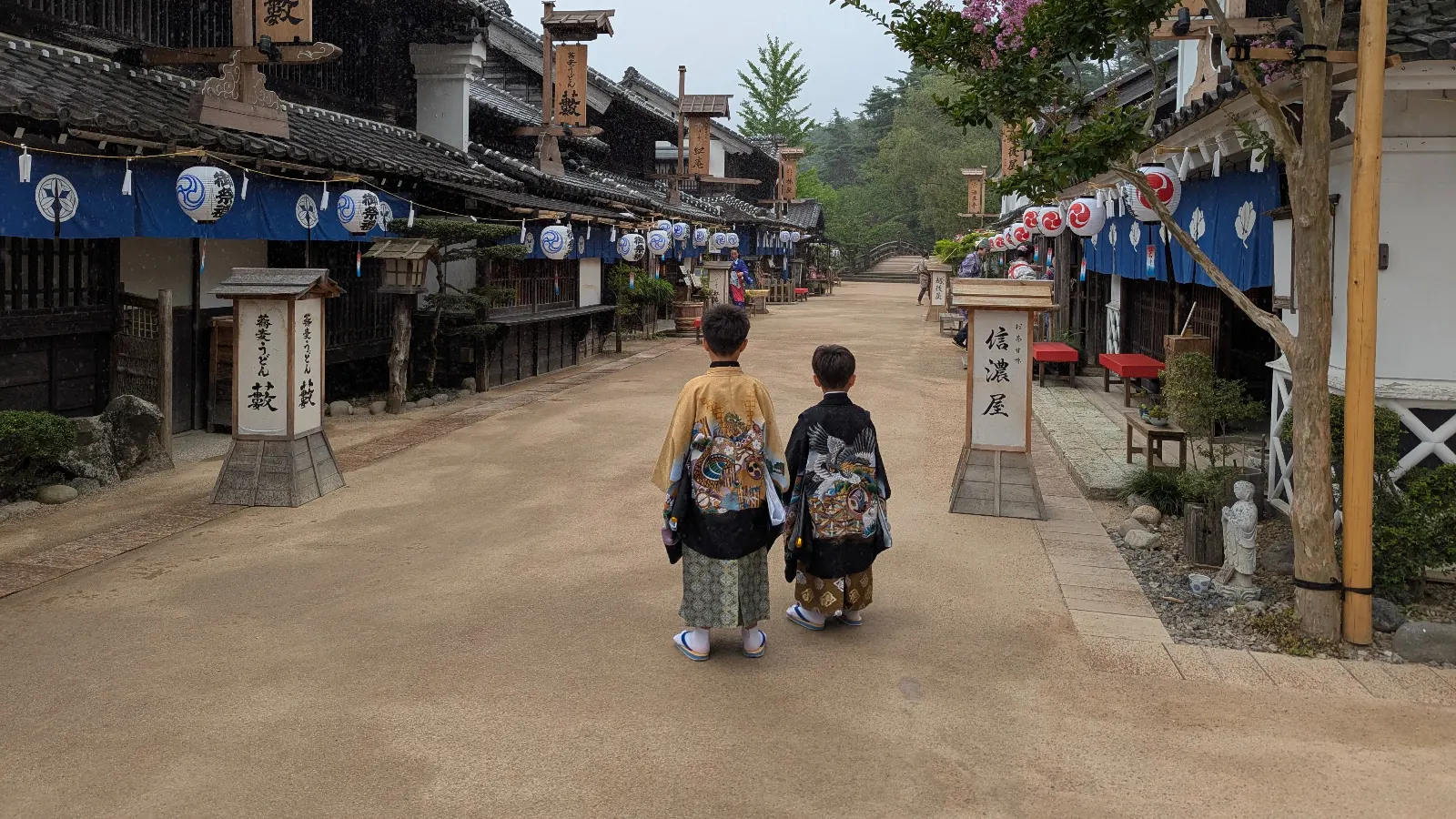
Choose one zone, not both.
Nikko’s structural premise is that its two elevation zones cannot be covered in a single family day without burning the itinerary on transit between them. The decision is which zone anchors the trip and whether the day is anchored from Tokyo or from a Nikko base.
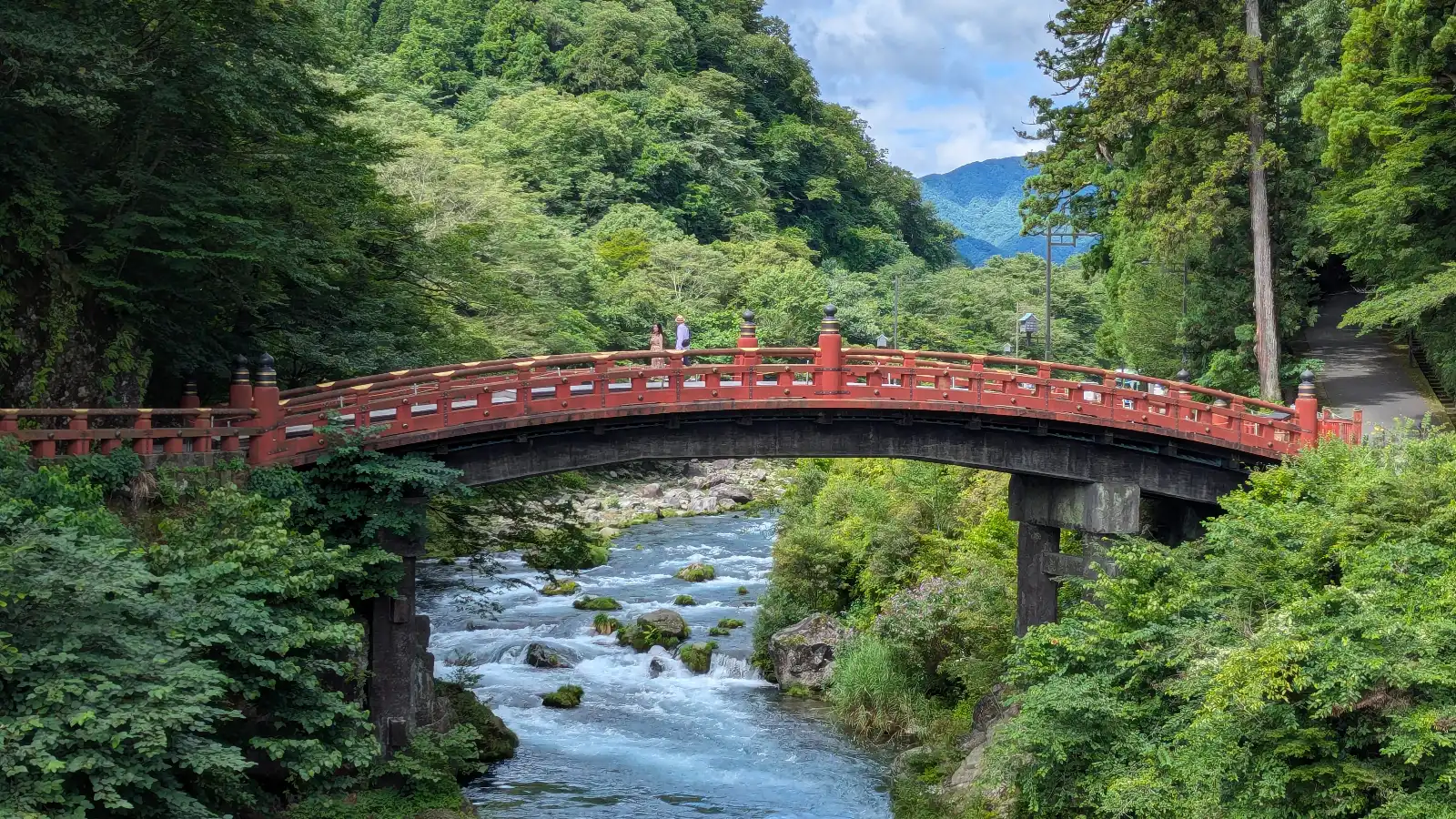
Nikko by category, filtered by profile.
Select your child’s profile to instantly see which Nikko attractions suit them. A missing profile label means the attraction is a weaker fit for that profile, not that it should be skipped.
Nikko itineraries built for families.
Browse the full Japan family itinerary index for ready-made frameworks, including the Tokyo-based routes that fold Nikko in as a single-zone day trip or a one-night overnight.
Nikko transit for families.
Nikko runs on the Tobu Limited Express from Asakusa for most family arrivals, with local buses connecting the lower shrine zone to the upper mountain zone via the Irohazaka switchbacks. Foliage-season traffic on the mountain road is the single largest unknown a Nikko itinerary has to absorb. Four guides resolve every transit decision a family faces.
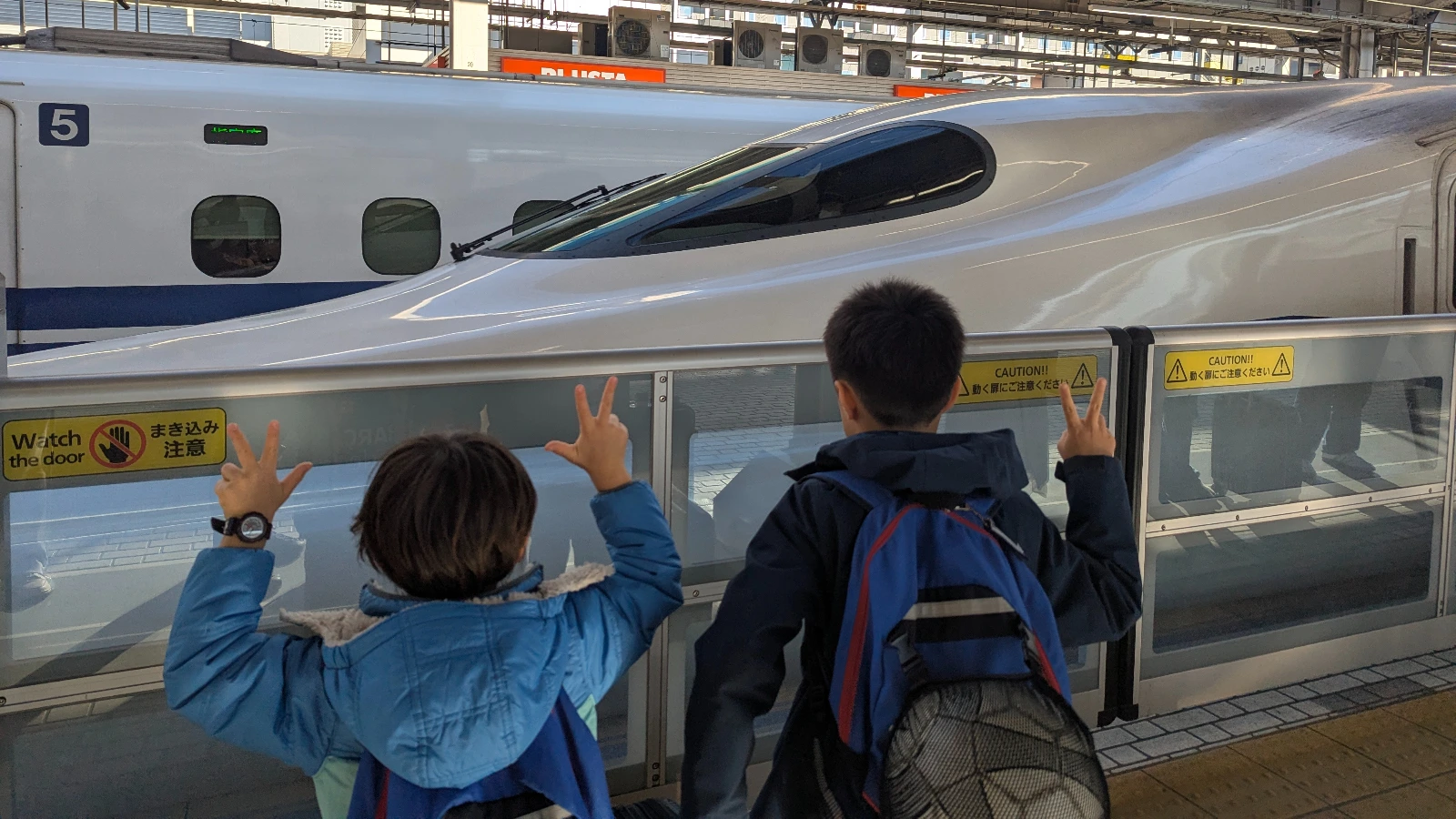
Nikko’s transit reality is Tobu Limited Express plus local bus, with the JR Pass playing a more limited role than it does on most Japan trips because Tobu Railway runs the dominant Tokyo-to-Nikko route. Four guides resolve every transit decision a family faces: from the national pass that pays off for the wider trip to the luggage transfer that removes the suitcase problem from a one-night mountain stay.