Odaiba With Kids:which stop is for which child.
- Worth It For
- Children who need to move or need a plan
- Outdoors
- Seaside Park, the Gundam statue, boardwalk
- A Plan to Follow
- LEGOLAND Discovery Center and KidZania
- Getting In
- The Yurikamome from Shimbashi
- Plan For
- Half a day to a full day
Which attractions take an advance reservation or a ticket bought ahead, and how a family moves between them on the island.
Some links on this page are affiliate links. LuNi may earn a commission at no extra cost to you.
Odaiba with kids works for a restless child and for a planner alike, and a family can spend half a day or a full one here. The Yurikamome from Shimbashi is the way in. Odaiba Seaside Park, the Gundam statue and the boardwalk make the outdoor route, and with teamLab Planets they give a moving child the most room. LEGOLAND Discovery Center and KidZania give a planner a fixed shape, and Tokyo Joypolis, the Aqua City and DiverCity malls and Toyosu Market go easy on tired legs. Nine stops, each mapped to the child it suits.
Which stop is for which child.
These stops are not ordered best to worst. They are grouped by which child each one is for. The reason is simple: Odaiba stacks open bayfront, immersive digital art, and high-energy arcades within a few minutes of each other, and the stop that thrills one of your children is the stop that drains another. So instead of a single list, you get four short ones, organized by how each child runs out of steam. The Dynamo runs short when they cannot move. The Sensor runs short on noise and light. The Anchor runs short when nothing is predictable. The Sprinter runs short on walking and standing. Find your child below, and start there.
For the Dynamo
Stops that relieve restricted-movement depletion.
For a child who depletes through restricted movement, the strongest stops are Odaiba Seaside Park, the Gundam statue, and teamLab Planets.
The open waterfront promenade and beach give a movement-driven child the discharge that an indoor island full of queues denies them. It is the one stop here that returns Reserve rather than spending it, with wide flat space, sea views, the Statue of Liberty replica, and the Rainbow Bridge as a backdrop, all free. A younger Dynamo gets unbroken running room on the boardwalk and sand; an older one can take the longer loop toward the bridge without a single rope line holding them still.
Who it costs.The Sprinter. The space that frees the Dynamo is real walking distance for a low-stamina child, and the promenade has long stretches with limited seating between benches.
How to make it work.Anchor the visit here first to discharge energy, then move indoors. For a tired Sprinter, keep to the section nearest Daiba Station rather than walking the full promenade to the bridge.
If this isn’t your child: still a calm, free sea break between indoor stops, just not the reason you came to Odaiba.The towering moving Gundam outside DiverCity is a free, open-air spectacle in a wide plaza where a high-energy child can move freely while looking up. It costs nothing, asks nothing of a queue, and the scheduled lighting and motion shows give a Dynamo a reason to circle and watch rather than stand penned in a line. A younger Dynamo points and runs the plaza between shows; an older one times the transformation sequence and films it.
Who it costs.No profile heavily, which is what makes it the easy win of an Odaiba visit. At peak show times the plaza crowds, which a Sensor will feel.
How to make it work.Check the day’s show schedule and arrive a few minutes ahead for space at the rail, then step inside DiverCity for food and rest once the crowd builds.
If this isn’t your child: a five-minute photo landmark and a good one, easy to fold into any route.teamLab Planets is a barefoot, walk-through digital art world where children wade through water, brush through hanging orchids, and move continuously from room to room. For a Dynamo, the format is the appeal: nothing is static, the whole visit is movement, and the body is engaged the entire time rather than held in place. A younger Dynamo splashes through the shallow water rooms; an older one explores the infinite-mirror spaces at their own pace.
Who it costs.The Sensor, at high risk. The dark rooms, mirrored infinities, water underfoot, and dense projection-mapping concentrate sensory load, and there is no quiet retreat inside the circuit. The Anchor pays a smaller cost, since the route is one-way and unfamiliar with no way to preview what each room holds.
How to make it work.This stop sits in Toyosu, a short Yurikamome hop from the island, not on Odaiba itself, so treat it as its own timed outing. Book the earliest slot for the lowest crowd, and for an Anchor, walk through the room sequence on the website beforehand so the path is confirmed.
If this isn’t your child: a genuinely dazzling hour, though a Sensor needs an early slot and a calm stop chained after it.For the Sensor
Stops that let a sensory-loaded child stay regulated.
For a child who depletes through sensory input, the strongest stop is Miraikan.
The National Museum of Emerging Science is the rare Odaiba venue that engages without overwhelming: hands-on robotics, space, and environment exhibits in calm, climate-controlled halls with predictable sightlines, easy seating, and room to pace. For a Sensor whose threshold is spent quickly by the island’s louder venues, it is where input stays manageable and the visit can continue. A younger Sensor presses buttons and watches the Geo-Cosmos globe; an older one follows a single exhibit hall in depth without a soundtrack or strobe forcing the pace.
Who it costs.No profile meaningfully. This is the all-Go stop of the island, which is exactly why it carries the Sensor’s day.
How to make it work.Use Miraikan as the planned middle of the visit, the calm anchor between two louder stops, so the Sensor refills before the next demand rather than after a cascade.
If this isn’t your child: the most genuinely educational stop on the island, worthwhile for any curious family.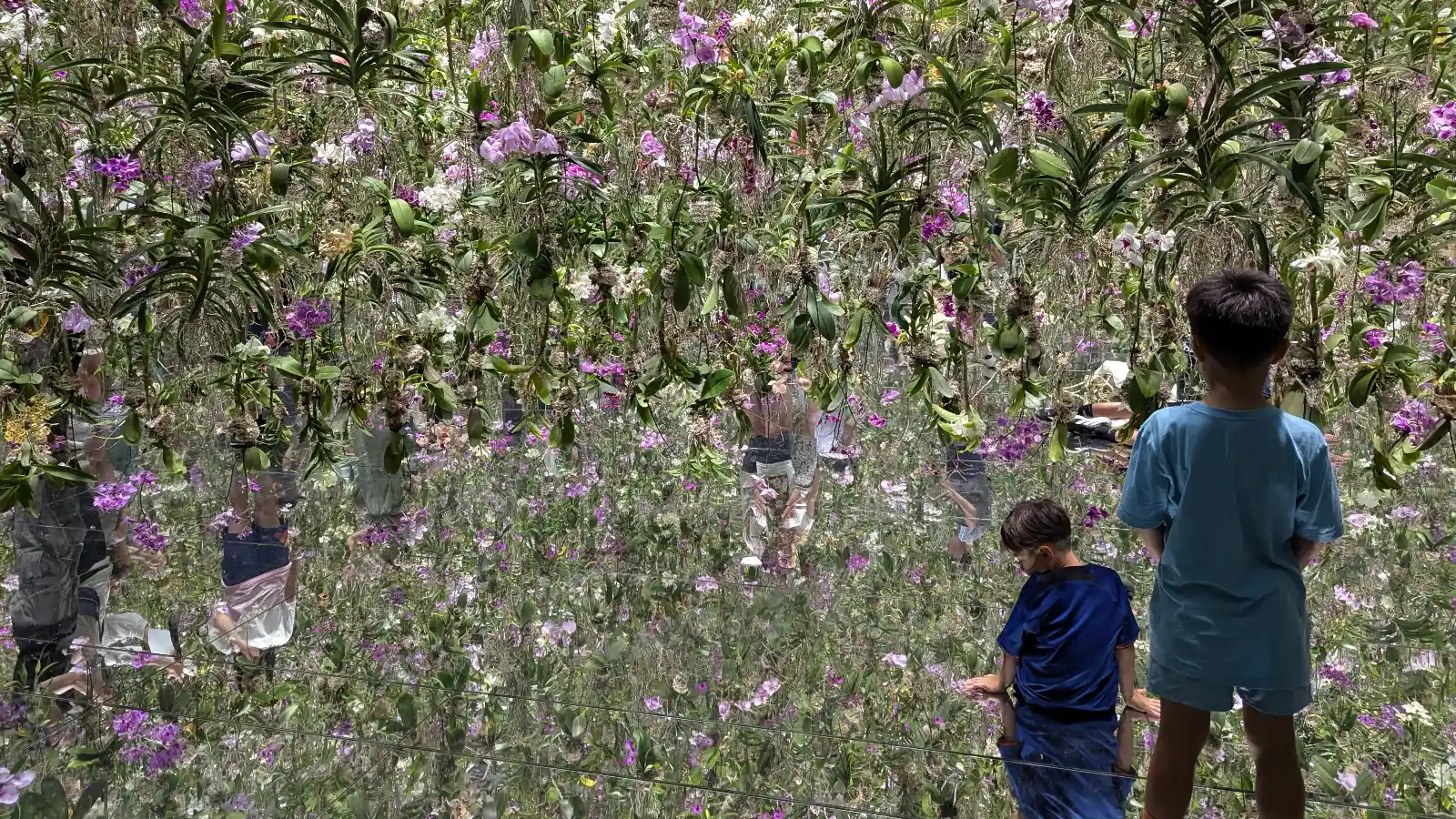
For the Anchor
Stops with confirmed, familiar structure.
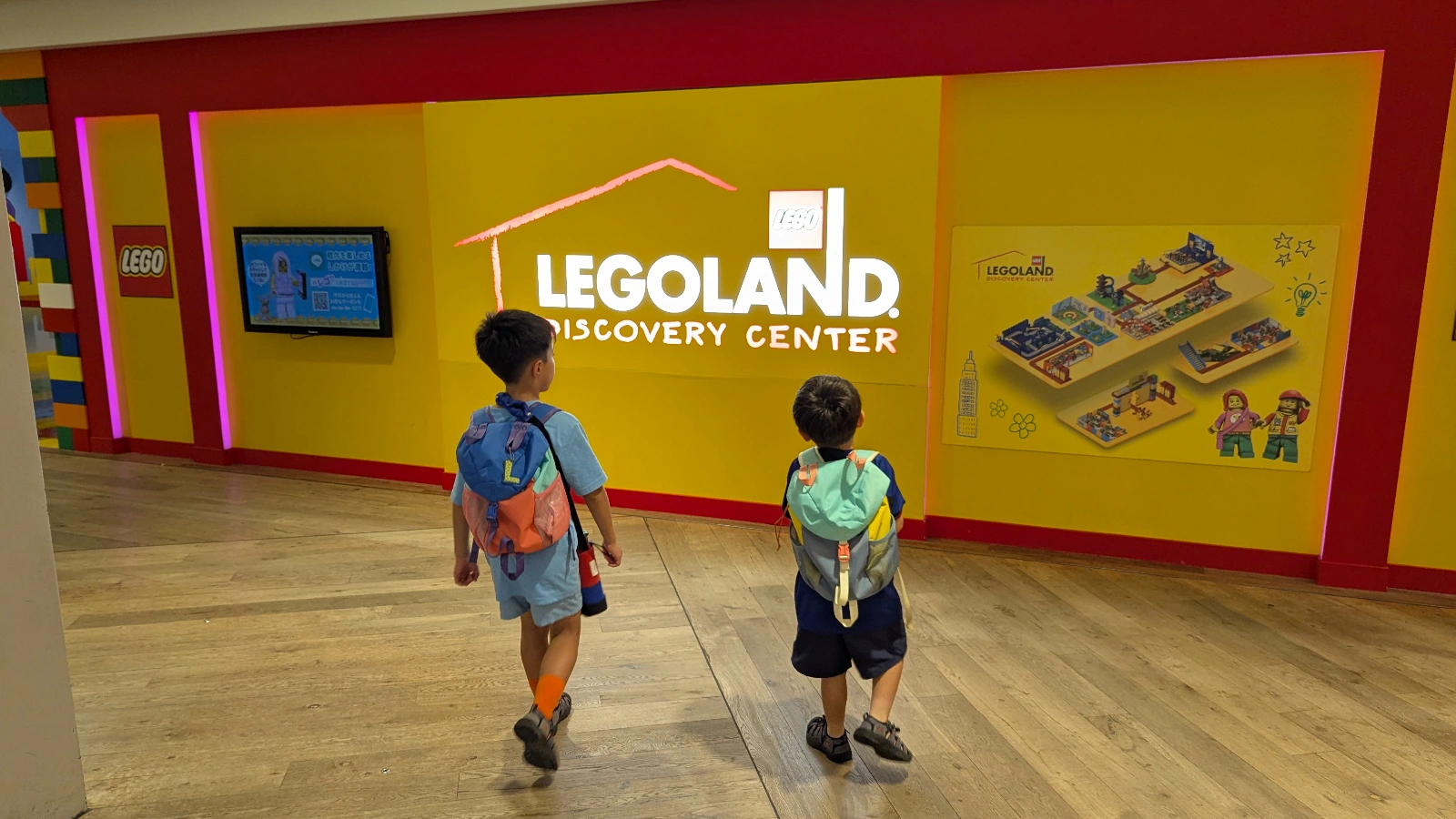
For a child who depletes through unfamiliarity and unconfirmed structure, the strongest stops are LEGOLAND Discovery Center and KidZania.
An indoor LEGO world of rides, build zones, and a miniature Tokyo carries a brand a child already knows, which is precisely the reference point an Anchor relies on. The format is contained, the activity is familiar, and a child who builds at home arrives already oriented. A younger Anchor settles into the open build tables; an older one works the mini-build challenges they recognize from their own sets.
Who it costs.The Sensor, mildly. The play zones run bright and lively, though the indoor scale stays smaller and more contained than teamLab or Joypolis.
How to make it work.It sits inside DiverCity, so pair it with the Gundam plaza in one stop. Go earlier in the day before the build floor fills, keeping the familiarity without the peak-crowd cost.
If this isn’t your child: a reliable indoor couple of hours, best for under-tens and weather days.KidZania is a miniature city where children take on real-world jobs, from pilot to baker, earning their own currency through a clear sequence of roles. For an Anchor, the structure is the whole point: each activity has defined rules, a start, and an end, so the child always knows what comes next. A younger Anchor follows the simple jobs with a guide; an older one plans a route through the roles and manages their earned KidZania money across the day.
Who it costs.The Sensor and the Sprinter both pay here, at caution. The hall is busy and loud across a long visit, and KidZania runs as a full-day commitment with sustained time on foot moving between stations.
How to make it work.It sits in Toyosu near the island, not on Odaiba itself, and works best as its own dedicated full day rather than squeezed between other stops. Book a session in advance and build in seated breaks for a Sprinter between jobs.
If this isn’t your child: a standout for school-age kids, though it is a full day on its own, not an Odaiba add-on.For the Sprinter
Short, seated, low-stamina stops with little walking.
For a child who depletes through sustained walking and standing, the strongest stops are Tokyo Joypolis, the Aqua City and DiverCity malls, and Toyosu Market.
Sega’s indoor amusement park stacks 3D rides, VR adventures, and arcade games across enclosed floors, and most of the headline attractions are seated. For a Sprinter, that is the appeal: the thrills come without the standing and walking that drain a low-stamina child outdoors, and the whole venue is under one roof. A younger Sprinter rides the gentler attractions and plays the arcade; an older one queues a smaller number of the bigger rides and rests between them.
Who it costs.The Sensor, at caution, and the Sprinter still pays on ride queues. The dark, loud, fast-moving floors concentrate stimulation, and busy periods mean standing in line between seated rides.
How to make it work.Go on a weekday or at opening to keep queues short, so a Sprinter spends ride time seated rather than line time standing, and a Sensor meets the lowest crowd density.
If this isn’t your child: high-energy indoor fun that lands best with older kids and teens.Odaiba’s waterfront malls double as the island’s rest infrastructure: food courts, restaurants, and seating with bay views, all climate-controlled and a short flat walk from every major stop. For a Sprinter, they are where the legs recover, a real stop that asks almost nothing of stamina while the family eats and regroups. A younger Sprinter refuels over a relaxed lunch; an older one browses a floor at their own slow pace before the next venue.
Who it costs.The Dynamo, mildly. The browse-and-sit format offers little discharge, so pair it with a movement stop rather than stacking two still ones.
How to make it work.Treat a mall as the planned mid-visit reset and meal stop, not a destination, so the Sprinter refills before the next venue and the family avoids a hungry cascade.
If this isn’t your child: a convenient, calm food and rest stop, useful to any family even without the stamina need.The market near Odaiba lets families watch the famous tuna trade from viewing decks, wander the stalls, and eat fresh sushi, with the rooftop garden and the Senkyaku Banrai complex extending it beyond the fish floor. For a Sprinter, it is a short, contained, mostly seated-or-standing-in-place outing that fits in a single window without a long walking circuit. A younger Sprinter watches the activity and tries the food; an older one takes in the auction viewing and the rooftop view.
Who it costs.Any profile on timing, not on stamina. The market is a morning experience, and the auction and freshest stalls are early; arrive late and the reason to come has largely closed.
How to make it work.Go in the morning at the start of the day, before the Yurikamome fills, and treat it as the opening stop rather than a midday add-on.
If this isn’t your child: a vivid, food-led morning stop, easy to fold in early but not worth a special afternoon trip.Open with the child who runs short first.
The order of an Odaiba day is set by Reserve, not by the map. Each route opens with the stop that protects the named child, then chains to the nearest compatible one.
Settle these first. teamLab Planets is timed entry: book the slot in advance, because a booking-gated stop in Toyosu controls the day’s shape more than the route does. KidZania is a full-day commitment on its own, not an Odaiba add-on. Toyosu Market is a morning experience. Everything else on the island is walk-up fill-in arranged around those fixed points.
When to go, and what costs nothing.
Morning and late afternoon in spring and autumn are the widest windows: mild enough to walk the bayfront comfortably between indoor venues. Summer afternoons are hot, but Odaiba’s indoor venues and malls make it one of Tokyo’s better heat escapes, and winter evenings bring Rainbow Bridge illuminations that land well with families. Arrive early for teamLab Planets and the Gundam plaza before crowds build. The free stops carry real weight here: the Seaside Park, the boardwalk, the Statue of Liberty replica, and the Gundam statue all cost nothing, and they are also the stops that protect a child’s Reserve best, so the free route through Odaiba is largely the same as the calm route.
Three bases that fit a family’s Reserve.
A shortlist chosen for location logic, not price tier. The full set is in the complete Odaiba hotel guide.
| Property | The LuNi Reason | Budget |
|---|---|---|
| LUNI Pick Hilton Tokyo Odaiba Waterfront, on the island | A waterfront base with bay views, spacious family rooms, and a pool, set directly on the island so the bayfront and the major stops are a short flat walk. The on-site space lets a family decompress at the end of a high-stimulation day without a long transfer back. | ¥¥¥ |
| Grand Nikko Tokyo Daiba Connected to Daiba Station | Directly connected to Daiba Station with large rooms and multiple restaurants, which holds an Anchor’s routine across a multi-night stay and puts the Yurikamome under the same roof for an easy reserve-saving start each morning. | ¥¥ |
| DoubleTree by Hilton Tokyo Ariake Near Ariake, calmer base | Modern family rooms a short ride from the island in the quieter Ariake area, a lower-stimulation base that suits a Sensor’s evening reserve while keeping Odaiba and the bay area within easy reach. | ¥ |
Budget: ¥¥¥
Budget: ¥¥
DoubleTree by Hilton Tokyo Ariake
Budget: ¥
For every family-friendly option near the island, see the full Odaiba family hotel guide.