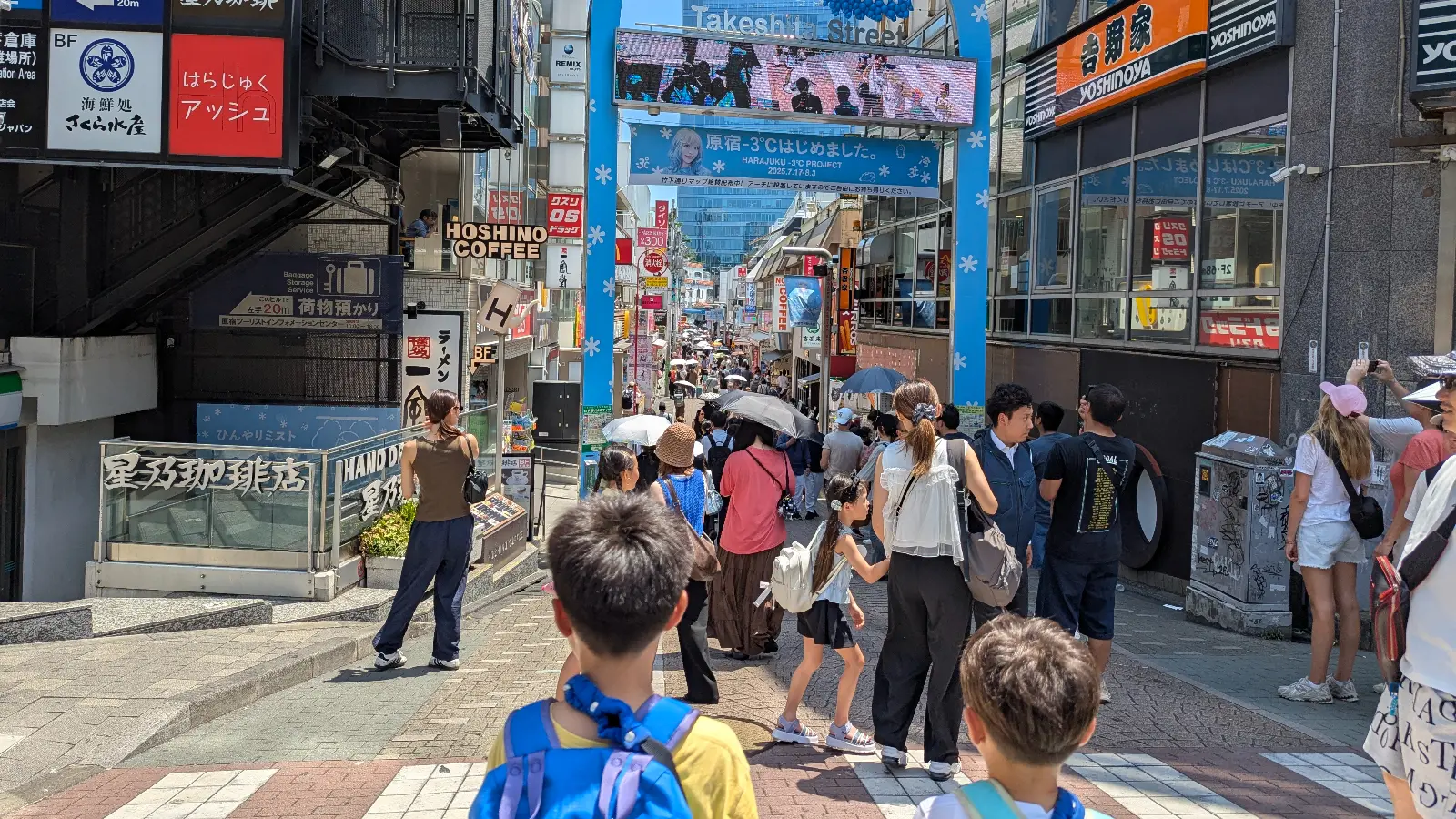
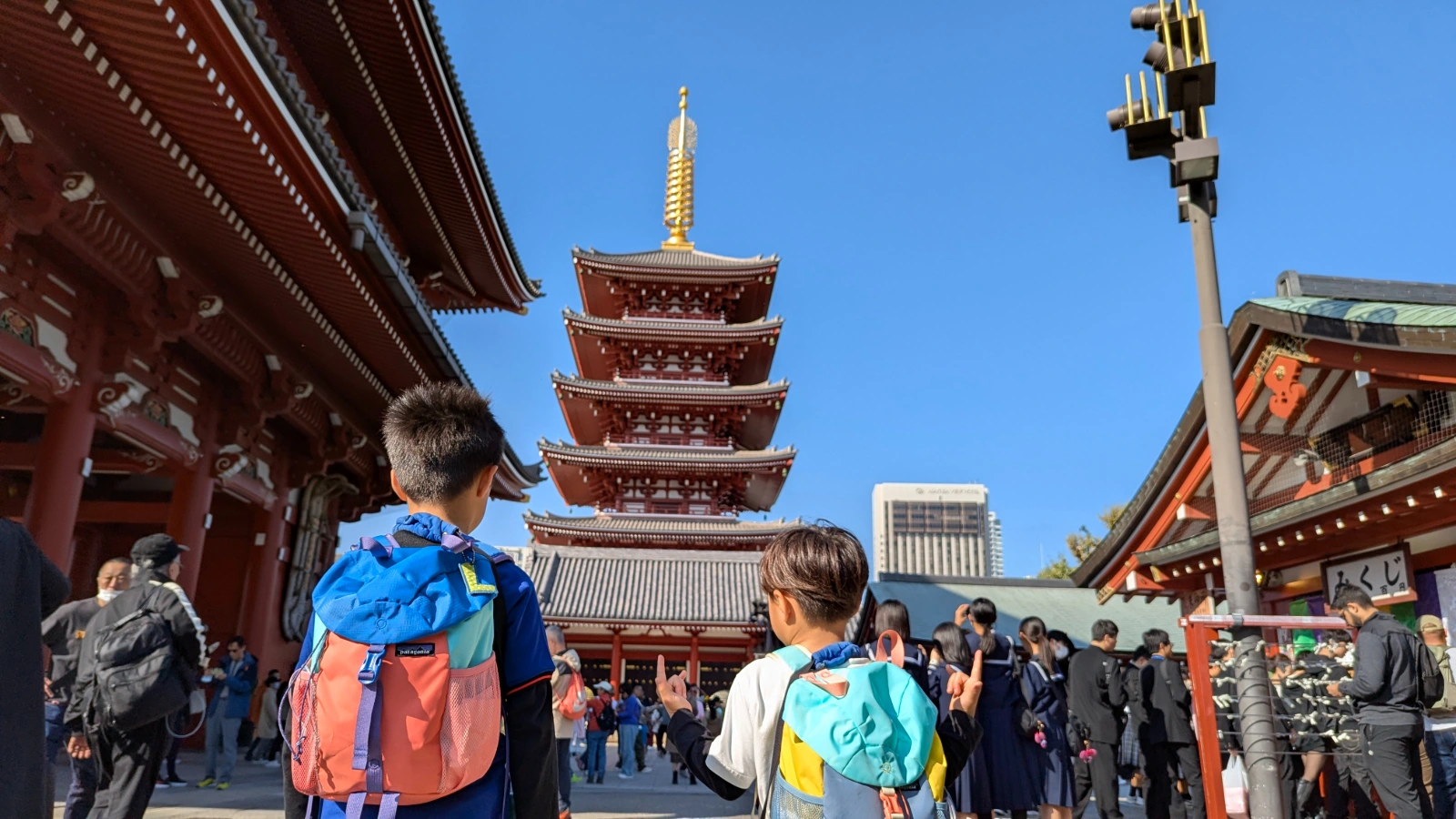
Choosing the right base in Tokyo can make or break a family trip, which is why deciding where to stay matters far more than most parents expect. This guide breaks down the city’s most popular districts based on real travel experience, comparing the most family-friendly neighborhoods in Tokyo by walkability, crowd levels, and overall pace.
While finding the right hotel is important, identifying the best areas of Tokyo for families first ensures you choose a base that supports your rhythm during your wider Tokyo family travel experience. If you want days that feel calmer, easier, and better paced for kids, choosing the right neighborhood is the first and most important decision you’ll make.
Tokyo Neighborhoods for Families at a Glance
|
Neighborhood |
Best For |
Pace |
Crowd Level |
Overall Family Fit |
|---|---|---|---|---|
|
Ueno |
First-time families, young kids |
Calm |
Low–Moderate |
★★★★★ |
|
Asakusa |
Culture-focused families |
Calm–Moderate |
Moderate |
★★★★☆ |
|
Tokyo Station Area |
Easy transport, day trips |
Calm |
Low |
★★★★☆ |
|
Shinjuku |
Families with teens |
Fast |
High |
★★★☆☆ |
|
Odaiba |
Attraction-focused trips |
Moderate |
Low |
★★★☆☆ |
|
Shibuya |
Short stays with teens |
Fast |
Very High |
★★☆☆☆ |
#1 Ueno
- Best for: First-time families, toddlers, younger kids
- Pace: Calm
- Crowds: Low to moderate
- Overall family fit: ★★★★★
#2 Asakusa
- Best for: Culture-focused families, school-age kids
- Pace: Calm to moderate
- Crowds: Moderate (midday busiest)
- Overall family fit: ★★★★☆
#3 Tokyo Station Area
- Best for: Day trips, multi-city travel, early departures
- Pace: Calm
- Crowds: Low to moderate
- Overall family fit: ★★★★☆
#4 Shinjuku
- Best for: Families with older kids or teens
- Pace: Fast
- Crowds: High
- Overall family fit: ★★★☆☆
#5 Odaiba
- Best for: Attraction-focused trips, indoor-heavy days
- Pace: Moderate
- Crowds: Low to moderate
- Overall family fit: ★★★☆☆
#6 Shibuya
- Best for: Teens, short stays, shopping-focused families
- Pace: Fast
- Crowds: Very high
- Overall family fit: ★★☆☆☆
Which Tokyo Neighborhood Fits Your Family Best?
|
If your family is… |
Start with this neighborhood |
|---|---|
|
Visiting Tokyo for the first time |
Ueno |
|
Traveling with toddlers or preschoolers |
Ueno |
|
Culture-focused with school-age kids |
Asakusa |
|
Planning day trips or multi-city travel |
Tokyo Station Area |
|
Traveling with teens |
Shinjuku |
|
Attraction-focused, short stay |
Odaiba |
|
Prioritizing shopping and nightlife |
Shibuya (short stays only) |
Parent Insight: When traveling with kids, the neighborhood you choose shapes the rhythm of every day more than any single attraction. A base that allows for calmer mornings, easy food access, and quieter evenings gives children space to regulate and parents room to stay flexible. When the daily flow works, families enjoy more of Tokyo without feeling rushed or overwhelmed.
The Family Fit Reality
Researching the endless details of a Japan family trip, from figuring out what to pack to managing your daily yen budget, is a massive undertaking that requires careful logistical preparation.
But here is the hidden trap most parents miss: all the practical preparation in the world won’t save your trip if your entire vacation hinges on the hope that “everyone will just cooperate”. If your plan collapses the moment someone gets overstimulated, it is built on hope, not capacity.
Removing the stress from this trip requires understanding exactly how your child processes a foreign environment. An Anchor needs you to pack specific familiarity tools to feel safe, and a Sensor needs you to plan for sensory overload before it happens. A Sprinter requires a strict physical energy budget to prevent exhaustion, while a Dynamo needs you to rewrite the standard rules of travel so they aren’t constantly being shushed in a culture that rewards stillness.
Stop guessing and discover exactly how your child’s energy is wired to travel. Before you finish your general planning, take the free, 60-second Family Fit Check to identify your family’s exact profile and unlock the personalized strategies that prevent daily meltdowns.
Best Tokyo Neighborhoods for Families (Top Tier)
These neighborhoods consistently work well for families traveling with kids, regardless of trip length or experience level. They balance walkability, manageable crowds, straightforward transportation, and easy access to parks and attractions, making daily logistics feel calmer and more predictable. If you’re deciding between multiple areas of Tokyo, these top-tier family-friendly neighborhoods are the safest, most reliable places to base your trip.
#1 Ueno – Best Overall Tokyo Neighborhood for Families

Ueno ranks as the best Tokyo neighborhood for families because it quietly removes many of the friction points parents face while traveling with kids. The area is flat, walkable, and centered around Ueno Park, giving families access to green space, museums, and attractions without relying heavily on trains every day.
Unlike flashier districts, Ueno feels practical and forgiving, which matters far more once you’re navigating Tokyo with children. That sense of ease starts the moment you arrive, as Ueno Station offers straightforward access from Narita Airport, helping families begin and end their trip without navigating Tokyo’s busiest transfer hubs.
RELATED GUIDE
The Easiest Ways to Get From Narita Airport to Tokyo with Kids (2026 Guide)
Read the full guide ➔
Why Ueno Works So Well for Families
- Exceptional walkability: Wide sidewalks, flat terrain, and clear paths make it easy for strollers and tired little legs
- Immediate access to nature: Ueno Park offers space for kids to decompress between sightseeing stops
- Family-friendly attractions nearby: Multiple museums and the popular zoo are all within walking distance
- Straightforward transportation hub: Ueno Station connects JR lines, Shinkansen routes, Keisei Skyliner (Narita Airport), and local trains without the chaos of larger hubs
- More flexible hotel layouts: Compared to trendier districts, Ueno has more options that realistically accommodate families
Best For
- Families visiting Tokyo for the first time
- Parents traveling with toddlers or preschoolers
- Trips where a slower, lower-stress pace is a priority
Potential Trade-Offs
- Less nightlife and evening entertainment compared to Shibuya or Shinjuku
- Fewer trendy dining spots, though this is rarely a downside for families with younger kids
Why Ueno Ranks #1 for Families
Ueno supports the entire rhythm of family travel, not just sightseeing. Mornings are easier, afternoons are calmer, and evenings wind down naturally. For most families, especially those with younger children, that balance makes Ueno the strongest overall base among Tokyo neighborhoods for families with kids.
Best Family-Friendly Hotels in Ueno
Ueno is well supported by family-friendly hotels, especially around Ueno and Okachimachi stations. Many families choose places like Mimaru Tokyo Ueno Okachimachi for apartment-style rooms, or Mitsui Garden Hotel Ueno for its unbeatable location next to the station and park. If you’re planning to stay nearby, our full guide to the best family-friendly hotels in Ueno breaks down the most practical options for walking access, room space, and easy park mornings.
#2 Asakusa – Best Cultural Base for Families

Asakusa earns its spot as one of the best Tokyo neighborhoods for families by offering something many parents want but struggle to find in Tokyo: a strong sense of place without constant overstimulation. The neighborhood is compact, visually interesting, and easy to navigate, making it especially appealing for families who want culture to feel accessible rather than exhausting.
Unlike faster-paced districts, Asakusa follows a more predictable daily rhythm. Mornings are calm, evenings quiet down early, and most family-friendly sights are clustered close together. That balance makes it one of the most dependable family-friendly neighborhoods in Tokyo for parents traveling with kids.
Why Asakusa Works So Well for Families
- Compact and walkable layout: Attractions, shops, and food options are close together, reducing transit fatigue
- Hands-on cultural experiences: Temples, rituals, and seasonal events give kids something to observe and participate in
- Clear daily rhythm: Busy mid-day hours taper off naturally, making mornings and evenings especially comfortable
- Kid-friendly food access: Casual restaurants, street snacks, and flexible dining options are easy to find
- Reliable transit connections: Simple subway lines make it easy to reach other parts of Tokyo without complex transfers
Best For
- Families who want culture without intensity
- School-age kids who enjoy exploring and observing
- Parents looking for a calmer evening environment
Potential Trade-Offs
- Midday crowds near the main temple area, especially on weekends
- Less green space compared to park-centered neighborhoods like Ueno
Why Asakusa Ranks #2 for Families
Asakusa blends cultural depth with a manageable pace, which is why it consistently ranks among the best areas of Tokyo for families. For parents who want their kids to experience traditional Tokyo in a way that still feels relaxed and walkable, Asakusa offers one of the most family-compatible neighborhood experiences in the city.
Best Family-Friendly Hotels in Asakusa
Families staying in Asakusa often look for hotels that balance space, comfort, and proximity to cultural sights. Apartment-style options like MIMARU SUITES Tokyo Asakusa are popular with families who want larger layouts and room to spread out, while properties such as OMO3 Asakusa by Hoshino Resorts appeal to parents looking for a modern, well-designed stay close to temples, shops, and transit. For families drawn to culture, temples, and a slower-paced neighborhood, our guide to the best family hotels in Asakusa covers where to stay for space, quieter nights, and easy morning temple visits.
#3 Tokyo Station Area – Best for Easy Transportation with Kids
The Tokyo Station area earns its place among the best Tokyo neighborhoods for families for one simple reason: it makes moving around the city and beyond dramatically easier. For families planning day trips, intercity travel, or a multi-city Japan itinerary, this neighborhood reduces one of the biggest stressors of traveling with kids, transport logistics.
While it may not feel as playful as Ueno or as culturally immersive as Asakusa, the Tokyo Station area excels at efficiency, space, and predictability. Wide sidewalks, orderly streets, and proximity to the Imperial Palace grounds give families room to breathe in the middle of the city. Families arriving with luggage or planning onward travel often appreciate how easily the Tokyo Station area connects major rail routes with minimal transfers.
Why the Tokyo Station Area Works Well for Families
- Unmatched transportation access: Direct connections to Shinkansen lines and major JR routes simplify travel days with kids
- Wide, stroller-friendly streets: The Marunouchi side in particular feels open and calm compared to busier districts
- Predictable pace: Business-focused atmosphere keeps evenings quieter and less chaotic
- Green space nearby: Imperial Palace gardens provide space for short walks and decompression
- High-quality family accommodations: Hotels here tend to be larger, quieter, and more consistent for families
Best For
- Families planning day trips or multi-city travel
- Parents who value simplicity and reliability
- Trips with early departures or frequent train travel
Potential Trade-Offs
- Higher accommodation costs compared to outer neighborhoods
- Fewer kid-focused attractions within immediate walking distance
Why Tokyo Station Ranks #3 for Families
The Tokyo Station area supports families who prioritize smooth transitions over constant stimulation. For parents juggling luggage, train schedules, and tired kids, this neighborhood offers one of the most seamless bases among Tokyo neighborhoods for families with kids, especially when travel days are a major part of the itinerary.
Best Family-Friendly Hotels in the Tokyo Station Area
Families who choose the Tokyo Station area usually do so for ease of transportation and calmer evenings, especially when planning day trips or multi-city travel. Hotels like Hotel Metropolitan Tokyo Marunouchi are popular with families for their larger rooms and direct access to major train lines, while properties such as Four Seasons Hotel Tokyo at Marunouchi appeal to parents looking for extra space, quiet surroundings, and a smooth arrival and departure experience. For families prioritizing convenience over nightlife or dense attractions, staying near Tokyo Station can make travel days significantly easier.
Good Tokyo Neighborhoods for Families (But Depends on Your Travel Style)
These neighborhoods can work well for families, but only if they match your children’s ages, energy levels, and daily rhythm. They offer strong advantages in convenience or attractions, but come with trade-offs that parents should understand before choosing them as a base.
#4 Shinjuku – Convenient but High-Energy for Kids

Shinjuku is one of Tokyo’s most famous districts, and for families, its biggest strength is also its biggest challenge. As a transportation hub, Shinjuku offers unmatched connectivity across Tokyo and beyond. But the sheer scale, crowds, and constant stimulation mean it works best for families who are prepared for a faster, more intense environment.
For older kids and teens, Shinjuku can feel exciting and empowering. For younger children, especially toddlers, it can quickly become overwhelming, particularly during peak hours. That intensity can start right away, as airport arrivals often feel challenging due to the station’s size and complexity, especially for families navigating luggage and crowds.
Why Shinjuku Can Work for Families
- Excellent transit access: Multiple JR and subway lines make it easy to reach almost anywhere in Tokyo
- Access to green space: Shinjuku Gyoen National Garden offers one of the best calm retreats in the city
- Endless dining options: Families can find familiar foods, quick meals, and late-hour flexibility
- Strong hotel variety: Wide range of accommodations across different budgets
Best For
- Families with older kids or teens
- Short stays where transport convenience is the priority
- Parents comfortable navigating busy stations and crowds
Potential Trade-Offs
- Extremely crowded train stations, especially at rush hour
- High noise and visual stimulation, particularly at night
- Areas like Kabukicho become adult-oriented at night and are generally not a comfortable environment for families with kids
Why Shinjuku Ranks #4 for Families
Shinjuku isn’t inherently bad for families, but it demands more energy and awareness. Among Tokyo neighborhoods for families with kids, it works best as a strategic base for confident travelers with older children, rather than as a calming home base for younger families.
Best Family-Friendly Hotels in Shinjuku
Families who stay in Shinjuku typically look for hotels that provide extra space and a quieter retreat from the surrounding energy. Properties like Hyatt Regency Tokyo are often chosen for their larger room layouts and calmer location near Shinjuku Gyoen, while extended-stay options such as Citadines Central Shinjuku Tokyo appeal to families who want more flexibility and room to spread out. If you’re considering Shinjuku as a base, choosing a hotel slightly removed from nightlife-heavy areas can make a noticeable difference for families traveling with kids.
#5 Odaiba – Best for Attractions, Less Ideal as a Home Base

Odaiba feels very different from the rest of Tokyo, and that can be both a gift and a limitation for families. Built on reclaimed land along Tokyo Bay, the neighborhood offers wide walkways, open views, and some of the city’s most popular kid-friendly attractions. For families with energetic children, it can feel refreshingly spacious and easy to navigate.
That said, Odaiba functions better as a destination neighborhood than a flexible base. Its separation from central Tokyo means more transit planning each day, which can add friction once novelty wears off.
Why Odaiba Can Work for Families
- Wide, open spaces: Flat promenades and waterfront paths are ideal for strollers and free movement
- High concentration of kid-friendly attractions: Indoor entertainment, malls, and interactive experiences are clustered together
- Lower sensory intensity: Compared to central districts, Odaiba feels calmer and less crowded
- Weather-friendly options: Many attractions are indoors, making it appealing during extreme heat or rain
Best For
- Families planning short stays focused on nearby attractions
- Kids who enjoy interactive museums and themed experiences
- Parents wanting space and visual calm during the day
Potential Trade-Offs
- Limited transit lines require more planning
- Longer travel times to reach other Tokyo neighborhoods
- Less neighborhood variety once attractions are finished
Why Odaiba Ranks #5 for Families
Odaiba shines as a place to visit, but not always as a place to live from during a family trip. Among family-friendly neighborhoods in Tokyo, it works best for attraction-focused itineraries rather than families who want daily flexibility and easy access to the rest of the city.
Best Family-Friendly Hotels in Odaiba
Families staying in Odaiba often prioritize space, easy movement, and on-site amenities, especially after busy sightseeing days. Waterfront properties like Hilton Tokyo Odaiba are popular with families for their spacious rooms, bay views, and resort-style facilities, while Grand Nikko Tokyo Daiba appeals to parents who want large rooms and direct station access close to Odaiba’s main attractions. If you’re planning an attraction-focused stay, our Odaiba family hotel guide covers which hotels make sense for easy access to indoor attractions and low-stress movement with kids.
Least Ideal Tokyo Neighborhoods for Families
These neighborhoods are iconic and exciting, but they tend to create more friction than ease when traveling with kids, especially younger ones. While they may work for short visits or older children, they are generally less supportive of the daily rhythms families need when choosing a home base in Tokyo.
#6 Shibuya – Overstimulating for Younger Kids

Shibuya is one of Tokyo’s most recognizable neighborhoods, known for its energy, crowds, and nonstop movement. For families, however, that same intensity often becomes the biggest challenge. The area is visually loud, constantly busy, and rarely slows down, which can make daily travel feel overwhelming when navigating with children.
While teens may enjoy the buzz and independence Shibuya offers, families with younger kids often find the neighborhood draining as a base, particularly after long sightseeing days.
Why Shibuya Is Challenging for Families
- Persistent crowds: Heavy foot traffic from morning to late night makes strollers and slow walking difficult
- High sensory load: Bright lights, noise, and visual stimulation can overwhelm younger children
- Complex station layout: Shibuya Station is large and constantly changing, adding stress during transfers
- Smaller accommodations: Hotels here often prioritize location over space, which can feel tight for families
Best For
- Families traveling with teens
- Very short stays where nightlife or shopping is a priority
- Parents comfortable navigating dense crowds and busy stations
Why Shibuya Ranks Last for Families
Shibuya isn’t unsafe or unfriendly, it’s simply not designed around the needs of young families. Among Tokyo neighborhoods for families with kids, it demands more energy while offering fewer moments of calm. For most parents traveling with children under ten, Shibuya works better as a place to visit than a place to stay.
Best Family-Friendly Hotels in Shibuya
Families who choose Shibuya as a base typically look for hotels that offer extra space and flexibility to offset the area’s fast pace. Extended-stay properties like Hyatt House Tokyo Shibuya are popular with families planning longer stays thanks to apartment-style layouts and kitchenettes, while options such as Cerulean Tower Tokyu Hotel appeal to parents who want larger rooms and a quieter, more comfortable retreat within walking distance of the station. If you’re considering Shibuya despite the crowds, our Shibuya family hotel guide explains which hotels actually work for families and which ones to avoid entirely.
Which Tokyo Neighborhood Is Best for Your Family?
Every family travels differently, and the best neighborhood isn’t always the same for everyone. The right choice depends on your children’s ages, energy levels, and how you plan to move through the city each day. Use the guide below to match your family’s travel style with the Tokyo neighborhoods for families that are most likely to support an enjoyable, well-paced trip.
If You’re Traveling with Toddlers or Preschoolers
Look for neighborhoods that minimize daily friction and offer space to slow down.
- Ueno is the strongest choice thanks to flat walkways, nearby parks, and easy access to attractions without constant train use.
- Asakusa can also work well if you focus on mornings and quieter side streets.
If You’re Traveling with School-Age Kids
Kids in this age range often enjoy exploration and cultural discovery, but still need manageable pacing.
- Asakusa offers hands-on cultural experiences in a compact area.
- Ueno remains an excellent base for mixing museums, animals, and outdoor breaks.
If You’re Traveling with Teens
Older kids often enjoy energy, independence, and variety.
- Shinjuku can work well for families comfortable with crowds and fast-paced environments.
- Shibuya may appeal to teens, but is usually best limited to short stays or visits rather than a full base.
If This Is Your First Trip to Tokyo with Kids
First-time visitors benefit from predictability and simplicity.
- Ueno provides one of the most forgiving and flexible environments for families.
- Tokyo Station Area works well if you’re planning day trips or moving between cities.
If You’re Planning Day Trips or Multi-City Travel
Reducing transit stress becomes a priority.
- Tokyo Station Area offers unmatched convenience for Shinkansen travel and early departures.
- Ueno also works well thanks to JR access and simpler station layouts.
Choosing among the best areas of Tokyo for families isn’t about finding a perfect neighborhood, it’s about finding the one that best supports your family’s rhythm. When the base works, everything else in Tokyo becomes easier to enjoy.
Common Mistakes Families Make When Choosing Where to Stay in Tokyo
Tokyo is an easy city to navigate once you’re there, but many families unintentionally make their trip harder by choosing a neighborhood based on popularity rather than practicality. These are the most common mistakes parents make when selecting among Tokyo neighborhoods for families, and how to avoid them.
Choosing a Neighborhood Based on Reputation Alone
Well-known areas like Shibuya or Shinjuku often look appealing online, but reputation doesn’t always translate to comfort when traveling with kids. Crowds, noise, and complex stations can quickly outweigh convenience, especially for younger families.
Underestimating How Much Walking Kids Will Do
Tokyo is extremely walkable, which is wonderful, but it also means kids end up walking far more than expected. Neighborhoods without nearby green space or clustered attractions can lead to faster fatigue and more meltdowns by the end of the day.
Prioritizing Nightlife Over Evening Calm
Many families don’t realize how important evenings are until they arrive. Neighborhoods that stay loud and busy late into the night can make it harder for kids to wind down, even if the hotel itself is comfortable.
Assuming All Transit Hubs Feel the Same
A station with many train lines isn’t always family-friendly. Some major hubs are sprawling and crowded, while smaller hubs with fewer lines can actually be easier to navigate with kids and luggage.
Treating the Neighborhood as Just a Place to Sleep
Your neighborhood sets the tone for every day of your trip. Morning routines, food access, short walks, and quick breaks all depend on how well the area supports family rhythms, not just how close it is to major sights.
Avoiding these pitfalls helps families choose from the family-friendly neighborhoods in Tokyo that support calmer days, smoother transitions, and more enjoyable travel overall.
How We Ranked Tokyo Neighborhoods for Families
For families who want to understand how these rankings were determined, the framework below explains how we evaluated Tokyo neighborhoods through a real-world family travel lens. Rather than ranking neighborhoods based on popularity alone, we evaluated how different areas support real family routines, from morning departures to evening wind-downs.
|
Ranking Criteria |
What This Means for Families |
|---|---|
|
Walkability with kids |
Flat streets, manageable distances, safe crossings, and enough space for strollers or tired legs |
|
Transit simplicity |
Easy-to-navigate stations and straightforward routes, not just the number of train lines |
|
Crowd intensity |
How busy the area feels throughout the day and evening, especially with young children |
|
Overall pace and sensory load |
Noise levels, visual stimulation, and how easy it is for kids to decompress |
|
Access to kid-friendly food |
Quick, flexible meal options without long waits or late-night dining pressure |
|
Proximity to family attractions |
Parks, museums, cultural sites, and activities families can realistically enjoy together |
|
Family hotel presence |
Whether the neighborhood supports family-sized accommodations, even though hotels are not the focus of this guide |
FAQs: Choosing the Best Tokyo Neighborhoods for Families
Parents planning a trip often ask how Tokyo neighborhoods for families with kids compare, which areas feel easiest for first-time visitors, and which neighborhoods are best avoided when traveling with children. These frequently asked questions focus on neighborhood choice to help families confidently decide which parts of Tokyo best support their travel style and daily rhythm.
A: The best Tokyo neighborhoods for families with kids are Ueno, Asakusa, and the Tokyo Station area. These neighborhoods offer easier walkability, more predictable pacing, and better access to parks and family-friendly attractions than busier districts like Shibuya.
A: For first-time visitors, Ueno is often the best Tokyo neighborhood for families. Its flat layout, nearby green space, and clustered attractions help families adjust to Tokyo without feeling overwhelmed during their first days.
A: Shinjuku and Shibuya can work for families with older kids or teens, but they are generally less ideal for younger children. Both neighborhoods are crowded and high-energy, which can make daily routines more tiring compared to calmer family-friendly neighborhoods in Tokyo.
A: Ueno is widely considered the calmest Tokyo neighborhood for families with kids. Its park-centered layout, wider walkways, and quieter evenings make it easier for children to decompress after busy sightseeing days.
A: For toddlers and young children, Ueno is the most family-friendly choice thanks to flat terrain, nearby green space, and attractions that don’t require constant train travel. Asakusa can also work well if families focus on mornings and quieter side streets.
A: Families traveling with teens often prefer Shinjuku or Shibuya, where shopping, food, and independence feel exciting. These neighborhoods offer more energy and variety, which tends to appeal to older kids, even though they’re less ideal for younger children.
A: Most families are better off staying in one well-chosen Tokyo neighborhood rather than moving locations. A consistent base helps kids settle into a daily rhythm and makes exploring Tokyo feel less tiring and more manageable.
A: Families should prioritize walkability, manageable crowd levels, simple transit access, and nearby food options when choosing a Tokyo neighborhood with kids. These factors usually have a bigger impact on daily comfort than proximity to any single attraction.
Stay curious, stay adventurous, and keep dreaming!
~ The LuNi Travels Family ~
More from LuNi Travels