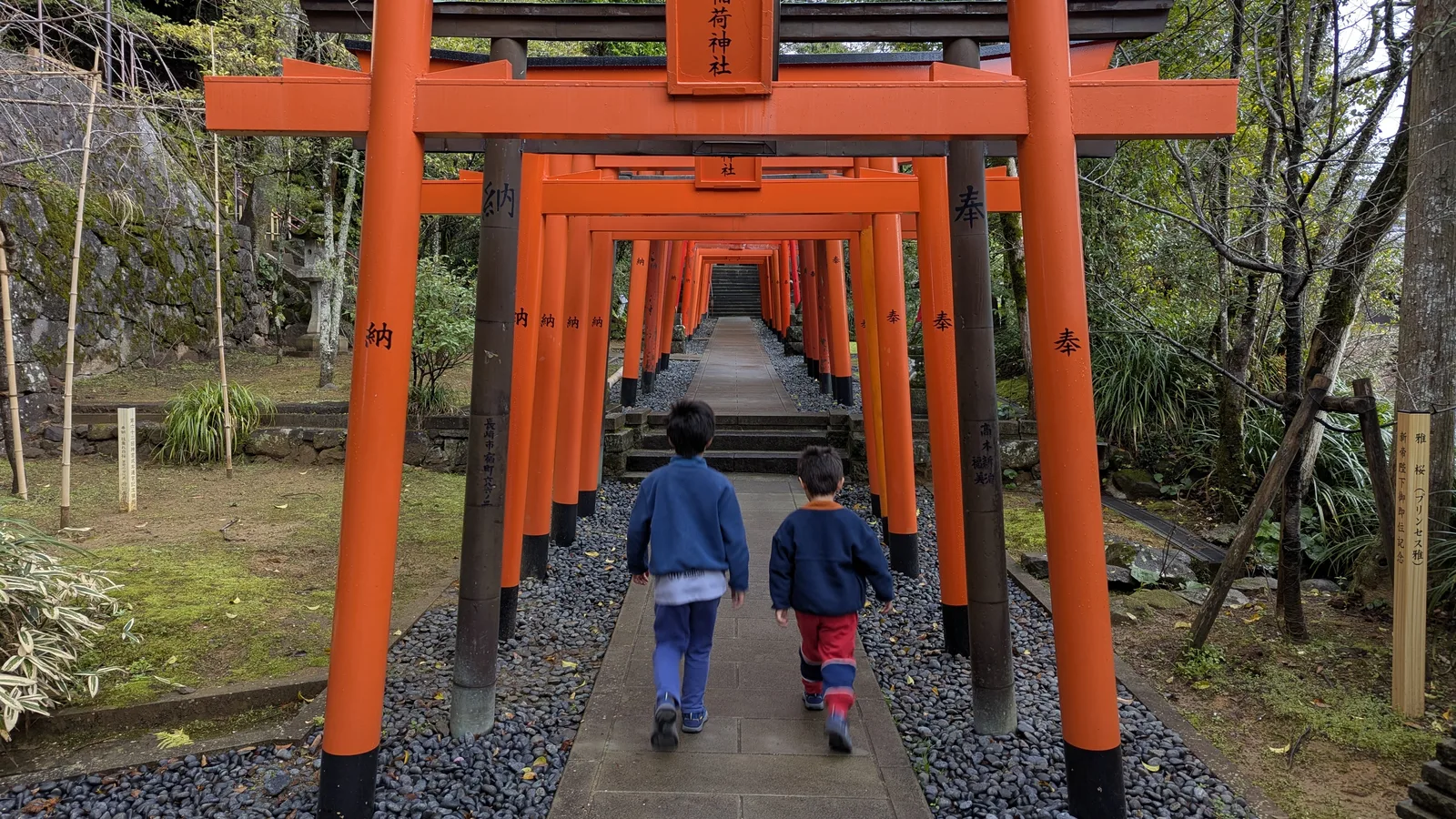
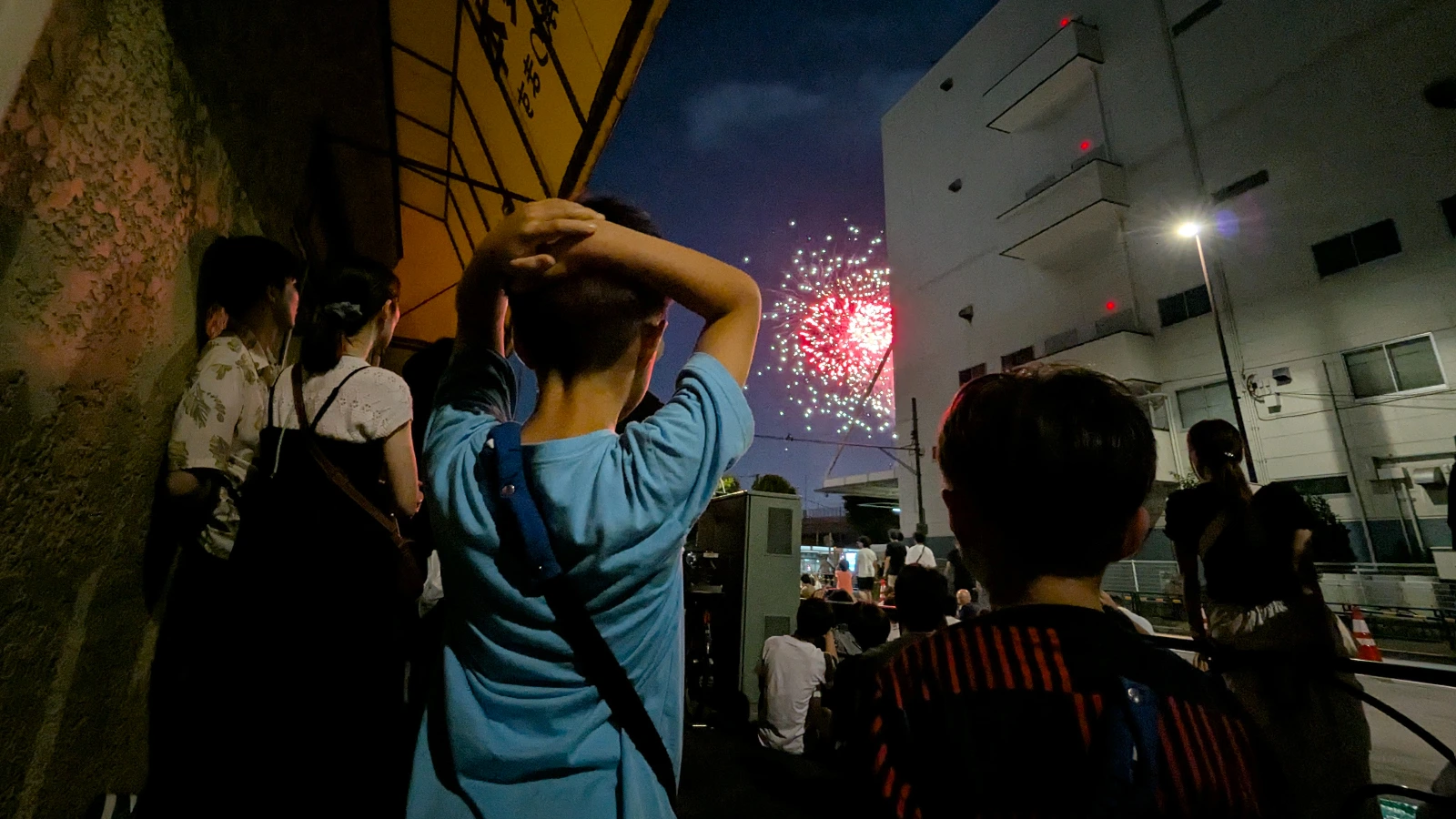
The best time to visit Japan with kids is not a single answer, and any guide that gives you one is not being straight with you. The correct answer depends on your child’s profile, your family’s tolerance for heat and crowds, and which version of Japan you actually want to experience. Cherry blossoms and autumn foliage are Japan’s most photographed seasons, but they are also its most logistically demanding. A family traveling with a Sensor child in Golden Week crowds is not having the same trip as a family with a Dynamo in Hokkaido in July.
This guide applies the Family Fit framework to Japan’s four seasons, so the question of when to visit Japan with kids gets answered for your specific family, not in the abstract. For city-level planning, start with the Japan Family Travel Hub. Every season here has a profile match, a planning reality, and a set of conditions that either make it work or make it hard. Use the Season Picker table first, then read the seasonal sections that apply to your family.
Japan at a Glance: What Each Season Actually Delivers for Families
Japan’s seasons are not equally suitable for all child profiles, and the difference matters more than most seasonal guides acknowledge. The info below organizes each season by what it genuinely delivers, including the conditions families most need to plan around.
| Season | Weather | Best For | Signature Experiences | Primary Planning Pressure |
|---|---|---|---|---|
| SpringMar–May | Mild, 10–20°C (50°F to 68°F) | Sprinter, Anchor | Cherry blossoms, hanami, spring festivals | Crowds at peak bloom; Golden Week (late Apr–early May) |
| SummerJun–Aug | Hot, humid, 30°C+ (86°F+) | Dynamo, teens | Fireworks, beaches, summer festivals | Heat and humidity; Obon (Aug 10–18) |
| AutumnSep–Nov | Crisp, 12–22°C (54°F to 72°F) | All profiles | Fall foliage, harvest activities, calm sightseeing | Peak foliage crowds in Kyoto and Nikko |
| WinterDec–Feb | Cold, 2–12°C (36°F to 54°F) | Sensor (low crowds), Anchor (cities) | Snow festivals, skiing, illuminations | Cold in northern regions; New Year closures |
Spring Mar–May
Summer Jun–Aug
Autumn Sep–Nov
Winter Dec–Feb
Season Picker: Match Your Child’s Profile to Japan’s Calendar
The single most useful thing this info can do is save families from booking dates that suit the destination but not the child. Read across your child’s primary profile, then confirm the month against your school calendar and the crowd windows below.
| What You Need to Know | Quick Answer |
|---|---|
| Easiest overall season with kids | Spring or autumn, mild weather, predictable pacing |
| Best season for Sensor children | Autumn (Oct–Nov) or winter: lowest crowds, manageable sensory load, calm atmosphere. |
| Best season for Dynamo children | Summer (festivals, high-energy outdoor circuit) or autumn (parks fully accessible all day, outdoor discharge zones at their best). |
| Best season for Anchor children | Spring or winter cities: familiar daily rhythm, indoor breaks readily available |
| Best season for Sprinter children | Spring or autumn: cooler temperatures prevent the mid-afternoon physical wall |
| Most iconic Japan moment | Spring for cherry blossoms; autumn for foliage; both require advance planning |
| Best season for budget travel | Winter (outside New Year) or early June before summer peak |
| Busiest periods to plan around | Golden Week (late Apr–early May), Obon (Aug 10–18), New Year (late Dec–early Jan) |
| Best season for beach and water | Summer (Okinawa from April; Honshu beaches from July) |
| Best season for snow experiences | Winter, specifically Hokkaido, Nagano, and Niigata |
| Best month overall for first-time families | April or October, both offer mild conditions and high reward |
| Hardest season for young children | July and August in Honshu cities: heat and humidity are genuine management challenges |
Easiest overall season with kids
Best season for Sensor children
Best season for Dynamo children
Best season for Anchor children
Best season for Sprinter children
Most iconic Japan moment
Best season for budget travel
Busiest periods to plan around
Best season for beach and water
Best season for snow experiences
Best month overall for first-time families
Hardest season for young children
Japan demands 15,000 to 20,000 steps a day, and the difference between a memorable trip and a daily meltdown comes down to one thing: knowing your child’s exact physical and sensory threshold before you lock in non-refundable bookings.
Take the free, 60-second Family Fit Check to discover your child’s travel profile and get the exact pacing strategies that prevent a breakdown on day three.
Spring in Japan with Kids (March to May): Cherry Blossoms and Festivals

Spring is Japan’s most photographed season and its most logistically demanding. The combination of mild temperatures (10°C to 20°C/50°F to 68°F), cherry blossom bloom, and a high density of family-friendly outdoor festivals makes it the top choice for first-time family visitors. The planning reality is equally clear: spring is Japan at peak crowd levels, and Golden Week (late April through early May) compresses domestic and international travel into the country’s busiest window of the year. Families who arrive with a plan move through spring effortlessly. Families who arrive without one spend their best hours waiting.
Best Cherry Blossom Spots for Families in Japan
Not all hanami venues are equally suited to families, and the difference between a stroller-accessible park with open lawns and a steep, crowd-bottlenecked path is the difference between a successful outing and a difficult one. The destinations below are ranked by family utility, not popularity.
Shinjuku Gyoen (Tokyo): The most consistently family-suitable hanami venue in Japan. Multiple cherry tree varieties stagger the bloom across three to four weeks, and the French formal garden functions as a natural picnic area with wide, flat paths throughout. Stroller access is excellent. Alcohol is prohibited, which meaningfully reduces the chaos that affects some other large parks at peak bloom.
Ueno Park (Tokyo): Over 1,000 cherry trees, direct zoo access, and the open space that Dynamo children specifically need. The atmosphere is lively and food stalls are plentiful. Plan for crowds at weekend peak bloom, but the park’s scale absorbs them better than narrower venues.
Osaka Castle Park (Osaka): Over 3,000 cherry trees surrounding the castle grounds, with wide paths, playgrounds, and enough open lawn that families can find space even at high-traffic moments. Among Japan’s large urban hanami spots, Osaka Castle Park handles crowd load more comfortably than most.
Meguro River (Tokyo): A stroller-friendly riverside walk with over 800 cherry trees forming a continuous canopy over the water. The atmosphere is festive and the food options along the route are strong. Arrive early on weekday mornings for the best experience; weekend evenings at peak bloom are dense.
Philosopher’s Path (Kyoto): A flat, 2-kilometer canal walk lined with cherry trees that delivers one of Japan’s most reliably calm spring experiences. Kyoto timing runs approximately one week behind Tokyo, which gives families some scheduling flexibility if peak Tokyo bloom has already passed.
Maruyama Park (Kyoto): The famous illuminated weeping cherry tree is the centrepiece, and the surrounding park has the open space and food stall density that makes evening visits with children genuinely enjoyable. Best on weeknights rather than weekends at peak.
Hirosaki Park (Aomori): Japan’s most technically impressive sakura park for families, combining boat rentals, a castle backdrop, and one of the latest bloom windows in Honshu (late April to early May). The petal-fall stage here, when pink petals cover the moat surface, is among the most memorable spring images in the country.
Mount Yoshino (Nara): Over 30,000 sakura trees blooming across the mountain’s slopes in distinct layers. A ropeway provides access to the mid-mountain area for families who want the visual impact without a demanding hike. Day-tripper crowds peak in late April; arrive before 9:00 a.m. or plan for a weekday visit.
Chidorigafuchi Moat (Tokyo): Rowboat rental under cherry tree canopy is an experience that works specifically well with children old enough to sit calmly in a boat. The queue for boats peaks sharply between 10:00 a.m. and 2:00 p.m.

Top Spring Festivals in Japan for Families
Spring festivals in Japan range from quiet processions through historic streets to energetic urban matsuri that fill entire neighbourhoods. The following carry the strongest combination of family accessibility and cultural weight.
Sanja Matsuri (Tokyo, Asakusa, May): One of Tokyo’s three great Shinto festivals, featuring portable shrine processions, traditional street performances, and the kind of crowd energy that children find immediately captivating. The Asakusa setting means strong food stall density throughout.
Kanda Matsuri (Tokyo, May, odd-numbered years): Massive mikoshi processions through central Tokyo, with elaborate costumes and a parade scale that delivers genuine spectacle for older children and teens.
Aoi Matsuri (Kyoto, May): A grand procession in Heian-period court costume between Shimogamo and Kamigamo shrines. The visual impact is high and the atmosphere is calm enough for Sensor and Anchor children who find noisier festivals difficult.
Fuji Shibazakura Festival (Yamanashi, April to May): Rolling fields of pink moss phlox at the base of Mount Fuji. The visual impact is exceptional, the paths are stroller-friendly, and the scale of the open landscape gives Dynamo children room to move. Book a weekday visit; weekends draw significant crowds.
Hakata Dontaku Port Festival (Fukuoka, May): One of Japan’s largest Golden Week festivals, with street parades, dance performances, and a welcoming atmosphere that works well for families with children across age ranges.
Kawazu Cherry Blossom Festival (Shizuoka, January to February): Japan’s earliest large-scale sakura festival, with bright pink blooms along a flat, stroller-friendly riverside route. For families with early-February travel windows, this is the most accessible alternative to the main sakura season.
Other Spring Experiences Worth Planning Around
Japan’s spring landscape extends well beyond cherry blossoms, and several of these secondary experiences are more manageable for families precisely because they draw lighter crowds.
Strawberry picking across Tochigi, Chiba, Fukuoka, and Shizuoka operates in covered greenhouses throughout spring, making it weather-resistant and reliably low-stress for younger children. The Amaou variety grown in Fukuoka is the standard against which most other varieties are measured. Wisteria tunnels at Ashikaga Flower Park (Tochigi) and Kawachi Fujien (Fukuoka) peak in late April and early May, and the enclosed canopy effect is something children respond to strongly. Hitachi Seaside Park (Ibaraki) transitions from nemophila (blue wildflowers) in late April to a summer-facing landscape by June, and the open scale of the park suits Dynamo families particularly well. The Tateyama Kurobe Alpine Route (Toyama/Nagano) offers the extraordinary visual of towering snow walls remaining into late April and May, when cherry blossoms are visible at lower elevations, one of Japan’s genuinely unusual seasonal contrasts.
Parent Insight: The anticipation that builds in children during the days before a hanami visit is itself part of the Japan spring experience. The preparation, selecting a picnic spot, deciding which treats to bring, watching the blossom forecast shift daily, engages children in the trip at a planning level that most attraction visits do not. Families who frame hanami as a deliberate ritual rather than a checklist item consistently describe it as a highlight of the entire trip.
Summer in Japan with Kids (June to August): Festivals, Beaches, and the Heat Calculus

Summer is Japan’s highest-energy season and its most physically demanding. Daytime temperatures in Honshu cities regularly exceed 30°C/86°F+ with humidity that makes the air feel considerably hotter, and the planning implication is direct: families who do not structure their days around the heat will lose two or three hours of productive time every afternoon. The families who manage summer well in Japan tend to share one characteristic: they treat heat management not as an inconvenience but as an itinerary layer, planning mornings outdoors, midday breaks in air-conditioned spaces, and returning to outdoor activities in the late afternoon. Against that structure, Japan in summer delivers an extraordinary circuit of festivals, fireworks, water experiences, and cultural energy that no other season matches.
Obon: What It Means for Family Planning
Obon (August 10–18) is Japan’s most significant midsummer cultural observance, a Buddhist tradition in which families return to ancestral homes to honour the spirits of the dead. For international families visiting Japan, the planning implications are concrete: domestic travel volume surges, Shinkansen and flights reach near-maximum capacity, and accommodation prices in popular destinations rise sharply. Many family-owned restaurants and smaller businesses close or operate reduced hours during this window. The idea here is that Obon is best planned around rather than into: families who can shift their core Japan itinerary to arrive before August 9 or depart after August 19 will experience meaningfully less logistical friction. For families who cannot avoid the Obon window, Hokkaido absorbs the summer crowd pressure more gracefully than Honshu, and its cooler temperatures (typically 22–26°C/72°F to 79°F in August) represent a genuine quality upgrade for the season.
Top Summer Festivals in Japan for Families
Japan’s summer festival circuit is the densest cultural programming on the country’s calendar, and many of these events are specifically designed for public participation rather than passive observation. The following represent the strongest family options across the season.
Sumida River Fireworks Festival (Tokyo, July): Over 20,000 fireworks launched from two sites along the Sumida River, making it one of the country’s largest single-night displays. Families can view from the riverbanks or book a river cruise for an elevated experience. Arrive at least 90 minutes before the 7:00 p.m. start to secure a workable position on the banks.
Gion Matsuri (Kyoto, July): Japan’s most historically significant summer festival. The evenings preceding the main procession are the most accessible for families with young children: the crowds are dense but the pace is slower, food stalls are abundant, and the illuminated floats can be viewed at close range.
Tenjin Matsuri (Osaka, July): One of Japan’s top three festivals, featuring a boat procession on the Okawa River and a significant fireworks display. The river setting and the combination of water spectacle and fireworks delivers something children find viscerally memorable.
Nebuta Matsuri (Aomori, August): Enormous illuminated warrior lantern floats, some reaching 9 metres in height, parade through the streets with accompanying drumming and dance. The sensory intensity is high and the visual impact is extreme. Best suited to Dynamo children and families with older school-age kids. Sensor children may find the drumming and crowd press difficult without preparation.
Tanabata Festival (Sendai, August; Tokyo, July): Paper streamers and wish decorations fill the shopping arcades in Sendai in a display that covers multiple city blocks. Children can write wishes on tanzaku paper at temple events in Tokyo and at festival stalls throughout the season. The Sendai version is the largest in Japan and operates across a full city block scale.
Nagaoka Fireworks Festival (Niigata, August): Widely regarded as one of Japan’s most technically accomplished fireworks displays, with large-diameter shells launched over the Shinano River. The Phoenix sequence, the festival’s signature moment, takes around ten minutes and is one of the most emotionally powerful things on the summer calendar.
Mitama Matsuri (Tokyo, Yasukuni Shrine, July): Over 30,000 glowing paper lanterns suspend across the shrine grounds in an evening atmosphere that is calm enough for younger children while delivering a genuinely striking visual. A strong option for Sensor and Anchor families who want summer festival atmosphere without high-decibel intensity.
Awa Odori (Tokushima, Shikoku, August): A traditional dance festival where spectators are actively invited to join the procession. For families with children who engage physically with new experiences, this is among the most participatory cultural events on the Japanese calendar.

Water Experiences Across Japan in Summer
The question for families planning summer in Japan is not whether to include water but where the strongest combination of access, child-appropriate conditions, and overall experience quality sits.
Okinawa beaches (Okinawa prefecture, from late April): Japan’s definitive tropical beach destination. The water is clear, the sand is white, and the marine life visible from the shoreline is exceptional. Families with children who snorkel for the first time consistently identify Okinawa as the trip’s peak memory. The Kerama Islands, accessible by high-speed ferry from Naha, offer the clearest water in the prefecture. Okinawa’s beach season opens significantly earlier than Honshu, making it a viable summer escape even in late April and May when the rest of Japan is still in spring.
Kamakura beaches (Kanagawa): A 50–60 minute train ride from Tokyo, Kamakura’s beaches offer gentle waves and a full seaside food and café environment without requiring an overnight stay. For Tokyo-based families who need a heat-release day, Kamakura is the most logistically straightforward option.
Enoshima (Kanagawa): Adjacent to Kamakura and reachable on the same trip, Enoshima combines beach access with an aquarium, lighthouse views, cave exploration, and tide pool walks. Its multi-layer structure means Anchor children who need predictable programming and Dynamo children who need variety can both be satisfied in the same day.
Fuji Five Lakes (Yamanashi): Swimming, kayaking, and boat rides with Mount Fuji as the backdrop. The altitude (around 900 metres) means temperatures run 5–6°C/9°F to 11°F cooler than Tokyo, which is a material difference for Sprinter families who deplete in heat. Lake Kawaguchi has the strongest family infrastructure of the five lakes.
Lake Biwa (Shiga): Japan’s largest lake, with shallow designated swimming beaches, SUP rentals, and easy lakeside cycling paths. The calm, lifeguarded conditions make it a reliable choice for families with younger swimmers.
Minakami (Gunma): The most accessible adventure water destination from Tokyo, approximately two hours by Shinkansen. Family-friendly river rafting, canyoning suitable for beginners, and natural swimming holes in mountain-cold water. The shade from the gorge walls meaningfully reduces the heat load.
Lake Toya (Hokkaido): A volcanic caldera lake with boat tours, canoeing, and cooler summer temperatures. Nightly fireworks over the lake run from late April through October, creating a built-in evening ritual for families staying in the area.
Unique Summer Experiences Worth Planning Around
Firefly viewing (hotaru kansho) runs from late May through early July depending on region, and is concentrated in areas like Tatsuno in Nagano and the valleys around Fussa in western Tokyo. The window is narrow, typically two to three weeks at peak in any given location, and the experience of watching hundreds of fireflies above a dark river requires no particular stamina or preparation. It is the category of Japan experience that children describe years later.
Furano’s lavender fields in Hokkaido peak through July, and the combination of cool temperatures, the visual scale of the colour fields, and the proximity to the Blue Pond near Biei makes this Hokkaido circuit the strongest single argument for a summer Hokkaido base. Tokyo’s Summerland water park, night zoo openings at Ueno, Maruyama, and Kyoto City Zoo (running through August), and the flowing somen noodle experience at Kibune and Takachiho complete a summer menu that can be structured around the heat rather than against it.
LuNi Intel: At major summer festivals, the viewing position that families almost always underestimate is directly behind the main crowd line, not in it. At Sumida River Fireworks, for example, the eastern bank of the river north of Komagata Bridge consistently draws smaller crowds than the designated viewing zones and delivers an unobstructed line of sight. Festival staff direct families toward the official zones; the best family positions require a specific knowledge of the secondary access routes.
Autumn in Japan with Kids (September to November): The Strongest Season

Autumn is, without qualification, the most broadly suitable season for Japan family travel. The combination of cooler temperatures (12°C to 22°C/54°F to 72°F), lower humidity than summer, exceptional foliage colour, and a harvest festival circuit that engages children at a food and outdoor activity level makes it the easiest season to plan and the most forgiving season to execute. The primary planning pressure is concentrated in Kyoto and Nikko at peak foliage, where weekend visitor volume creates the same crowd conditions as spring’s cherry blossom peak. The solution is identical: weekday visits, early arrivals, and secondary destinations that deliver comparable foliage with dramatically lower crowd density.
Best Fall Foliage Destinations for Families in Japan
Nikko (Tochigi): Japan’s most concentrated autumn destination for families, combining UNESCO-listed shrine architecture, vivid maple foliage, waterfalls, and lake scenery within a compact area. The Kegon Falls and Yudaki Falls are accessible without demanding walks, and the cable car to Akechidaira Plateau provides the elevated foliage perspective that children specifically find impressive. Peak colour in Nikko typically falls in late October, running approximately two weeks earlier than Kyoto.
Mount Takao (Tokyo): A 50-minute train ride from Shinjuku, Mount Takao’s cable car reduces the approach to a 10-minute ride rather than a hike, and the momiji (maple leaf) tempura sold at stalls along the main path is specific to this mountain and found nowhere else in the city. Peak colour here falls in late November. For families based in Tokyo who cannot day-trip to Nikko, Mount Takao delivers the autumn foliage experience at the lowest possible logistical cost.
Eikando Temple (Kyoto): The single most visually impressive autumn temple in Kyoto for families, with red maple canopy over the pond producing reflections that children notice immediately without prompting. The evening illumination period (mid-November through early December) is the strongest time-specific experience of the Kyoto autumn season.
Lake Kawaguchi (Yamanashi): The Maple Corridor along the lake’s north shore is stroller-accessible, and the combination of Mount Fuji, the red-tinted lakeshore, and boat ride access creates the layered experience that makes autumn Japan feel distinctive. Peak colour here falls in early to mid-November.
Arashiyama (Kyoto): The bamboo grove in autumn is quieter than in spring and summer, and the adjacent temples and Katsura River provide enough secondary content for a full half-day. Families with older children can extend to Monkey Park Iwatayama, which requires a 20-minute uphill walk but delivers both the monkey colony and elevated views of the autumn valley.
Oirase Gorge (Aomori): One of Japan’s most technically beautiful autumn trails, where a flat, child-friendly path follows a river through a sequence of waterfalls, mossy rocks, and maple canopy. The foliage peaks in mid-October, roughly two to three weeks ahead of Kyoto. For families who want the aesthetic peak of autumn Japan without the Kyoto crowd density, Oirase Gorge is the strongest single alternative.
Korankei Valley (Aichi): A maple-lined gorge that is significantly less known internationally than the major Kyoto venues but matches them in colour intensity at peak. The evening illumination adds a dimension that few foliage destinations outside Kyoto offer.
Minoo Park (Osaka): A forest walk 30 minutes from central Osaka, with wide trails, a waterfall destination, and the same momiji tempura tradition found on Mount Takao. A practical half-day option for Osaka-based families who want autumn foliage without a full day-trip commitment.

Autumn Harvest Experiences for Families in Japan
Autumn harvest activities in Japan are specifically underused by international families, and that gap is worth closing. Japan’s concept of shun, the idea that the peak moment of any food is worth celebrating, produces a seasonal farm circuit that children engage with at a direct, physical level that many cultural attractions do not.
Apple picking in Nagano (October through November) operates across numerous family-run orchards with all-you-can-taste access during the visit. Grape picking in Yamanashi and Nagano (August through October) includes Shine Muscat and Kyoho varieties, with most farms offering shaded picnic areas. Sweet potato digging (satsumaimo hori) across the Kanto region (Saitama, Chiba, Kanagawa) from September through November is the most reliably child-appropriate harvest activity in Japan: the digging requires no precision, the reward is immediate, and farms within a 60–90 minute radius of Tokyo make it a viable half-day option. Rice harvest experiences in Niigata and Shiga (September) introduce children to a process with direct cultural significance: the new-season rice tasted immediately after threshing is a flavour experience that has no equivalent in any other context.
Top Autumn Festivals in Japan for Families
Takayama Autumn Festival (Gifu, October): Japan’s most precisely curated seasonal festival for families, with ornate mechanical floats, karakuri marionette performances, and lantern-lit evening processions through one of Japan’s best-preserved historical townscapes. The compact old town means nothing is more than a short walk from anything else, which matters significantly for Sprinter and Anchor families who need predictable geography.
Nara Tokae Lantern Festival (Nara, August, extending into early autumn): Thousands of amber lanterns across Nara Park, with the deer moving freely through the lit landscape. The atmosphere is calm at a level that specifically suits Sensor and Anchor children who find louder festivals overstimulating.
Jidai Matsuri (Kyoto, October): A procession spanning 12 centuries of Kyoto history, with participants in period-accurate costume moving from the Imperial Palace to Heian Shrine. The length of the procession, approximately two hours, means families with younger children should position early and plan a natural exit point midway through rather than attempting to watch in full.
Sapporo Autumn Fest (Hokkaido, September): A large outdoor food festival in Odori Park, celebrating Hokkaido’s harvest produce at the peak of its seasonal quality. Corn, crab, ramen, cheese, and seasonal sweets from regional farms and vendors, in a stroller-accessible park setting. For families transiting through Sapporo in September, this is an exceptional low-effort, high-reward half-day.
Winter in Japan with Kids (December to February): Snow, Cities, and Illuminations

Winter in Japan divides cleanly into two distinct experiences: the snow-heavy northern regions of Hokkaido, Tohoku, and the Japanese Alps, where the season offers world-class skiing, snow festivals, and the kind of winter landscape that children remember in detail, and the warmer city circuit of Tokyo, Osaka, and Kyoto, where winter means illuminations, indoor cultural experiences, hot springs day trips, and a notable absence of the crowd pressure that defines spring and autumn. Families who conflate Japan’s winter with universal cold conditions often miss the point: Tokyo in January is cold but perfectly navigable, and the combination of reduced tourism and premium winter light events makes urban Japan in January and February a genuinely strong option for families who cannot travel in spring or autumn.
Top Winter Experiences for Families in Japan
Sapporo Snow Festival (Hokkaido, February): Japan’s most significant winter event, centred on massive snow and ice sculptures in Odori Park and the Susukino outdoor ice sculpture venue. The family utility is high: the park is stroller-accessible, food stalls operate throughout, and the scale of the larger sculptures is something children respond to physically, stopping, pointing, circling. Book accommodation a minimum of three months in advance for this window.
Jigokudani Snow Monkey Park (Nagano): Wild Japanese macaques bathing in a natural hot spring, reachable via a 1.6-kilometer forest walk. The walk is the commitment families need to assess before planning: it is manageable for most children over five but becomes genuinely difficult in icy conditions with a stroller. The viewing platform delivers close-range observation without barriers.
Shirakawa-go (Gifu, January–February): The gassho-zukuri farmhouses under heavy snow are among Japan’s most photographed winter images, and the designated illumination evenings (held on specific Saturday nights in January and February by advance reservation only) are the peak moment. Book illumination access well in advance; it operates by timed entry and sells out months ahead.
Zao Snow Monsters (Yamagata): Frost-covered trees at altitude, with a ropeway providing access for families who cannot ski. The “snow monster” formation requires the specific temperature and wind conditions of Zao’s ridge, and the visual result is genuinely unusual. Best visited on a clear day when the formations are visible rather than obscured by weather.
Kusatsu Onsen (Gunma): The most practical hot spring destination from Tokyo for families, with a distinctive yubatake (hot water field) at its centre and a range of ryokan with family rooms. The steam rising off the streets in winter creates the sensory atmosphere that most families associate with the idealized image of a Japanese onsen town.
Otaru Snow Light Path Festival (Hokkaido, February): The Otaru Canal and surrounding streets lit with hundreds of lanterns and small snow sculptures, in an atmosphere calm enough for Sensor and Anchor children who find larger festivals too intense. The walking route is short enough for Sprinter families, and the proximity to Sapporo makes it a natural addition to a Sapporo Snow Festival itinerary.
Nabana no Sato Winter Illumination (Mie, October through March): Japan’s most technically ambitious illumination event, featuring tunnel displays and large-scale light installations over an extensive garden venue. For families who cannot reach Hokkaido but want a winter-specific highlight, this is the strongest option in central Honshu.
Winter Sports and Snow Activities in Japan with Kids
Japan’s ski infrastructure for families is more developed than most international families realize, with dedicated children’s ski schools, snow play areas, and resort-adjacent ryokan available at every major mountain destination. Niseko (Hokkaido) is the international benchmark for powder quality and English-language infrastructure. Nozawa Onsen (Nagano) delivers the most coherent combination of ski-in ski-out access and traditional onsen town atmosphere. Hakuba (Nagano) is the most logistics-efficient for families arriving via Nagano Shinkansen. Myoko Kogen (Niigata) is the closest major ski resort to Tokyo without passing through Nagano.
Beyond skiing: snowshoeing tours operate across Hokkaido and Nagano and require no skill base, making them accessible to children from approximately age six upward. Dedicated snow play parks with tubing, mini-slopes, and snowman-building areas operate at Rusutsu and Furano in Hokkaido and at Hakuba’s Snow Fun Park in Nagano. Dog sledding near Shikotsu and Furano is specifically suited to children who have no interest in skiing but need a physical winter experience. Snow rafting, where participants are pulled across snow in inflatable tubes, operates at Furano and Appi Kogen and is appropriate from approximately age four.
Winter Illuminations and Festivals in Japan for Families
Sendai Pageant of Starlight (Miyagi, December): Over 600,000 lights across the zelkova trees of Jozenji-dori Avenue, creating a continuous canopy walk through central Sendai. The scale is comparable to Japan’s major illumination events, the atmosphere is calm, and the city’s winter food scene is accessible immediately adjacent to the illumination route.
Sapporo White Illumination (Hokkaido, November through February): Odori Park lit across multiple blocks, stroller-accessible, and designed for walking rather than waiting. It pairs naturally with the Sapporo Snow Festival if timing allows.
Ashikaga Flower Park Winter Illumination (Tochigi, October through February): A wisteria-themed light structure built around the park’s signature tree, with additional displays reaching into the surrounding gardens. Among Japan’s winter illumination events, this one has the strongest standalone narrative for children, the wisteria light installation registers differently from a generic tunnel display.
Yokote Kamakura Festival (Akita, February): Snow huts (kamakura) lit from inside with candles across the city, with families invited to enter and share hot amazake and mochi. This is the winter festival with the most direct child participation of any on the calendar and is consistently described by families as the most memorable evening of a Tohoku winter itinerary.
Hidden Gems by Season: Japan Beyond the Primary Circuit

Japan’s most compelling family destinations are not always the ones with the highest international profile, and each season has a secondary circuit that delivers comparable quality with substantially less crowd pressure.
The following four destinations are editorial picks: each earns its inclusion because it delivers something the primary circuit does not, whether in atmosphere, physical access, or the specific quality of the family experience.
Spring: Takachiho Gorge (Miyazaki, Kyushu)
Takachiho Gorge offers rowboat access through a narrow volcanic canyon with a waterfall cascading directly into the emerald water. Spring is the strongest season here: the gorge stays cool, the greenery is fresh, and the rowboat queue is manageable before the summer holiday period increases domestic visitor volume. The gorge’s mythological connection to Japanese creation stories, Amaterasu’s cave is a short walk from the boathouse, gives families a narrative layer that most purely scenic destinations do not carry.
Best for: Anchor and Sensor families who want a contained, high-reward day rather than a logistically complex circuit.
Summer: Yanbaru Forest (Okinawa)
The northern Okinawa forest that covers much of Kunigami, Ogimi, and Higashi is a designated national park and one of the last remaining habitats of the Okinawa rail, a flightless bird found nowhere else on Earth. Canoe routes through the river mangroves, guided jungle walks, and waterfalls accessible by short hikes make this a strong counterpoint to Okinawa’s beach circuit for families with children who engage with wildlife. Temperatures in the forest are meaningfully lower than the coast.
Best for: Dynamo families with children who need physical engagement rather than passive beach time.
Autumn: Sandankyo Gorge (Hiroshima)
A narrow canyon trail following the Sandankyo River through tiered waterfalls and autumn maples, with an optional riverboat ride in the lower section. Peak colour here falls in mid-November, and visitor volume is a fraction of comparable Kyoto venues. Families visiting Hiroshima who have a spare day consistently underestimate Sandankyo as a complement to the city’s primary historical sites.
Best for: Families of all profiles who want autumn foliage without the logistical weight of Kyoto or Nikko.
Winter: Ginzan Onsen (Yamagata)
A single street of wooden Taisho-era ryokan lining a narrow river, with lantern light reflecting on snow-covered cobblestones after dark. Ginzan Onsen is the most atmospherically complete winter destination in Japan for families: the scale is small enough to be immediately comprehensible to children, the ryokan culture structures the day automatically, and the snowfall, when it arrives, transforms the street into something children describe as a movie.
Best for: Anchor families specifically, as the predictable ryokan rhythm and small geographic footprint eliminate the navigation load that challenges routine-reliant children.
The Japan Seasons Briefing: Essential Intel
A: The best time to visit Japan with kids is April or October. Both months offer mild temperatures, high-quality seasonal experiences (cherry blossoms in April, early foliage colour in October), and lower crowd density than the peak windows of Golden Week or mid-November. October is the stronger choice for families with Sensor or Sprinter children.
A: April is the single strongest month for first-time family visits: cherry blossom season is at or near peak, temperatures are 12–18°C/54°F to 64°F across most of Honshu, and the festival and outdoor activity calendar is at its most accessible. October is the best autumn equivalent. Both months outperform adjacent months for the combination of weather quality and manageable crowd conditions.
A: The three windows to plan around are Golden Week (late April through early May, when domestic tourism peaks and accommodation costs rise significantly), Obon (August 10–18, when transport systems operate near capacity and many smaller businesses close), and New Year (late December through January 3, when attractions and restaurants have reduced hours and Shinkansen reservations are extremely limited). None of these windows are impossible for family travel, but all require more advance planning than a standard itinerary.
A: Japan’s rainy season (tsuyu) runs from early June through mid-July and is characterized by extended periods of grey, humid weather with intermittent heavy rain. It is not Japan’s worst travel window for families with young children, precisely because the reduced outdoor appeal concentrates planning on indoor experiences: aquariums, hands-on museums, and covered market halls. Families who build itineraries around indoor anchors rather than outdoor sightseeing manage the rainy season comfortably. Light rain gear for children is essential.
A: The heat management framework that works for most families is: outdoor activity from 8:00 to 11:00 a.m., air-conditioned indoor activity or hotel break from 11:00 a.m. to 3:00 p.m., and outdoor activity resumed from 3:00 p.m. into the evening. Electrolyte drinks are available at every convenience store. Portable neck coolers and cooling towels are sold widely in Japan and represent a material difference in comfort for Sprinter children who deplete in heat particularly quickly.
A: Cherry blossom timing shifts by 7–10 days from year to year based on winter temperature patterns. The Japan Meteorological Corporation releases its annual forecast in January. Families who want high certainty of catching peak bloom should book flexible date travel windows of at least 10–14 days, plan to visit multiple cities (which stagger the bloom by one to two weeks across the country), and treat the forecast as a planning tool rather than a guarantee. Families who cannot book flexibility should target late March to early April in Tokyo as the highest-probability window.
A: Hokkaido is Japan’s most reliably cool summer destination, with August temperatures averaging 22–25°C/72°F to 77°F in Sapporo and lower in rural areas, making it suitable for Sprinter and Sensor families who deplete in Honshu’s heat. The Japanese Alps (Nagano, Niigata) offer a 5–8°C/9°F to 14°F temperature reduction compared to Tokyo at equivalent elevations, and Nikko runs significantly cooler than central Tokyo for day trips.
A: December is one of the strongest months for urban Japan family travel. Illumination events across Tokyo, Kobe, and Osaka operate through December, ski resorts in Hokkaido and Nagano reach reliable snow depth by mid-December, and the tourist crowd pressure in Kyoto and Nara drops sharply after mid-November. Christmas is not a national holiday, but major attractions (Disney, Universal) run themed seasonal programming through December 25.
What Comes Next
The seasonal framework here gives you the planning context; the city-level planning is where the itinerary becomes specific. For families whose trip centres on Tokyo, the Tokyo Family Travel Hub covers neighbourhood selection, hotel recommendations, and age-specific day structures across all four seasons. Families planning a multi-city route should use the Japan Family Travel Hub to map the optimal city sequence and pace for their child’s profile before any bookings are confirmed.