Nagoya collection
Nagoya, for families.
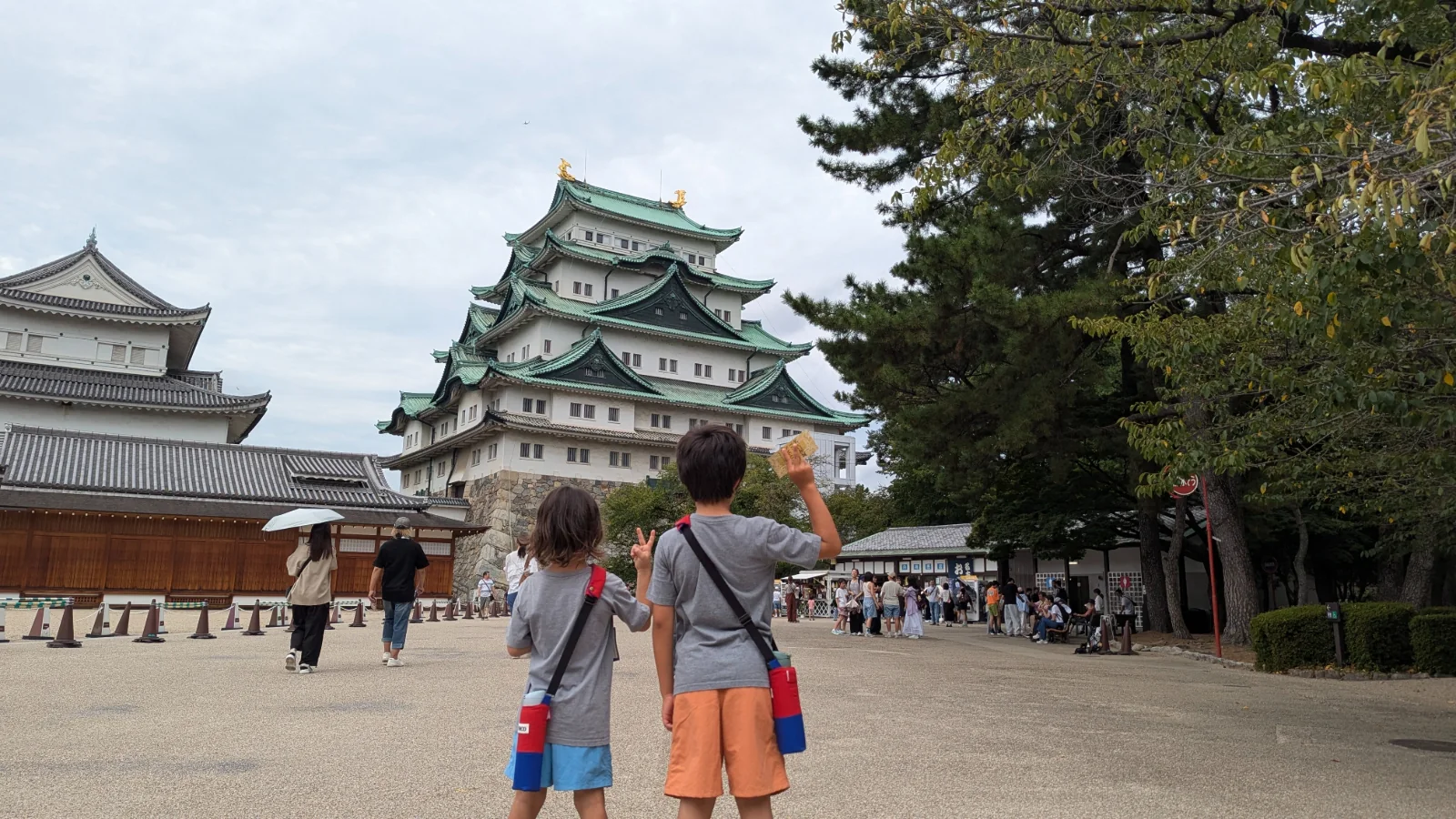
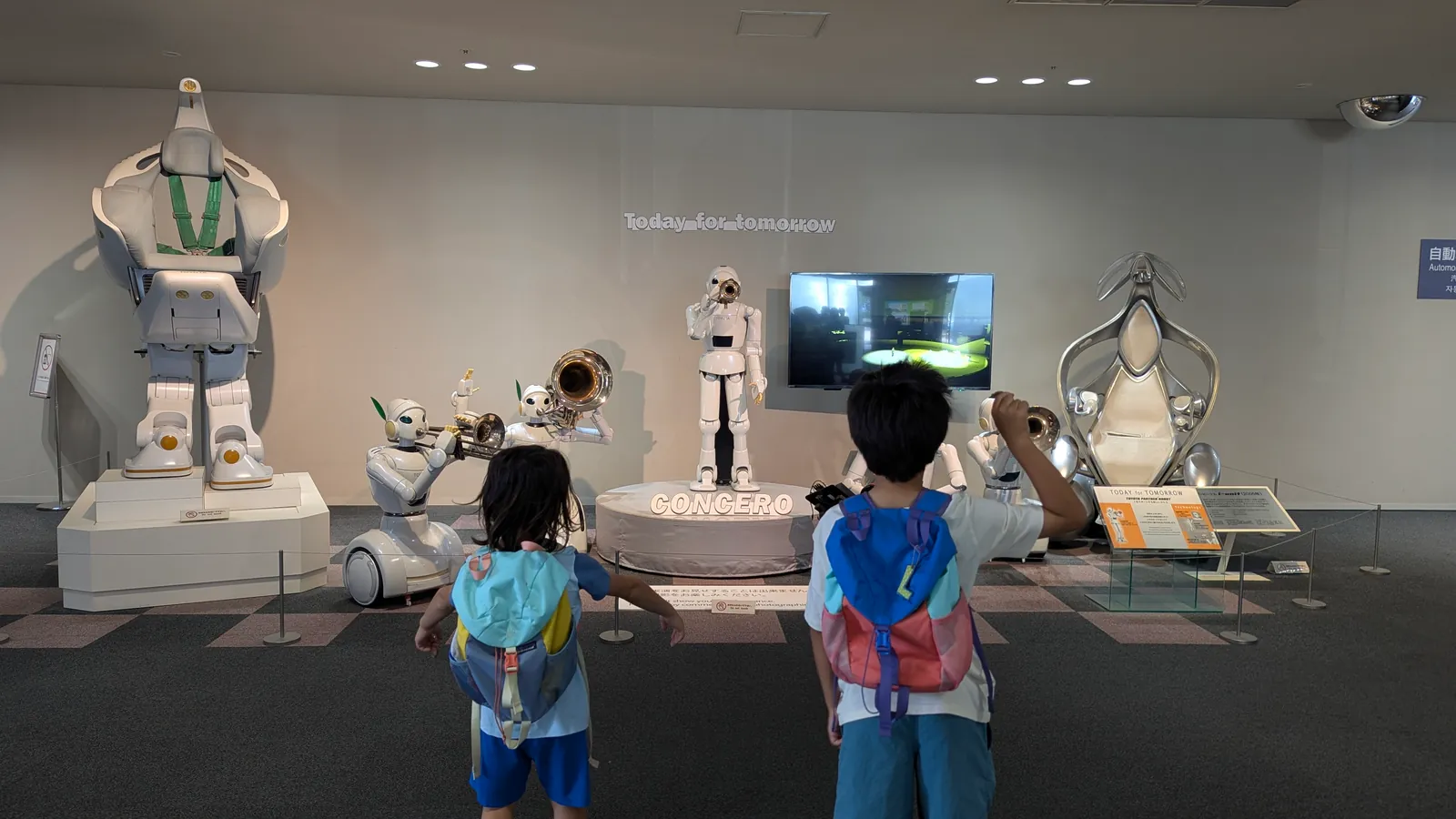
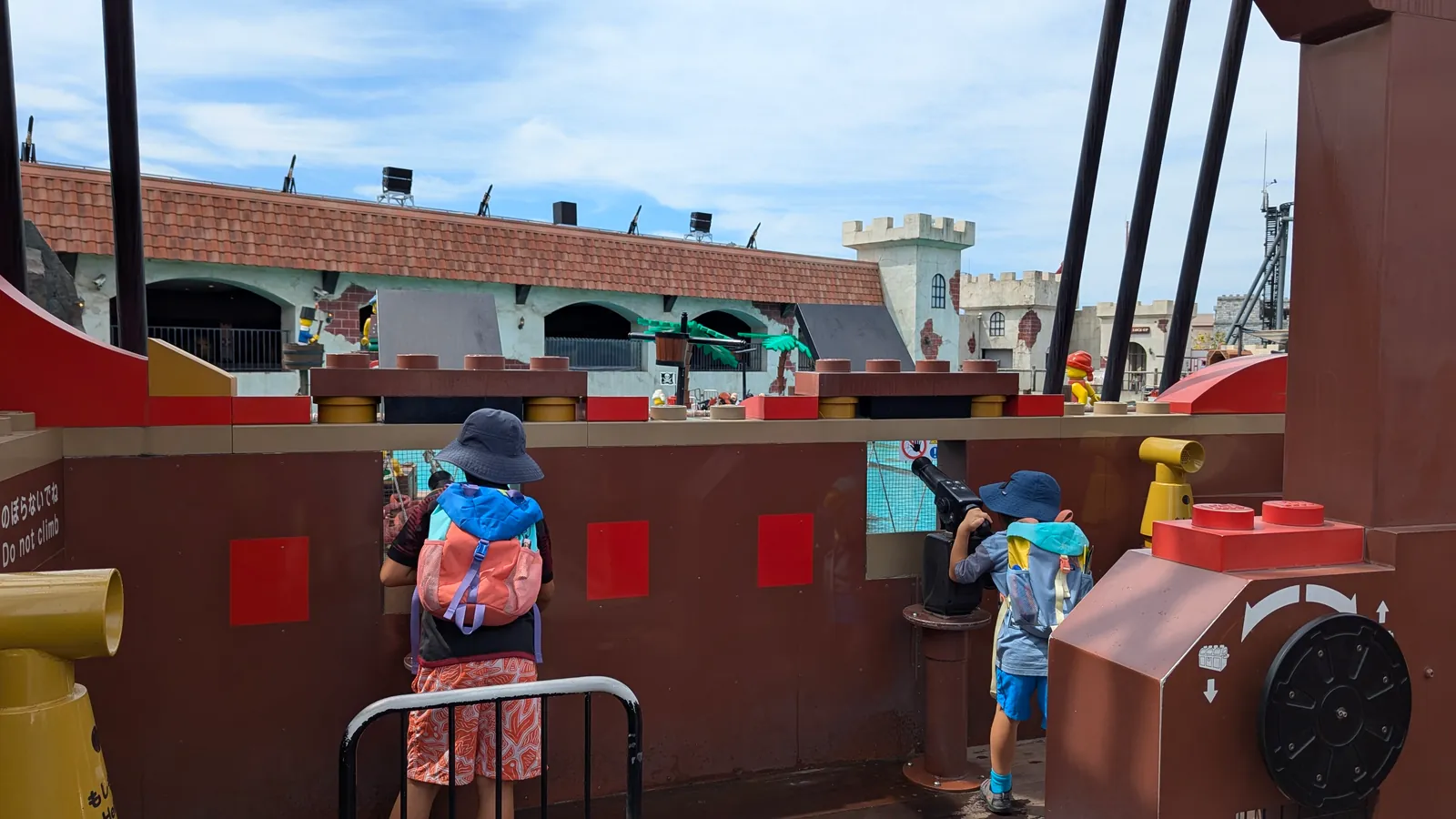
Nagoya is a city of machines and water for a child: LEGO bricks, maglev and steam trains, Toyota's looms and cars, and orcas at the port aquarium. It is worth a stay, not a change of trains.
- Recommended stay
- 2 to 3 nights
- Worth a stay, not a change of trains: each area fills its own day.
- Best season
- Spring or November
- LEGOLAND and the castle grounds are outdoor days; the season counts.
- Best base
- Nagoya Station
- The Shinkansen stops here; trains run out to the port and the east.
- Getting in
- Shinkansen from Tokyo or Kyoto
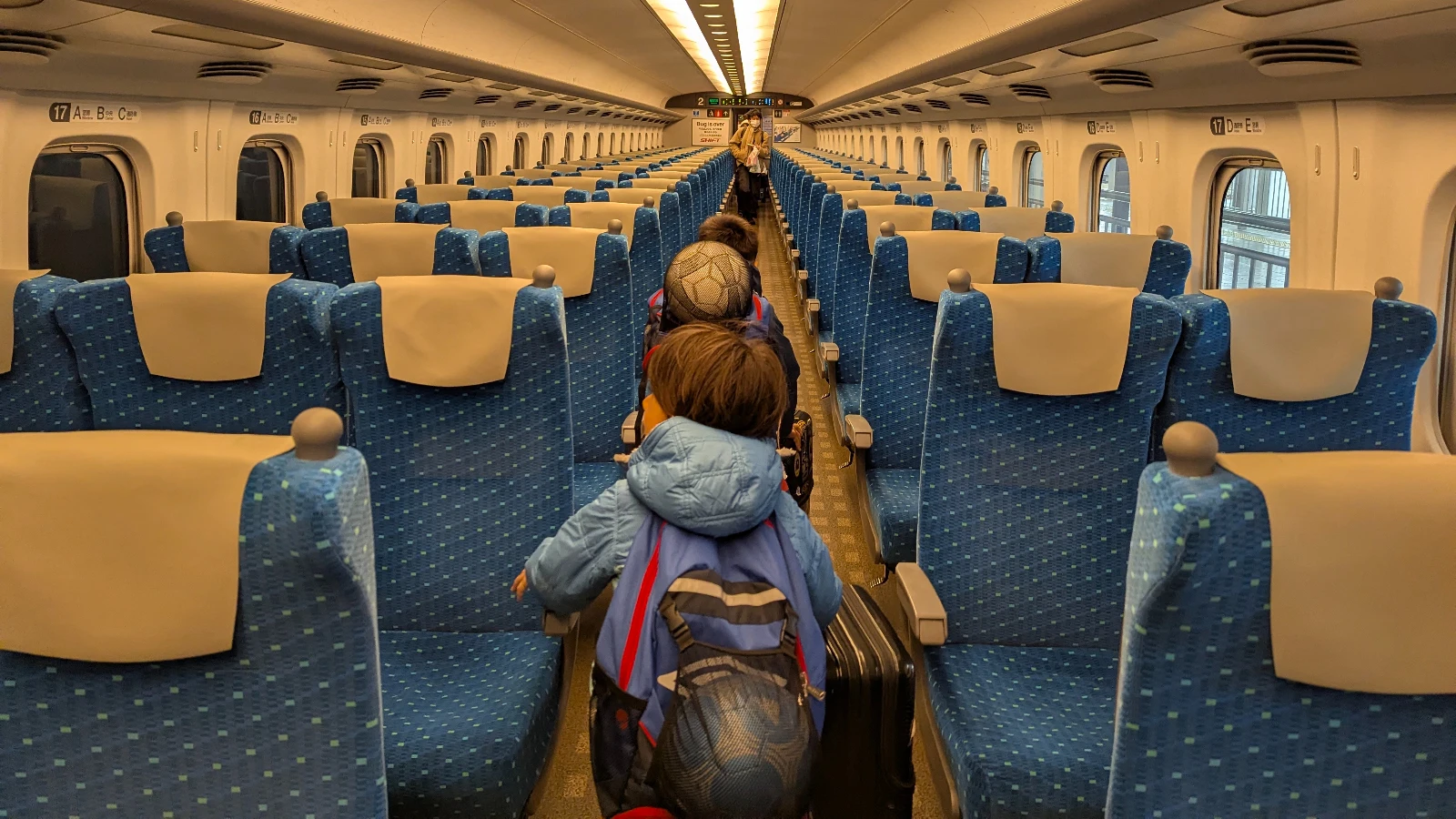
- Just over 90 minutes from Tokyo, about half an hour from Kyoto.
- Book first
- Ghibli Park
- Reservation only, with tickets released two months ahead.
The short answer
Give Nagoya one direction a day.
The family stops fall into three groups: the center, the port at Kinjo-futo and Nagakute to the east, each a train ride from the station. Mixing two in one day means more time on trains than at the stops.
Our advice: sleep at Nagoya Station, book Ghibli Park first, and let it set the week.
Things to do in Nagoya
Give LEGO and the trains one day and the castle another, and let a museum fill whatever is left.
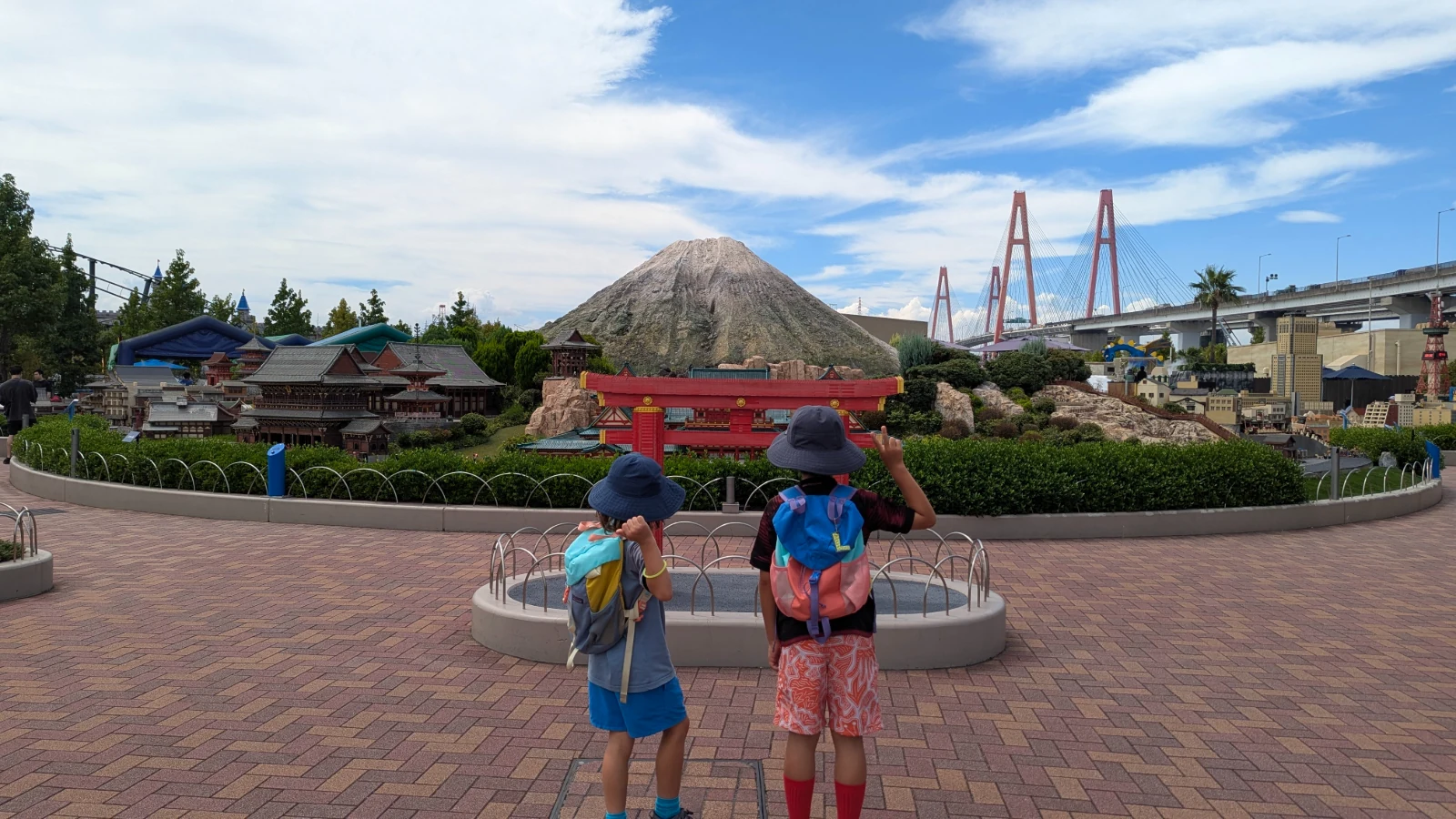
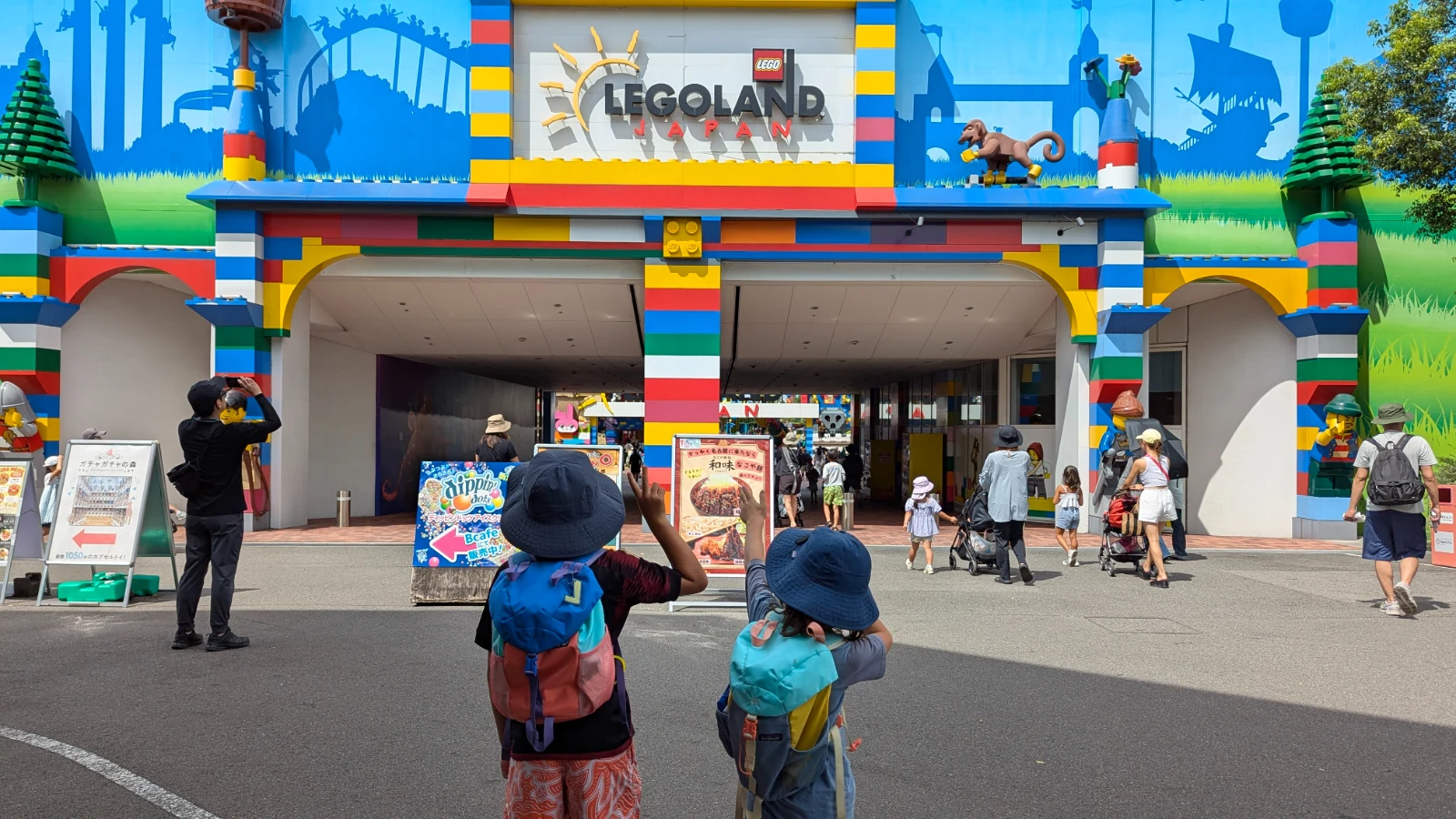
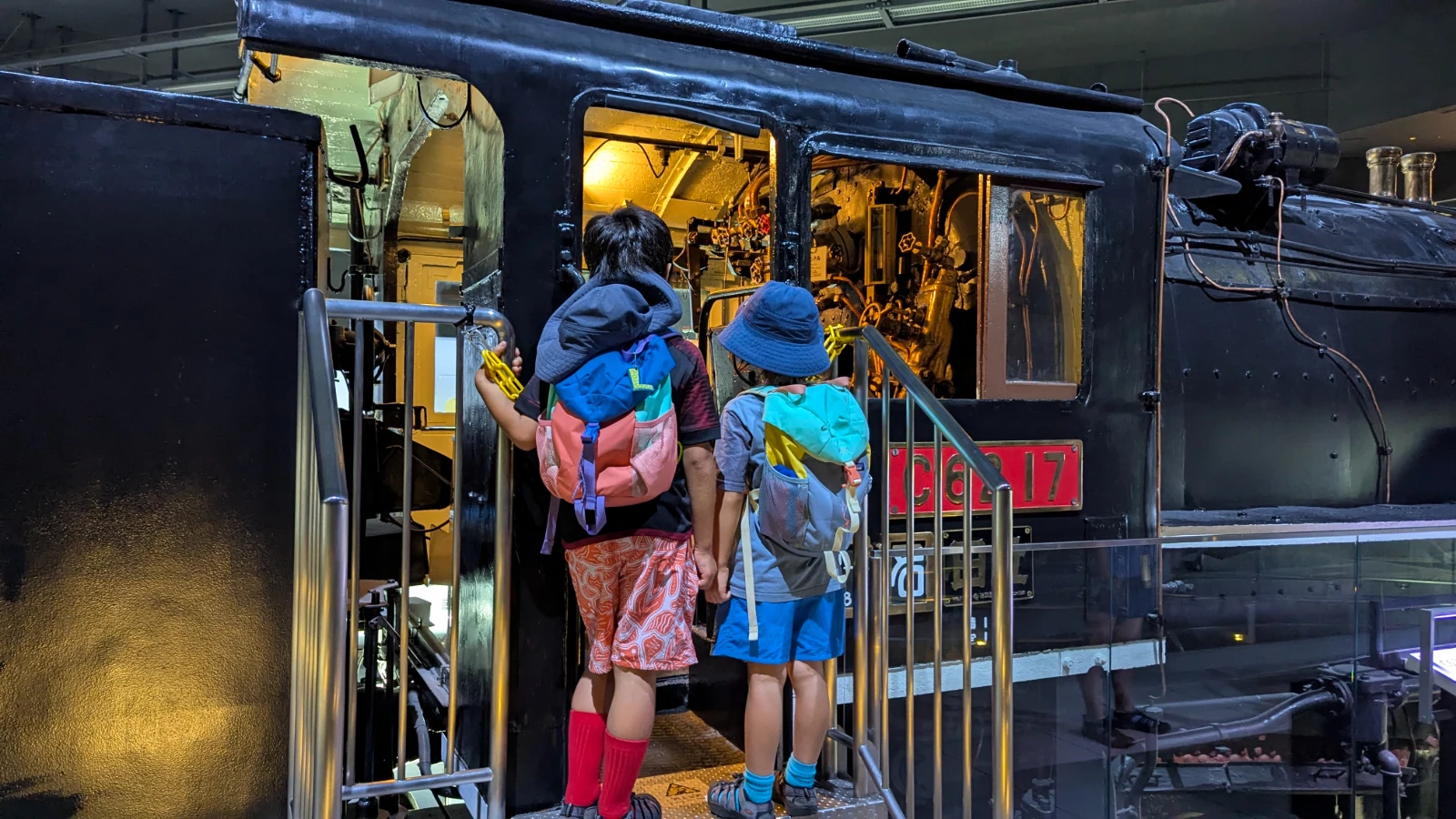
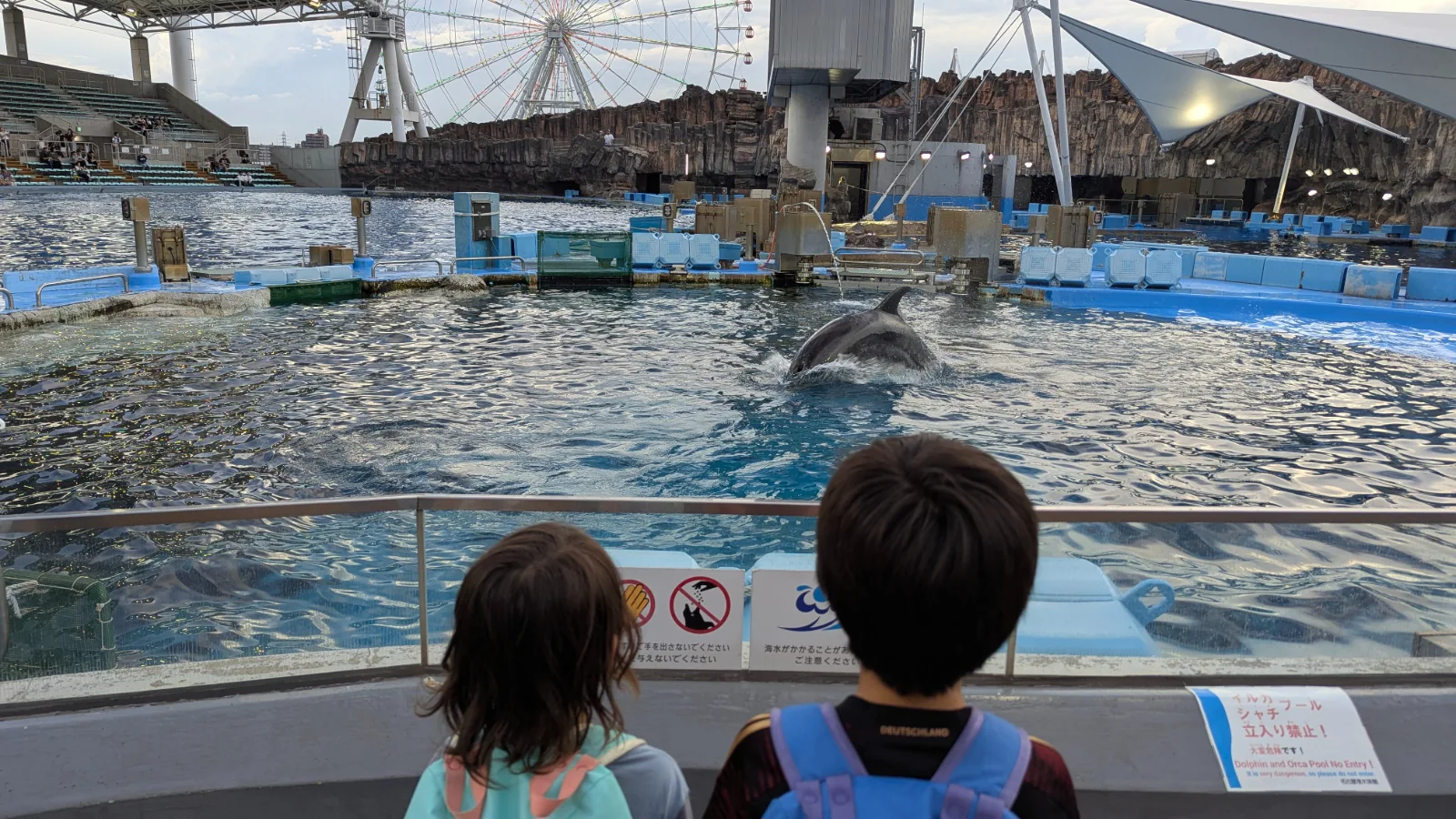
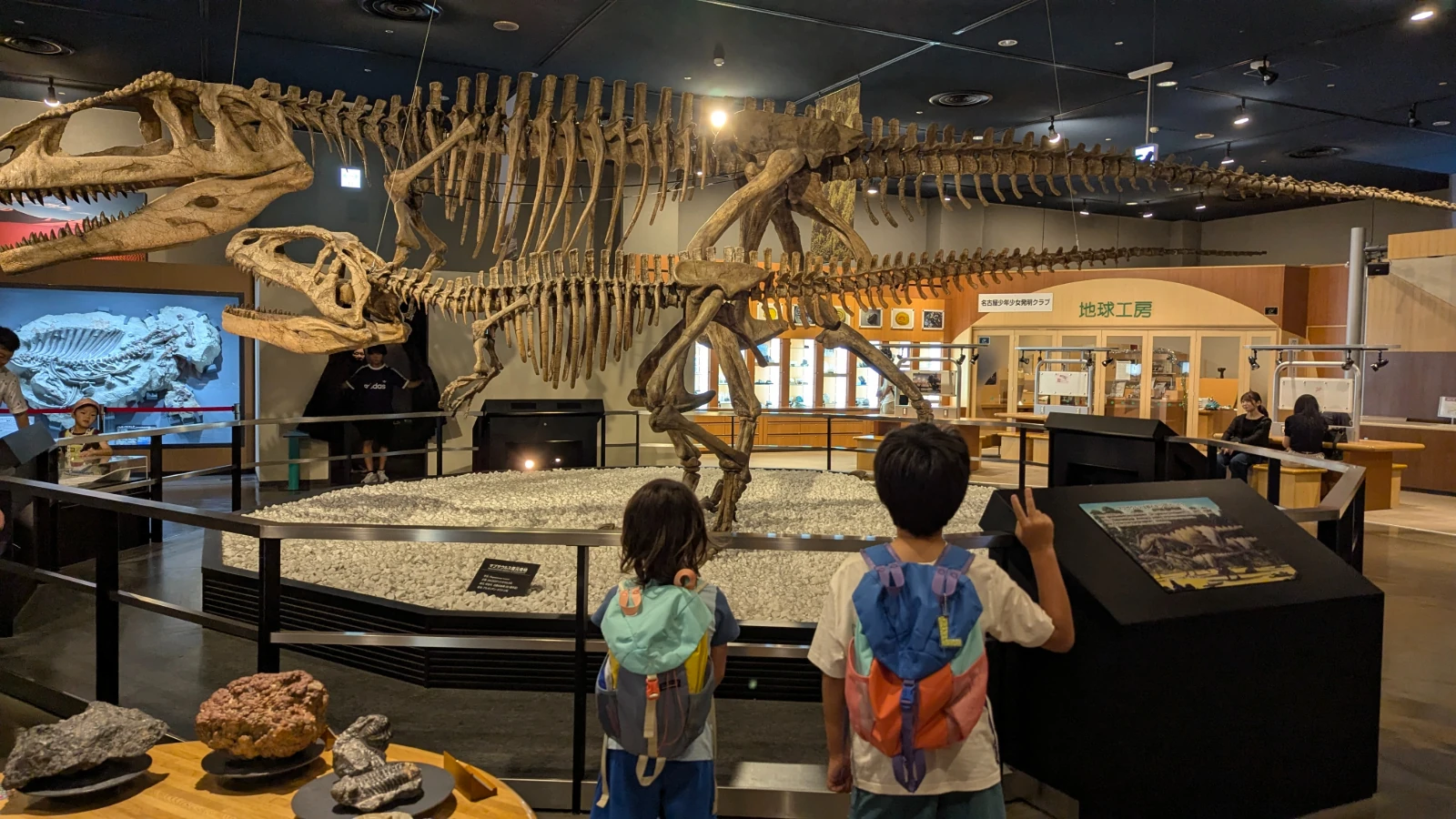
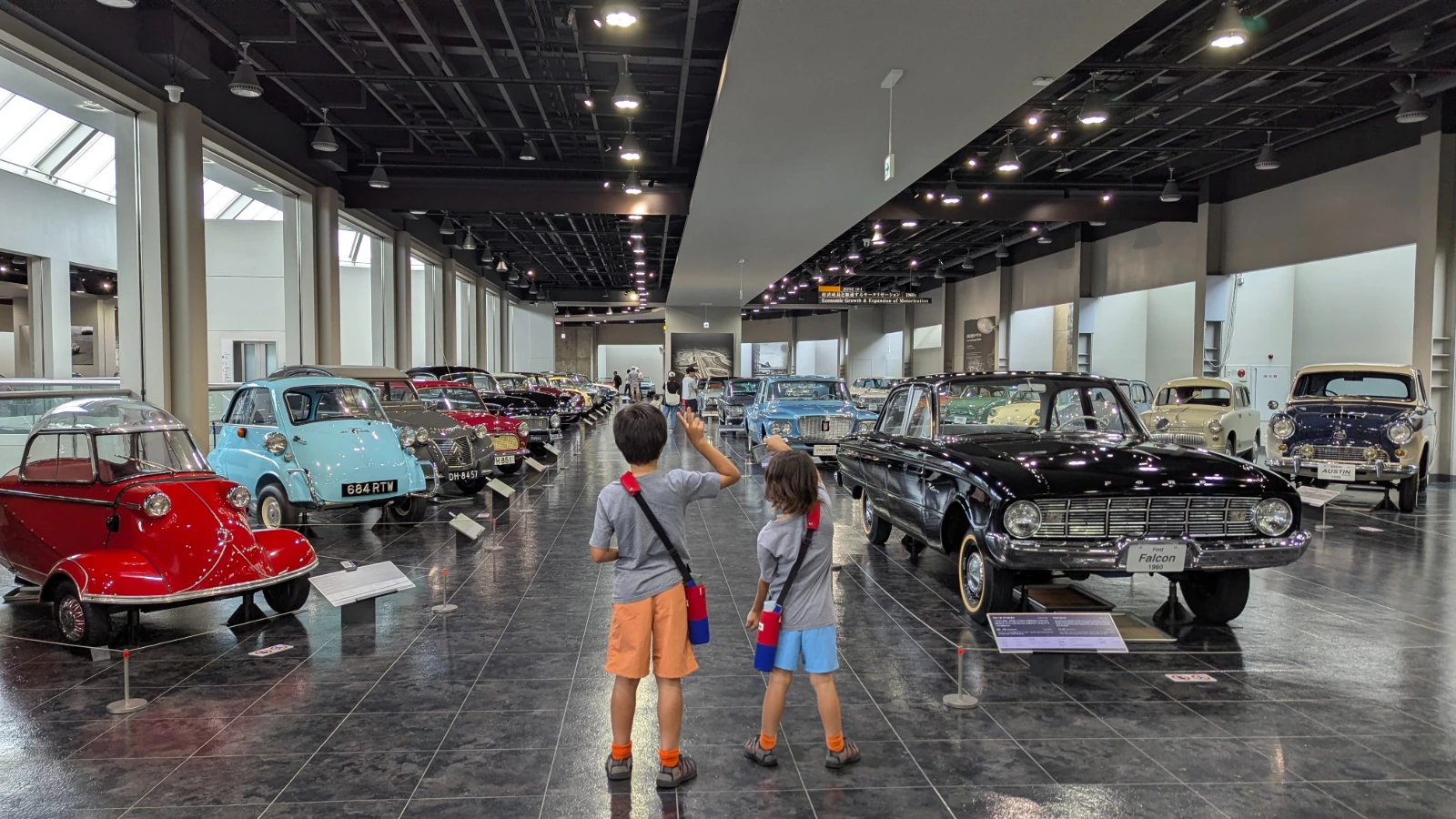
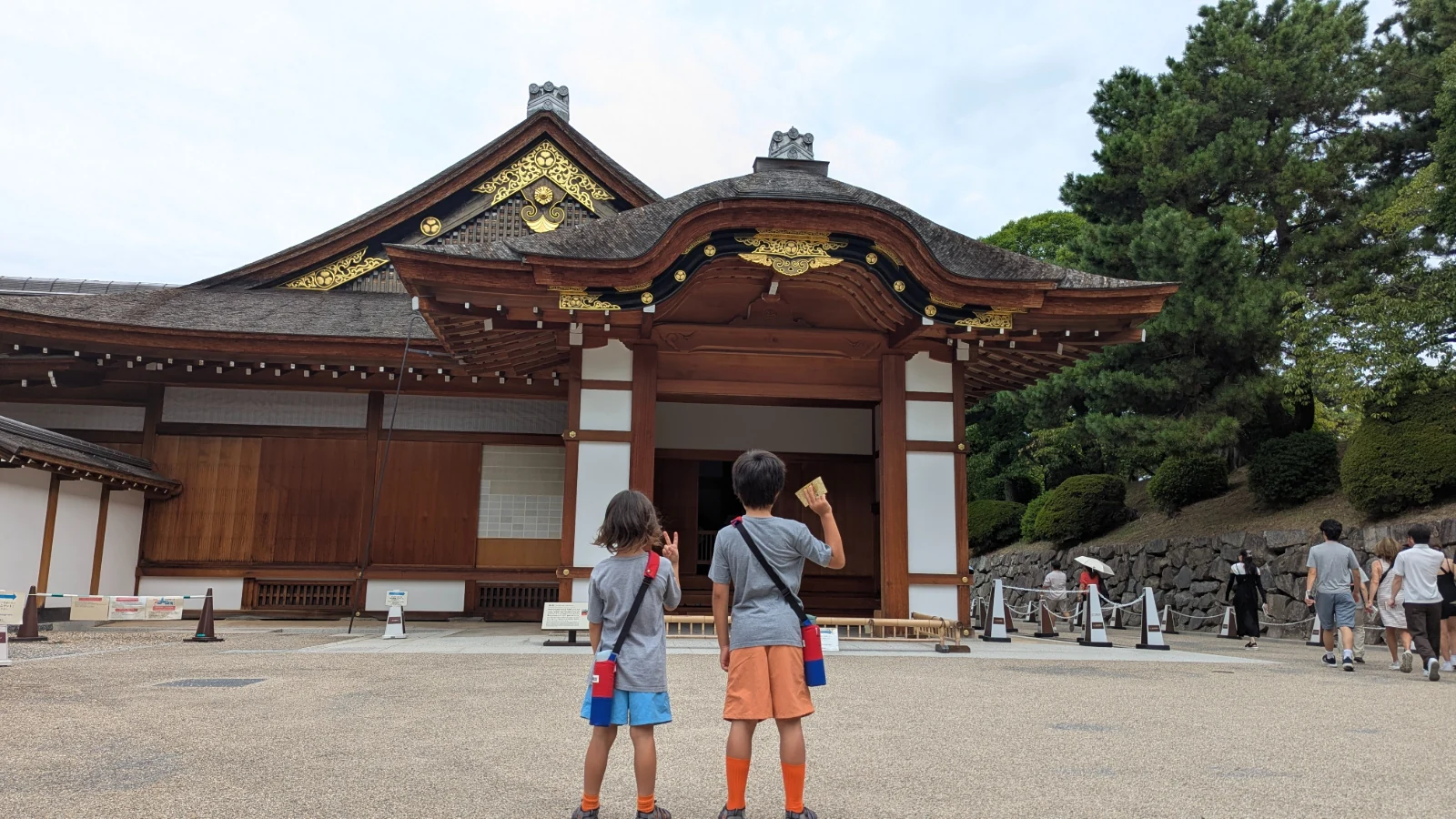
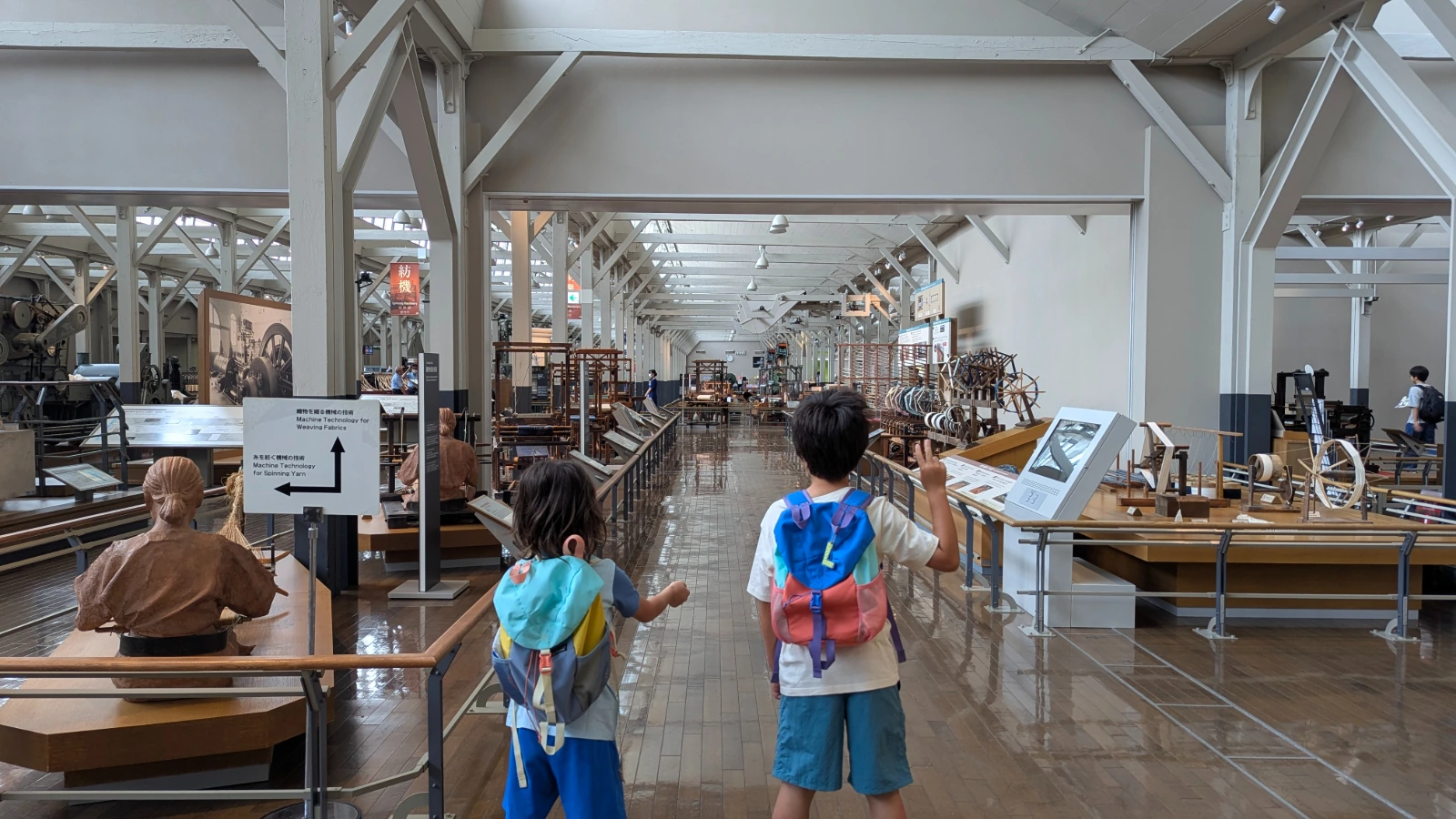
The castle, science and Toyota
Getting to Nagoya
Nagoya is a Nozomi stop between Tokyo and Kyoto, so the rail pass sum and the luggage plan come first.

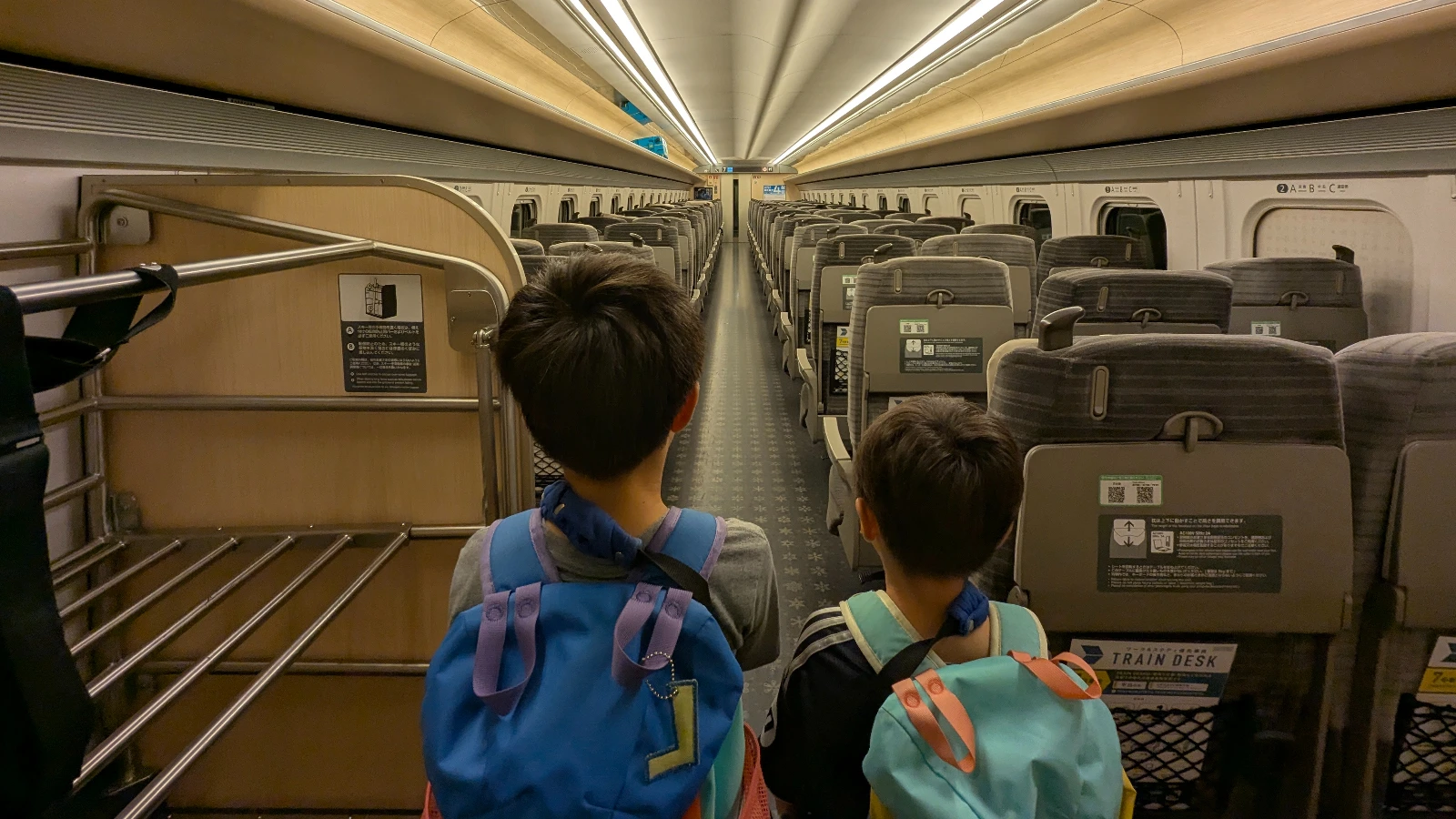
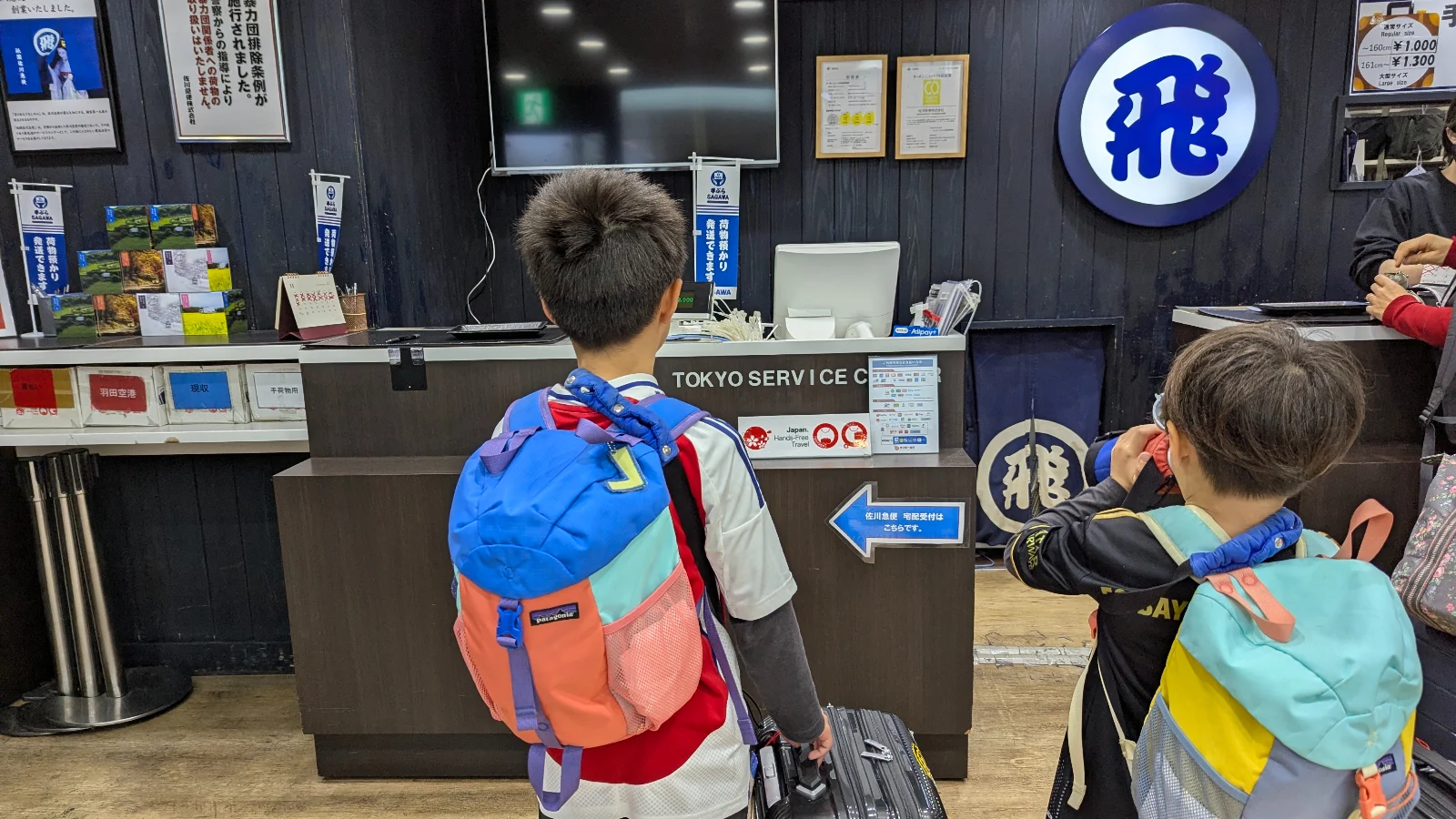
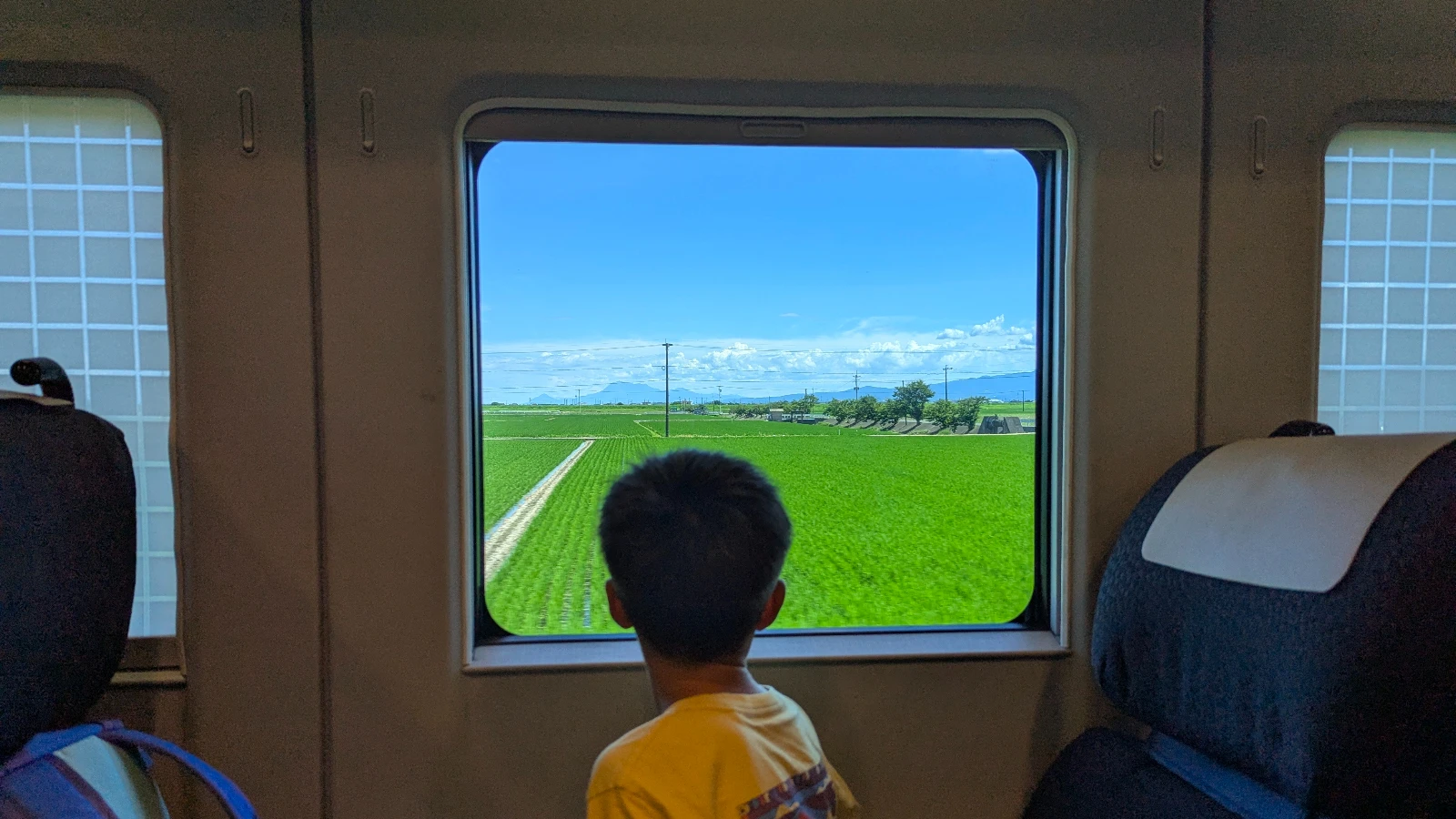

Nagoya beside the rest of Japan
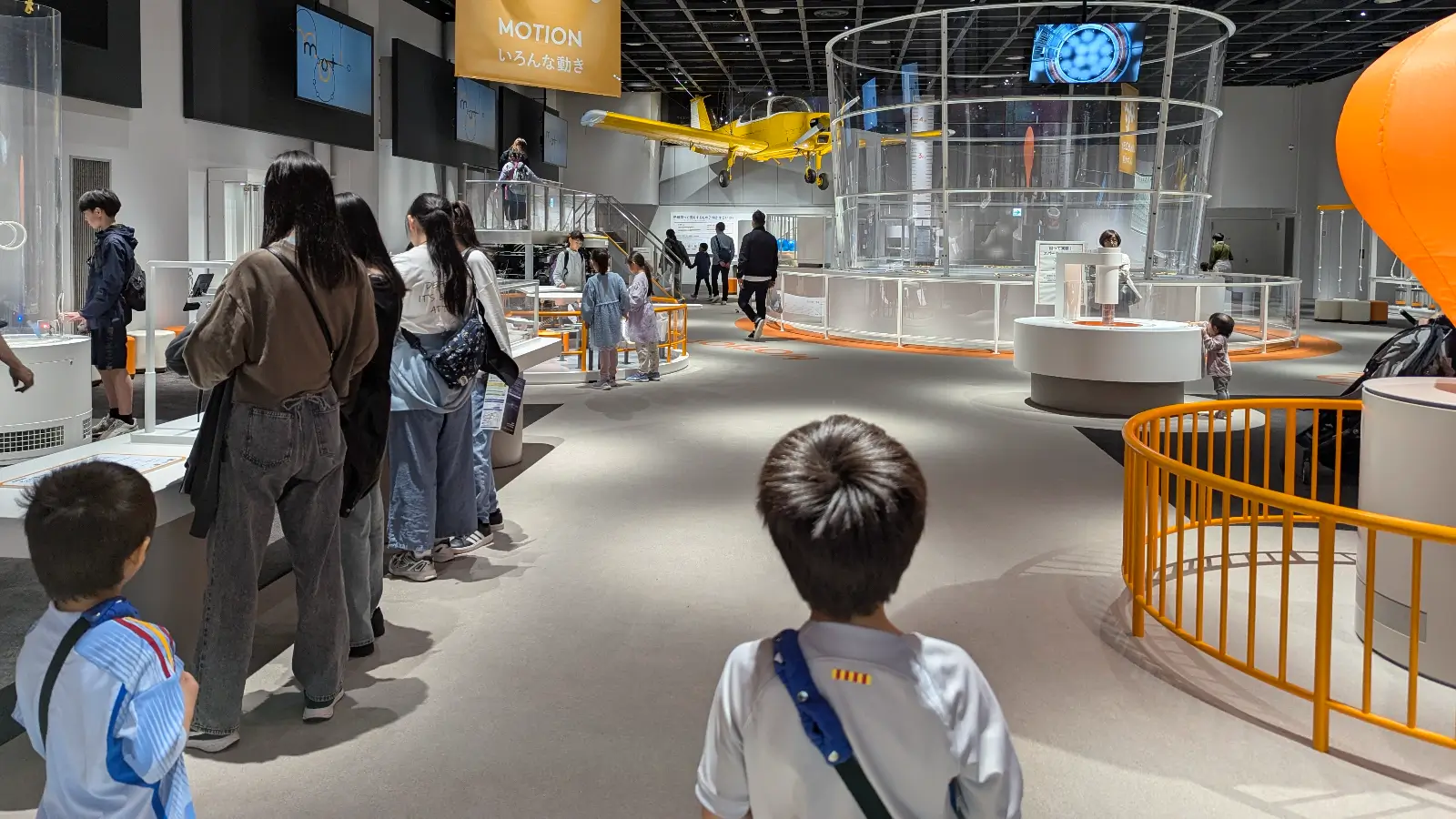







What a Nagoya day costs
In Nagoya the ride is the real price.
A Nagoya day can look simple and still go wrong. The city’s day ticket skips the Aonami Line to the port, and the three groups of stops sit on different lines, so the tiring part is usually the train between two good stops.
Each Nagoya plan is read by The LUNI Framework through money, time and the child’s Reserve: the limited store a child has for everything travel asks of them. The lines decide how fast each is spent.
One area a day, and Nagoya stays easy.
A planning lens, not a clinical instrument. The framework is a way of seeing a trip in advance, not a diagnosis of the child. Questions about a child’s attention, sensory, anxiety, or developmental regulation belong with a pediatric or developmental professional.