
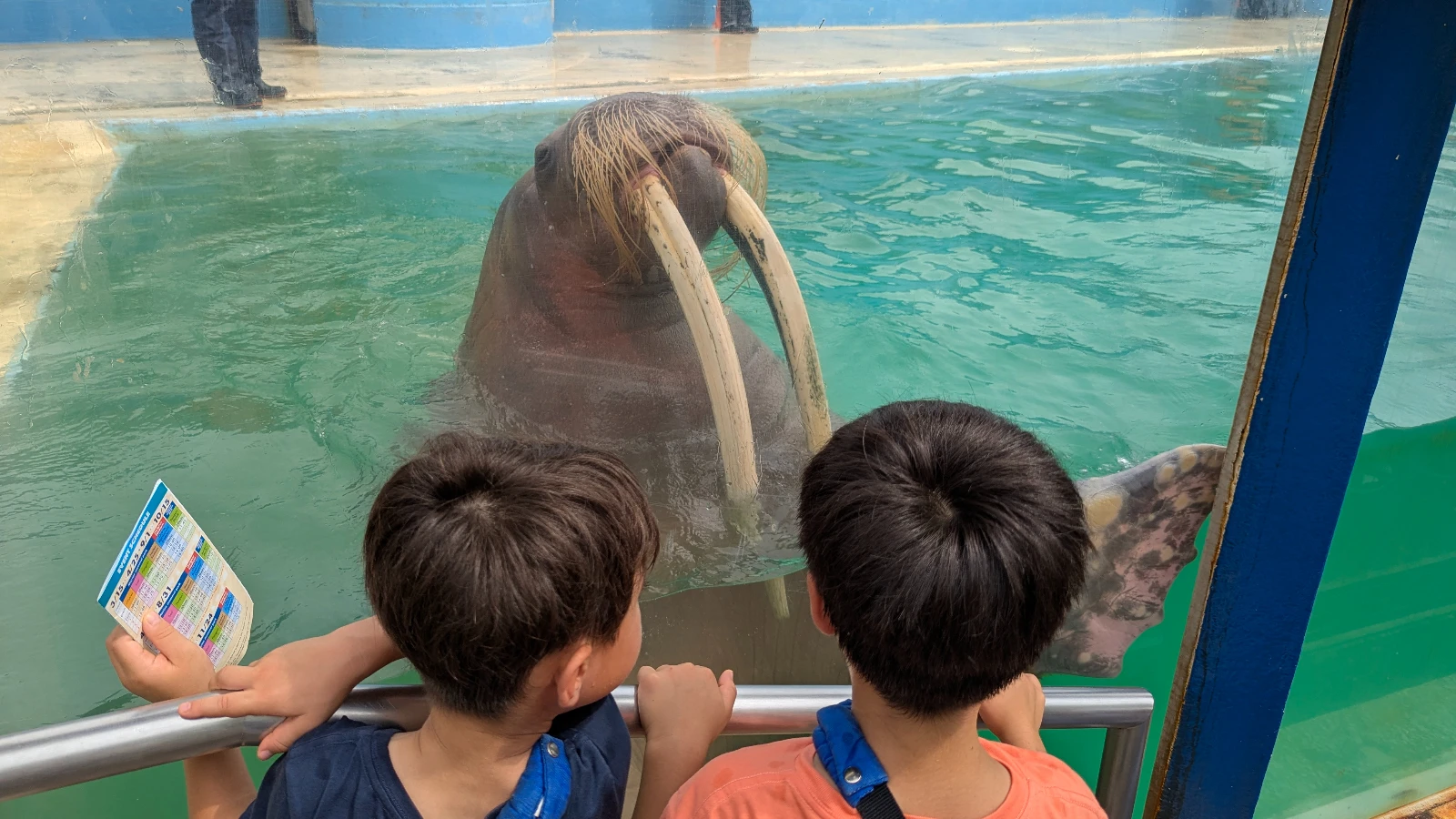
Japan is home to some of the world’s most impressive aquariums and zoos, giving families a chance to explore incredible wildlife in ways that are safe, exciting, and accessible for kids. From towering whale shark tanks in Osaka and rooftop penguin exhibits in Tokyo to snow monkeys soaking in onsens, these attractions offer unforgettable memories.
Whether you’re planning your first trip with toddlers or returning with teenagers, this guide ranks the top animal encounters across Japan, including ethical wildlife spots, stroller-friendly tips, and 2026 pricing.
Planning more kid-friendly adventures across Japan? Start with our Ultimate Guide to Family Attractions in Japan with Kids for a complete look at the best zoos, aquariums, museums, parks, and cultural experiences across the country. To see how everything fits together across Tokyo, Kyoto, and Osaka, use our Japan 2-Week Itinerary with Kids as your starting point.
Best Aquariums in Japan for Kids and Families
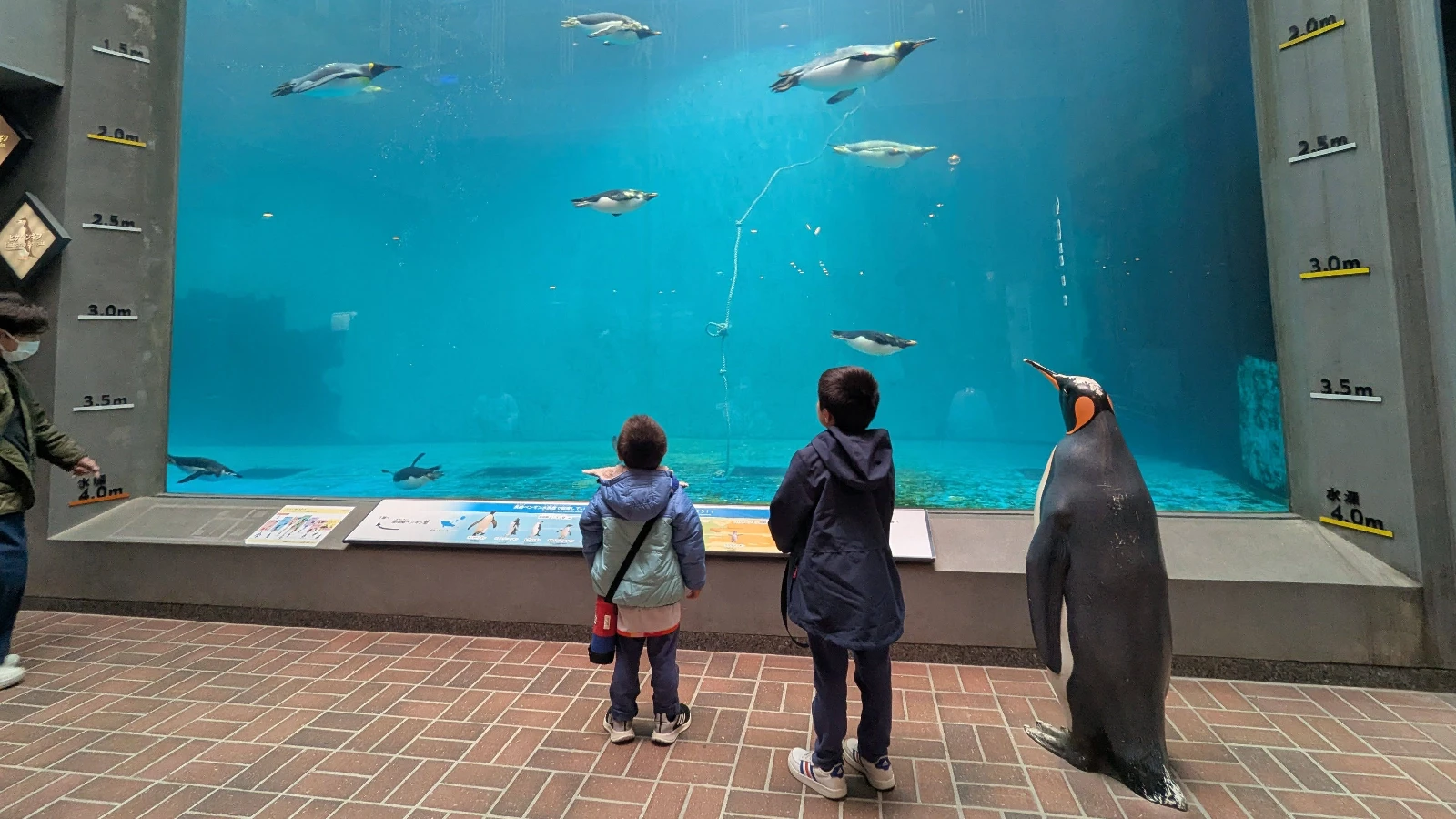
Japan is home to some of the world’s most impressive family-friendly aquariums, where towering tanks, glowing jellyfish halls, and playful penguin exhibits create unforgettable moments for kids. From Osaka’s massive Kaiyukan to the tropical coral tunnels of Okinawa’s Churaumi Aquarium, these aquatic destinations offer both education and wonder. Families can explore ocean ecosystems up close, watch dolphin or sea lion shows, and enjoy stroller-friendly indoor pathways perfect for year-round travel. Below are the top aquariums across Japan that families love most, each offering unique experiences for children of every age.
Osaka Aquarium Kaiyukan (Osaka)
One of the world’s largest aquariums, famous for its enormous Pacific Ocean tank featuring whale sharks, manta rays, and dramatic walk-through viewing tunnels.
For more family adventures nearby, see our Osaka Family Travel Guide.
Tokyo Sea Life Park (Tokyo)
A spacious, stroller-friendly aquarium with a huge glass dome where schools of tuna circle overhead, plus exhibits highlighting Tokyo Bay’s marine life.
Sunshine Aquarium (Tokyo)
A rooftop “oasis in the sky” with penguins swimming through an overhead sky tank and playful sea lion shows that are especially fun for younger kids.
Enoshima Aquarium (Kanagawa)
A scenic oceanfront aquarium known for dolphin shows, jellyfish displays, and hands-on learning zones perfect for toddlers and school-age children.
Aquamarine Fukushima (Fukushima)
An innovative aquarium focused on northern Pacific ecosystems, with open-air tanks, touch pools, and interactive exhibits designed for curious young explorers.
Churaumi Aquarium (Okinawa)
Home to the famous Kuroshio Sea tank, this world-renowned aquarium showcases Okinawa’s coral reefs, tropical fish, and massive ocean creatures in stunning habitats.
Port of Nagoya Public Aquarium (Nagoya)
A popular destination for dolphin performances, penguin encounters, and Antarctic-themed exhibits that keep kids engaged for hours.
Sumida Aquarium (Tokyo)
A modern, beautifully designed aquarium inside Tokyo Skytree Town, best known for its illuminated jellyfish displays and easy layout for families with young kids.
Sendai Umino-Mori Aquarium (Sendai)
A bright, interactive aquarium highlighting the sea life of northern Japan, with dolphin shows, touch pools, and hands-on exhibits for families.
The Family Fit Reality
Researching the endless details of a Japan family trip, from figuring out what to pack to managing your daily yen budget, is a massive undertaking that requires careful logistical preparation.
But here is the hidden trap most parents miss: all the practical preparation in the world won’t save your trip if your entire vacation hinges on the hope that “everyone will just cooperate”. If your plan collapses the moment someone gets overstimulated, it is built on hope, not capacity.
Removing the stress from this trip requires understanding exactly how your child processes a foreign environment. An Anchor needs you to pack specific familiarity tools to feel safe, and a Sensor needs you to plan for sensory overload before it happens. A Sprinter requires a strict physical energy budget to prevent exhaustion, while a Dynamo needs you to rewrite the standard rules of travel so they aren’t constantly being shushed in a culture that rewards stillness.
Stop guessing and discover exactly how your child’s energy is wired to travel. Before you finish your general planning, take the free, 60-second Family Fit Check to identify your family’s exact profile and unlock the personalized strategies that prevent daily meltdowns.
Top Zoos and Wildlife Parks in Japan for Families
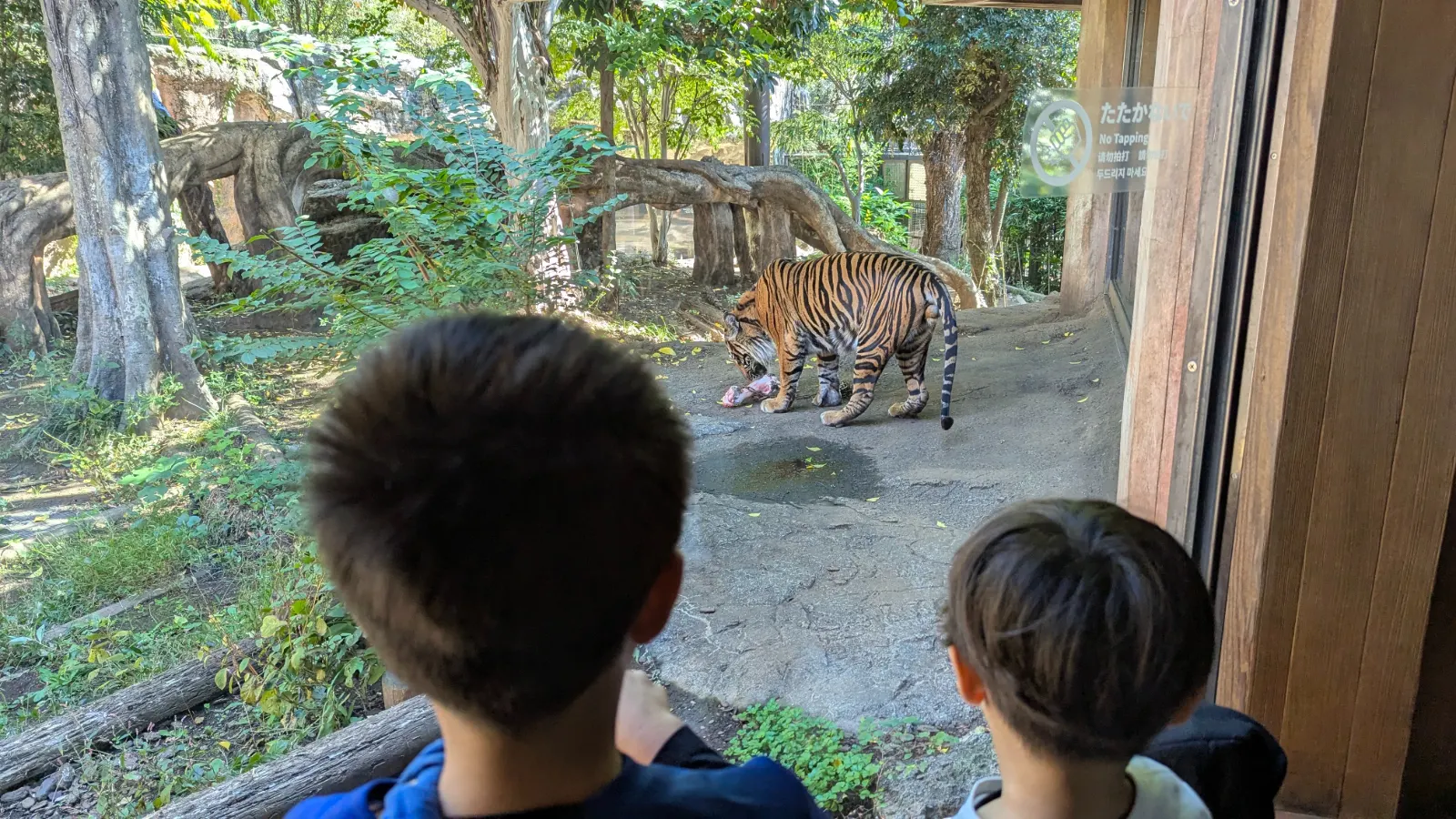
Japan’s zoos and wildlife parks offer kids the chance to see animals up close, explore spacious outdoor habitats, and learn about conservation in fun, hands-on ways. From panda-filled forests in Tokyo to snowy penguin parades in Hokkaido, these destinations blend education, adventure, and cultural experiences that families can enjoy in every season. Many of Japan’s zoos are conveniently located inside large parks, making them perfect for half-day outings paired with picnics, playgrounds, or nearby museums. Here are the best zoos and wildlife parks across Japan that families consistently love.
Ueno Zoo (Tokyo)
Japan’s oldest and most famous zoo, home to giant pandas, elephants, tigers, and a beloved children’s zoo, all set inside sprawling Ueno Park.
Families visiting Tokyo can also explore more kid-friendly spots in our full Tokyo with Kids Guide.
Asahiyama Zoo (Hokkaido)
One of Japan’s most innovative zoos, known for its penguin parades in winter and unique viewing tunnels that let kids observe animals from amazing angles.
Nagasaki Penguin Aquarium (Nagasaki)
A charming seaside aquarium-zoo hybrid where families can walk alongside penguins and watch them swim in clear outdoor pools.
Miyazaki City Phoenix Zoo (Miyazaki)
A relaxed, tropical-style zoo with flamingos, capybaras, giraffes, and a petting area ideal for younger kids.
Kobe Oji Zoo (Kobe)
A family-friendly city zoo with elephants, and Japanese-native wildlife, located near wide lawns perfect for picnics.
Kyoto City Zoo (Kyoto)
A compact, easy-to-navigate zoo with interactive exhibits, shaded walkways, and hands-on learning stations ideal for toddlers and school-age kids.
Higashiyama Zoo (Nagoya)
One of Japan’s largest zoos featuring lions, koalas, elephants, and botanical gardens for families who want a full-day adventure.
Tama Zoo (Tokyo)
A spacious wildlife park with open-style enclosures, a lion bus ride experience, and plenty of room for kids to explore.
Nogeyama Zoo (Yokohama)
A free-entry, smaller zoo perfect for younger children, featuring red pandas, small mammals, and stroller-friendly paths.
Adventure World (Wakayama)
Part zoo, part safari park, part amusement park, this huge family destination offers dolphin shows, and rides all in one place.
Unique Animal Encounters in Japan with Kids
Japan offers some of the most memorable animal experiences in the world, from deer that bow for snacks to monkeys relaxing in natural hot springs. These encounters let families go beyond traditional zoos and aquariums, giving kids the chance to observe wildlife in natural or semi-wild environments. Many of these spots have become iconic family destinations thanks to their accessibility, stunning scenery, and hands-on experiences. Below are the most unique and kid-friendly animal encounters across Japan, perfect for unforgettable vacation stories and close-up wildlife moments.
Monkey Park Iwatayama (Kyoto)
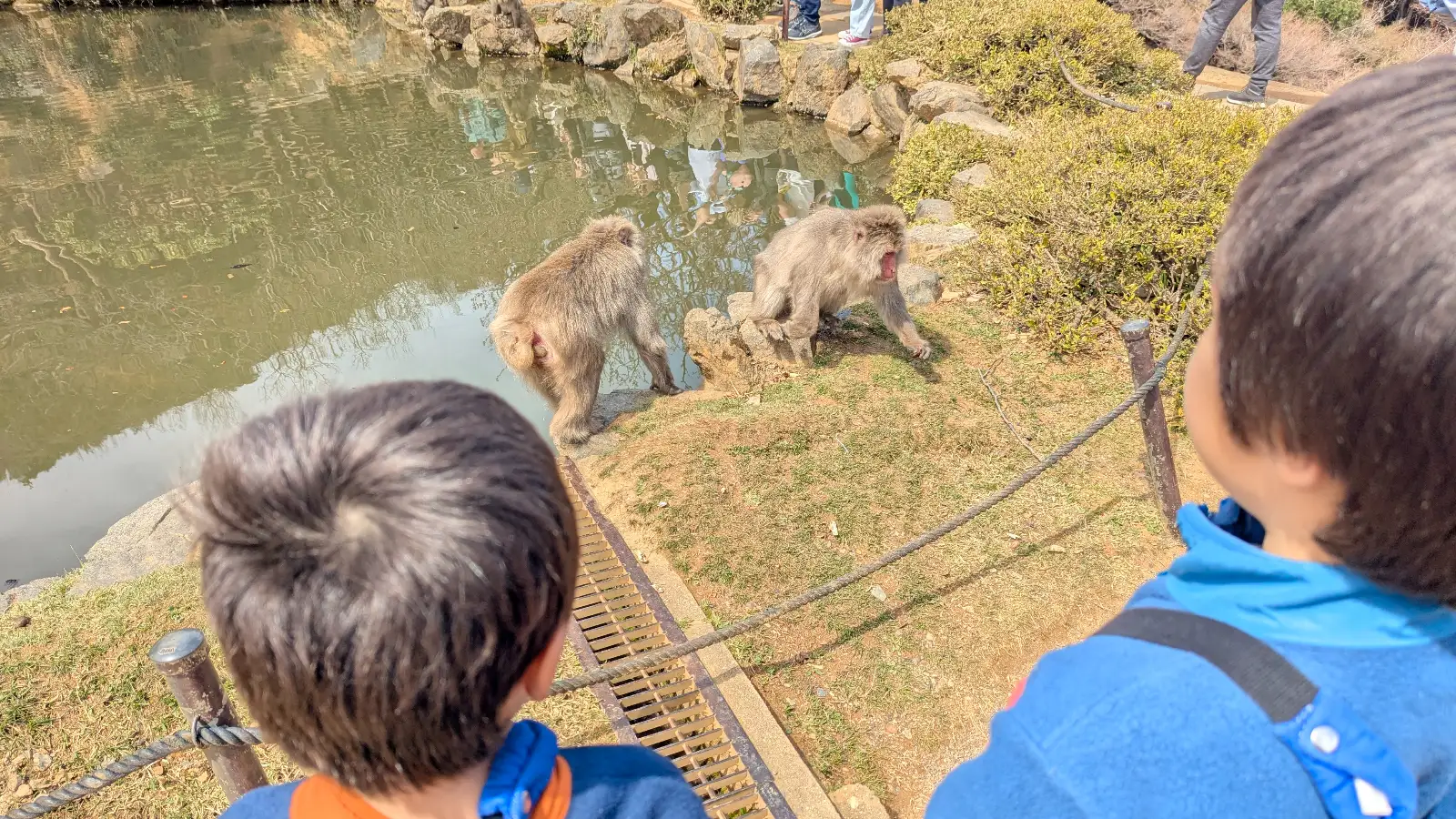
A mountaintop wildlife park where families can safely observe wild macaques roaming freely while enjoying panoramic views over Kyoto.
Want more Kyoto ideas? Explore our full Kyoto with Kids Guide.
Snow Monkeys in Jigokudani (Nagano)
Famous for winter scenes of Japanese macaques soaking in natural hot springs, this national park offers families a rare look at wildlife up close.
Nara Deer Park (Nara)
Home to hundreds of friendly deer that wander freely through parklands and temple grounds, known for bowing to visitors for special deer crackers.
Okunoshima “Rabbit Island” (Hiroshima)
A small, car-free island filled with hundreds of gentle, free-roaming rabbits that follow visitors around grassy trails and beaches.
Zao Fox Village (Miyagi)
A unique, open-area fox reserve where dozens of foxes roam within natural enclosures. See our guide for LuNi’s concerns with this location.
Capybara Onsen (Shizuoka)
A delightful winter attraction where capybaras enjoy warm outdoor hot-spring baths, making it one of Japan’s cutest animal experiences for kids.
Yakushima Island (Kagoshima)
A lush, subtropical UNESCO island where wild monkeys and deer roam through ancient cedar forests along family-friendly hiking trails.
Yanbaru Forest (Okinawa)
A protected subtropical jungle home to rare wildlife like the Yanbaru kuina; families can explore easy trails and nature walks in this unique ecosystem.

Why Aquariums, Zoos, and Animal Attractions in Japan Are Great for Kids
Aquariums, zoos, and wildlife encounters in Japan offer families a perfect blend of education, interaction, and pure excitement. These destinations are designed with children in mind, featuring stroller-friendly paths, indoor and outdoor spaces, and hands-on exhibits that make learning feel like play. Whether kids are watching whale sharks glide through massive tanks, seeing penguins parade across snowy paths, or feeding deer in ancient parks, animal attractions spark natural curiosity and create memorable moments for every age.
Japan’s focus on accessibility, clear signage, and family-friendly facilities also makes these outings pleasantly smooth for parents. Many aquariums and zoos are located near parks, museums, or scenic viewpoints, allowing families to pair multiple experiences in one day without rushing. Most importantly, these attractions help children develop empathy and awareness by observing real animals up close, connecting science, nature, and culture in a way that sticks with them long after the trip ends.
Parent Insight: Animal-based experiences give kids a chance to practice observation and emotional awareness. Watching how a creature moves, eats, or interacts with others invites children to slow down, ask questions, and connect with the natural world in meaningful ways.
What to Know Before Visiting Aquariums and Zoos with Kids in Japan
Visiting aquariums and zoos in Japan is generally very easy for families, but a few helpful details can make the experience even smoother. Many of Japan’s animal attractions are extremely popular, especially Kaiyukan in Osaka, Ueno Zoo in Tokyo, and Churaumi Aquarium in Okinawa, so arriving early can make a big difference for avoiding crowds and catching animals when they’re most active. Most major aquariums are indoors and climate-controlled, while many zoos combine outdoor habitats with shaded walkways, making them comfortable across seasons.
Parents should also know that Japan’s animal attractions are designed with convenience in mind. Stroller access is common, but some older or hillside zoos may have steep paths or limited elevator access, so using a baby carrier can sometimes be easier. Food options vary, many aquariums have cafés, while zoos often rely on snack stands or encourage picnics in adjacent parks. Finally, some wildlife encounters, like the snow monkeys in Nagano or the deer in Nara, involve interacting with animals in natural environments. These are unforgettable experiences, but families should follow posted guidelines to keep kids safe and animals healthy.
For seasonal travel tips, see our Japan Seasonal Family Guide.
Tips for Visiting Japan’s Aquariums, Zoos, and Animal Encounters with Kids
Planning ahead makes animal attractions in Japan even more enjoyable for families, especially since many of them are among the most popular destinations across the country. Here are some helpful tips to keep your visit smooth, fun, and kid-friendly:
- Arrive early for the best experience. Animals are often most active in the morning, and crowds at places like Kaiyukan, Ueno Zoo, and Churaumi build quickly. Getting an early start also helps with stroller navigation and show seating.
- Check show and feeding schedules. Dolphin shows, penguin parades, sea lion performances, and feeding times are major highlights for kids. These events often fill up fast, so plan your route around the day’s schedule.
- Use lockers and travel light inside. Most large aquariums and zoos offer coin lockers, which make it easy for families to store extra layers, snacks, or souvenirs so kids can move more freely.
- Bring snacks and water, even when cafés are available. Aquariums typically have indoor cafés, but zoo dining is often limited to snack stands or nearby park areas. Japan’s rules about eating inside vary, so have a simple, flexible plan for hungry kids.
- Use a stroller for aquariums and a carrier for some zoos. Indoor aquariums are almost always stroller-friendly; however, zoos built on hillsides (like Tama Zoo or Asahiyama Zoo) may be easier with a baby carrier in certain sections.
- Follow posted animal guidelines closely. Encounters with wild animals, like Nara’s deer or the snow monkeys in Jigokudani, are unforgettable, but families should keep respectful distance, hold food carefully, and remind kids not to chase or touch animals unexpectedly.
- Plan for weather at outdoor attractions. Zoos and open-air wildlife parks often require several hours outdoors. In summer, portable fans and hats help; in winter, hand warmers and layers keep kids comfortable during longer walks.
If you’re building your itinerary, our Planning a Family Trip to Japan Guide is the perfect next step, or for more family savings, check out our Japan Budget Family Travel Tips.
Luca & Nico’s Tip: Make an animal-spotting challenge before you go! Choose five animals, like a penguin, jellyfish, deer, fox, and capybara, and let the kids check them off throughout the day. Whoever completes their card first picks the dessert stop.
FAQs: About Visiting Aquariums, Zoos, and Animal Attractions in Japan with Kids
Looking for quick answers about visiting aquariums, zoos, and animal encounters in Japan with kids? These family-focused FAQs cover location, hours, costs, stroller access, and the most searched tips parents want to know before planning their visit.
A: Some of the best aquariums in Japan for families include Osaka Aquarium Kaiyukan, Churaumi Aquarium in Okinawa, and Sumida Aquarium in Tokyo. These spots are especially popular with kids for their massive tanks, jellyfish galleries, and penguin or dolphin shows. Families looking for hands-on learning will also enjoy Aquamarine Fukushima and Enoshima Aquarium, both known for interactive exhibits.
A: The best zoos in Japan include Ueno Zoo (Tokyo) for its pandas, Asahiyama Zoo (Hokkaido) for unique viewing tunnels, and Adventure World (Wakayama) for its mix of animals and rides. Families with younger kids often prefer Kyoto City Zoo or Nogeyama Zoo, both of which are compact, affordable, and easy to explore at a relaxed pace.
A: Some of the safest animal encounters are Nara Deer Park, Monkey Park Iwatayama (with supervision), Yanbaru Forest in Okinawa, and the winter-famous Jigokudani Snow Monkeys (observed from designated paths). Parents should remind kids to avoid sudden movements, hold food carefully, and follow posted rules, especially around wild deer or macaques, to keep the experience fun and safe.
A: Most aquariums and zoos in Japan cost 600 to 3,000 yen per adult, while children typically pay 100 to 1,500 yen, depending on age. Many attractions offer free entry for toddlers or discounted student pricing. Budget-friendly options include Nogeyama Zoo (free) and Ueno Zoo (600 yen for adults, 200 yen for teens, kids under 12 free). Larger aquariums like Osaka Aquarium Kaiyukan or Churaumi Aquarium cost more, but families often find the shows, massive tanks, and interactive exhibits worth the higher price.
A: The best time to visit is usually morning, when animals are most active and crowds are smaller. Zoos are especially enjoyable during spring and autumn when outdoor weather is comfortable for walking. Aquariums are great year-round and make excellent rainy-day or hot-day options. Arriving early also helps families enjoy shows and popular exhibits before school groups and tour buses arrive.
A: Most families spend 1.5 to 3 hours at aquariums and 2 to 4 hours at zoos, depending on the size of the attraction and the age of the children. Aquariums like Sumida or Sunshine are quicker visits, while larger destinations, such as Osaka Aquarium Kaiyukan or Ueno Zoo, can easily fill half a day. With toddlers, shorter visits work best, while older kids often enjoy taking their time with shows, feedings, and interactive areas.
A: Yes, almost all major aquariums in Japan are fully indoors, making them ideal for rainy-day plans. Some zoos, like Ueno Zoo and Asahiyama Zoo, include indoor houses, but the majority of zoo pathways are outdoors. On wet days, aquariums are the most reliable option, offering climate-controlled spaces, stroller-friendly halls, and plenty of activities to keep kids engaged.
A: Yes, many zoos and wildlife parks in Japan allow feeding in designated areas. Kids can often feed goats, guinea pigs, or small farm animals inside children’s zones, and places like Zao Fox Village and Monkey Park Iwatayama permit feeding with purchased, facility-approved food. Popular wildlife experiences such as feeding deer in Nara are also family-friendly, though kids should stay calm and use the food carefully. Feeding is not permitted inside aquariums, and families should always follow posted rules to ensure both animal safety and child safety.
A: Several aquariums in Japan offer dolphin or penguin shows, including Enoshima Aquarium, Port of Nagoya Public Aquarium, and Churaumi Aquarium in Okinawa. Sunshine Aquarium and Aquamarine Fukushima are also popular for penguin displays and daily feedings. Show schedules vary by season, so checking the day’s timetable is the best way to plan around your family’s visit.
A: Most major aquariums and zoos in Japan follow strict animal-care standards and maintain clean, well-managed facilities. Places like Osaka Aquarium Kaiyukan, Ueno Zoo, and Churaumi Aquarium are known for their strong conservation and education programs. Some attractions, such as fox or rabbit islands, vary in their welfare practices, so families should review guidelines carefully and choose locations that prioritize responsible interaction.
A: Yes, Japan offers several free or low-cost family-friendly zoos, including Nogeyama Zoo in Yokohama (free), Nara Deer Park (free), and Ueno Zoo in Tokyo (one of the most affordable major zoos in the country). Many small city zoos and nature centers also offer budget-friendly entry, making animal encounters accessible for families traveling on a tighter budget.
A: Most aquariums in Japan are very stroller-friendly, especially indoor destinations like Osaka Aquarium Kaiyukan, Sumida Aquarium, and Tokyo Sea Life Park. Many zoos also offer wide paths, but places built on hillsides, such as Asahiyama Zoo or Tama Zoo, may include steep slopes where a baby carrier can be easier. Nearly all major attractions provide elevators, ramps, and stroller parking, making them manageable for families with infants and toddlers.
Stay curious, stay adventurous, and keep dreaming!
~ The LuNi Travels Family ~