
What to Pack for Japan with Kids: A Family Packing Guide
Planning what to pack for Japan with kids can feel overwhelming at first, especially when most packing advice doesn’t reflect how Japan actually works day to day. This family packing list is designed for families who want to feel prepared without over-packing, focusing on real-life logistics rather than generic Japan travel checklists. When it comes to packing for Japan with kids, small cultural and practical details matter more than extra outfits, from quiet public transportation and compact hotel rooms to limited public trash cans and a cash-heavy system. Knowing what not to pack is just as important as knowing what to bring, and understanding those differences helps families move through Japan more calmly and confidently. These Japan packing tips for families are built around reducing friction, lowering stress, and making daily travel feel easier for both parents and kids.
As you plan your family trip to Japan, this guide is a great place to start! For a full overview of how to explore the country with kids, across both well-known destinations and quieter corners, begin with our Japan Family-Friendly Travel Hub.
You can also visit our Off The Map Japan Hub to find family-friendly guides to smaller towns, rural regions, and unique attractions that many travelers miss.
For inspiration across the entire country, browse our Ultimate Guide to Family Attractions in Japan with Kids for theme parks, nature adventures, cultural treasures, and hidden gems.
Affiliate Disclosure: Some links on this page are affiliate links. If you choose to book through them, it is at no additional cost to you and helps support LuNi Travels.
Why Book Ahead? Booking in advance can save time, reduce language barriers, prevent sold-out experiences, and simplify payment at locations that do not accept credit cards. Prices are subject to change.
Why This Packing Guide Is Different
Most packing lists for Japan are organized by categories like clothes, toiletries, and electronics. While those lists aren’t wrong, they often miss what actually causes stress for families once they arrive.
This guide is built around family pain points specific to Japan, not generic packing categories. Instead of asking “What might we need?”, it focuses on “What will actually make our days easier?”, from managing trash and quiet train rides to navigating small hotel rooms and unfamiliar pharmacies, the moments where stress usually shows up.
Every item here is tied to a real logistical or cultural reality families encounter in Japan. The goal isn’t to pack more, but to pack with intention so parents feel prepared, kids stay regulated, and Japan feels as calm and family-friendly as it’s meant to be.
At a glance, this packing guide:
- Is organized around real family pain points, not object categories
- Focuses on how Japan actually works, not just weather or outfits
- Helps families pack lighter, not heavier
- Explains what not to pack and why many items are easier to buy in Japan
- Is designed to be skimmed, saved, and printed
How to Pack for Japan with Kids (The LuNi Strategy)
Packing well for Japan with kids isn’t about bringing more, it’s about packing with intention. Japan is exceptionally easy to travel in as a family, but it relies on personal systems rather than public conveniences. This method helps families pack lighter while still feeling prepared for how Japan actually works.
- Pack for movement, not outfits
Days in Japan involve a lot of walking, trains, transitions, and shoes on and off. Comfort, simplicity, and flexibility matter far more than having multiple outfit options. - Replace missing infrastructure, not convenience
Public trash cans, paper towels, and casual seating are limited. The smartest items are the ones that quietly replace what Japan doesn’t provide, so small disruptions don’t derail your day. - Bring only what’s hard to replace in Japan
Japan is incredibly well stocked. Familiar medications, specific comfort items, and a few system-building tools are worth packing; bulky, easily purchased items are not.
The “Daily Logistics” Kit for Japan with Kids
Purpose:
Solve the small, everyday friction points families encounter once they leave the hotel.
Why Japan Makes This Necessary:
Japan is clean, safe, and efficient, but many everyday conveniences families rely on elsewhere, like public trash cans, paper towels, and casual seating, are limited or intentionally absent. Families are expected to manage these needs themselves while moving through public spaces.
What to Pack:
- Wet/Dry Pouch or Ziploc Bags
You will carry trash (snack wrappers, tissues, apple cores) throughout the day until you return to your hotel. - Pocket Towel & Paper Soap
Many public restrooms do not provide paper towels, and soap is not always guaranteed. A small towel ensures kids can wash hands properly anywhere. - Wide-Mouth Coin Pouch
Japan is still very cash and coin heavy. Vending machines, lockers, and small purchases quickly overwhelm standard wallets. - 10,000mAh Power Bank
Your phone is your map, train guide, translator, and payment tool. If it dies, navigation and transit access disappear with it. - Slip-On Shoes & Presentable Socks
Shoes come off frequently at temples, restaurants, and accommodations. Easy slip-ons and intact socks make transitions smoother and less stressful. - Scrunchable Nano Tote or Pocket Bag
Shopping bags often cost extra. A tiny expandable bag helps carry purchases without juggling loose items.
LuNi Parent Context: Think of this kit as your family’s mobile infrastructure. By carrying a few small tools that replace what Japan intentionally doesn’t provide, you prevent dozens of tiny disruptions that otherwise add up to stress, impatience, and fatigue throughout the day.
If You’re Still Deciding on Dates
For year-round planning, explore our Japan Seasonal Guides for Families, including detailed resources for spring, summer, autumn, winter. You can also read our full Best Time to Visit Japan with Kids guide to compare crowds, weather, and seasonal experiences across the country.
Once Your Dates Are Set
When your travel window is locked in, use our Packing Guide for Japan with Kids to pack with intention. It focuses on real-life logistics, cultural nuances, and the small systems that make daily travel in Japan calmer and easier.
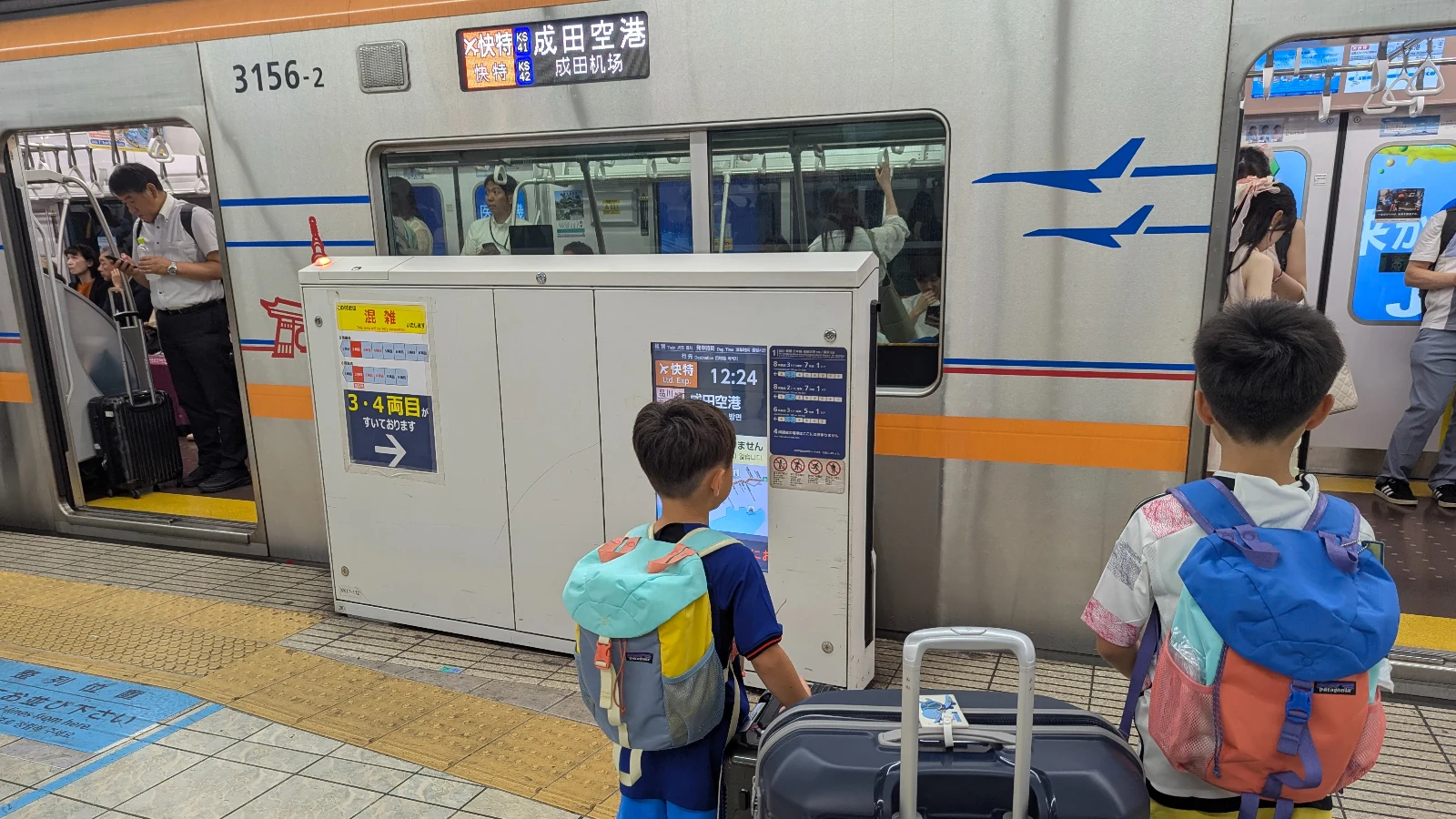
The Quiet Transit Kit (Trains & Subways in Japan with Kids)
Purpose:
Help families move through trains, subways, and the Shinkansen calmly, confidently, and respectfully.
Why Japan Makes This Necessary:
Japan’s public transportation system is exceptionally efficient and family-friendly, but it operates on unspoken expectations of quiet behavior, fast movement through gates, and a minimal physical footprint. Packing with these norms in mind prevents stress, awkward moments, and friction during travel days.
What to Pack:
- Retractable Lanyards for Transit Cards
Ticket gates move quickly, and dropped cards slow everything down. Lanyards allow kids to tap independently without fumbling or holding up the line. - Wired Headphones (Plus a Splitter if Needed)
Screens are common on trains, sound is not. Wired headphones are reliable, don’t require pairing, and won’t die mid-ride like Bluetooth options. - Heavy-Duty Carabiners
Stroller storage space is limited on trains. Carabiners let you clip bags securely to stroller handles or backpacks without juggling items. - Lightweight Luggage Lock
Situational but helpful. If your stroller or bag needs to be stored in a Shinkansen vestibule or shared space, a simple lock adds peace of mind.
LuNi Parent Context: Japan’s transit system rewards preparation. When kids know how to tap in, stay quiet, and manage their own small systems, travel days feel calm and cooperative instead of tense. A little planning here turns transportation into one of the easiest parts of the trip.
Planning Bullet Train Travel?
Our Shinkansen With Kids guide covers seat selection, luggage strategies, and how to navigate major stations with little travelers.
Comparing Rail Options?
Before buying tickets, read our Japan Rail Pass Guide to understand when the pass is actually worth it for families, and when it’s not.
Want to Travel Light Between Cities?
Our Japan Luggage Delivery Guide explains how to send suitcases ahead, making station transfers dramatically easier with kids.
The Small Hotel Room Kit (Japan Hotels with Kids)
Purpose:
Make compact Japanese hotel rooms function smoothly and comfortably for families.
Why Japan Makes This Necessary:
Japanese hotel rooms are intentionally designed to be efficient rather than spacious, especially in major cities. Storage is limited, outlets are few, and floor space disappears quickly once luggage is open. Packing with this reality in mind prevents clutter, frustration, and bedtime chaos.
What to Pack:
- Compression Packing Cubes
Most families will live directly out of their suitcases. Packing cubes keep clothing organized by person or day and prevent constant repacking. - Heavy-Duty Magnetic Hooks
Many hotel walls and doors in Japan are metal. Magnetic hooks allow families to hang jackets, bags, hats, and daypacks vertically, freeing up precious floor space. - Multi-Port USB Charging Hub
Power outlets are often limited and awkwardly placed. A single hub lets the entire family charge devices in one organized location overnight. - Portable Clothesline
Hotel dryers can be weak, but bathrooms often include drying or ventilation features. A lightweight clothesline allows clothing to air-dry efficiently while you sleep. - Doorstop or Travel Door Alarm
Situational, but helpful for families with sleepwalkers or toddlers adjusting to unfamiliar locks. Adds reassurance at night without relying on hotel systems.
LuNi Parent Context: Small rooms work best when families organize vertically and reduce friction around daily routines. When everything has a predictable place, kids settle faster, mornings run smoother, and the room feels calm rather than cramped.
Staying Connected in Japan (What Actually Works)
Purpose:
Ensure families stay reliably connected for navigation, communication, and daily logistics throughout Japan.
Why Japan Makes This Necessary:
Phones in Japan function as transit guides, translation tools, payment methods, and ticket access. Public WiFi is inconsistent, especially in underground stations and on trains, making reliable personal connectivity essential for stress-free family travel.
What to Use for Connectivity in Japan
Parents’ Phones:
An eSIM with unlimited or high-data coverage is the most reliable option for parents. Navigation, translation, and transit apps drain data quickly, and an eSIM allows families to land connected immediately without counters, SIM swaps, or dropped service during transfers.
Kids’ Devices:
For tablets or shared screens, a pocket WiFi device is often the better choice. Using a phone as a hotspot drains battery and creates instability. A dedicated WiFi device keeps kids connected without compromising navigation or communication.
Best Setup for Families:
- eSIM for parents
- Pocket WiFi for kids’ devices
This creates redundancy and prevents one device failure from disrupting the day.
Why Public WiFi Doesn’t Work in Japan for Families
Japan does offer public WiFi, but it often requires repeated logins, time limits, or email verification. Connections drop frequently in stations, on trains, and during transfers, exactly when families need access most.
LuNi Parent Context: Connectivity isn’t about screen time, it’s about stability. When parents know they can navigate, communicate, and adjust plans instantly, the entire day feels calmer. In Japan, staying connected is one of the simplest ways to turn complexity into confidence.
The “Day 1” Backpack (Using Takkyubin in Japan with Kids)
Purpose:
Enable families to use luggage forwarding (Takkyubin) on arrival so they can start their trip hands-free.
Why Japan Makes This Necessary:
Japan offers an incredibly reliable luggage forwarding service called Takkyubin (often identified by the black cat logo), which allows families to send large suitcases directly from the airport to their hotel. Because forwarded luggage typically arrives the following day, families need one backpack that contains everything required for the first 24 hours.
What to Pack:
- Passports & Important Documents
These should always stay with you, never inside forwarded luggage. - One Full Outfit Per Child
Spills, accidents, and delays happen. A fresh change prevents unnecessary stress at the airport or hotel. - Pajamas
Hotel yukata are often one-size and may not fit young children well. Familiar pajamas help kids settle on the first night, especially with jet lag. - 24 Hours of Diapers & Wipes
Just enough to get you through arrival and to the first convenience store or drugstore. - All Daily Medications
Never send medications ahead in checked or forwarded bags. - Chargers & Power Bank
Phones need to be charged immediately on arrival for navigation, communication, and check-in logistics.
LuNi Parent Context: Think of this backpack as your life raft. Landing in Tokyo or Osaka and handing over your large suitcases, then boarding a train carrying only a light backpack, is one of the biggest stress reducers in Japanese travel. It transforms arrival day from frantic to calm and sets the emotional tone for the entire trip.
Safety & Crowd Preparation for Kids in Japan
Purpose:
Reduce anxiety for both parents and kids in crowded public spaces by creating clear, simple safety systems.
Why Japan Makes This Necessary:
Japan is one of the safest countries in the world for families, but its busiest spaces move quickly and quietly. Preparing children with simple tools ahead of time allows families to navigate crowds calmly without fear or overreaction.
The Worry:
In dense, fast-moving public spaces, losing sight of a child even briefly or having a child unable to communicate can quickly become stressful for parents.
The LuNi Solution:
A simple, layered system: a discreet GPS tracker and a small “Help Me” pocket card.
GPS Tracker (AirTag or similar):
Clip it securely inside a shoe, jacket lining, or interior pocket so it stays hidden and comfortable.
“Help Me” Pocket Card:
A small printed card carried in a pocket or backpack, written in Japanese and English, with a clear message and parent contact details.


Why It Works:
Japan’s crowds are orderly, and locals genuinely want to help children, but language hesitation can slow that moment of assistance. This setup removes uncertainty on both sides. Parents gain reassurance, kids gain confidence, and helpers know exactly what to do without confusion.
LuNi Parent Context: Safety preparation isn’t about expecting problems, it’s about reducing anxiety. When kids know there’s a plan and parents trust their systems, families move through crowded places more confidently. In Japan, a little preparation goes a long way toward preserving calm and independence for everyone.
Health & Comfort Items to Pack from Home for Japan with Kids
Purpose:
Bring a small set of familiar health and comfort items that are harder to replace exactly once you arrive in Japan.
Important Note:
Japan has excellent pharmacies and medical care. These items are not about fear or emergencies, they’re about familiarity and handling small issues quickly without stress.
Why Japan Makes This Necessary:
While Japan’s drugstores are well stocked, medications may come in lower dosages, use unfamiliar ingredients, or be labeled only in Japanese. Familiar comfort items help parents respond confidently to minor issues without disrupting the day.
What to Pack:
- Your Kids’ Usual Medications (Pain & Fever Relief)
Japanese children’s medications often use lower dosages than Western standards, and labels can be difficult to interpret quickly. Bringing what your child already uses avoids guesswork. - Your Regular Deodorant
Japanese deodorants are typically gentler and may feel ineffective during long, sweaty walking days, especially in warmer months. - Familiar Toothpaste
Many Japanese toothpastes have salty or herbal flavors that kids find unpleasant. Bringing your usual brand helps keep bedtime routines smooth. - Trusted Low-Sugar Snacks
Sugar appears frequently, even in savory Japanese snacks. If your child has dietary restrictions or reacts strongly to sugar, familiar backups can prevent meltdowns. - Bandages Your Kids Like
Fun or familiar bandages can make small scrapes easier to manage and avoid unnecessary distress over minor injuries.
LuNi Parent Context: Small discomforts escalate quickly when kids are tired or overstimulated. Familiar health and comfort items help parents solve minor problems immediately, keeping routines intact and the day moving forward smoothly.
The Anti-Packing List (What to Leave at Home & Buy in Japan)
Purpose:
Help families pack lighter by identifying items that are unnecessary to bring and easier to buy once in Japan.
Why Japan Makes This Necessary:
Japan is exceptionally well stocked, safe, and convenient. Many bulky or “just in case” items are easier and better to buy after you arrive, freeing families from unnecessary luggage and stress.
Packing lighter makes train travel easier, hotel rooms calmer, and daily movement less stressful. Knowing what not to pack is often the key to enjoying Japan with kids.
Leave These Items at Home:
- Umbrellas
Bulky and awkward to carry. Japan sells inexpensive, durable clear umbrellas everywhere. - Large Packs of Diapers & Wipes
They take up huge amounts of luggage space and are readily available at drugstores and supermarkets. - Basic Toiletries
Most Japanese hotels provide toothbrushes, razors, slippers, and often pajamas either in-room or in the lobby. - Seasonal Comfort Gear
Heating packs, cooling wipes, and climate-specific items are widely available and designed for Japan’s weather.
Buy These Easily in Japan (And Why):
- Clear Plastic Umbrellas
Available at any convenience store and designed for crowded sidewalks and trains. - Diapers & Wipes (Merries, Moony, and similar brands)
Exceptionally soft, high quality, and sold at all major drugstores and supermarkets.
Exception: Bring your own if your child needs a specific hypoallergenic brand. - Heat Packs (Kairo) or Cooling Items
Japan’s seasonal comfort products work better than imported alternatives because they’re designed for local conditions. - Basic Toiletries & Travel Essentials
Toothbrushes, razors, skincare items, and even kids’ supplies are easy to replace if you forget something.
Where to Buy Everything Easily:
You’ll find these stores within walking distance in most cities:
- Convenience stores: 7-Eleven, Lawson, FamilyMart
- Drugstores and local supermarkets
- Don Quijote (for bulk items and late-night shopping)
LuNi Parent Context: Packing lighter creates freedom. When families trust that Japan can meet everyday needs, travel becomes more flexible and less exhausting. Fewer bags mean easier train transfers, calmer hotel rooms, and more energy for the experiences that actually matter.
If You’re Planning Your Full Japan Route
If you’re mapping out your wider Japan route, start with our Japan 14-Day Family Itinerary for a balanced mix of major cities, culture, and kid-friendly highlights. Families comparing trip lengths often find it helpful to look at multiple options, including classic 7-day and 10-day Japan itineraries that show how to pace Tokyo, Kyoto, and Osaka with kids.
If You Want Everything in One Place
For bigger-picture planning, our Japan Family-Friendly Travel Hub brings together every city guide, attraction breakdown, and family resource in one place.
You can also dive into Planning a Family Trip to Japan and Japan Budget Family Travel Tips for help with routes, pacing, and realistic costs.

Arrival Execution Checklist for Japan with Kids (Do These in Order)
Purpose:
Turn arrival day into a calm, predictable process by handling key setup steps in the right order.
Why Japan Makes This Necessary:
Japan’s arrival experience is efficient but fast-moving. Completing a few critical tasks in the correct sequence prevents confusion, reduces decision fatigue, and allows families to move confidently from airport to accommodation.
This final checklist turns everything you packed into a smooth first day on the ground. Completing these steps in order removes the most common arrival stress points families experience in Japan.
Before You Fly:
Complete these tasks before boarding your flight, ideally at home or during your airport wait.
- Download Google Maps
Japan’s most reliable navigation and transit routing tool. - Download Google Translate & Japanese Offline Language Pack
Essential for menus, signs, and quick communication when data is slow or unavailable. - Install and Set Up Your eSIM App
Activate instructions ahead of time so you connect immediately upon landing. - Add Suica or PASMO to Phone
Saves time and avoids ticket machine confusion on arrival.
If unavailable, you can purchase a physical card after landing. - Pack a Small “Day 1” Backpack
Include passports, chargers, medications, snacks, and one outfit per child. This allows you to forward large luggage immediately if needed.
Before You Leave the Airport:
Complete these steps in this order after landing.
- Withdraw Cash
Use a 7-Eleven ATM inside the airport. Japan is still cash-heavy, especially for small purchases and transit lockers. - Activate Connectivity
Turn on your eSIM or collect your pocket WiFi so navigation and communication are live before moving. - Forward Large Luggage (Optional but Highly Recommended)
Use luggage forwarding (Takkyubin) to send big suitcases directly to your hotel.
Look for the Yamato Transport counter (black cat logo). This single choice removes one of the biggest stress points families face on arrival.
LuNi Parent Context: Arrivals set the emotional tone for the entire trip. When families land connected, cash-ready, and hands-free, Japan immediately feels manageable instead of overwhelming. A calm arrival builds confidence that carries through the rest of the journey.
Want this in checklist form?
You can download our Japan Family Packing & Logistics Planner to print or use while packing.
Choose Your Base
Choosing the right base can make all the difference when exploring Japan’s lesser-known towns and rural regions.
Our Best Family Hotels in Japan guide highlights kid-friendly stays across every part of the country, from cozy ryokan and hot spring retreats to modern hotels with spacious family rooms and easy transport access.
If you’re comparing options in larger cities before or after your visit, you can also explore our dedicated hotel guides for Tokyo, Kyoto, Osaka, Fukuoka, Kobe, and Nagasaki.
FAQs: Packing for Japan with Kids
These frequently asked questions about packing for Japan with kids cover what families most want to know, from essential items and common packing mistakes to what not to pack, helping parents finalize a practical, stress-free Japan family packing list with confidence.
A: Families should pack for movement, transitions, and daily logistics, not just clothing. The most important items are a small day bag setup, hand towels, a power bank, slip-on shoes, and systems that replace missing public infrastructure like trash cans and paper towels. Packing with Japan’s compact spaces and quiet public culture in mind helps days feel smoother and less stressful.
A: Families should avoid packing bulky items that are easy to buy in Japan, such as umbrellas, large packs of diapers, wipes, and basic toiletries. Japanese cities are extremely well stocked, and hotels often provide amenities like toothbrushes and pajamas. Leaving these items at home makes luggage lighter and travel days easier, especially on trains.
A: In most cases, no. Diapers and wipes are widely available at drugstores, supermarkets, and convenience stores throughout Japan, and local brands like Merries and Moony are high quality and very soft. Families should only pack diapers from home if a child needs a specific hypoallergenic or medical brand that may be hard to find locally.
A: For most families, it’s better to buy everyday essentials in Japan rather than pack them. Items like diapers, wipes, umbrellas, snacks, and basic toiletries are easy to find and often higher quality than expected. Families should pack only hard-to-replace items, such as familiar medications or specific comfort products.
A: Kids benefit from having their own transit card on a lanyard, wired headphones for quiet rides, and a small backpack for personal items. Japan’s trains move quickly and expect quiet behavior, so simple systems help kids tap through gates smoothly and stay comfortable during longer rides.
A: Families should pack tools that help with organization and vertical storage, not extra luggage. Compression packing cubes, magnetic hooks, and a multi-port charging hub make compact hotel rooms feel calmer and more functional. These items reduce clutter and help keep routines predictable for kids.
A: Yes, parents should bring their child’s usual medications for pain, fever, or allergies. While Japan has excellent pharmacies, children’s medicines may come in lower dosages or be labeled only in Japanese, which can make quick decisions harder. Familiar medications allow parents to handle minor issues calmly without disrupting the day.
A: Public WiFi in Japan is inconsistent and unreliable, especially in train stations, underground areas, and during transfers. Many networks require repeated logins or time limits. Families are far better off using a parent eSIM and, if needed, a pocket WiFi for kids’ devices to stay connected without stress.
A: Kids do not need official identification, but carrying a simple “Help Me” safety card is highly recommended. A small card with a message in Japanese and a parent phone number allows locals to help quickly if a child becomes separated, giving both kids and parents added peace of mind.
A: Families can pack light by focusing on systems instead of quantities. Bringing a few high-impact items that solve daily friction, and trusting Japan for easily replaceable essentials, reduces luggage without sacrificing comfort. Packing lighter makes trains, hotel rooms, and transitions far easier with kids.
A: The most common mistakes are overpacking clothing, bringing bulky items that are easy to buy locally, and not accounting for Japan’s compact spaces and quiet public culture. Families often pack for “what if” scenarios instead of how Japan actually functions day to day.
A: Yes. Japan is one of the easiest countries to travel with kids when families pack intentionally. With the right systems in place for movement, connectivity, and daily logistics, travel feels calm, predictable, and surprisingly low-stress for both parents and children.
Stay curious, stay adventurous, and keep dreaming!
~ The LuNi Travels Family ~