

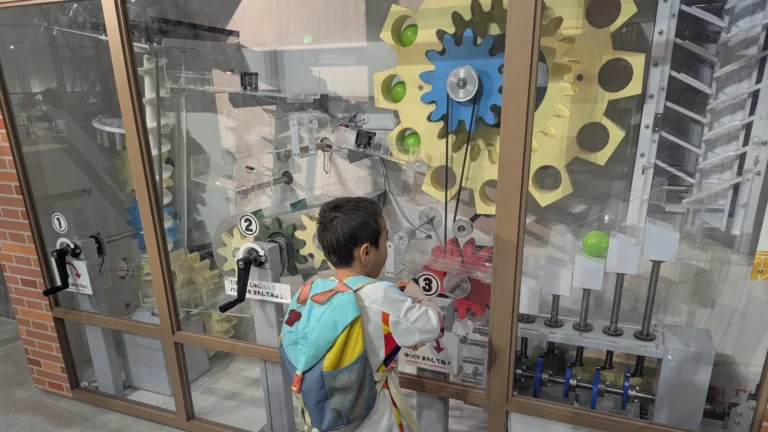
If you are looking for the best indoor attraction for families visiting Nagasaki, especially on rainy or hot summer days, the Nagasaki Science Museum (長崎市科学館) is the perfect escape. Unlike traditional museums where children are told to “look but don’t touch,” this kid-focused center flips the rules, encouraging curious young minds to experiment, play, and discover hands-on.
Whether your little ones want to launch rockets, explore gravity, or just have fun with magnets and mirrors, the museum offers a safe space for them to test and fail without pressure. With a fully air-conditioned interior, a relaxing planetarium, and interactive zones designed for preschool to elementary ages, it is a budget-friendly spot that makes science come alive.
In this guide, we cover everything you need to know for a smooth visit, from ticket prices and access tips to the best exhibits for your children.
As you plan your trip to Nagasaki with kids, our resources are here to help! Check out our full Nagasaki Family Travel Guide for cultural stops, fun neighborhoods, and activity-filled itineraries.
Then, visit the Nagasaki with Kids Hub to find all our guides, family adventures, and travel tips conveniently in one easy spot.
For even more inspiration across Japan, see our Ultimate Guide to Family Attractions in Japan with Kids for the best castles, shrines, theme parks, and more.
Why Nagasaki Science Museum is Great for Families with Kids
The Nagasaki Science Museum is one of the best places in the city for kids because it flips the usual museum rules. Instead of being told to stay quiet or “look but don’t touch,” children are encouraged to experiment, play, and discover through hands-on science. Some highlights include:
- Fully indoor space with air-conditioning and plenty of room to move around.
- Hands-on exhibits like wind tunnels, magnetic puzzles, and balance challenges.
- An impressive planetarium, great for calm breaks and jaw-dropping visuals.
- Ideal for preschool to early elementary ages, though older kids also enjoy the engineering zones and physics stations.
Parent Insight: Science museums are the perfect place to let kids test, fail, and try again, without pressure. Whether it’s launching a ball or solving a puzzle, these trial-and-error moments build resilience and teach that learning isn’t about getting it right the first time, but about staying curious.
Best Things to Do at Nagasaki Science Museum with Kids
- Discovery Room (Ages 3–8): Perfect for little ones! Splash at water tables, build with blocks, hoist pulleys, and get creative in this engaging, open-ended play zone.
- Interactive Science Zones: Try the balance board challenge, explore magnet experiments, race through wind tunnels, or generate electricity with your own movement. These activities are spread across themed zones, keeping kids entertained and moving.
- Planetarium Shows: Relax under the stars during 30-minute shows that rotate seasonally. Some are kid-friendly (featuring constellations or cartoon-style narration), while others are in Japanese with more advanced topics. Check the schedule before you go!
- Mini Science Demonstrations: On weekends and holidays, staff members host short demos or science puzzles, fun for older kids and a great way to extend the learning.
- Observation Deck: Head to the top for a surprisingly pretty view of the city skyline. It’s also a nice break area with seating.
The Family Fit Reality
Researching the endless details of a Japan family trip, from figuring out what to pack to managing your daily yen budget, is a massive undertaking that requires careful logistical preparation.
But here is the hidden trap most parents miss: all the practical preparation in the world won’t save your trip if your entire vacation hinges on the hope that “everyone will just cooperate”. If your plan collapses the moment someone gets overstimulated, it is built on hope, not capacity.
Removing the stress from this trip requires understanding exactly how your child processes a foreign environment. An Anchor needs you to pack specific familiarity tools to feel safe, and a Sensor needs you to plan for sensory overload before it happens. A Sprinter requires a strict physical energy budget to prevent exhaustion, while a Dynamo needs you to rewrite the standard rules of travel so they aren’t constantly being shushed in a culture that rewards stillness.
Stop guessing and discover exactly how your child’s energy is wired to travel. Before you finish your general planning, take the free, 60-second Family Fit Check to identify your family’s exact profile and unlock the personalized strategies that prevent daily meltdowns.
Practical Tips for Visiting Nagasaki Science Museum with Kids
- Cost: ¥
- Best Age Range: 3–10 years old, but older kids will still enjoy the interactive zones.
- Stroller-Friendly? Yes! Elevators, wide pathways, and ramps make access easy.
- Rest Areas: Benches, a café corner, and vending machines are available.
- Food: Light snacks allowed in rest zones, but no full restaurant onsite.
Best Time to Visit Nagasaki Science Museum with Kids
The best time to visit Nagasaki Science Museum with kids is in the morning, especially on weekdays, when crowds are lighter, and children can explore hands-on exhibits at their own pace.
Spring and autumn are ideal seasons for visiting, as the weather is mild and perfect for pairing the museum with nearby outdoor activities. Summer is a good option too, since the museum’s air-conditioned spaces provide a welcome break from the Nagasaki heat. Winter days tend to be quieter, making it easier for kids to enjoy the planetarium without long waits.
For the smoothest experience, try to arrive soon after opening hours. This way, families can enjoy interactive science zones and the planetarium shows before larger school groups arrive.
If You’re Still Deciding on Dates
For year-round planning, explore our Japan Seasonal Guides for Families, including detailed resources for spring, summer, autumn, winter. You can also read our full Best Time to Visit Japan with Kids guide to compare crowds, weather, and seasonal experiences across the country.
Once Your Dates Are Set
When your travel window is locked in, use our Packing Guide for Japan with Kids to pack with intention. It focuses on real-life logistics, cultural nuances, and the small systems that make daily travel in Japan calmer and easier.
How Long to Spend at Nagasaki Science Museum with Kids
Plan to spend about 1.5 to 3 hours at Nagasaki Science Museum with kids, depending on your child’s age and interests. This timeframe allows families to explore the interactive science exhibits, attend a planetarium show, and try hands-on experiments without rushing.
Younger children and toddlers may be ready to leave after 1 to 1.5 hours, while school-age children and curious tweens often enjoy diving deeper into the physics, space, and technology exhibits for closer to 3 hours. If you’re pairing the museum with a nearby park or meal, it works best as a half-day outing.
How to Get to Nagasaki Science Museum with Kids
- By Tram: Take the tram to Matsuyama-machi Station, then walk about 7 minutes uphill to the museum entrance.
- By Taxi: Around 10 minutes from Nagasaki Station, convenient for families with younger kids or strollers.
- By Car: Parking is available on-site and usually not crowded, a helpful option on rainy days!
Planning Bullet Train Travel?
Our Shinkansen With Kids guide covers seat selection, luggage strategies, and how to navigate major stations with little travelers.
Comparing Rail Options?
Before buying tickets, read our Japan Rail Pass Guide to understand when the pass is actually worth it for families, and when it’s not.
Want to Travel Light Between Cities?
Our Japan Luggage Delivery Guide explains how to send suitcases ahead, making station transfers dramatically easier with kids.
Choose Your Base
As you plan your Nagasaki stay, our Nagasaki Hotel Guide highlights the best family-friendly options across the city, from seaside hotels around Dejima and the bay area to convenient stays near Nagasaki Station and peaceful retreats close to Glover Garden and the historic hillside neighborhoods.
Looking beyond Nagasaki? Our Ultimate Guide to Family Hotels in Japan compares the best options nationwide.
Plan What to Do
Once your hotel is sorted, explore our Best Things to Do in Nagasaki with Kids guide for family-friendly highlights like Glover Garden, Nagasaki Penguin Aquarium, Dejima’s open-air museum, and scenic viewpoints around Mount Inasa.
Family-Friendly Attractions Near Nagasaki Science Museum
- Nagasaki Atomic Bomb Museum – Just a short distance away, this museum presents the history of the atomic bombing through moving exhibits. Best suited for older children and teens with parental guidance.
- Peace Park – Near the Atomic Bomb Museum, this park features the iconic Peace Statue, fountains, and memorials. Families can reflect and enjoy the peaceful surroundings.
- Urakami Cathedral – A beautiful church rebuilt after WWII, offering a quiet cultural stop that helps children understand the city’s resilience.
- Suwa Shrine – A historic Shinto shrine on a hill overlooking Nagasaki, reachable by tram. Kids often enjoy the stone guardian animals and wide steps.
- Mt. Inasa (Inasayama) – A short bus or ropeway ride away, this mountain offers one of Japan’s best night views of Nagasaki. Families can enjoy an early evening picnic while watching the city light up.
If You’re Planning Your Full Japan Route
If you’re mapping out your wider Japan route, start with our Japan 14-Day Family Itinerary for a balanced mix of major cities, culture, and kid-friendly highlights. Families comparing trip lengths often find it helpful to look at multiple options, including classic 7-day and 10-day Japan itineraries that show how to pace Tokyo, Kyoto, and Osaka with kids.
If You Want Everything in One Place
For bigger-picture planning, our Japan Family-Friendly Travel Hub brings together every city guide, attraction breakdown, and family resource in one place.
You can also dive into Planning a Family Trip to Japan and Japan Budget Family Travel Tips for help with routes, pacing, and realistic costs.
FAQs: Visiting the Nagasaki Science Museum with Kids
Planning your visit to the Nagasaki Science Museum? Here are answers to the most common questions families ask before exploring this fun and educational science museum in Nagasaki.
A: The ticket prices for Nagasaki Science Museum are ¥410 for adults and ¥200 for children. The planetarium costs ¥520 for adults and ¥260 for children, or you can buy a combined set ticket for ¥830 (adults) and ¥420 (children). Kids under 3 enter free. Tickets are sold on-site only.
A: The museum is open Tuesday to Sunday from 9:30 AM to 5:00 PM, with last entry at 4:30 PM. It is closed on Mondays and select holidays, so it’s best to check ahead before visiting.
A: The museum features interactive exhibits on gravity, balance, magnetism, and motion, along with a hands-on Discovery Room designed for ages 3–8. Highlights include a full-dome planetarium and weekend science shows that bring experiments to life.
A: The museum does not offer formal English-language guided tours, but families can enjoy self-guided exploration. On weekends and holidays, staff lead short science demonstrations that are easy for kids to follow without needing translation.
A: Yes, the museum is fully stroller-accessible with ramps, elevators, and wide indoor walkways. Families with younger children will find it easy to navigate all exhibit areas without needing to fold strollers.
A: The museum is ideal for kids aged 3–10, especially for the Discovery Room and hands-on exhibits. Older children and tweens can also enjoy the space and engineering activities, making it a flexible stop for families with kids of different ages.
A: Most families spend about 1.5 to 3 hours at the museum, enough time to explore the exhibits, play in the Discovery Room, and enjoy a planetarium show. Younger children may finish faster, while school-age kids often want extra time for hands-on experiments.
A: The Nagasaki Science Museum is located in Nagasaki City, near the Urakami area. It’s a short bus ride from Nagasaki Station, and the nearest tram stop (Matsuyama-machi) is about a 7-minute walk away.
A: The museum itself does not have a full restaurant, but there are vending machines and light snacks available inside. Families will find plenty of kid-friendly dining options within a short walk or tram ride from the museum.
Until Next Time…
Science isn’t just something you learn in a lab, it’s something you feel when your hair stands on end, when a light turns on from your own energy, or when you spin in a chair and wonder why the world wobbles. The Nagasaki Science Museum is a place where kids don’t just observe science, they live it.
Stay curious, stay adventurous, and keep dreaming!
~ The LuNi Travels Family ~