
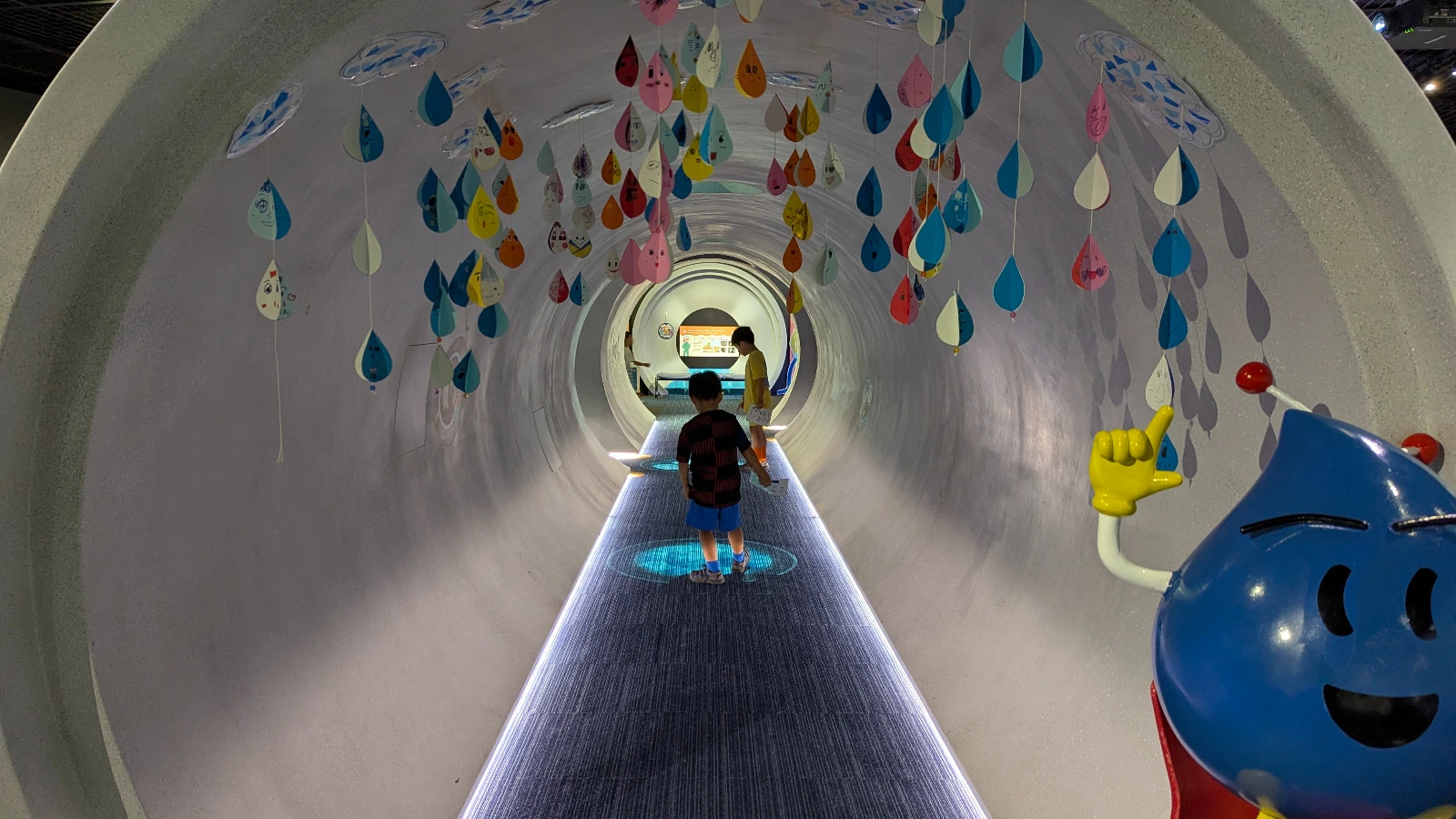
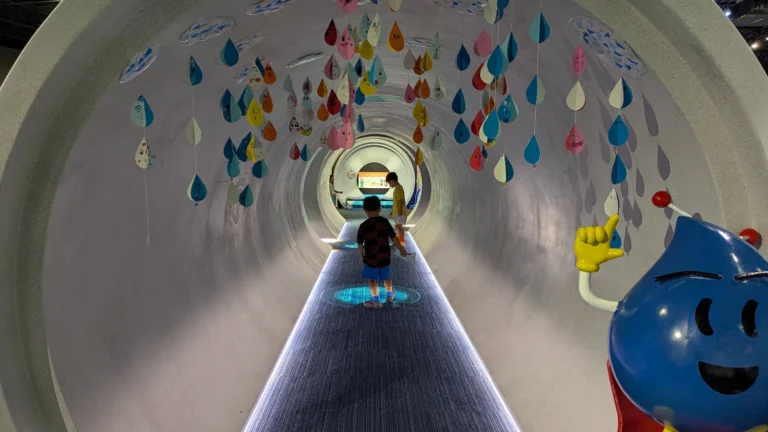
At first glance, the Sapporo City Sewage Science Museum (札幌市下水道科学館) might not sound like the most exciting stop for families, but it’s one of Sapporo’s most surprisingly fun and educational attractions. Also known as the Sapporo Sewer Museum, this hands-on facility transforms something ordinary, city plumbing, into a world of colorful experiments, bubbling models, and interactive exhibits that kids love exploring. From walking through giant pipes to learning how clean water flows back into rivers, it’s a fascinating mix of play and science that shows families how an entire city works beneath their feet.
As you plan your trip to Sapporo, this guide is a great place to start! Begin with our Best Things to Do in Sapporo with Kids guide for hands-on museums, winter fun, local neighborhoods, and seasonal highlights.
You can also explore our Sapporo with Kids Hub to find all our guides, adventure stories, and age-specific tips in one easy place.
For broader inspiration across Japan, don’t miss our Ultimate Guide to Family Attractions in Japan with Kids for theme parks, cultural treasures, nature adventures, and unique experiences across the country.
Why Sapporo City Sewage Science Museum is Great for Families with Kids
- The hands-on learning exhibits make science come alive as kids press buttons, spin levers, and walk through oversized pipes to see how Sapporo’s water system works.
- With interactive displays and digital games, families can explore how wastewater is cleaned and recycled in fun, easy-to-understand ways.
- It’s ideal for curious young engineers and science lovers, who will enjoy discovering what happens beneath the city streets of Sapporo.
- This free indoor attraction is perfect for cold or rainy days, offering an educational and entertaining stop for families exploring Sapporo year-round.
- Compact yet engaging, the museum’s short, kid-friendly layout makes it easy to enjoy without overwhelming younger visitors.
Parent Insight: Science museums like this remind us that even everyday systems, like water and plumbing, can spark curiosity and wonder when presented playfully. Letting kids see how cities work behind the scenes turns routine learning into discovery, helping them connect their own lives to the world around them in a meaningful way.
Best Things to Do at Sapporo City Sewage Science Museum with Kids
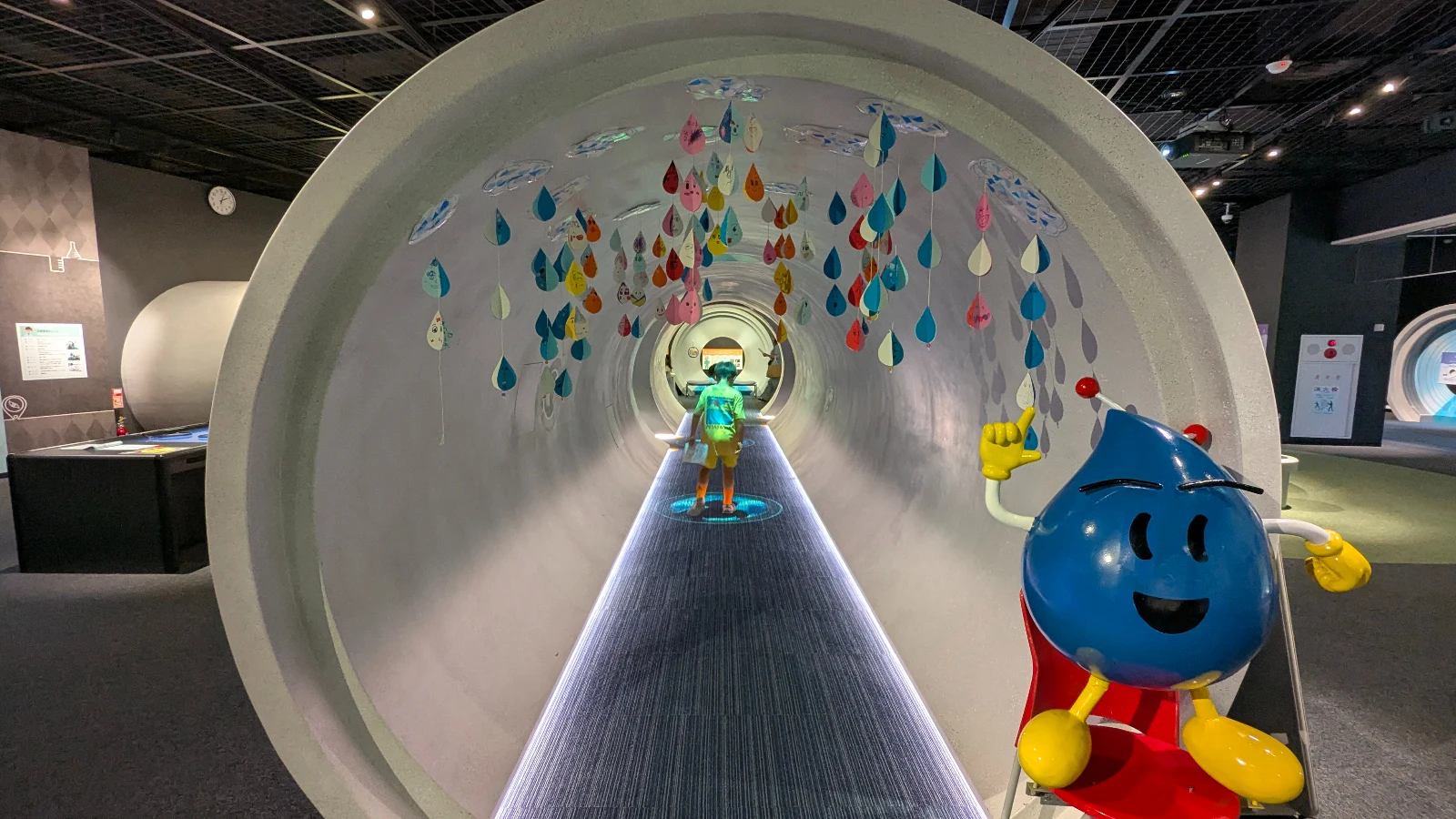
- Explore the Giant Rainwater Pipe Display: Deep underground, families can view a full-scale model of Sapporo’s massive rainwater storage pipe, giving kids a real sense of how the city prevents flooding.
- Play and Learn Through Interactive Exhibits: Kids can push buttons, turn levers, and test simple mechanisms that show how wastewater moves through treatment systems.
- Watch the “Manhole Theater” Show: This short animated film inside the museum introduces how sewage treatment works in a fun, easy-to-follow story format, a highlight for younger children.
- Discover the Water Purification Process: Colorful diagrams and display panels show how dirty water becomes clean again, helping kids connect science with daily life.
- Learn About Sapporo’s Underground Network: Models and diagrams illustrate the flow of rainwater and wastewater beneath the city, perfect for curious young engineers and builders.
The Family Fit Reality
Researching the endless details of a Japan family trip, from figuring out what to pack to managing your daily yen budget, is a massive undertaking that requires careful logistical preparation.
But here is the hidden trap most parents miss: all the practical preparation in the world won’t save your trip if your entire vacation hinges on the hope that “everyone will just cooperate”. If your plan collapses the moment someone gets overstimulated, it is built on hope, not capacity.
Removing the stress from this trip requires understanding exactly how your child processes a foreign environment. An Anchor needs you to pack specific familiarity tools to feel safe, and a Sensor needs you to plan for sensory overload before it happens. A Sprinter requires a strict physical energy budget to prevent exhaustion, while a Dynamo needs you to rewrite the standard rules of travel so they aren’t constantly being shushed in a culture that rewards stillness.
Stop guessing and discover exactly how your child’s energy is wired to travel. Before you finish your general planning, take the free, 60-second Family Fit Check to identify your family’s exact profile and unlock the personalized strategies that prevent daily meltdowns.
Practical Tips for Visiting Sapporo City Sewage Science Museum with Kids
- Cost: Free
- Best Age Range: Ideal for ages 5+, younger children enjoy the visuals and buttons, while older kids grasp the science behind the exhibits.
- Stroller-Friendly?: Yes, the museum has elevators and wide walkways, making it accessible for strollers and wheelchairs.
- Rest Areas: Benches are located throughout the exhibits, and there’s a small lounge near the entrance where families can take breaks.
- Food: No café or restaurant inside. Several convenience stores and casual eateries are within walking distance of the museum entrance.
- Special Note: Almost all exhibit text and videos are in Japanese only, but the visuals, models, and interactive displays make it easy for kids to understand without translations.
Best Time to Visit Sapporo City Sewage Science Museum with Kids
The best time to visit the Sapporo City Sewage Science Museum with kids is in the morning or early afternoon, when it’s quiet and families can explore the hands-on exhibits at their own pace. Weekdays are generally calm, making it easier for children to try every interactive display without waiting.
Because the museum is entirely indoors, it’s a fantastic activity for rainy days, snowy winters, or hot summer afternoons in Sapporo. The climate-controlled environment provides a comfortable break from Hokkaido’s seasonal extremes while keeping kids engaged in learning and play.
If You’re Still Deciding on Dates
For year-round planning, explore our Japan Seasonal Guides for Families, including detailed resources for spring, summer, autumn, winter. You can also read our full Best Time to Visit Japan with Kids guide to compare crowds, weather, and seasonal experiences across the country.
Once Your Dates Are Set
When your travel window is locked in, use our Packing Guide for Japan with Kids to pack with intention. It focuses on real-life logistics, cultural nuances, and the small systems that make daily travel in Japan calmer and easier.
How Long to Spend at Sapporo City Sewage Science Museum with Kids
Plan to spend about 1 to 1.5 hours at the Sapporo City Sewage Science Museum with kids, enough time to explore the main exhibits, watch the short animated film in the Manhole Theater, and enjoy the interactive learning zones without feeling rushed.
Families visiting with toddlers and younger kids may move through the displays more quickly, while school-age children often spend extra time pressing buttons, exploring the large pipe models, and testing out the science-based games. Older children with an interest in STEM or city systems might linger longer to study the details of the underground network models.
Because the museum is compact, it fits easily into a half-day Sapporo itinerary, pairing perfectly with nearby family attractions or a relaxed lunch in the city afterward.
How to Get to Sapporo City Sewage Science Museum with Kids
- By Train: 15-minute walk from the JR Shin-Kotoni Station on the Gakuentoshi Line or From Asabu Station on the Namboku Line.
- By Bus: Local buses from Sapporo Station or Asabu Station stop just a few minutes’ walk from the museum entrance.
- By Car: Free parking is available on-site, making it convenient for families with young children or strollers.
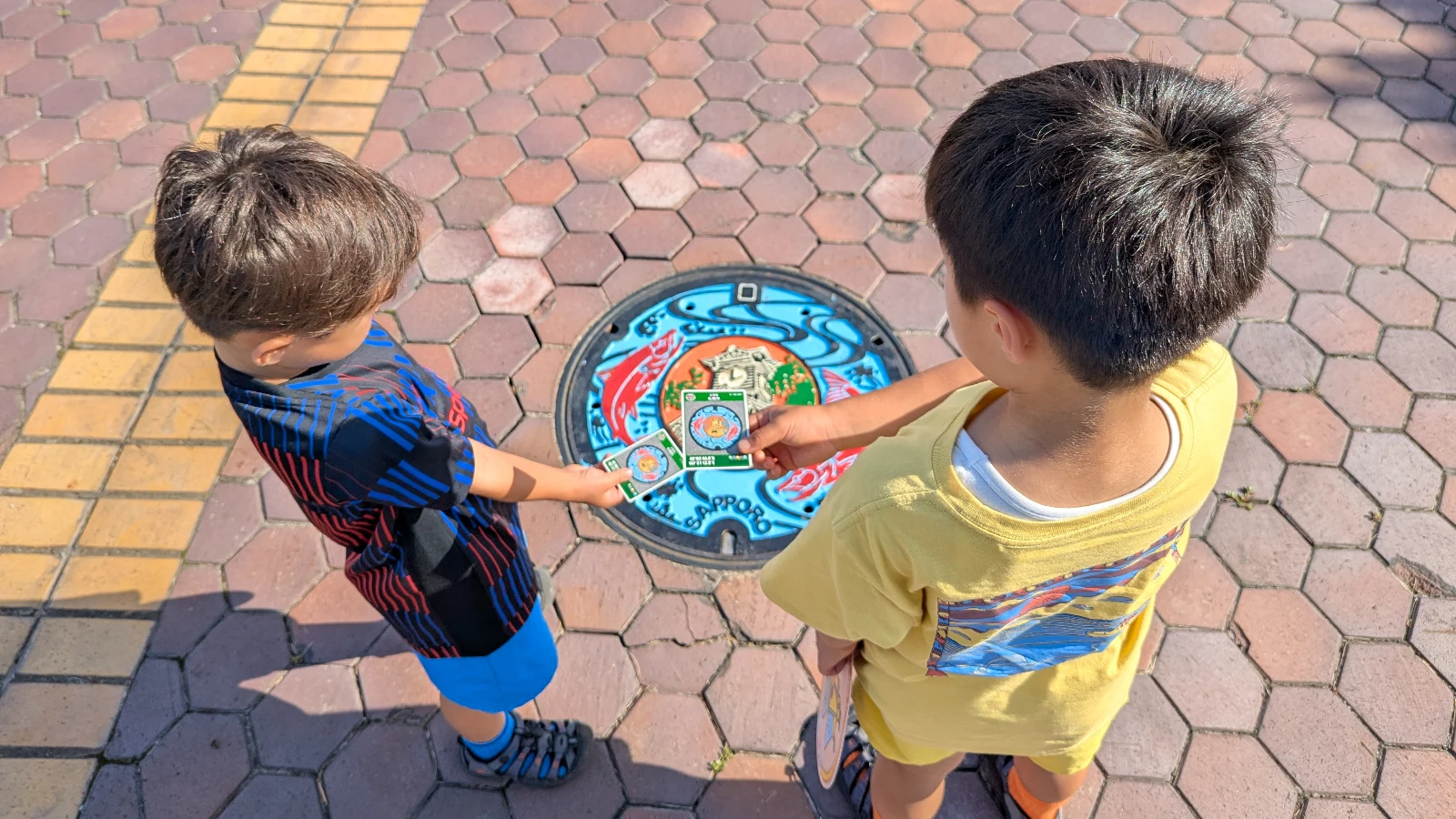
Luca & Nico’s Tip: On the walk from the subway, see if your kids can spot the playful sewer-themed manhole covers embedded in the sidewalks, they’re mini art pieces unique to Sapporo!
Planning Bullet Train Travel?
Our Shinkansen With Kids guide covers seat selection, luggage strategies, and how to navigate major stations with little travelers.
Comparing Rail Options?
Before buying tickets, read our Japan Rail Pass Guide to understand when the pass is actually worth it for families, and when it’s not.
Want to Travel Light Between Cities?
Our Japan Luggage Delivery Guide explains how to send suitcases ahead, making station transfers dramatically easier with kids.
Family-Friendly Hotels Near Sapporo City Sewage Science Museum
- Luxury
- Hotel Sosei Sapporo MGallery Collection – About a 12-minute drive from the museum. This boutique-style luxury hotel blends modern comfort with artistic design and offers spacious family rooms and attentive service.
- JR Tower Hotel Nikko Sapporo – Roughly 15 minutes by train. Directly connected to Sapporo Station, it provides panoramic city views, a relaxing onsen spa, and easy subway access to family attractions.
- Hotel Emion SAPPORO – Around a 10-minute drive. Newly opened and elegant, featuring large family rooms, kid-friendly amenities, and an on-site restaurant serving both Japanese and Western favorites.
- Mid-Range
- Keio Plaza Hotel Sapporo – About a 10-minute drive. Known for its welcoming staff, indoor pool, and spacious rooms ideal for families exploring the city.
- Cross Hotel Sapporo – Roughly 12 minutes by train. Stylish interiors, great breakfast options, and family rooms that balance comfort and design.
- KEIO PRELIA HOTEL Sapporo – Around 15 minutes by train. Offers clean, quiet, and family-oriented rooms with excellent public transport access.
- Mitsui Garden Hotel Sapporo West – Approximately 10 minutes by car. Modern and comfortable with thoughtful touches like separate bath and toilet areas that make family stays smoother.
- Budget
- Sapporo Excel Hotel Tokyu – Around a 15-minute drive. A dependable family-friendly choice featuring spacious twin rooms and a good breakfast buffet.
- Hotel Forza Sapporo Station – About 12 minutes by train. Bright, comfortable rooms designed for convenience, with free amenities for kids.
- JR Inn Sapporo-eki Minami-guchi – Roughly 15 minutes by train. Compact yet clean and quiet, perfect for families looking for budget efficiency near the station.
Choose Your Base
Finding the right base can make exploring Hokkaido easier and more enjoyable with kids. Our Best Family Hotels in Japan guide highlights family-friendly stays across the country, from modern hotels with spacious rooms to cozy ryokan and hot spring retreats.
Plan What to Do
If you’re still choosing which Hokkaido destinations to include in your trip, explore our family guides to Sapporo, Otaru, Hakodate, Asahikawa, Furano & Biei for ideas on what to see, do, and experience with kids.
Family-Friendly Attractions Near Sapporo City Sewage Science Museum
- Asahiyama Memorial Park – A beautiful hilltop park with sweeping city views, wide open lawns, and playgrounds that make it perfect for picnics and family photo stops.
- Odori Park & Sapporo TV Tower – Enjoy a family picnic in the heart of Sapporo, stroll through seasonal flower gardens, or visit the Sapporo TV Tower at the park’s eastern end for panoramic city views and dazzling winter light displays during the Snow Festival.
- Sapporo Science Center – Another hands-on learning spot where kids can explore outer space exhibits, robotics displays, and interactive science experiments.
- Sapporo City Maruyama Zoo – One of Japan’s oldest zoos and a local favorite, featuring polar bears, red pandas, and penguins, plus shaded walking paths and family picnic areas perfect for a relaxed half-day visit.
- Shiroi Koibito Park – A chocolate-themed wonderland where kids can watch cookies being made, decorate treats, and explore playful indoor zones.
- Sapporo Olympic Museum – Discover Hokkaido’s winter sports history through interactive exhibits, ski jump simulators, and Olympic memorabilia that inspire kids to move and play.
- Historical Village of Hokkaido (Kaitaku no Mura) – Step back in time at this open-air museum where kids can explore traditional houses, ride a horse-drawn tram, and experience life from Hokkaido’s pioneering days.
- Moerenuma Park – Designed by artist Isamu Noguchi, this expansive park features unique geometric playgrounds, fountains, and bike-friendly paths, a full-day outdoor adventure.
- Hokkaido University Museum – A fascinating stop for school-age kids who love fossils, insects, and hands-on science displays about nature and research in Hokkaido.
If You’re Planning Your Full Japan Route
If you’re mapping out your wider Japan route, start with our Japan 14-Day Family Itinerary for a balanced mix of major cities, culture, and kid-friendly highlights. Families comparing trip lengths often find it helpful to look at multiple options, including classic 7-day and 10-day Japan itineraries that show how to pace Tokyo, Kyoto, and Osaka with kids.
If You Want Everything in One Place
For bigger-picture planning, our Japan Family-Friendly Travel Hub brings together every city guide, attraction breakdown, and family resource in one place.
You can also dive into Planning a Family Trip to Japan and Japan Budget Family Travel Tips for help with routes, pacing, and realistic costs.
FAQs: Visiting Sapporo City Sewage Science Museum with Kids
Here are quick answers to the most common questions families ask when planning a visit to the Sapporo City Sewage Science Museum, including details on hours, cost, and what to expect when exploring this unique educational attraction with kids.
A: The Sapporo City Sewage Science Museum is generally open from 9:30 AM to 5:00 PM, with the last entry around 4:30 PM. It’s closed on Mondays (or the next day if Monday is a public holiday) and during New Year holidays. Always check the official site before visiting, as hours may change for maintenance or special events.
A: Admission to the Sapporo City Sewage Science Museum is completely free, making it one of the best budget-friendly attractions in Sapporo for families. All exhibits, including the Manhole Theater and interactive displays, can be enjoyed without any cost or reservation.
A: Yes, the Sapporo City Sewage Science Museum is stroller-friendly, with elevators and wide pathways throughout the building. Parents can easily navigate between floors, and there’s a baby-changing area near the main lobby. The smooth indoor layout makes it especially convenient for families with younger children.
A: No, most of the displays at the Sapporo City Sewage Science Museum are in Japanese only, and there are no regular English tours available. However, the museum’s visual exhibits, models, and animations make it easy for kids to follow along without needing translations. Families can still enjoy the experience through the hands-on activities and colorful, easy-to-understand displays.
A: The Sapporo City Sewage Science Museum is best suited for kids aged 5 to 12. Younger children enjoy pressing buttons and watching animations, while older kids can understand the science behind how wastewater and clean water systems work. It’s a fun and educational stop for school-age explorers interested in how cities function.
A: Families typically spend around 1 to 1.5 hours at the Sapporo City Sewage Science Museum, enough time to explore all interactive exhibits and enjoy the Manhole Theater. Because it’s compact and easy to navigate, it’s ideal for combining with nearby attractions or as a short half-day indoor activity during colder or rainy days.
A: Yes, the Sapporo City Sewage Science Museum is absolutely worth visiting for families, especially those with curious kids who love hands-on learning. It transforms everyday topics like plumbing and water systems into a fun, interactive science experience, showing children how an entire city works beneath their feet. With free admission, engaging exhibits, and a comfortable indoor setting, it’s one of Sapporo’s most underrated educational attractions for families.
Until Next Time…
The Sapporo City Sewage Science Museum may not be one of the city’s most famous attractions, but it’s one of its most unexpectedly fun and educational stops for families. What begins as a visit to learn about water and pipes turns into a fascinating look at how an entire city stays clean and healthy beneath the surface. Kids leave with a sense of wonder for the hidden systems that keep daily life running, and maybe even a new curiosity about science, engineering, and the world around them.
Stay curious, stay adventurous, and keep dreaming!
~ The LuNi Travels Family ~