

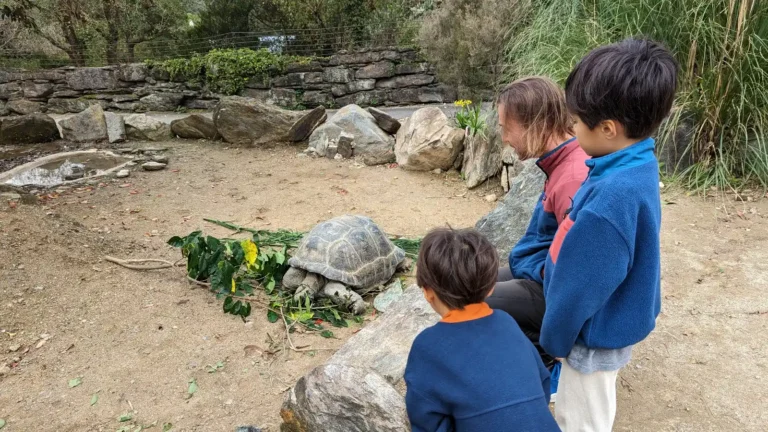
Nagasaki Bio Park (長崎バイオパーク) is not your typical zoo. Instead of viewing animals through glass or cages, this lush, walk-through park invites your family to step directly into natural-style habitats. Imagine your children walking among free-roaming kangaroos, watching lemurs jump between trees just feet away, or hand-feeding a capybara as it relaxes in the sun.
For families traveling in Japan, this is arguably one of the most hands-on nature experiences you can find. It’s immersive, completely stroller-friendly, and designed to let kids, from toddlers to teens, connect with animals in a way that teaches responsibility and gentleness.
Whether you are looking to visit the famous winter “Capybara Hot Springs” or just want a unique day trip from Nagasaki City, this guide covers everything you need to know. We’ll breakdown the best feeding experiences, practical tips for getting there, and why this “animal-filled garden adventure” is a must-do for your Japan itinerary.
As you plan your trip to Nagasaki with kids, our resources are here to help! Check out our full Nagasaki Family Travel Guide for cultural stops, fun neighborhoods, and activity-filled itineraries.
Then, visit the Nagasaki with Kids Hub to find all our guides, family adventures, and travel tips conveniently in one easy spot.
For even more inspiration across Japan, see our Ultimate Guide to Family Attractions in Japan with Kids for the best castles, shrines, theme parks, and more.
Why Nagasaki Bio Park is Great for Families with Kids
- Animals roam freely in many areas, creating a natural and exciting environment for kids to explore.
- Visitors can feed and interact with dozens of animals, including capybaras, guinea pigs, ducks, kangaroos, and more.
- Wide paths, shade, and water features make it feel more like an animal-filled garden adventure than a zoo.
- Perfect for toddlers, school-aged kids, and even teens who want a unique, off-the-beaten-path animal experience in Japan.
Parent Insight: Hands-on animal experiences can teach responsibility, empathy, and gentleness in ways few other moments can. Let your child take the lead in feeding or observing, guiding them to watch body language and move calmly turns these encounters into powerful early lessons in respect and connection.
Best Things to Do at Nagasaki Bio Park with Kids
- Capybara Hot Springs (winter): Watch the famous capybaras soak in steaming baths, one of the park’s most beloved photo spots.
- Guinea Pig and Rabbit Encounters: Pet and gently feed these small animals in a relaxed, well-supervised environment.
- Kangaroo Field: Walk through an open field where kangaroos rest, jump, and sometimes come right up to you.
- Bird Walkthroughs: Colorful tropical birds and peacocks roam freely in designated areas.
- Floating Bridge and Lily Pads: Cross a unique floating bridge surrounded by koi and water lilies, a fun balance challenge for kids.
The Family Fit Reality
Researching the endless details of a Japan family trip, from figuring out what to pack to managing your daily yen budget, is a massive undertaking that requires careful logistical preparation.
But here is the hidden trap most parents miss: all the practical preparation in the world won’t save your trip if your entire vacation hinges on the hope that “everyone will just cooperate”. If your plan collapses the moment someone gets overstimulated, it is built on hope, not capacity.
Removing the stress from this trip requires understanding exactly how your child processes a foreign environment. An Anchor needs you to pack specific familiarity tools to feel safe, and a Sensor needs you to plan for sensory overload before it happens. A Sprinter requires a strict physical energy budget to prevent exhaustion, while a Dynamo needs you to rewrite the standard rules of travel so they aren’t constantly being shushed in a culture that rewards stillness.
Stop guessing and discover exactly how your child’s energy is wired to travel. Before you finish your general planning, take the free, 60-second Family Fit Check to identify your family’s exact profile and unlock the personalized strategies that prevent daily meltdowns.
Practical Tips for Visiting Nagasaki Bio Park with Kids
- Cost: ¥
- Best Age Range: All ages, ideal for toddlers to early teens
- Stroller-Friendly? Yes, wide, mostly flat paths; some gentle slopes
- Rest Areas: Plenty of benches, shaded spots, picnic areas, and restrooms
- Food: On-site café and restaurant with kid-friendly meals; outside food allowed in designated areas
Best Time to Visit Nagasaki Bio Park with Kids
The best time to visit Nagasaki Bio Park with kids is in the morning during spring or autumn, when the weather is comfortable and the animals are most active. Spring brings cherry blossoms and fresh greenery, making the park feel especially lively, while autumn offers cooler days with vibrant foliage in the surrounding hills.
Summer afternoons can be hot and humid, though shaded areas and misting fans help families cool down. Winter is much quieter, giving kids more space to interact with animals like capybaras soaking in warm baths, but some animals may be less active in the colder months.
Arriving early not only helps you avoid larger crowds but also gives kids more chances to feed and interact with the animals before they’ve had their fill.
If You’re Still Deciding on Dates
For year-round planning, explore our Japan Seasonal Guides for Families, including detailed resources for spring, summer, autumn, winter. You can also read our full Best Time to Visit Japan with Kids guide to compare crowds, weather, and seasonal experiences across the country.
Once Your Dates Are Set
When your travel window is locked in, use our Packing Guide for Japan with Kids to pack with intention. It focuses on real-life logistics, cultural nuances, and the small systems that make daily travel in Japan calmer and easier.
How Long to Spend at Nagasaki Bio Park with Kids
Plan to spend about 3–4 hours at Nagasaki Bio Park with kids, enough time to enjoy the main animal zones, feeding experiences, and a relaxed walk through the grounds. Families who want to linger at the capybara hot spring, watch scheduled animal feedings, or enjoy lunch at the café may stretch their visit closer to a half-day outing.
For toddlers and younger kids, 2–3 hours is usually plenty, especially if you take frequent breaks. School-age children often enjoy exploring the interactive areas longer, while older kids may want to stay for special programs or photo opportunities. Natural breaks like snack time or the capybara bath make it easy to decide when to wrap up your visit.
How to Get to Nagasaki Bio Park with Kids
- By Car: About 1 hour from Nagasaki City. On-site parking is available, making this the easiest option for families.
- By Shuttle Bus: From Huis Ten Bosch, it’s about 45 minutes by free shuttle bus. The bus runs three times a day and requires advance reservation.
- By Public Transportation: Families can reach Huis Ten Bosch by train or bus from Nagasaki City, Sasebo, or Fukuoka, then transfer to the shuttle bus. While possible, driving or taking the shuttle is generally the most family-friendly option.
Luca & Nico’s Tip: Bring a few ¥100 coins for the animal food dispensers, they’re all over the park and let you feed ducks, capybaras, and even monkeys!
Planning Bullet Train Travel?
Our Shinkansen With Kids guide covers seat selection, luggage strategies, and how to navigate major stations with little travelers.
Comparing Rail Options?
Before buying tickets, read our Japan Rail Pass Guide to understand when the pass is actually worth it for families, and when it’s not.
Want to Travel Light Between Cities?
Our Japan Luggage Delivery Guide explains how to send suitcases ahead, making station transfers dramatically easier with kids.
FAQs: Visiting Nagasaki Bio Park with Kids
Here are answers to the most common questions families ask before visiting Nagasaki Bio Park with kids, covering everything from ticket prices and stroller access to which animals you can see up close. For more details, you can also explore the official park map/animals list to plan your visit.
A: Yes, Nagasaki Bio Park is stroller-friendly, with wide, smooth paths and gentle slopes that make it easy to navigate with small children. Families will find the layout comfortable for both strollers and toddlers learning to walk.
A: Absolutely! Kids can feed animals at Nagasaki Bio Park using food purchased on-site. Popular encounters include feeding capybaras, rabbits, and ducks at designated stations, which is often the highlight of a child’s visit.
A: Most families spend about 2.5 to 4 hours at Nagasaki Bio Park, enough time to explore the main zones, enjoy interactive feeding areas, and take breaks. Shorter visits work well for toddlers, while school-age kids may want to linger longer in the hands-on areas.
A: Yes, many animals at Nagasaki Bio Park are free-roaming, including kangaroos, capybaras, and peacocks. Families walk through open-access sections where kids can safely observe animals moving naturally around them.
A: The best time to visit Nagasaki Bio Park with kids is during spring or autumn, when the weather is mild and comfortable for walking. Winter is also a favorite season because of the famous hot spring capybaras, while summer can be hot but manageable with shaded rest areas.
A: Nagasaki Bio Park ticket prices are: ¥2,100 for adults, ¥1,500 for middle and high school students, and ¥1,100 for children ages 3 through elementary school. Kids under 3 years old can enter for free.
A: Families can see and interact with over 30 species of animals at Nagasaki Bio Park, many of which roam freely or live in natural-style enclosures. Highlights for kids include:
– Capybaras: soaking in hot springs during winter and wandering year-round
– Kangaroos: relaxed in open fields where visitors can walk among them
– Guinea pigs & rabbits: gentle animals kids can pet and feed
– Peacocks & tropical birds: colorful and free-roaming in walk-through aviaries
– Lemurs & monkeys: active and playful, often jumping between trees
– Tortoises, goats, ponies, and deer: approachable for all ages
– Fish & ducks: gathered near ponds and feeding bridges
This immersive setup makes Nagasaki Bio Park one of Japan’s most interactive animal parks for kids.
A: Nagasaki Bio Park is located in Saikai City, about 1 hour from central Nagasaki, on the northwest side of Kyushu. It sits in a natural hillside setting surrounded by greenery, making it feel more like a nature park than a traditional zoo.
A: The easiest way to reach Nagasaki Bio Park is by car, with parking available on-site. Families using public transport can take a bus from Huis Ten Bosch or Sasebo Station, with the trip taking about 45–60 minutes. Many visitors combine the park with nearby attractions for a day trip.
A: Nagasaki Bio Park is great for all ages, but school-age children (5–12) often enjoy it the most because of the interactive feeding and animal encounters. Toddlers can still have fun with gentle animals like rabbits and guinea pigs, while older kids may appreciate the unique free-roaming zones and capybara hot springs.
Until Next Time…
Nagasaki Bio Park offers one of Japan’s most interactive animal experiences, where fences are few, curiosity is encouraged, and your kids can be explorers, zookeepers, and photographers all in one visit. It’s wild, warm, and wonderfully memorable.
Stay curious, stay adventurous, and keep dreaming!
~ The LuNi Travels Family ~