

How to Avoid Travel Burnout in Japan with Kids (And Still Enjoy the Trip)
Traveling in Japan with kids is often a dream scenario. The streets are safe, the trains run on time, and the convenience stores are life-savers. But there is a hidden side to this efficiency: because everything seems so easy, families often push themselves harder here than they would anywhere else. The result? Travel burnout that sneaks up right when you are supposed to be having the time of your lives.
By the time parents realize they feel overwhelmed, it is often because the itinerary has become too packed to match everyone’s energy. We often discuss why Japan is the Easiest Place to Travel with Kids, but ease of travel doesn’t automatically mean a lack of exhaustion. This guide focuses on how to slow down your family trip so days feel calmer, expectations feel lighter, and the trip becomes something your family truly enjoys together.
Note: If you are still in the early stages of building your schedule, start with our guide on Planning a Family Trip to Japan to set the right pace before you even board the plane.
Recognizing Family Travel Burnout: The Silent Signs
Travel burnout rarely shows up as one big, dramatic moment. Instead, it builds quietly through small signs that are easy to dismiss, especially when you are visiting a destination you have been excited about for months.
In Japan, where the sensory input is high and the cultural norms emphasize quiet and order, burnout often looks like:
- The “Station Drag”: Kids start dragging their feet or shutting down completely during transfers, making a simple train ride feel like a marathon.
- The Decision Fatigue: Parents feel unusually impatient or mentally exhausted from constantly navigating Google Maps, translation apps, and choosing between 50 different lunch options.
- The “Fun” Resistance: Moments that should feel exciting, like seeing a new shrine or entering a theme park, suddenly feel like work.
What makes burnout especially confusing in Japan is the guilt that comes with it. Parents often think, “We spent so much to get here, we should be doing more.” This leads to pushing harder instead of slowing down. The result is a cycle where everyone is technically “doing” the trip, but no one is present enough to enjoy it.
Recognizing these signs early is important. If you notice your children becoming unusually noisy or dis-regulated in quiet spaces, it might not be misbehavior, it might be exhaustion. (See our tips for Traveling Japan with Noisy Kids for how to handle those specific moments). Burnout is not a sign of failure; it is simply a signal that your family’s energy needs a reset.
Why Japan’s “Ease of Travel” Can Lead to Exhaustion
Japan is famous for its convenience, but that reputation can mask how physically demanding the day-to-day reality is for families. Cities like Tokyo and Osaka are dense, attractions are close together, and there is a constant sense that something interesting is always just one more stop away. Parents naturally try to take advantage of this efficiency, unintentionally stacking experiences without realizing the physical toll.
Unlike destinations where families spend long stretches sitting in a car or on a beach, Japan involves a relentless amount of walking, standing, navigating massive stations, and processing social expectations.
- The Walking Factor: It is not uncommon to hit 15,000–20,000 steps a day without trying. Make sure you have consulted our guide on What to Pack for Japan with Kids to ensure everyone has the right gear to handle this load.
- The “Luggage” Drag: Nothing drains parental energy faster than navigating a busy station with a stroller in one hand and a suitcase in the other. If you are still hauling bags between cities, you are burning energy you need for your kids. Use our Japan Luggage Transfer & Delivery Guide to send your bags ahead so you can travel hands-free.
When you add the cultural pressure to be polite, quiet on trains, and not disrupt others, families burn through their energy reserves faster than expected, even when everything around them feels well-organized and enjoyable.
The Family Fit Reality
Researching the endless details of a Japan family trip, from figuring out what to pack to managing your daily yen budget, is a massive undertaking that requires careful logistical preparation.
But here is the hidden trap most parents miss: all the practical preparation in the world won’t save your trip if your entire vacation hinges on the hope that “everyone will just cooperate”. If your plan collapses the moment someone gets overstimulated, it is built on hope, not capacity.
Removing the stress from this trip requires understanding exactly how your child processes a foreign environment. An Anchor needs you to pack specific familiarity tools to feel safe, and a Sensor needs you to plan for sensory overload before it happens. A Sprinter requires a strict physical energy budget to prevent exhaustion, while a Dynamo needs you to rewrite the standard rules of travel so they aren’t constantly being shushed in a culture that rewards stillness.
Stop guessing and discover exactly how your child’s energy is wired to travel. Before you finish your general planning, take the free, 60-second Family Fit Check to identify your family’s exact profile and unlock the personalized strategies that prevent daily meltdowns.
The Planning Trap: Managing Time vs. Managing Energy
Most families plan their Japan trip around time, not energy. Days are built on what can fit between train schedules, timed entry tickets (like Shibuya Sky or TeamLab), and opening hours. The assumption is that if the logistics work on paper, the family should be able to keep up.
In real life, kids get hungry at inconvenient times, patience fades faster than the train schedule allows, and parents end up spending the day watching the clock instead of watching their kids. When time becomes the priority, energy gets ignored. Families push through because “the next stop is only ten minutes away” or because “we booked this weeks ago.”
Shifting the focus from managing time to managing energy changes everything.
- Build Flexibility: If you are currently building your trip, our Planning a Family Trip to Japan guide shows how to structure days with “flex zones” rather than rigid slots.
- Budgeting Energy: Protecting energy early in the day prevents burnout from stealing the rest of the trip. It is often better to arrive at a spot 30 minutes late and rested than on time and melting down.
Surviving “Day 3”: The Predictable Crash in Japan Itineraries
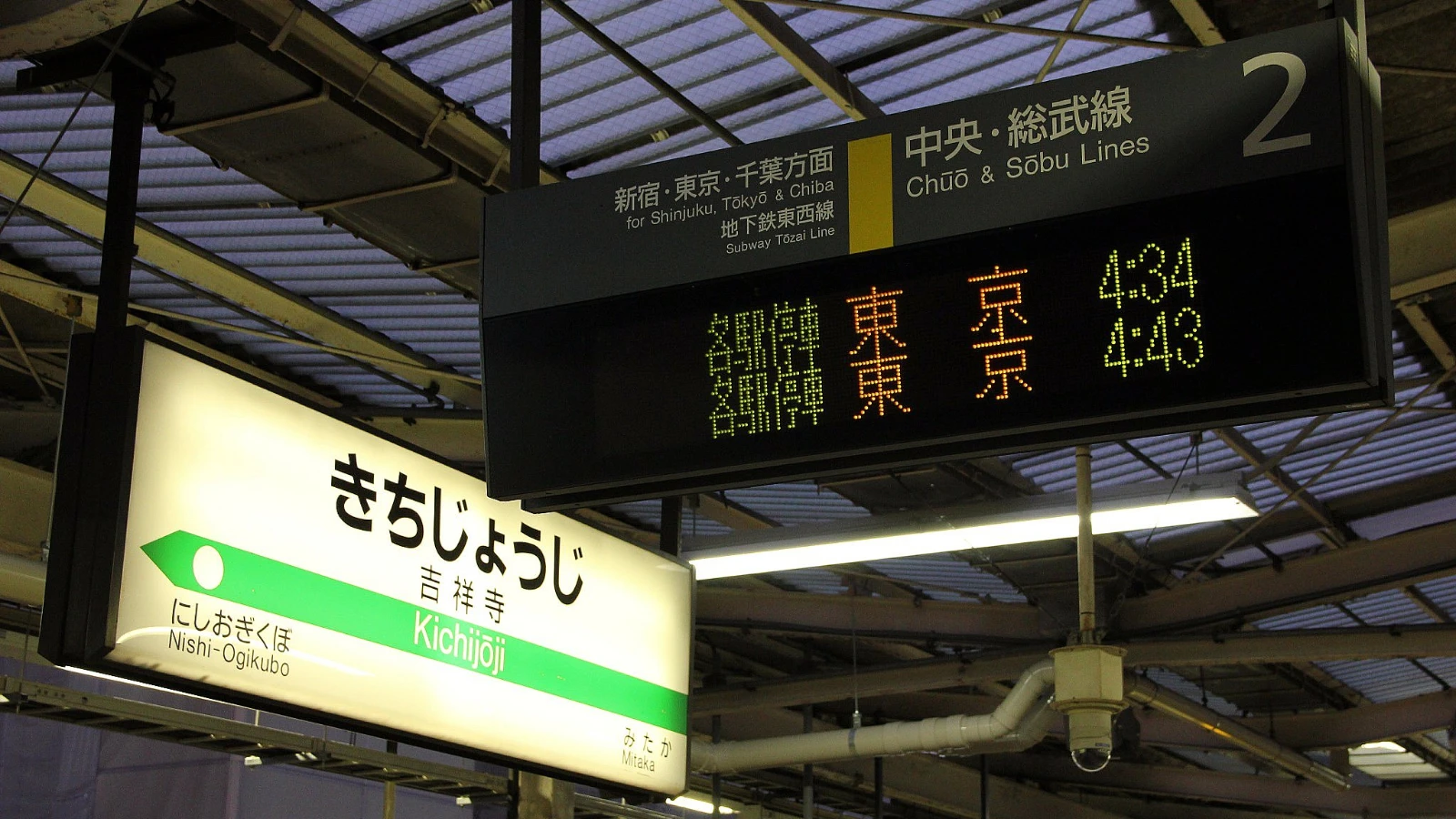
If you are going to hit a wall, it will likely happen on Day 3. For many families, the first two days are fueled by adrenaline and novelty. Everyone is willing to push a little harder because they have finally arrived in Japan. But by Day 3, that reserve disappears. The accumulated walking, the early mornings (thanks to jet lag), the unfamiliar food routines, and the constant transitions finally catch up.
Day 3 is often when expectations clash with reality. Parents feel pressure to keep the momentum going because the trip is short, while kids no longer have the energy to match that pace. Small frustrations suddenly feel bigger, and what looks like a behavior issue is often just exhaustion surfacing all at once.
The LuNi Fix:
- Anticipate the Crash: Look at your itinerary right now. Is Day 3 packed? If so, lighten it.
- Use Paced Itineraries: If you aren’t sure how to pace a trip effectively, our Japan Itineraries for Families, including our specific Japan 7-Day Itinerary with Kids and Japan 10-Day Itinerary with Kids, are designed with built-in breathing room to prevent this exact crash.
- Swap the Scenery: If the city feels too “loud,” our Best Day Trips from Tokyo with Kids guide helps you find a nature or coastal reset to lower the sensory input for everyone.
A Daily Rhythm for Japan: The “One Big Thing” Rule
Avoiding burnout does not mean doing less; it means doing things at the right time. Most families feel better when their days follow a natural rhythm instead of a rigid schedule. Energy is usually highest in the morning, dips sharply around midday, and becomes unpredictable in the afternoon.
When families align their plans with this rhythm, the trip often feels longer, not shorter. Plan one meaningful experience in the morning, space to reset when energy dips, and low-pressure wandering later in the day.
The “LuNi Emergency Reset” Button
On low-energy days, swapping a walking-heavy shrine or busy district for a climate-controlled indoor environment can save the trip. We have curated specific lists for major cities so you don’t have to scramble for ideas when everyone is tired:
- Tokyo: Indoor Activities in Tokyo
- Osaka: Indoor Activities in Osaka
- Kyoto: Indoor Activities in Kyoto
- Fukuoka: Indoor Activities in Fukuoka
- Kobe: Indoor Activities in Kobe
Is It Worth Visiting? How to Filter Attractions in Moment
Almost every family hits a moment where they are standing outside an attraction, debating whether to go in or move on. Everyone is tired, someone is hungry, and the next decision feels heavier than it should. This is where asking a simple “worth it?” question can save the rest of the day.
Instead of focusing on what you “should” see, look at whether the experience matches your family’s current energy. To help you decide before you get in line, we have broken down the most debated attractions in Japan to see if they are actually family-friendly:
The LuNi Reviews: Is It Actually Worth It?
- Tokyo Skytree: Is the view worth the lines? Read our verdict: Is Tokyo Skytree Worth Visiting with Kids?
- TeamLab: Planets or Borderless? We compare them: TeamLab Planets vs Borderless and ask Is TeamLab Borderless Worth Visiting with Kids?
- Crowded Shrines: Before you brave the crowds, check Is Fushimi Inari Worth Visiting with Kids? and Is Senso-ji Temple Worth Visiting with Kids?
- Zoos & Aquariums: Not all animal encounters are equal. See our thoughts on Is Osaka Aquarium Kaiyukan Worth Visiting with Kids? and Is Ueno Zoo Worth Visiting with Kids?

The “Sunk Cost” Trap: Why Skipping Attractions Saves Money
The “sunk cost” mindset shows up when families feel compelled to continue an activity simply because they have already invested time, money, or effort into it. Thoughts like “we already paid for this” or “we came all this way” make it hard to step away, even when everyone is clearly exhausted.
In reality, forcing an experience rarely saves anything. The money is already spent, but if you push through, the emotional cost keeps growing, often leading to meltdowns that ruin dinner and bedtime, too.
Letting go early is not quitting; it is a financial strategy. You are protecting the value of the rest of your day.
- Money Anxiety: If you are worried about “wasting” money by skipping things, read our Japan Budget Family Travel Tips. We explain how families actually save money by prioritizing energy over tick-box sightseeing.
- Better Memories: Unplanned moments tend to feel lighter. A snack from a vending machine or a short walk through a neighborhood often leaves a stronger positive impression than a famous landmark visited under duress.
Strategic Recovery Days: Best Hotels for Downtime
Recovery days are often misunderstood as “wasted time,” but they are what allow the rest of a Japan trip to actually work. After a busy day or a stretch of constant movement, kids and parents both need space to reset their bodies and emotions. Without this pause, fatigue quietly accumulates and makes even enjoyable experiences feel hard.
A recovery day is not about doing nothing; it is about lowering the stakes. Sleeping in, wandering a nearby neighborhood, or spending extra time at a park can restore energy without adding pressure.
The LuNi Secret Weapon: The Right Hotel
Recovery days are only effective if you have a comfortable place to recover in. A tiny business hotel room can make downtime feel claustrophobic.
- Pools Save Trips: A hotel pool is the ultimate reset button for kids, but Japanese pools operate differently than you might expect. Check our guide to Family Hotels in Japan with Pools to navigate the unique rules, like mandatory swim caps, age limits, and extra fees, before you dive in.
- Space to Breathe: If you need more room to spread out, browse our city-specific recommendations in Best Family Hotels in Japan.

The Emergency Reset: What to Do When the Plan Fails
Even with the best intentions, there will be moments when the plan no longer fits how your family feels. Everyone is tired, the weather changes, or a small issue suddenly feels overwhelming. In those moments, families do not need more options, they need permission to choose the easier path.
This is why we rely on a simple decision framework rather than a fixed schedule. Having something to check in with when emotions are high helps shift the focus from “what were we supposed to do?” to “what will actually help right now?”
Take the pressure off your days in Japan. Download the LuNi Travels Daily Rhythm Guide for Japan with Kids and keep it on your phone for the moments when everyone is tired and the next decision feels heavy.
Redefining Success: Enjoying Japan at Your Child’s Pace
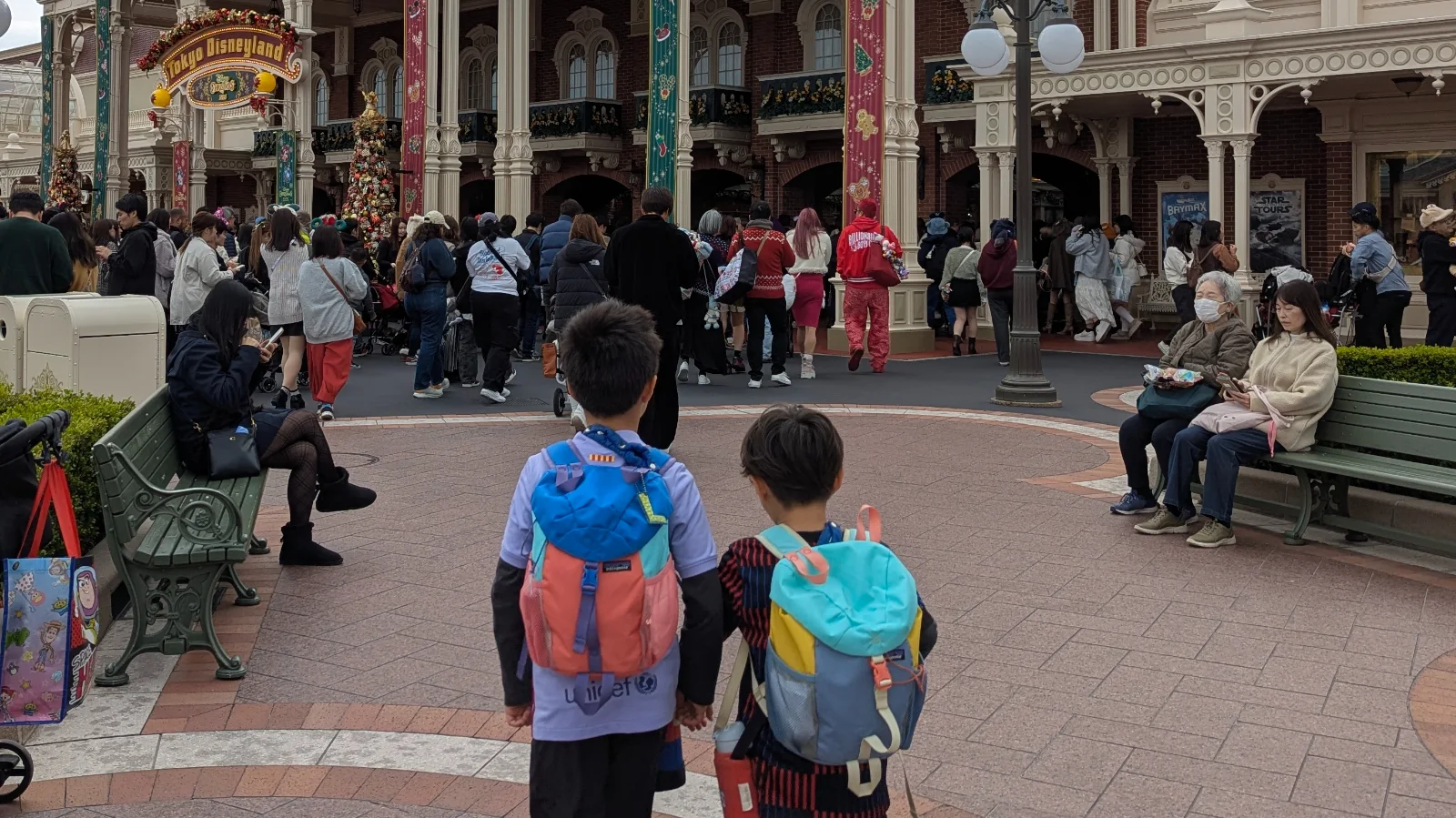
A successful trip to Japan with kids is not measured by how many attractions you visited or how closely you followed the plan. It looks like children who feel safe, rested, and curious, and parents who feel present enough to enjoy being with them.
Some days that means seeing a famous site like Kiyomizu-dera Temple, and other days it means skipping the temple to watch trains at the Kyoto Railway Museum because that is what will keep everyone smiling.
When families let go of checklists and focus on how the day feels, success becomes easier to recognize. Shared laughs, quiet walks, and unexpected discoveries matter far more than completing every plan.
Japan Is Best Enjoyed at Your Family’s Pace
Japan has a way of rewarding families who move through it gently. When days are shaped around energy instead of expectations, the country feels calmer, more welcoming, and easier to enjoy together.
Start Your Planning Here: If you are ready to build a trip that balances adventure with rest, start with these resources:
- For a complete roadmap: Japan Itineraries for Families or Japan Attractions with Kids
- For age-specific survival guides: Burnout looks different at every stage. Read our specific tips for Japan with Toddlers, Japan with School-Age Kids, and Japan with Teens.
- For specific city guides: Visit our hubs for Tokyo, Kyoto, Osaka, and Fukuoka.
FAQs: Avoiding Travel Burnout in Japan with Kids
These frequently asked questions address common concerns parents have about stress, pacing, and emotional overload when traveling in Japan with kids, helping families feel more confident and prepared.
A: Yes, travel burnout is very common when visiting Japan with kids, especially in the first few days of the trip. The combination of walking-heavy days, constant stimulation, and excitement can drain energy faster than parents expect, even when everything is going well.
A: Traveling in Japan with kids can feel overwhelming because days often involve more movement, decisions, and sensory input than families are used to. When schedules stay busy without enough recovery time, kids and parents may feel overstimulated even in calm, well-organized environments.
A: Many families experience burnout around Day 3 of a Japan trip, when early excitement fades and accumulated fatigue surfaces. This timing is normal and often signals the need to slow down and reset, not that the trip is failing.
A: Families can slow down a Japan itinerary by planning around energy instead of time, focusing on one main activity per day and leaving afternoons flexible. Building in breaks and recovery time helps kids stay regulated and makes the trip feel more enjoyable overall.
A: Yes, skipping attractions on a family trip to Japan is often the better choice when energy is low. Kids usually remember how a day felt more than what they saw, and protecting the mood can save the rest of the day from turning stressful.
A: Early signs of travel burnout in kids include increased whining, dragging feet, emotional shutdowns, or sudden irritability. These behaviors are often signals of fatigue or overstimulation rather than misbehavior and are best addressed by slowing down.
A: Families recover best by lowering expectations the following day and giving everyone time to rest. Sleeping in, staying close to the hotel, and choosing low-pressure activities helps reset energy and prevents one hard day from affecting the rest of the trip.
A: Yes, slowing down often makes a Japan trip more enjoyable for families with kids because it reduces stress and increases connection. When kids feel rested and parents feel present, the experience becomes calmer, more memorable, and easier to enjoy together.
Stay curious, stay adventurous, and keep dreaming!
~ The LuNi Travels Family ~