
Let’s be honest: traveling to Japan with teenagers is terrifying.
When they were toddlers, you worried about naps and strollers. Now, the fears are different, but just as paralyzing. You might find yourself asking: Is Japan good for teenagers? Will they be bored? Will they just stare at their phone? Is Japan too “cultural” and slow for a 15-year-old who craves constant stimulation? Or worse, is this trip actually for us, and we are just dragging them along?
If you are currently hovering over the “Book” button with these doubts, stop worrying.
Japan is not just “kid-friendly” in the traditional sense of playgrounds and zoos. It is arguably the single best destination on earth for the teenage brain. It sits in that rare sweet spot: safe enough for you to let go, but wild enough to keep them interested.
This isn’t a list of roller coasters. This is an honest look at why Japan works uniquely well for teens, where it might frustrate them, and how to plan a trip that connects you with them before they leave the nest.
Traveling with younger siblings?
- Ages 6-12: Read why the elementary years are the School-Age Sweet Spot.
- Toddlers: See why Japan is easier than you think in our Guide to Japan with Toddlers.
Why Japan Is Different for Teen Travelers
Most family destinations treat kids as passive observers. You drag them to a monument, they look at it, you buy ice cream, and you leave.
Japan is different because it is a destination teens feel, not just one they see.
The Visual Intensity (It Beats the Phone)
Teens live in a high-stimulation world. Europe’s quiet cathedrals can sometimes feel “slow” to a digital-native generation. Japan, however, matches their internal pacing.
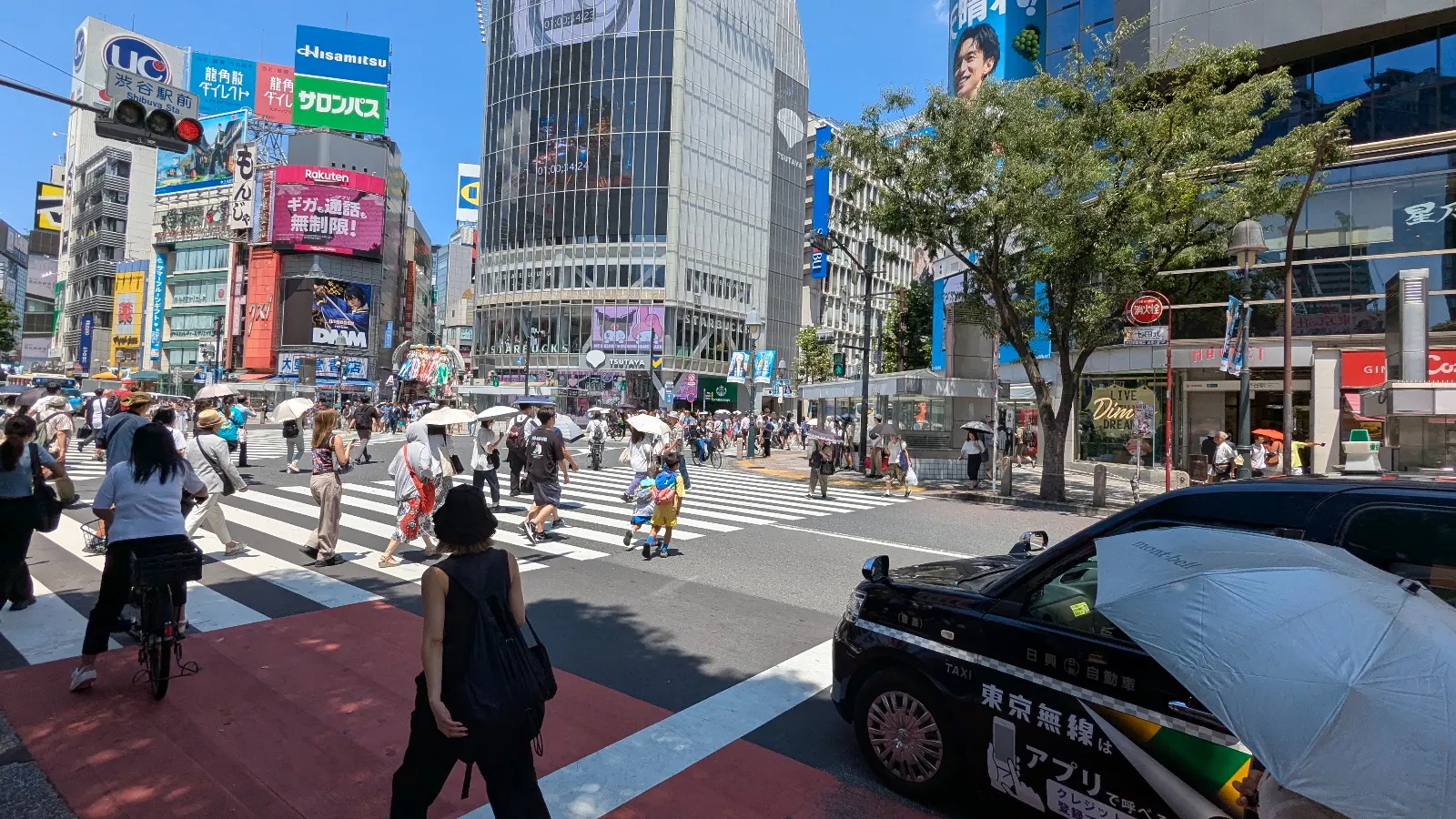
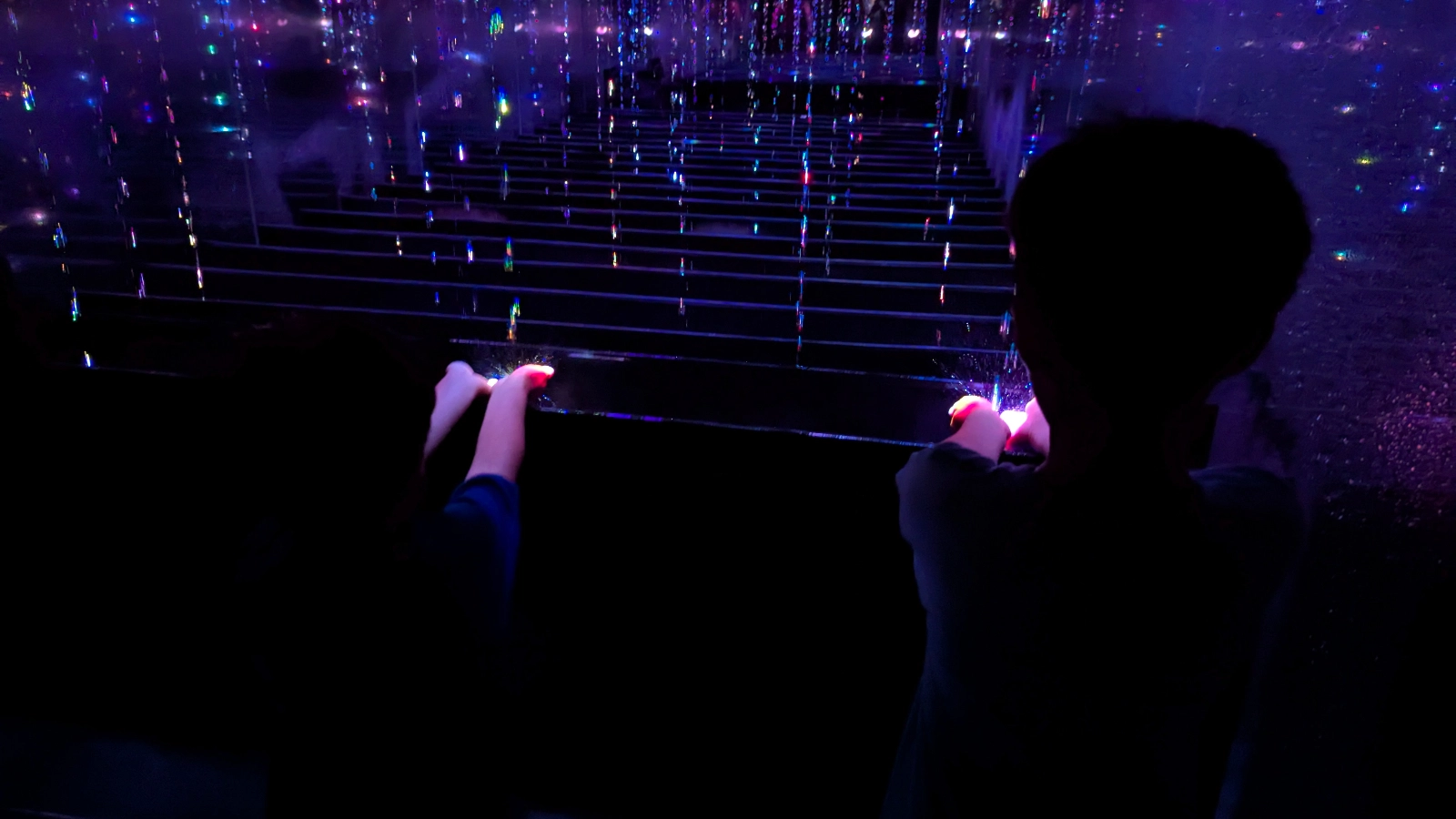
When you step out into Shibuya, it is a sensory overload of light, sound, and motion that instantly competes with the screen in their pocket. It isn’t just “sightseeing”; it is immersion. From the neon canyons of Kabukicho to the digital art worlds of TeamLab Planets, Japan offers a visual language that teens instinctively understand. They don’t need a history degree to appreciate the vibe of Tokyo, it just hits them.
“Adult-Feeling” Independence
The biggest friction point in teen travel is usually autonomy. They want freedom; you want safety. In most major cities (like Paris or New York), you can’t exactly tell a 14-year-old, “Go explore the subway, I’ll see you at dinner.”
In Japan, you can.
Because of the incredibly low crime rate and the efficiency of the train systems, you can give your teen a level of independence here that is impossible back home. Letting them navigate a complex station or run into a convenience store to buy their own snacks doesn’t just make your life easier, it makes them feel capable. It transforms them from “luggage” into active travelers.
Culture Without the “Boring” Label
Teens often associate “culture” with dusty museums. Japan flips this. Here, culture is pop culture.
The history isn’t just locked in glass cases; it’s alive in the streets of Harajuku, in the etiquette of a bowing deer in Nara, and in the “weird” factor of a vending machine selling hot corn soup. Even if your teen claims to hate history, they will likely be fascinated by the sheer difference of daily life here. It satisfies their curiosity without feeling like a school field trip.
What Teens Actually Love About Japan (That Parents Don’t Expect)
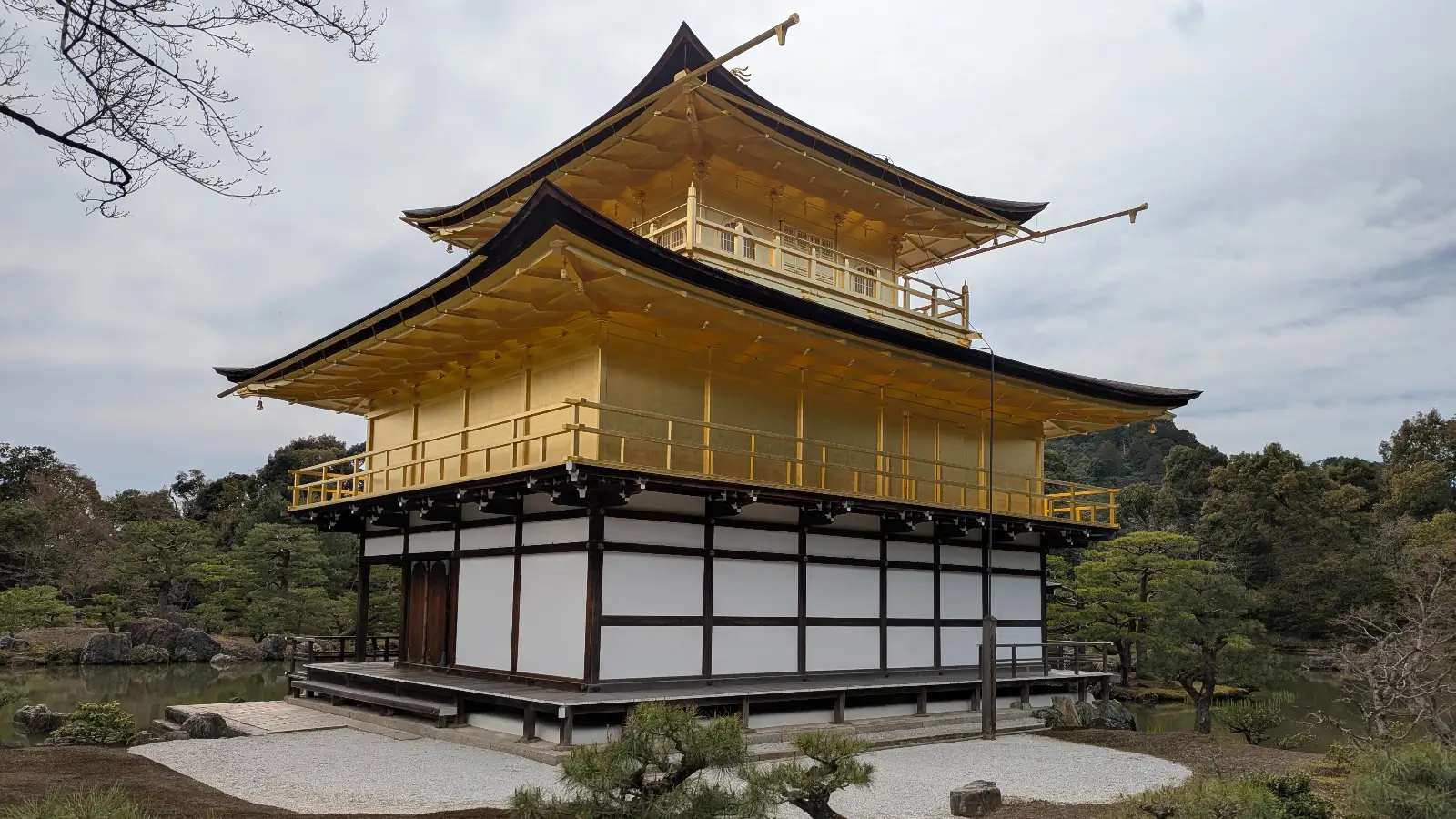
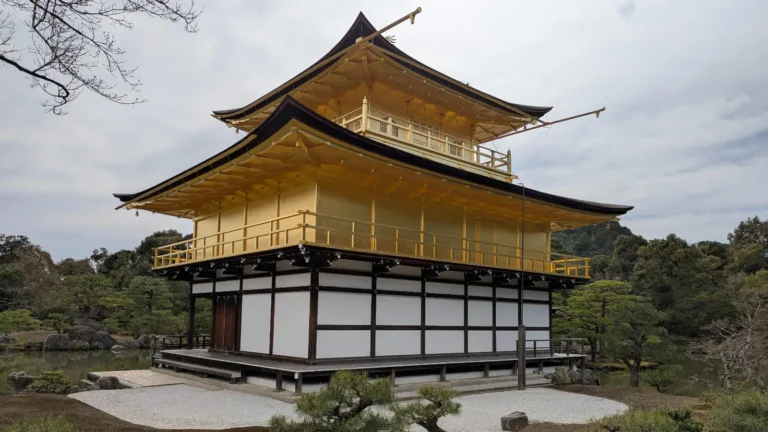
When you picture your trip, you might be imagining Golden Pavilions and Zen gardens. Your teen, however, is going to fall in love with something much grittier and more immediate.
If you ask a teenager what their favorite part of Japan was after they return home, they rarely say “the temples.” They say:
The “Konbini” (Convenience Store) Lifestyle
It is hard to explain until you are there, but Japanese convenience stores (7-Eleven, Lawson, FamilyMart) are the beating heart of teen travel. Back home, a convenience store is where you buy gas and stale gum. In Japan, it is a wonderland of high-quality onigiri (rice balls), fried chicken (Famichiki), weird candy, and anime tie-in products. Giving your teen a few thousand yen and letting them raid a Konbini for breakfast or a late-night snack creates a sense of ownership over their routine. It is low-stakes adventure at its finest.
Specialized “Micro-Neighborhoods”
Teens love that Japanese cities are broken up into distinct “tribes.”
- Do they love fashion and chaos? They have Harajuku, where the streets feel like a living runway.
- Are they gamers or anime fans? They have neighborhoods, Akihabara, dedicated entirely to their obsession.
- Do they want to see the future? They have the neon lights of Shinjuku or Shibuya. Instead of dragging them to a general “city center,” you can take them to the neighborhood that speaks their specific language.
The “Gachapon” and Vending Machine Culture
Teens are often cynical about souvenirs, but they are obsessed with Gachapon, rows of capsule toy machines found everywhere from train stations to dedicated halls in Ikebukuro or Tokyo Station. There is something addictive about the tactile nature of using coins to get a high-quality miniature, whether it’s a tiny intricate chair or a Pokémon figure. It turns a boring walk between sites into a scavenger hunt.
Trains as “Me Time”
This sounds counterintuitive, but teens often love the Shinkansen (Bullet Train) journeys. In a family car trip, they are trapped in the backseat with you. On a Japanese train, they have their own seat, their own tray table, their headphones, and a view of Mount Fuji flying by at 300km/h. It gives them a break from the family dynamic without actually leaving the family. It is a recharge period that prevents burnout.
The Family Fit Reality
Researching the endless details of a Japan family trip, from figuring out what to pack to managing your daily yen budget, is a massive undertaking that requires careful logistical preparation.
But here is the hidden trap most parents miss: all the practical preparation in the world won’t save your trip if your entire vacation hinges on the hope that “everyone will just cooperate”. If your plan collapses the moment someone gets overstimulated, it is built on hope, not capacity.
Removing the stress from this trip requires understanding exactly how your child processes a foreign environment. An Anchor needs you to pack specific familiarity tools to feel safe, and a Sensor needs you to plan for sensory overload before it happens. A Sprinter requires a strict physical energy budget to prevent exhaustion, while a Dynamo needs you to rewrite the standard rules of travel so they aren’t constantly being shushed in a culture that rewards stillness.
Stop guessing and discover exactly how your child’s energy is wired to travel. Before you finish your general planning, take the free, 60-second Family Fit Check to identify your family’s exact profile and unlock the personalized strategies that prevent daily meltdowns.
Where Japan Can Frustrate Teens (Honest Truths)
We love Japan, but we won’t lie to you: it is an exhausting country, especially for teenagers who are used to being driven everywhere.
If you read the forums, you see glowing reviews. But if you look closely at families having meltdowns in Kyoto stations, you usually see the same three friction points. Knowing them in advance changes them from “trip-ruiners” into “things we planned for.”
The “Urban Hiking” (The Step Count)
This is the number one complaint from teens: “Why are we walking so much?” In Japan, you don’t just walk for exercise; you walk to commute. It is normal to hit 15,000 to 20,000 steps a day just by doing basic sightseeing. For a teen who lives a sedentary school life, this physical load hits hard by Day 3.
- The LuNi Fix: You cannot skip the walking, but you can prepare for it. Do not let them bring “cool” sneakers that have no support. Proper footwear is the most important thing to pack. If their feet hurt, the trip is over.
“Temple Fatigue” is Real
The first temple is magical. The second is interesting. By the fifth temple, your teen will likely be checking Instagram while leaning against a 1,000-year-old gate. Japan is dense with history, and the temptation is to see it all. But dragging a teen from shrine to shrine is the fastest way to kill their enthusiasm. They generally prefer interactive experiences over passive sightseeing.
- The LuNi Fix: Follow the “One Temple Rule.” Pick one major historical site (ticketed entry) per day, and let the rest of the day be about modern exploration or food.
The “No Trash Can” Surprise
It sounds like a minor annoyance, but for a teen holding a sticky bubble tea cup, it is a crisis. Japan has almost no public trash cans. You are expected to carry your trash home with you. Teens, who are used to instant disposal, often find this maddening.
- The LuNi Fix: Bring a designated “trash ziplock” for your day bag, and warn them in advance so they don’t get grumpy carrying a wrapper for four hours. Look for bins next to vending machines (for bottles only) or inside convenience stores. train station platforms also usually have them.
The Heat (If You Travel in Summer)
If you are planning a trip in July or August, be warned: the humidity is oppressive. A moody teen becomes infinitely moodier when they are drenched in sweat and feeling gross.
- The LuNi Fix: If you must travel in summer, you need to structure your days differently, with plenty of indoor activities during the midday peak.

The Age Shift: Why Teens Experience Japan Differently Than Younger Kids
Parents often tell us, “I wish we had brought them when they were cute and little and loved Pokemon plushies.”
We tell them: Don’t worry. You didn’t miss the window. You just entered a better one.
Traveling with a 5-year-old is about management. You manage their snacks, their naps, and their emotions. You are the tour guide; they are the passenger. Traveling with a teen is about connection. The dynamic shifts from “caretaker” to “companion,” and Japan facilitates this shift better than almost anywhere else.
The “Shared Language” of Weirdness
When your kids are little, you have to explain the world to them. When they are teens, you can finally just look at something strange and laugh together. Japan is full of moments that are delightful, efficient, or just plain weird. Seeing a toilet with more buttons than a spaceship, or a robot serving coffee, or a silent crowd of thousands crossing Shibuya Crossing, these are moments you don’t need to “parent.” You just experience them side-by-side. That shift from teaching to sharing is powerful.
They Respect the “System”
Teens are at an age where they are starting to critically judge the world around them. They notice when things back home are broken, slow, or unfair. Japan fascinates teens because it is a society that works. They are often genuinely impressed by how the trains arrive to the second, how clean the streets are, and how safe it feels. It appeals to their developing sense of logic and fairness. It is often the perfect first international trip for this age group because it sets a high bar for what a functioning society looks like.
They Actually Remember It
This sounds obvious, but it matters. A trip to Japan is an investment, of time, money, and energy. A 5-year-old might remember “the ice cream.” A 15-year-old will remember the feeling of navigating a foreign city on their own for the rest of their life. You are building core memories that will survive into their adulthood.
What Works Best When Traveling in Japan with Teens
So, how do you actually structure the days? Here are the essential Japan teen travel tips we found to keep everyone happy.
Assign Them the Role of “Navigator”
This is the single best trick in the book. Instead of you leading the way like a mother duck, hand the responsibility to your teen. Japan’s train system is complex, but it is also essentially a giant logic puzzle. Teenagers, who are digital natives, are often much faster at deciphering Google Maps and finding the platform numbers than their parents are. Give them the IC Card (Suica or Pasmo), tell them the destination, and let them lead. It gives them a job, keeps them engaged, and stops them from just shuffling behind you staring at their shoes.
Respect the “Teen Clock” (The Late Start)
In a perfect world, you would wake up at 6:00 AM to beat the crowds at Fushimi Inari. In the real world, dragging a teenager out of bed at dawn is a recipe for a miserable day. Compromise is key here. Maybe you do one early morning for a specific site, but for the rest of the trip, accept a 9:30 AM or 10:00 AM start. Use the morning for your own quiet coffee time or a solo walk while they sleep. They will be happier, and you will enjoy the day more if you aren’t fighting a biological clock.
Book the Right “Base Camp”
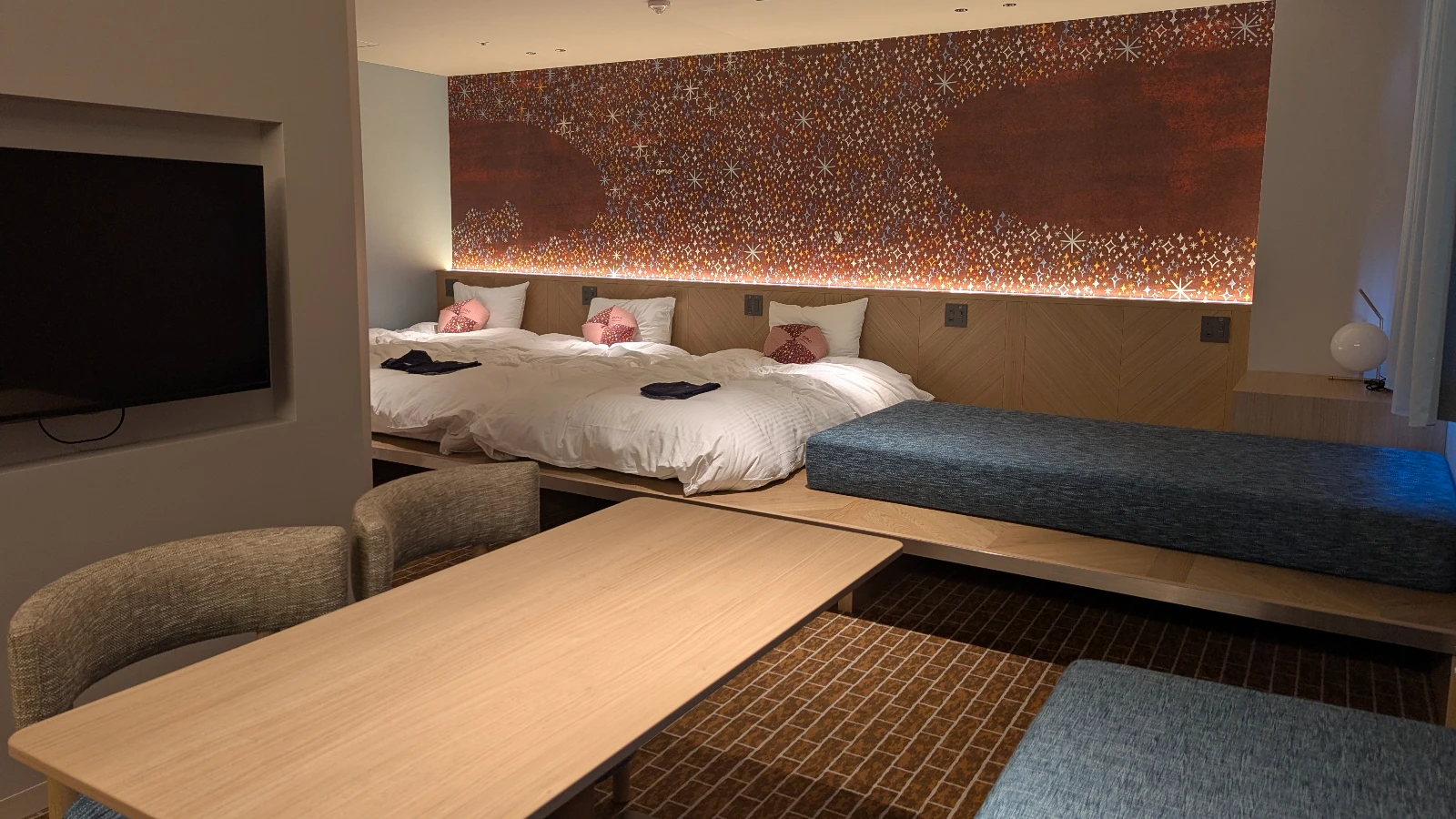
Japanese hotel rooms are notoriously small. Squeezing two parents and a moody 16-year-old into a 15-square-meter “Double Room” is a disaster waiting to happen. You need space to decompress. When booking, look specifically for “Apartment Hotels” (like Mimaru Suites) or hotels that offer connecting rooms. Having a physical door between you and your teen at the end of the day allows everyone to recharge their social batteries.
- See our top picks: Best Family Hotels in Tokyo and Best Family Hotels in Osaka.
The “Digital Tether” is Non-Negotiable
Do not try to make this a “digital detox” trip. For a teen, their phone is their connection to their friends and their sense of safety. Ensure you have high-speed Pocket WiFi or a data-only eSIM for them. More importantly, connectivity allows for freedom. If they have data, they can separate from you in a department store or check out a different shop and meet you back in 20 minutes without panic. That digital tether is what allows the physical independence.
- Read more on connectivity in our Planning Guide.
How Japan Supports Teen Independence (Without Losing Safety)
We often say that Japan allows you to “parent lightly.”
In many major cities around the world, you have to be constantly vigilant, watching for pickpockets, scanning for danger, and keeping your kids within arm’s reach. That level of hyper-vigilance is exhausting.
In Japan, the mental load drops significantly.
The “Free But Safe” Reality
Japan consistently ranks among the safest countries in the world. Theft is rare. Violence is exceptionally rare. This safety record means you can give your teen a leash that would feel irresponsible anywhere else. You can let them walk two blocks ahead of you. You can let them go into a shop and catch up with you later. This micro-independence is exhilarating for them. They feel like they are exploring the world on their own terms, but you have the peace of mind knowing the environment supports them.
The Systems are Logical (and in English)
Parents often worry, “What if they get lost?” The reality is that Japan wants you to find your way. Major signage in Tokyo, Osaka, and Kyoto is almost always in English. Train stations are color-coded and numbered. If your teen does get turned around, the “Koban” (Police Box) system is everywhere, and station staff are incredibly helpful. It is a system designed for clarity, which empowers teens to solve their own navigation problems.
Parent Insight: Why This Trip Feels Different at This Age
Why this age is surprisingly great. We hear the same feedback constantly from the families we help:
There is a specific moment that happens on a trip to Japan with a teen. It might happen on a train platform, or while ordering ramen from a ticket machine. You will look over and realize: I’m not entertaining them right now.
For years, family travel was about you being the cruise director. You carried the snacks, you planned the fun, you managed the moods. But in Japan, the environment does the heavy lifting. The city provides the stimulation. The culture provides the curiosity.
Suddenly, you are just… traveling together. You are comparing notes on the weird snack you just bought. You are both figuring out the map. You are companions. It is a glimpse into the relationship you will have with them as adults, and it is the single most rewarding part of the entire journey.
Who Japan with Teens Is Perfect For
This trip is a perfect fit if:
- Your teen is curious: They don’t need to be history buffs, but they should be willing to try a new snack or walk down a random alley.
- You want a mix of structure and freedom: You are comfortable letting them explore a shop for 20 minutes while you grab a coffee next door.
- You are ready to be a “peer” traveler: You are okay with your teen navigating the subway or suggesting a dinner spot you’ve never heard of.
Who Might Want to Plan Differently
You need to adjust your expectations if:
- You want a relaxed, low-step-count vacation: If your ideal trip involves lounging by a pool, urban Japan will be a shock. You will walk. A lot.
- The LuNi Fix: Build in dedicated “rest days” or spend time in a resort area like Miyako Island or Okinawa to break up the city intensity.
- You have a “Picky Eater” with zero flexibility: While Western food is available, constantly hunting for burgers can be exhausting.
- The LuNi Fix: Rely heavily on Convenience Stores (Konbini) which always have familiar staples like fried chicken and sandwiches.
FAQs: Traveling Japan with Teens
Here are answers to the most common logistical questions parents ask when planning a trip to Japan with teenagers, from safety concerns to WiFi.
A: While Japan is great for all ages, the “sweet spot” is often 12 to 16 years old. At this age, they are independent enough to explore a convenience store alone but still young enough to be excited by the pop culture and novelty without being “too cool” for everything.
A: Yes. Japan is consistently ranked among the safest countries in the world. It is very common to see Japanese children as young as six taking the subway alone. While normal street smarts are always required, the risk level is significantly lower than in the US or Europe.
A: Yes. Each traveler needs their own IC Card (Suica, Pasmo, or ICOCA) to tap through the gates; you cannot share one card. If they have a phone, you can often add a digital Suica directly to their wallet, which they love because they can pay with their phone.
A: Public WiFi in Japan can be spotty. We strongly recommend renting a Pocket WiFi for the family or getting a data-only eSIM for your teen’s phone. Having data is key to their independence, it allows them to use Google Maps and translation apps if they get separated from you.
A: Most teens prefer Tokyo DisneySea (unique to Japan and slightly “edgier” than Disneyland) or Universal Studios Japan (USJ) in Osaka for the Mario and Harry Potter areas. If your teen craves thrill rides, Fuji-Q Highland near Mt. Fuji is the best spot for world-record roller coasters.
How to Start Planning Japan with Teens
The hardest part is just figuring out where to start. Japan is huge, and the internet is full of conflicting advice.
Don’t try to book everything today. Start by exploring our City Guides to see which vibes match your teen’s interests:
- Start with Tokyo: The center of pop culture, neon, and endless exploration.
- Head to Osaka: Often voted the “best teen city” for its street food, grittier vibe, and Universal Studios Japan.
- Explore Kyoto: The cultural heart, but requires careful planning to avoid “temple fatigue.”
Need a roadmap?
If you want to see how this all fits together into a real schedule, look at our sample itineraries. They are built specifically to balance sightseeing with the downtime teens need.
View our Japan Family Itineraries
Final Thought: Why a Japan Family Vacation with Teens Is a Rare “In-Between” Trip
There is a short window of time where your kids are old enough to handle the world, but young enough to still want to see it with you.
Japan meets them exactly where they are. It offers them independence without the risk. It offers them culture without the boredom. It offers them an adventure that feels entirely their own.
It might just be the best trip you ever take together.
Stay curious, stay adventurous, and keep dreaming!
~ The LuNi Travels Family ~