
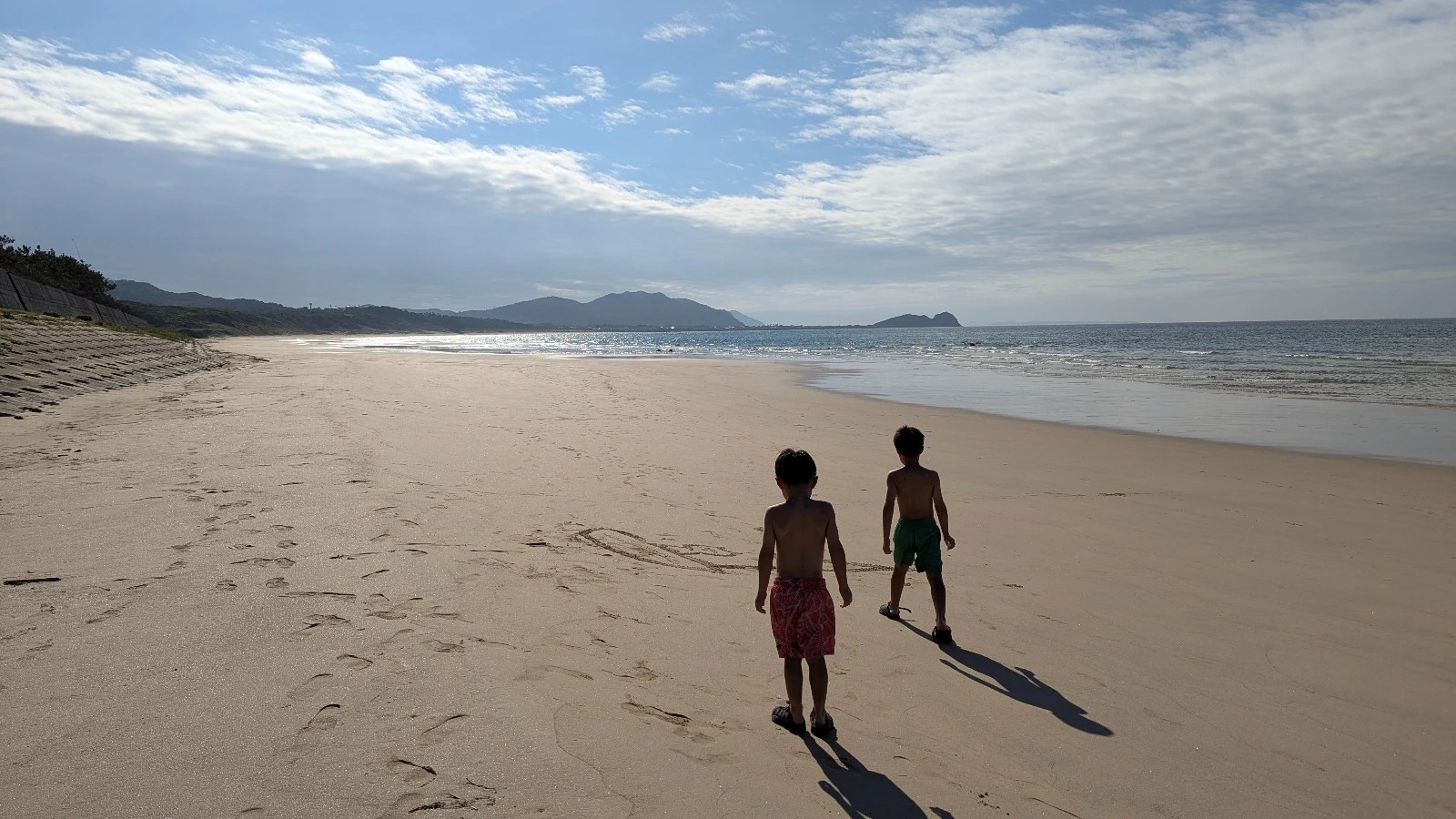
Planning a trip to Japan in summer with kids? Whether you are visiting in June, July, or August, this season offers a vibrant mix of energy, from festive matsuri nights to cooling beach days.
While many parents worry about the heat, Japan in summer is manageable with the right plan. This guide covers the best things to do (like splash parks and fireworks), essential weather tips to keep cool, and how to pace your itinerary so the humidity doesn’t slow you down.
Planning your Japan trip with kids? Start with our Japan Seasonal Family Guide for an overview of what each season offers, then use our Planning a Family Trip to Japan guide and the Japan Family-Friendly Travel Hub to map out where to go, how to get around, and what families should expect.
Japan Summer With Kids: At a Glance
|
What Parents Want to Know |
Quick Answer |
|---|---|
|
Best Time to Visit |
June for softer heat and fewer crowds; July for peak festivals; late August for slightly fewer tourists |
|
Weather |
Hot and humid with long days and strong sun, but very manageable with smart pacing |
|
Temperatures |
~20–28°C (68–82°F) in June; ~25–33°C (77–91°F) in July; ~27–35°C (81–95°F) in August |
|
Rain & Storms |
June to early July is rainy season (tsuyu); sudden showers happen; typhoons are possible late summer |
|
Crowd Levels |
Moderate to high, with the busiest stretch during Japanese school holidays and Obon (mid-August) |
|
Best Experiences |
Summer festivals and fireworks, beaches and water parks, evening strolls, indoor attractions mid-day |
|
Kid Comfort Level |
Best when you plan early mornings, indoor afternoons, and breezy evenings |
|
Packing Strategy |
Lightweight breathable clothes, sun protection, cooling tools, and rain gear for surprise showers |
|
Overall Family Feel |
Energetic, festival-filled, and magical at night, especially when the day follows a gentle rhythm |
Is Japan Worth Visiting in Summer with Kids?
Yes, Japan is worth visiting in summer with kids, especially for families who plan their days around the heat and embrace the season’s festivals, water play, and evening activities. While summer brings high temperatures and humidity, it also unlocks some of Japan’s most joyful family experiences, from fireworks festivals and lantern-lit streets to beaches, riversides, and shaded temple paths.
Summer in Japan follows a family-friendly rhythm: early mornings for outdoor exploration, afternoons for indoor museums or splash zones, and evenings filled with matsuri, street food, and performances that captivate kids of all ages. Long daylight hours give children more freedom to explore, while parents benefit from Japan’s reliable transportation, late-opening attractions, and abundant places to cool down.
For families who pace their days thoughtfully, Japan in summer feels energetic rather than overwhelming, offering a playful, culture-rich experience that many kids remember as the most fun season of all.
Parent Insight: Summer teaches kids an intuitive sense of rhythm, knowing when to splash, when to slow down, and when to simply enjoy the world glowing around them. In Japan, families call this evening pause 夕涼み (yūsuzumi), the act of stepping outside to cool off and savor the breeze at dusk. When parents lean into this gentle ritual, kids learn the value of pacing, presence, and finding calm inside even the most exciting days.
The Family Fit Reality
Researching the endless details of a Japan family trip, from figuring out what to pack to managing your daily yen budget, is a massive undertaking that requires careful logistical preparation.
But here is the hidden trap most parents miss: all the practical preparation in the world won’t save your trip if your entire vacation hinges on the hope that “everyone will just cooperate”. If your plan collapses the moment someone gets overstimulated, it is built on hope, not capacity.
Removing the stress from this trip requires understanding exactly how your child processes a foreign environment. An Anchor needs you to pack specific familiarity tools to feel safe, and a Sensor needs you to plan for sensory overload before it happens. A Sprinter requires a strict physical energy budget to prevent exhaustion, while a Dynamo needs you to rewrite the standard rules of travel so they aren’t constantly being shushed in a culture that rewards stillness.
Stop guessing and discover exactly how your child’s energy is wired to travel. Before you finish your general planning, take the free, 60-second Family Fit Check to identify your family’s exact profile and unlock the personalized strategies that prevent daily meltdowns.
Japan Summer Weather With Kids (Temperature, Rain, Humidity & What It Feels Like for Families)
Summer in Japan brings long days, bright sunshine, and high humidity, a season filled with festivals, beach days, and outdoor adventures, but also one that requires thoughtful pacing for families. From early June’s rainy season to August’s peak heat, understanding the weather helps parents plan cooler mornings, shaded breaks, and playful evenings that let kids enjoy summer safely and comfortably.
Japan in June with Kids
June marks the transition into summer and the start of tsuyu, Japan’s rainy season. Temperatures usually range from 20–28°C (68–82°F), with warm mornings and humid afternoons that sometimes bring gentle, lingering rain. For families, June feels like “soft summer”, warm but not overwhelming, with cooler breezes after rainfall and manageable humidity when exploring shaded parks or indoor attractions.
What it feels like for kids:
Kids may notice sticky air and damp hair, but they’re usually comfortable with lightweight clothing. Umbrellas and rain boots can even turn showers into part of the fun. Because rain comes in waves, families can still enjoy plenty of outdoor time between showers.
Japan in July with Kids
July is when true summer arrives. Temperatures rise to 25–33°C (77–91°F), and humidity climbs steadily throughout the month. Rain becomes less frequent as tsuyu ends, and sunny days become the norm. This is the start of festival season and the perfect time for water play, but also the moment parents need to pace outdoor activities carefully.
What it feels like for kids:
July feels bright, hot, and energetic. Kids warm up quickly, sweat more than usual, and may need extra water breaks. Morning activities and shaded afternoons work best, along with cool-down stops at aquariums, shopping centers, or splash parks.
Japan in August with Kids
August is the peak of Japan’s summer, the hottest and most humid part of the season. Temperatures can reach 27–35°C (81–95°F) or higher in major cities, and humidity often remains above 70–80%. It’s also the heart of summer vacation in Japan, with Obon week bringing travel crowds and lively festivals across the country.
What it feels like for kids:
August feels intense, like stepping into a warm, steamy bath the moment you go outside. Kids may tire faster, crave cold drinks, and seek air-conditioned breaks more often. With thoughtful pacing, early mornings, cooling towels, hydration, and late-evening outings, families can still enjoy the excitement of fireworks, night markets, and beach adventures.
To keep travel days easy no matter the weather, explore our Japan Train Tips, Luggage Transfer Guide, and Budget Family Travel Tips, three resources that help families stay comfortable, flexible, and stress-free.
Best Places to Visit in Japan in Summer with Kids
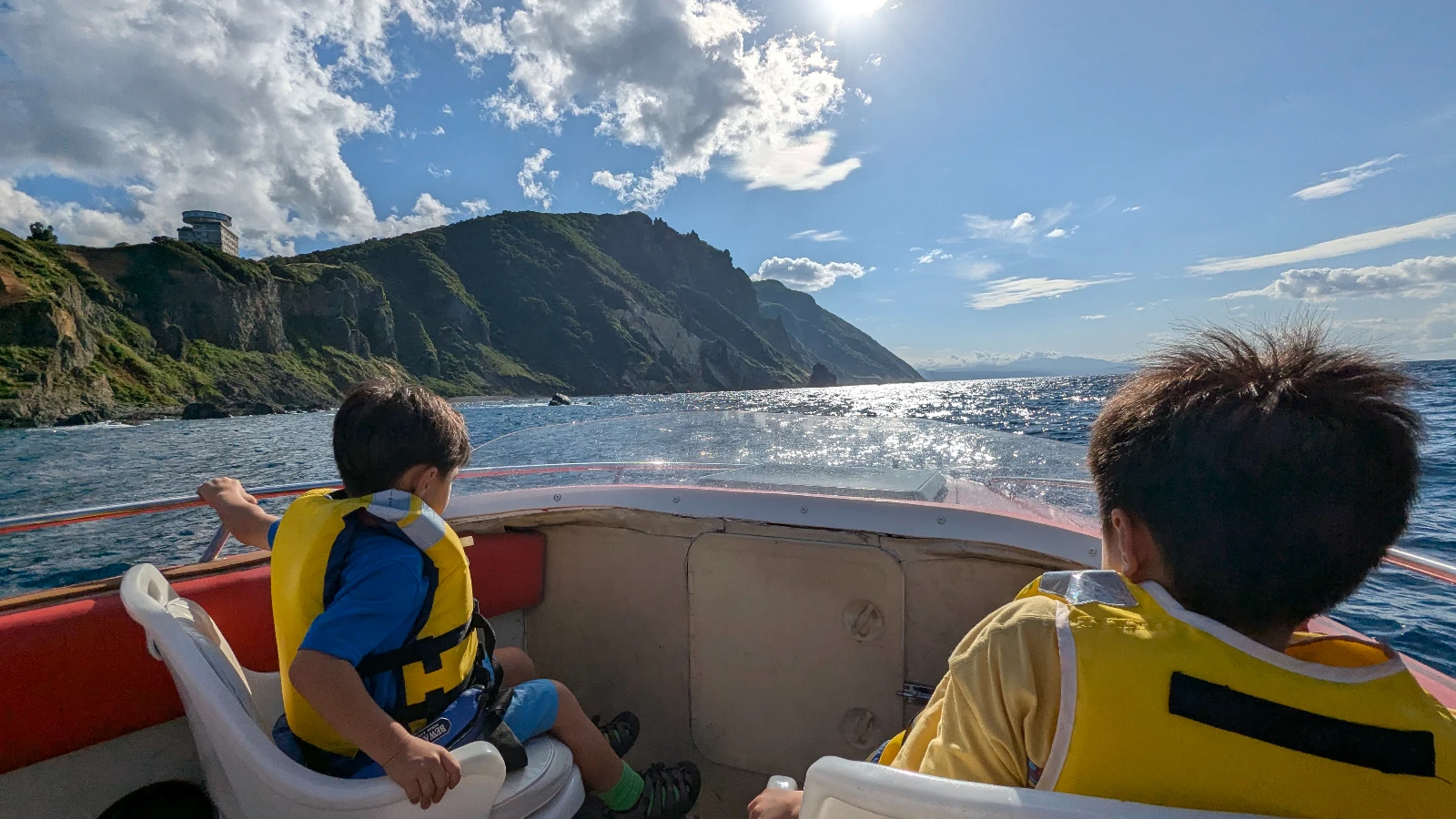
Summer transforms Japan into a playground of beaches, cool mountain escapes, festival-filled cities, and breezy coastal towns. While the heat can feel intense mid-day, mornings and evenings open up some of the most magical family experiences of the year, from lantern-lit streets to sparkling shorelines and shaded forest paths. These regions shine brightest in summer thanks to their access to water, cooler air, or vibrant seasonal celebrations that kids naturally love.
Tokyo in Summer with Kids
Tokyo in summer becomes a mix of sparkling coastlines, splash parks, evening festivals, and endless indoor escapes for cooling off. Families can spend mornings exploring kid favorites like Sumida Aquarium or Ueno Zoo, then head to nearby beaches in Kamakura or Enoshima for golden afternoons playing in the waves. Long evenings bring matsuri nights, fireworks shows, and riverside breezes that feel refreshing after a warm day.
Kyoto Summer Highlights for Families
Kyoto is filled with quiet forested shrines, breezy riverside paths, and traditional summer festivals that feel like stepping into another era. Early mornings are perfect for exploring Arashiyama’s bamboo groves or the cool moss gardens of temple complexes. Summer evenings glow with lanterns, local dancing, and seasonal food stalls, a gentle introduction to Japan’s cultural traditions.
Osaka Summer Fun with Kids
Osaka comes alive in summer with fireworks, riverfront breezes, and fun indoor attractions that help families beat the heat. Kids love the cool interiors of Osaka Aquarium, Kidzania, or Kids Plaza Osaka, while parents appreciate the city’s easy food options and lively summer atmosphere. Universal Studios Japan becomes a favorite spot for adventurous families, especially with cooler evenings extending park hours.
Okinawa Summer Beaches for Families
Okinawa is Japan’s tropical paradise, warm, clear waters, gentle waves, and family-friendly beaches framed by coral reefs. Many beach areas have shallow, calm sections ideal for younger kids, while older children can enjoy snorkeling, boat rides, and marine life encounters. Even the summer heat feels different here thanks to coastal winds and ocean breezes.
Hokkaido Summer Adventures with Kids
Hokkaido is Japan’s ultimate summer escape, offering cool temperatures, wide-open fields, and dramatic outdoor scenery. Families can enjoy lavender fields in Furano, gentle hikes, bike paths, wildlife parks, and lakes with refreshingly cool water. It’s a beautiful contrast to the heat of Honshu and ideal for nature-loving families.
Kamakura & Enoshima Family Beaches in Summer
Just an hour from Tokyo, Kamakura and Enoshima offer the perfect summer pairing of beaches, shrines, and nature. Families can spend mornings swimming or building sandcastles, then explore shaded temple paths, island caves, or breezy coastal viewpoints. The combination of culture & coastline makes this region particularly kid-friendly.
Fukuoka in Summer with Kids
Fukuoka shines in summer with seaside parks, calm beaches, and wide-open spaces like Ohori Park, perfect for biking, picnics, and paddleboats. Evenings bring food stalls (yatai), breezy strolls, and summer events along the waterfront. For families wanting a lighter, more relaxed version of Tokyo or Osaka, Fukuoka is an excellent choice.
Nagano Summer Escapes for Families
Nagano offers crisp mountain air, lakes for swimming or paddleboarding, and shaded forests perfect for mid-summer exploring. With cooler temperatures and tons of nature activities, it’s one of the easiest places for families to escape the heat while staying close to central Japan.
Ready to explore these destinations in more detail? Visit our Tokyo, Kyoto, Osaka, Hiroshima, Fukuoka, and Yokohama Family Travel Guides for the best neighborhoods, family tips, and age-friendly experiences in each city.
Luca & Nico’s Tip: Every region in Japan has a “cool-down spot,” the place where kids can feel the breeze the moment they step into it, a shady shrine corridor, a riverside rock, or a spot where ocean wind rushes through. Make it your family mission to find the coolest-feeling place in every city you visit!
Best Things to Do in Japan in Summer with Kids
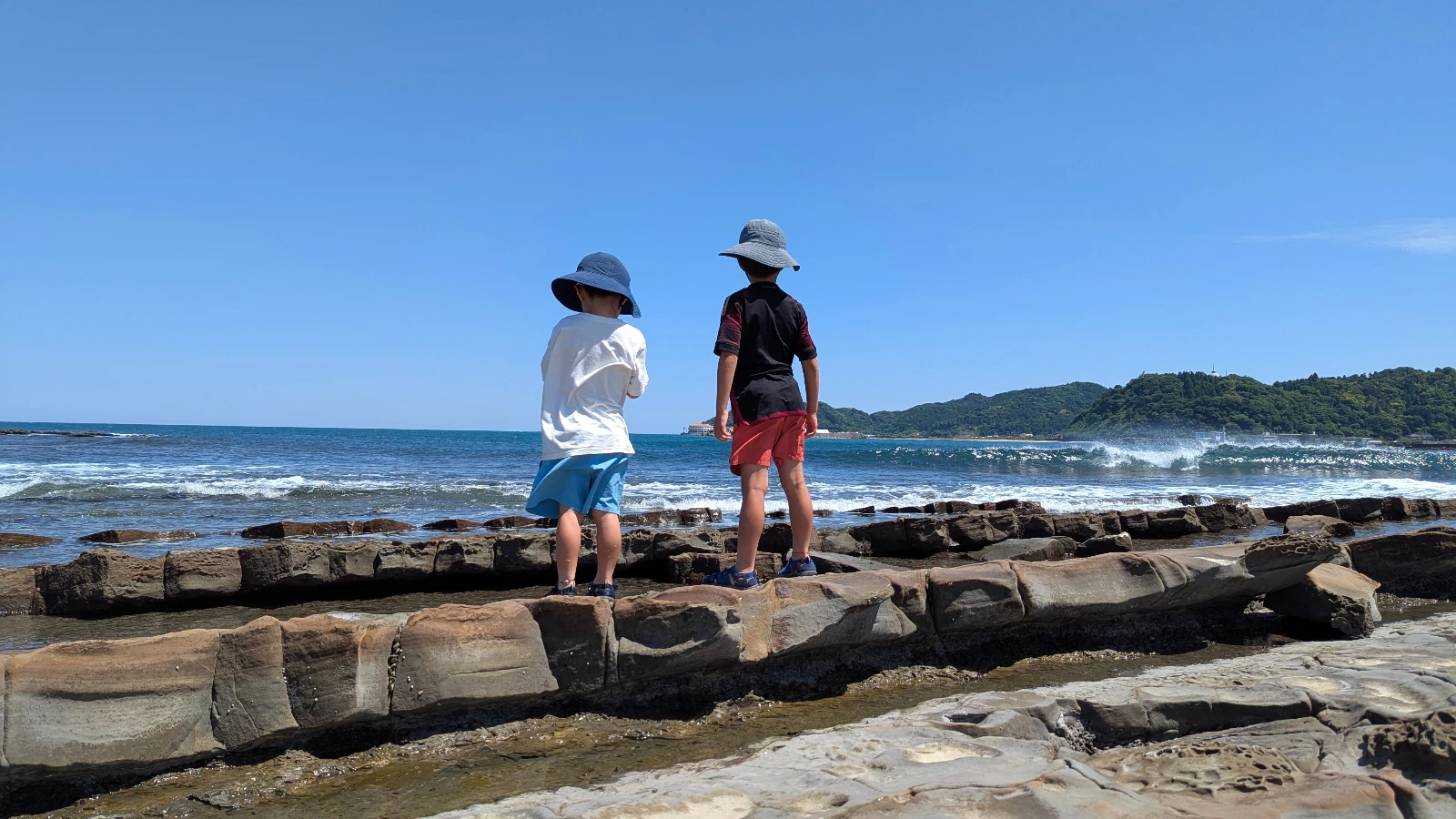
Summer in Japan is a season of bright mornings, breezy evenings, and vibrant festivals that turn entire neighborhoods into storybook scenes. Families can spend their days swimming in calm beaches, exploring cool forests, splashing through water parks, or discovering air-conditioned museums with dazzling kid-friendly exhibits. As the sun sets, lanterns flicker to life, fireworks bloom across the sky, and streets fill with music, food stalls, and dancing, a nighttime playground that feels magical for kids of all ages.
Below are the best summer activities for families, blending iconic seasonal experiences with easy, practical ideas that keep kids cool, happy, and engaged throughout the hottest months.
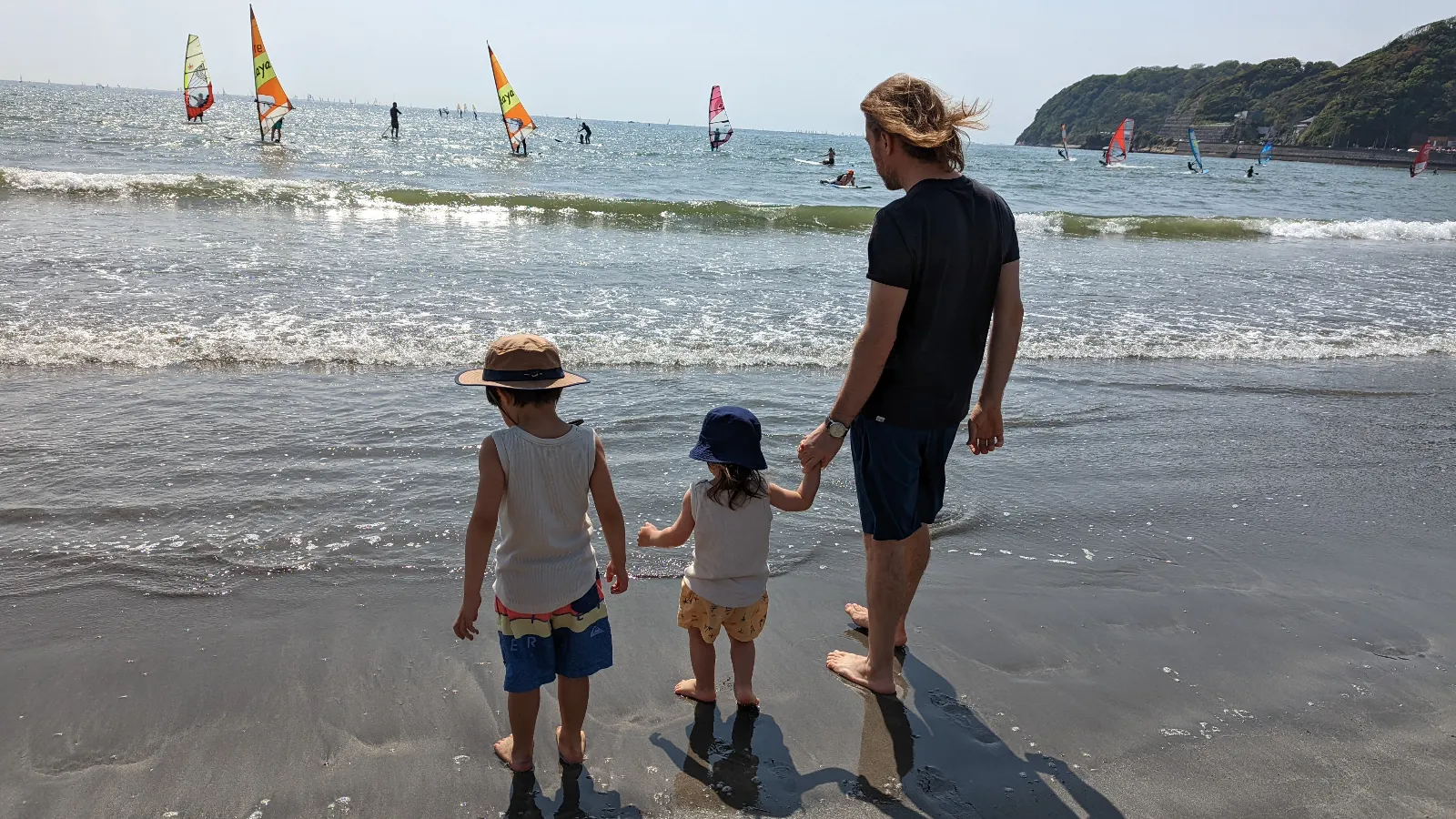
Cool Off at Family-Friendly Beaches – Swim, build sandcastles, and enjoy gentle waves at beaches in Enoshima, Kamakura, Okinawa, or Hokkaido’s lakes. Calm shorelines and shallow sections make these ideal for toddlers and first-time swimmers.
Explore Water Parks, Splash Pads & River Play Spots – Tokyo Summerland, Nagashima Spa Land, and local municipal splash parks offer instant heat relief. River areas like Nagano’s Sai River or Chikuma River, or Kyoto’s Kamogawa shallows become natural playgrounds for kids to dip their feet and cool down.
Enjoy Summer Fireworks Shows (Hanabi Taikai) – Huge firework displays light up cities like Tokyo, Osaka, and Yokohama. Kids love the bright colors, festival stalls, and the excitement of staying up past bedtime on warm summer nights.
Experience Evening Festivals (Matsuri) – Summer matsuri like Gion, Awa Odori, Tanabata, and countless local celebrations offer lantern-lit streets, traditional dance, taiko drumming, and kid-friendly foods like shaved ice and yakitori.
Visit Aquariums & Indoor Summer Favorites – Cool, air-conditioned breaks at Osaka Aquarium Kaiyukan, Sumida Aquarium, Miraikan, and teamLab spaces give families refreshing downtime during the hottest hours.
Discover Mountain Escapes & Lakeside Adventures – Head to Nagano, Hakone, or Hokkaido for cooler air, easy hikes, cable car rides, canoeing, or simple forest walks. These areas are perfect for letting kids explore outdoors without the intensity of city heat.
Take a Day Trip to Coastal Towns Near Tokyo or Osaka – Kamakura, Enoshima, Awaji Island, or Wakayama offer breezy ocean views, island shrines, caves, and boardwalk snacks. It’s an easy mix of culture & coastline in one family-friendly outing.
Visit Flower Parks & Lavender Fields – Hokkaido’s Furano lavender fields and summer flower gardens burst into color in July and August. Wide paths and open spaces make them perfect for slow family walks and photos.
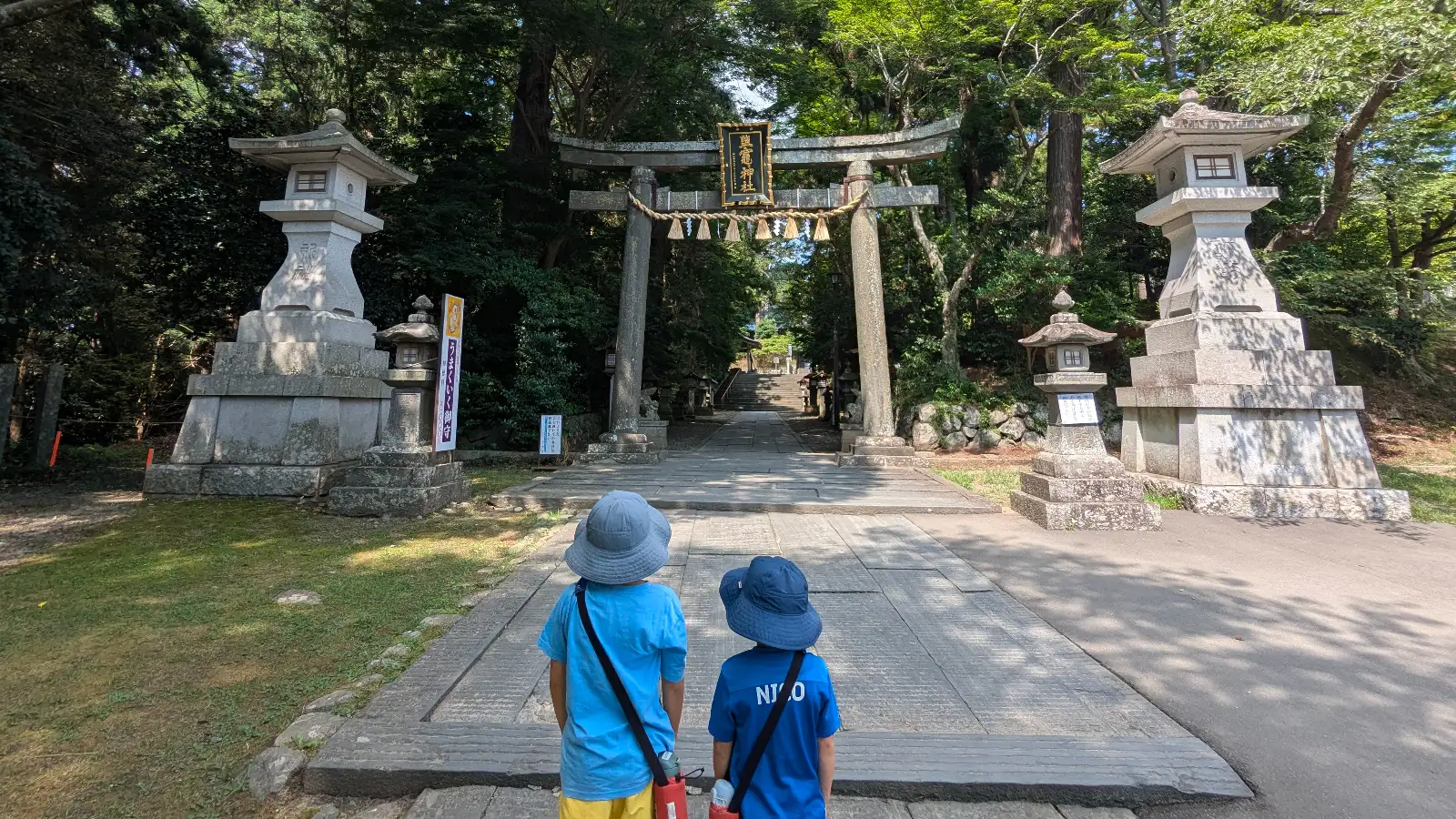
Explore Shaded Temples & Forested Shrines in the Morning – Shrines like Meiji Jingu, Fushimi Inari, and Kifune Shrine offer natural shade and cooler air beneath the trees, creating peaceful, sensory-friendly morning moments for kids.
Enjoy Kakigori (Japanese Shaved Ice) – Kids love this summer treat, fluffy ice drizzled with syrup, fruit, or condensed milk. Finding the “best kakigori” becomes an easy, fun mission in every new city.
Join Traditional Summer Activities – Try goldfish scooping, fan-painting booths, yukata rental, or lantern-making workshops often available at local festivals or summer cultural centers.
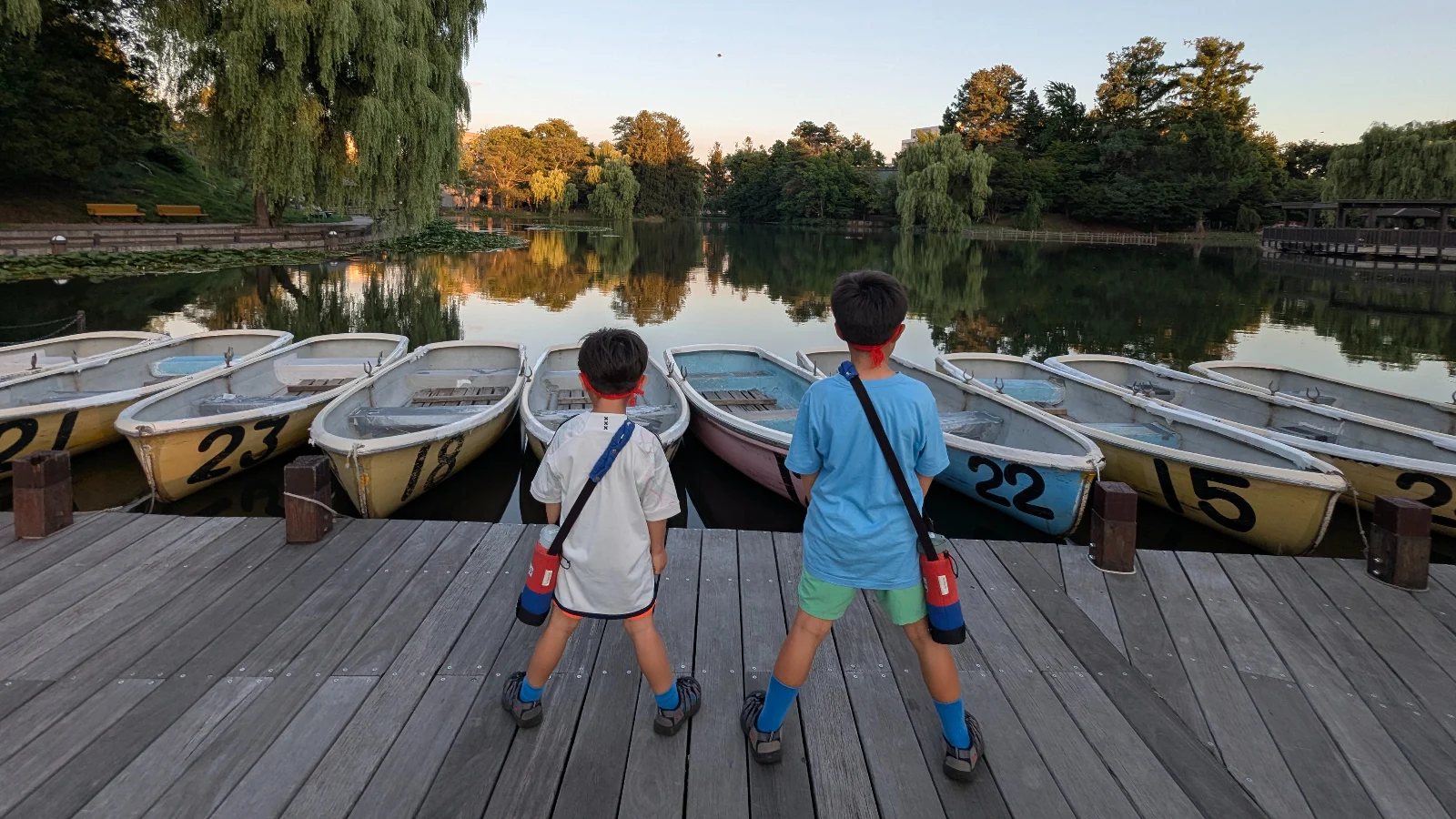
Ride Riverboats & Bay Cruises at Sunset – Tokyo’s Sumida River, Osaka’s Okawa River, and Fukuoka’s bay cruises feel magical in the warm evening breeze.
Visit Family-Friendly Museums & Science Centers – Perfect for hot afternoons: Miraikan, Kids Plaza Osaka, the National Museum of Nature and Science, and small local discovery museums designed for hands-on summer learning.
Walk Through Night Markets & Food Stall Streets – Evening yatai (food stalls) in Fukuoka or summer night markets across Japan offer easy finger foods, festival games, and lively, colorful streets that kids enjoy at their own pace.
Explore Botanical Gardens & Firefly Viewing Spots – In early summer, fireflies glow in places like Nara, Kyushu, and parts of Tokyo’s outer parks. Botanical gardens also offer shaded areas for slow exploration.
Try Early-Morning or Evening Bike Rides – Cooler hours make biking along river paths in Kyoto, Fukuoka, or around lake areas the perfect mix of gentle activity and summer breeze.
For even more ideas, browse our full Japan Attractions With Kids guide, explore Japan’s Best Aquariums and Zoos, discover the country’s Top Theme Parks for Families, or find something unexpected in Hidden Gems in Japan with Kids.
Best Beaches, Water Parks & Swimming Spots in Japan for Kids
Summer in Japan is all about water, ocean waves, calm island shores, shimmering lakes, splash parks, and massive water parks that feel like full-day playgrounds for families. Whether you want a relaxing beach day, a cooling break from city heat, or a big adventure with slides and wave pools, Japan offers endless swimming spots designed with kids in mind. These are the best places across the country to cool down, unwind, and make the most of summer with little travelers.
Tokyo & Kanto Region Beaches for Families
Enoshima & Shonan Beaches (Kanagawa)
Just an hour from Tokyo, these beaches offer gentle waves, wide sands, and a lively summer atmosphere.
Why it’s great for kids: Calm water, easy food options, beach rentals, showers, and lots of nearby attractions like Enoshima Island and the aquarium.
Kamakura Beaches (Kanagawa)
Yuigahama and Zaimokuza beaches provide shallow areas perfect for families.
Why it’s great for kids: Soft sand for play, lifeguards in peak season, and shaded rest areas available nearby.
Odaiba Seaside Park (Tokyo)
A sandy, calm waterfront area ideal for toddlers, though swimming is prohibited.
Why it’s great for kids: Great for sand play, stroller-friendly promenade, and tons of indoor cooling options (Legoland Discovery Center, malls, restaurants).
Okinawa: Best Family Beaches in Japan
Emerald Beach (Okinawa Main Island)
Part of the Ocean Expo Park, this beach has three zones: swimming, relaxing, and viewing.
Why it’s great for kids: Calm water, lifeguards, changing rooms, shaded rest huts, and the Churaumi Aquarium right next door.
Zanpa Beach
Long sandy stretch with clear water and gentle waves.
Why it’s great for kids: Safe swimming areas, water-toy rentals, and nearby shade options.
Maehama Beach (Miyako Island)
One of Japan’s most beautiful beaches, shallow, warm, and incredibly clear.
Why it’s great for kids: Soft sand, shallow water, minimal waves, perfect for younger swimmers.
Nirai Beach
Family-oriented resort beach with supervised swimming.
Why it’s great for kids: Shade tents, lifeguards, float rentals, and smooth entry into the water.
Kansai Region Beaches & Coastal Spots
Suma Beach (Kobe)
An easy beach day from Osaka, with wide sandy areas.
Why it’s great for kids: Facilities, convenience stores, lockers, and an active but family-friendly summer vibe.
Wakayama Beaches (Shirahama)
Famous for its soft, white sand and gentle shoreline.
Why it’s great for kids: Calm waters, plenty of space, and easy access to shade, food, and family-oriented facilities.
Hokkaido: Cooler Summer Swimming for Kids
Lake Toya
Warm enough for swimming on sunny days, surrounded by mountains.
Why it’s great for kids: No waves, safe shallow entry, and cooler air for comfortable summer play.
Shikotsu Lake
Crystal clear water known for its refreshing temperature.
Why it’s great for kids: Canoeing, paddleboarding, and clean water perfect for older kids eager for adventure.
Otaru & Ishikari Beaches
Great ocean swimming with fewer crowds than mainland beaches.
Why it’s great for kids: Lifeguards during peak season, snack huts, and lots of open space.
Nagano & Mountain Lakes for Summer Cooling
Lake Suwa
A popular spot for paddleboarding.
Why it’s great for kids: Gentle water, beautiful scenery, and cooler temperatures compared to major cities.
Lake Aoki
Clear, emerald-colored water that stays comfortable in summer.
Why it’s great for kids: Calm, quiet, ideal for families who prefer a relaxing, nature-first swimming day.
Major Water Parks in Japan for Families
Tokyo Summerland (Tokyo)
One of Japan’s biggest summer attractions with indoor/outdoor pools, rivers, and waterslides.
Why it’s great for kids: Indoor zones for midday heat, tons of slides, shaded seating, and stroller-friendly paths.
Nagashima Spa Land Water Park (Mie)
Huge wave pools, kids’ zones, lazy rivers, and waterslides.
Why it’s great for kids: Something for every age, from toddler pools to thrilling slides for older kids.
Spa World (Osaka)
Indoor and outdoor swimming areas with themed zones.
Why it’s great for kids: Indoor air-conditioned relief & playful themed pools.
For more coastline inspiration, see our guides to Tokyo’s Best Beaches for Kids, Fukuoka’s Best Beaches for Families, and our deep-dive Miyakojima Family Travel Guide for turquoise Okinawan waters.
How to Handle Japan’s Summer Heat with Kids (Hydration, Sunscreen, Breaks)
Summer in Japan is full of energy, bright mornings, festival nights, and long daylight hours, but it also comes with intense heat and humidity that require thoughtful planning for families. With the right rhythm, kids stay comfortable, parents stay relaxed, and every day becomes a balance of adventure and cool-down moments. These tips are designed specifically for families visiting Japan in July and August, when temperatures peak and shade becomes your best friend.
To help plan your heat-conscious afternoons, explore our guides to the best indoor activities in Tokyo, Osaka, Kyoto, Fukuoka, Kobe, ideal for avoiding peak summer temperatures with kids.
Prioritize Hydration All Day in Japan’s Summer Heat
Japan’s humidity makes kids sweat quickly, even during light walking.
- Carry reusable water bottles and refill often.
- Encourage small, frequent sips.
- Look for ion drinks like Pocari Sweat at vending machines.
Apply High-SPF Sunscreen Generously for Strong UV Days
UV levels are intense in summer, especially near water.
- Use SPF 50+, water-resistant sunscreen.
- Reapply every 90 minutes or after swimming.
- Protect necks, ears, and the tops of feet.
- Bring a sun hat or neck-flap hat for kids.
Plan Outdoor Activities for Early Mornings & Evenings
Mornings are cooler; evenings bring breezes, fireworks, and enjoying the cool dusk air.
Best daily rhythm:
- Morning: Parks, beaches, shrines, walks
- Afternoon: Indoor museums, aquariums, cafés, splash pads
- Evening: Festivals, river strolls, coastal walks
Use Cooling Gear to Keep Kids Comfortable in Japan’s Heat
Convenience stores sell affordable cooling tools. A quick stop inside an air-conditioned store can reset overheating kids.
- Cooling towels
- Portable stroller fans
- Ice packs or gel packs
- UV umbrellas
- Cooling sprays or wipes
Take Advantage of Japan’s Indoor Spaces During Hot Afternoons
Afternoons are the toughest part of the day, go indoors. Think of indoor breaks as part of the plan, not an interruption.
- Aquariums (Sumida, Osaka Kaiyukan)
- Museums (Miraikan, Kids Plaza Osaka)
- Shopping centers with play zones
- Indoor playgrounds or arcades
Dress Kids in Lightweight, Breathable Summer Clothing
- Choose quick-dry fabrics
- Avoid dark colors
- Pack extra shirts for midday changes
- Use rash guards at beaches
Fresh clothes help kids reset during humid days.
Know the Early Signs of Overheating in Kids
Watch for: flushed cheeks, dizziness, unusual quietness, loss of appetite, or suddenly not sweating.
If you notice any, take immediate shade and hydration breaks.
Build ‘Cooling Moments’ Into Every Summer Day
Short, frequent cool-down breaks work best. A steady rhythm of small cool-downs prevents heat fatigue.
- Shade at shrines
- Cold drinks from vending machines
- Splash pads
- Kakigōri (shaved ice)
- Breezy river or bay cruises
Use Japan’s Reliability to Support Heat-Safe Travel
Japan’s infrastructure helps families stay cool. These built-in comforts make summer travel with kids manageable and enjoyable.
- Air-conditioned trains and stations
- Shaded parks
- Frequent convenience stores
- Smooth transfers between attractions
Summer in Japan becomes wonderfully kid-friendly when the day follows a gentle rhythm of play, rest, cool-downs, and evening breezes. With these tips, families can enjoy the season’s excitement safely while creating warm, joy-filled memories together.
What to Pack for Japan in Summer with Kids (Clothing, Gear & Essentials)
Packing for Japan in summer is all about staying cool, protected, and comfortable as temperatures rise and humidity builds. Days are long, sun is strong, and the mix of outdoor adventures and air-conditioned indoor spaces means families need lightweight layers, smart sun gear, and a few heat-friendly tools that make a huge difference for kids. Here’s everything parents should bring to keep summer travel smooth, safe, and enjoyable. If this is your first international trip to Japan with kids, summer takes a bit more planning to pack for, but the right clothing, sun protection, and cooling gear make a huge difference in daily comfort.
Clothing Essentials for Japan’s Hot & Humid Summer
- Lightweight, Breathable Tops – Choose quick-dry fabrics, loose cotton shirts, and moisture-wicking materials that help kids stay comfortable in the heat.
- Shorts & Quick-Dry Bottoms – Light shorts, skorts, and airy pants are ideal. Avoid heavy fabrics that trap heat.
- UV Shirts & Rash Guards – Perfect for beaches, water parks, and outdoor days. They minimize sun exposure and dry quickly after water play.
- Sun Hats with Neck Protection – Wide-brim or flap hats help shield little faces and necks during peak sun hours.
- Light Pajamas – Nights stay warm, lightweight sleepwear helps kids rest comfortably even in air-conditioned rooms.
Sun Protection & Weather-Proofing Gear for Summer Travel
- High-SPF Sunscreen (SPF 50+) – Bring sweat-resistant sunscreen and reapply every 1–2 hours. Japanese brands are widely available but often come in smaller bottles.
- Sunglasses for Kids – UV protection is important, especially at beaches and high-sun locations.
- UV Umbrella – Helpful for shade during long walks, shrine grounds, and urban exploring.
- Compact Rain Gear – June and early July bring sudden showers. Pack:
- A small umbrella
- A light, breathable rain jacket
- A stroller rain cover
Cooling Essentials That Make a Big Difference in Japan’s Heat
- Cooling Towels – Wet, wring, snap, these stay cool for hours and are life-saving during long days out.
- Portable Stroller Fan – Especially helpful for naps, long walks, and crowded summer events.
- Electrolyte Packets or Ion Drinks – Japan sells Pocari Sweat and Aquarius everywhere, but having kid-friendly electrolyte packets ensures you’re never without.
- Cooling Wipes or Mist Sprays – Convenience stores sell excellent cooling wipes, perfect for quick refreshes.
- Ice Packs or Cool Gel Packs – Slip one into a neck wrap or stroller seat for relief during peak heat.
Swim & Water Play Gear for Kids in Summer
- Swimsuits & Rash Guards – Kids will likely swim more often than expected, beaches, splash parks, hotels, and water parks.
- Water Shoes or Beach Sandals – Prevent slipping on wet surfaces and protect little feet from hot sand or pebbles.
- Compact Beach Towel or Quick-Dry Towel – Lightweight and easy to pack.
- Waterproof Phone Case – Useful for pool days, beach days, and river play.
Everyday Family Essentials for Summer in Japan
- Reusable Water Bottles – Hydration is non-negotiable in summer. Japan has refill points, vending machines, and convenience stores everywhere.
- Snacks for Quick Energy – Perfect for long festival evenings or active beach days. Convenience stores offer endless options, but packing a few familiar snacks can help.
- Small First Aid Kit – Include bandages, antiseptic wipes, blister patches, and heat rash cream (Japan sells excellent options if needed).
- Lightweight Backpack or Crossbody Bag – Keeps hands free for chasing kids or carrying water.
- Portable Battery Pack – Summer days are long, and maps + photos drain batteries quickly.
Stroller & Baby Gear for Japan’s Summer Weather
- Lightweight, Breathable Stroller Fabric – If possible, choose a stroller with mesh ventilation panels.
- Stroller Fan & Rain Cover – Both essential in summer, one for heat and one for sudden showers.
- Sun Shade Extension – Helpful for naps outdoors.
- Baby Carrier with Breathable Mesh – Useful for shrines, crowded festivals, and beach boardwalks.
Summer Items Parents Often Forget to Pack
- Extra shirts for sweaty kids
- Spare socks (feet get hot and humid fast)
- Laundry detergent sheets for quick bathroom sink washes
- Mosquito repellent (especially for evenings and parks)
- Zip-lock bags for wet swimsuits
- Waterproof cardholder for beach days
- Small towel for sweat (Japanese tenugui are perfect)
Packing smart for Japan’s summer keeps kids happy, cool, and energized, turning hot, busy days into relaxed, memory-filled adventures. With the right essentials, families can comfortably enjoy beaches, festivals, parks, rivers, and the full excitement of Japan’s warmest season.
Japan in Summer with Kids: 3, 5 & 7-Day Family Itineraries
Summer in Japan is all about finding the right rhythm, active mornings, cool indoor breaks in the afternoon, and long, breezy evenings filled with parks, fireworks, and summer festivals. These sample itineraries help families balance outdoor fun with heat-smart planning, making each day playful and comfortable for kids across all ages. Whether you’re staying in one city or exploring multiple regions, these routes highlight the best summer experiences Japan has to offer.
3-Day Japan Summer Itinerary with Kids (Tokyo and Water Play)
Perfect for families wanting a short, fun-filled summer break with a mix of beaches, cool indoor spots, and festival evenings.
|
Day & Area |
Family-Friendly Highlights |
|---|---|
|
Day 1 |
Morning: Explore Sumida Aquarium or teamLab Planets (air-conditioned and stroller-friendly). |
|
Day 2 |
Morning: Visit Senso-ji Temple early before the heat builds. |
|
Day 3 |
Morning: Train to the coast for a relaxed beach day with shallow waves, soft sand, and shaded areas. |
For more step-by-step planning, check out our 3-day family itineraries for Tokyo, Kyoto, Osaka, Fukuoka, and Kobe.
5-Day Japan Summer Family Itinerary (Tokyo to Beach or Mountain Escape)
Ideal for families balancing city fun with a cooler or breezier second destination.
|
Day & Area |
Family-Friendly Highlights |
|---|---|
|
Day 1 |
Arrive and settle in, then enjoy a breezy waterfront walk in Odaiba. |
|
Day 2 |
Morning: Walk through Ueno Park while temperatures are still cool. |
|
Day 3 |
Choose your summer base: |
|
Day 4 |
Morning: Swimming, hiking, or exploring shaded outdoor paths. |
|
Day 5 |
End your trip with a summer matsuri, fireworks show, or a quiet lakeside or seaside stroll. |
For families wanting an extended journey, our 10-day Japan Itinerary & 2-Week Japan Itinerary with Kids provide expanded routes.
7-Day Japan Summer Itinerary for Families (Tokyo to Hakone or Nagano to Osaka/Kyoto)
The best mix of coastline, mountains, culture, and kid-friendly summer fun.
|
Day & Area |
Family-Friendly Highlights |
|---|---|
|
Day 1 |
Keep it simple with an easy evening park walk, cool drinks, and an early family-friendly dinner. |
|
Day 2 |
Stay cool indoors mid-day at a Tokyo aquarium, then enjoy coastal breezes during an Odaiba sunset walk. |
|
Day 3 |
Explore Senso-ji Temple early, take a Sumida River cruise, and finish with a matsuri or nighttime food market. |
|
Day 4 |
Hakone option: Pirate ship cruise, ropeway, and lake breezes. |
|
Day 5 |
Hike easy shaded paths, visit lakeside beaches, or explore open-air museums at a relaxed pace. |
|
Day 6 |
Osaka: Aquarium, Kids Plaza Osaka, and riverfront breezes. |
|
Day 7 |
End with hanabi (fireworks) or a family-friendly summer matsuri, a perfect, high-energy finale for kids. |
Once you’ve decided when to visit Japan, choosing the right place to stay is just as important for a smooth family trip. Our Ultimate Guide to Family Hotels in Japan breaks down the best family-friendly accommodations across the country, and we also have dedicated hotel guides for Tokyo, Kyoto, Osaka, Fukuoka, and Kobe, so you can match your seasonal itinerary with the most convenient and comfortable base for your family.
Japan Travel Costs in Summer for Families
Summer is one of Japan’s most vibrant seasons, filled with festivals, fireworks, beaches, and long days of family-friendly activities. It’s also a period with noticeable price fluctuations, especially around school holidays and the mid-August Obon travel week. The good news is that Japan offers plenty of free or low-cost summer fun, from beaches and riverside play to festivals that cost nothing to attend, making it easy for families to balance their budget without sacrificing memorable experiences.
Below is a clear breakdown of what parents can expect when planning a summer trip.
Flights in Summer (Higher in Late July & Mid-August)
Flight prices vary widely, with the biggest spikes tied to school holidays. For peak dates, book 4–6 months in advance to secure reasonable rates.
Best value periods:
- June (outside rainy-season weekends)
- Early July (before summer break begins)
Most expensive periods:
- Late July–early August (school holidays)
- Obon Week (August 10–18) – one of Japan’s priciest travel windows
Hotels in Summer (High Season Near Beaches & Festivals)
Hotel pricing is heavily location-dependent in summer.
Higher rates near:
- Coastal regions (Enoshima, Kamakura, Okinawa, Shirahama)
- Festival/firework cities (Tokyo, Osaka, Kyoto, Sendai)
- Popular mountain escapes (Hakone, Karuizawa, Nagano)
Highest prices:
- July 20 – August 20
- Obon Week (peak surge)
Better value periods:
- June
- Late August
- Mountain regions, where availability is higher
Ways families save:
- Stay near but not directly in major beach towns
- Choose business hotels with family rooms
- Book multi-night stays for discounts
Transportation in Japan (Stable Year-Round for Families)
Transportation costs remain one of the most predictable parts of summer travel.
Stable prices include:
- Subway and bus fares
- JR line ticket prices
- Shinkansen (bullet train) fares
- Ferries and cable cars
What changes:
- Families may choose more trains or indoor transfers to stay cool
- Crowds, especially during Obon and large festivals, not the price
Attractions & Activities in Summer (Mostly Stable, Some Seasonal Costs)
Most major attractions keep prices the same throughout summer, including:
- Shrines
- Temples
- Museums
- Aquariums
- Theme parks
Possible summer-specific costs:
- Water parks (Tokyo Summerland, Nagashima Spa Land) may have seasonal pricing
- Beach amenities (shade tents, lockers, rentals)
- Fireworks festivals sometimes offer paid reserved seating
Free or low-cost summer highlights:
- Beaches
- Rivers and lake swimming
- Public splash parks
- City-run pools
- Matsuri (summer festivals)
- Hanabi (fireworks)
Food & Snacks for Family Travel in Summer
Food remains one of the most budget-friendly parts of summer travel. Prices are the same year-round, and convenience stores are lifesavers on hot days.
Kid favorites include:
- Kakigōri (shaved ice)
- Festival snacks
- Cold noodles (somen, hiyashi chūka)
- Fresh fruit drinks
- Convenience-store meals and treats
Seasonal Considerations That Affect Family Budgets in Japan
Obon Week (Early–Mid August)
- Heavy crowds
- Higher hotel prices
- Advance bookings essential
- Incredible fireworks and festival energy
Beach Weekends (Late July–August)
- Higher prices for rentals (tents, chairs, lockers)
- Restaurants near beaches crowd quickly
- Coastal hotels sell out first
Heat Strategy = Cost Strategy
Families tend to:
- Spend mornings outdoors (free)
- Choose indoor attractions in the afternoon (paid)
- Enjoy free nightly festivals or fireworks
This rhythm helps keep spending balanced while maximizing fun.
Japan Summer Budget Breakdown for a Family of Four
These are broad estimates depending on cities, timing, and lodging style. Japan’s summer is easy to enjoy without overspending, especially when you take advantage of beaches, rivers, festivals, and kid-friendly public spaces that cost nothing at all.
|
Category |
Estimated Cost |
|---|---|
|
Flights |
Highly variable depending on origin |
|
Hotels (per night) |
Budget (¥¥): ¥12,000–¥18,000 |
|
Food (per day, family of four) |
Low Budget: ¥9,000–¥14,000 |
|
Attractions (per person) |
Low-Cost: ¥500–¥900 |
|
Transport |
Local trains/subways: ¥150–¥400 per ride |
As you finalize your plans, our guides to Japan Budget Travel Tips, Shinkansen With Kids, Narita Airport to Tokyo With Kids, and Haneda Airport to Tokyo With Kids help make summer travel smoother from start to finish.
FAQs: Japan in Summer with Kids (Weather, Packing, Itineraries & Safety)
Planning a family trip to Japan in summer? These FAQs answer the most searched questions parents ask about weather, packing, crowds, safety, and the best kid-friendly activities during Japan’s hottest season.
A: Japan is hot and humid in summer, but it’s still a great season for families when days are paced well. Temperatures often reach 30–35°C, but families who plan early-morning activities, build afternoon indoor breaks, and enjoy breezy evening outings find the heat manageable. Beaches, rivers, splash parks, and air-conditioned museums give kids plenty of places to cool off, making Japan both enjoyable and safe during the warmest months.
A: July and August are Japan’s hottest months, with daytime temperatures averaging 27–35°C and high humidity. Mornings are the most comfortable, afternoons feel sticky and intense, and evenings bring refreshing breezes perfect for festivals, fireworks, and riverside walks. For families, the key is planning a daily rhythm that mixes outdoor mornings, indoor afternoons, and cool evening adventures.
A: Kids should wear lightweight, breathable clothing like quick-dry shirts, airy shorts, and moisture-wicking fabrics. A sun hat, SPF 50+ sunscreen, and a UV shirt for beach or water days help protect against strong UV rays. Most families also pack extra shirts for quick changes, since heat and humidity can make clothes feel damp by mid-day. Comfortable sandals or breathable sneakers work best for long sightseeing days.
A: Families handle Japan’s summer heat by following a simple rhythm: outdoor mornings, indoor afternoons, and evening activities when temperatures drop. Cooling tools like portable fans, cooling towels, and ion drinks make a big difference for kids. Taking frequent shade breaks, visiting air-conditioned museums mid-day, and enjoying festivals or riverside walks at night keeps days fun, safe, and comfortable.
A: Yes, June is a great month for families because temperatures are warm but not extreme, and attractions are less crowded than in July or August. While June is part of Japan’s rainy season (tsuyu), showers are usually light and come in short bursts. Families who pack compact umbrellas and plan a mix of indoor and outdoor activities often find June surprisingly calm, green, and enjoyable with kids.
A: Yes, many of Japan’s beaches are very family-friendly, with shallow water, gentle waves, and lifeguards on duty during peak season. Popular spots like Enoshima, Kamakura, Okinawa, and Shirahama offer safe swimming zones, clean facilities, and easy access to shade. As always, parents should stay close during higher waves or after storms, but overall Japan’s beaches are well-managed and welcoming for kids.
A: The best summer activities for families include beach days, water parks, river play, aquariums, and early-morning visits to shrines or parks before the heat rises. Evenings bring some of the season’s biggest highlights, fireworks shows, summer matsuri, and breezy riverside walks. Kids also love trying kakigori (shaved ice), exploring indoor museums during hot afternoons, and taking day trips to cooler mountain or lakeside areas.
A: Top summer destinations include Tokyo (with beaches and indoor attractions), Okinawa (for calm tropical waters), Hokkaido (cooler weather), Nagano (lakes and forests), Kyoto (shaded temples and festivals), and Osaka (aquariums and kid-friendly museums). Families looking for easy beach access love Kamakura and Enoshima, while those wanting cooler air prefer mountain towns or northern regions.
A: Summer crowds vary, but the busiest period is Obon week in mid-August, when many families travel across Japan. Beaches, trains, and popular attractions can become crowded, and hotel prices rise. Outside of Obon, mornings are generally quieter, and many summer festivals feel lively but family-friendly. Planning early starts, weekday visits, and advance hotel bookings helps avoid the heaviest crowds.
A: Families should pack lightweight clothing, SPF 50+ sunscreen, sun hats, cooling towels, and reusable water bottles for hot days. A portable stroller fan, quick-dry towels, and breathable sandals help keep kids comfortable. Compact umbrellas, swimsuits, and extra shirts for sweaty afternoons are also essential for summer travel.
A: Not usually. Tsuyu (June to early July) brings short, steady showers, but it’s still easy to explore with light rain gear and flexible plans. Many indoor attractions, aquariums, museums, play spaces, shopping centers, make rainy days simple with children. The upside is that parks stay green, crowds are lighter, and temperatures are gentler than in late summer.
A: Yes, most summer festivals are very family-friendly, with music, dancing, lanterns, and plenty of safe, walkable areas. Kids love the lively atmosphere, street foods, and colorful yukata worn by locals. Evening matsuri are especially enjoyable thanks to cooler temperatures and breezy streets, making them one of the most memorable summer experiences for families.
Until Next Time…
Summer in Japan is a season that glows, in the shimmer of ocean waves, the hum of festivals, and the long evenings where families wander together in the soft warmth of dusk. Kids remember the sparkle of fireworks, the sweetness of kakigori on a hot afternoon, the rush of running into the ocean, and the magic of lantern-lit streets that feel like a story unfolding around them. Parents remember the small pauses: a quiet moment under a shrine’s shade, the cool comfort of a breeze, and the way summer invites families to slow down and savor both the excitement and the rest.
Japan’s warmest season invites families to embrace a different rhythm, one shaped by sunlight, water, and evening wanderings, and to discover the joy of exploring a place that comes alive in every color. Whether you return for a beach you loved, a festival you didn’t want to end, or simply the feeling of summer nights in Japan, this season always has more to share.
If you’re dreaming up your family’s adventure, our Japan Family Travel Insights, Why Japan Is the Easiest Place to Travel with Kids, and 10 Reasons to Visit Japan with Kids offer thoughtful guidance to help shape your journey.
Stay curious, stay adventurous, and keep dreaming!
~ The LuNi Travels Family ~