
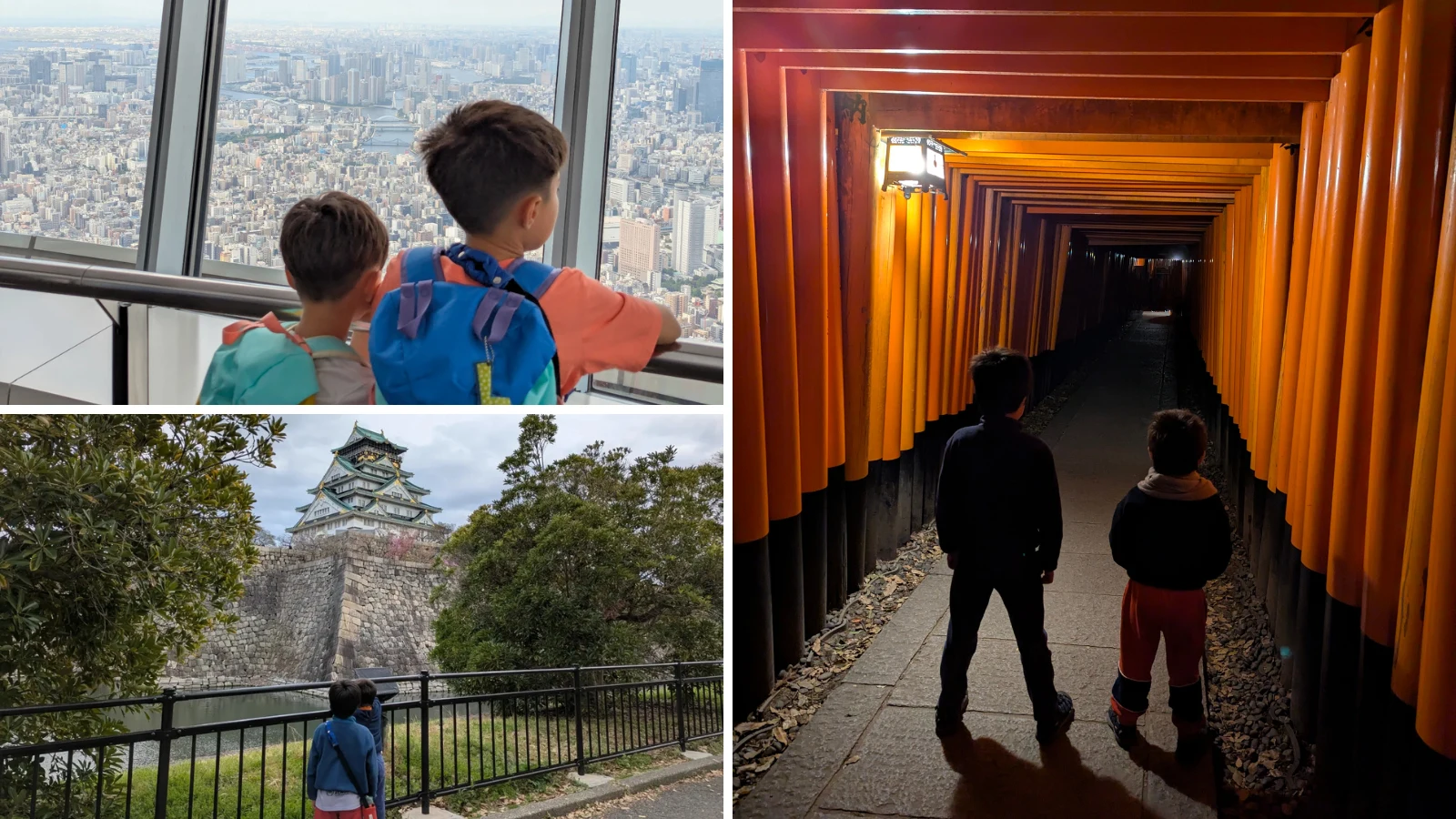
Japan often surprises families who expect it to be overwhelming, only to discover it’s one of the world’s easiest and most rewarding destinations with kids. Parents who wonder “is Japan family friendly?” quickly see that it combines safety, convenience, and culture in a way few countries can match.
But the benefits of travel to Japan go far beyond just fun. While kids are thrilled by castles and neon cityscapes, the real value for parents lies in the unique balance of the country. Beyond the excitement, the benefits include teaching children respect, resilience, and curiosity in a safe environment.
We know the worries, what if they won’t eat the food? What if they have a meltdown?. We don’t just share inspiration; we solve these problems with specific guides to make your trip smoother. If you are looking for the perfect family vacation, here are 10 reasons why the benefits of Japan make it the ultimate choice.
1. Safety & Cleanliness: Why Parents Feel at Peace
Few things matter more to parents than knowing their kids are safe. Japan consistently ranks among the safest countries in the world. It is common to see young elementary students navigating trains independently, a testament to the societal safety net. This sense of security extends to travelers. Whether you are exploring bustling Tokyo neighborhoods or the peaceful streets of Fukuoka, parents can lower their guard. Cleanliness is also a cornerstone here; public restrooms are readily available and spotless, meaning fewer worries about hygiene. This allows you to let go of typical travel stress and focus on being present.
2. Getting Around: Stress-Free Trains & Luggage Delivery
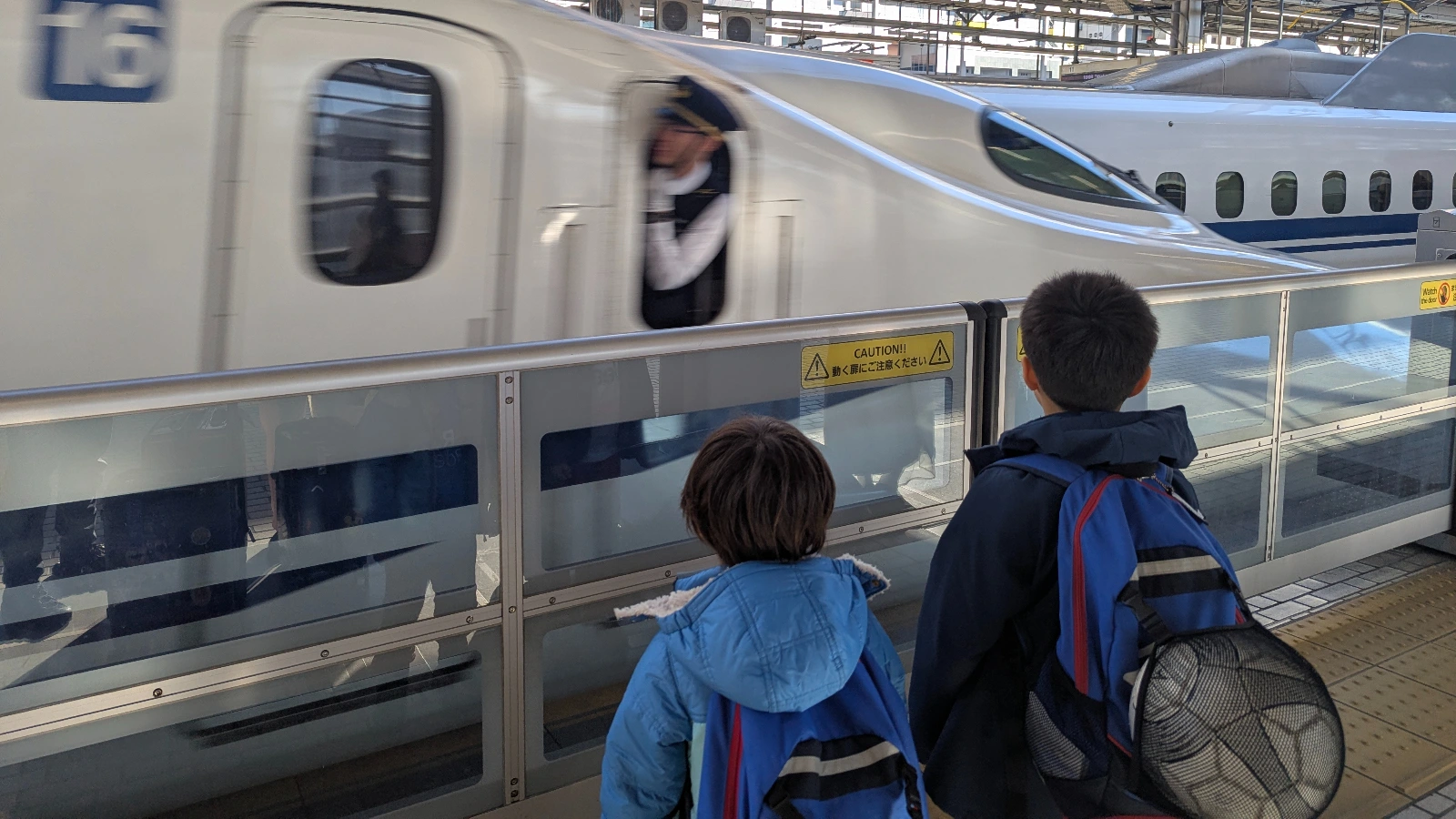
Getting around is part of the adventure. The Shinkansen (bullet train) turns long journeys into thrilling experiences with ample legroom and snack carts. For navigating cities, the metro systems are punctual and clean. While Tokyo’s web of trains can look intimidating, our guide to Tokyo Subway vs. JR Pass breaks down exactly what you need.
The LuNi Move: The biggest game-changer for parents is Takuhaibin (luggage delivery). You never have to drag suitcases and strollers through crowded stations. You can simply forward your bags to your next hotel. Read our full Japan Luggage Transfer & Delivery Guide to see how this service saves your back and your sanity.
The Family Fit Reality
Researching the endless details of a Japan family trip, from figuring out what to pack to managing your daily yen budget, is a massive undertaking that requires careful logistical preparation.
But here is the hidden trap most parents miss: all the practical preparation in the world won’t save your trip if your entire vacation hinges on the hope that “everyone will just cooperate”. If your plan collapses the moment someone gets overstimulated, it is built on hope, not capacity.
Removing the stress from this trip requires understanding exactly how your child processes a foreign environment. An Anchor needs you to pack specific familiarity tools to feel safe, and a Sensor needs you to plan for sensory overload before it happens. A Sprinter requires a strict physical energy budget to prevent exhaustion, while a Dynamo needs you to rewrite the standard rules of travel so they aren’t constantly being shushed in a culture that rewards stillness.
Stop guessing and discover exactly how your child’s energy is wired to travel. Before you finish your general planning, take the free, 60-second Family Fit Check to identify your family’s exact profile and unlock the personalized strategies that prevent daily meltdowns.
3. Japanese Culture: Temples & Shrines Kids Actually Like
Japan’s traditions are surprisingly hands-on. At Shinto shrines like Meiji Jingu, kids can clap, bow, and write wishes on ema plaques. At Buddhist temples like Senso-ji in Asakusa, they can wave incense for good health. Culture here isn’t “look but don’t touch.” It is immersive. You can hike through thousands of red gates at Fushimi Inari Taisha or visit the Great Buddha in Kamakura. If you are worried about “temple fatigue,” check our guide on Best Temples and Shrines for Kids, where we highlight locations with open spaces and engaging rituals.
4. Food in Japan: Dining Adventures for Picky Eaters
Japanese food is diverse and accommodating. From steaming ramen to conveyor-belt sushi (kaitenzushi), meals are entertaining. Even picky eaters usually love karaage (fried chicken) and udon noodles. For a budget-friendly option, convenience stores (Konbini) are lifesavers. They offer high-quality onigiri (rice balls), sandwiches, and hot foods that make for an easy, affordable picnic. If you are worried about costs, our Japan Budget Family Travel Tips explains how to eat well without breaking the bank.
5. Seasonal Guide: Nature & Weather Year-Round
Japan offers unforgettable experiences no matter when you visit. Spring brings cherry blossoms and picnic culture (hanami). Summer offers festivals and fireworks, like the Sumida River Fireworks Festival. Autumn paints the mountains in red and orange, perfect for hiking spots like Nikko, while winter turns the north into a snow paradise. Whether you are visiting the snowy Historical Village of Hokkaido or the tropical beaches of Miyako Island, nature is accessible. Unsure when to book? Consult our Japan Seasonal Family Guide to match the weather to your family’s travel style.
6. The “Old Meets New” Mix: History vs. Modern Fun
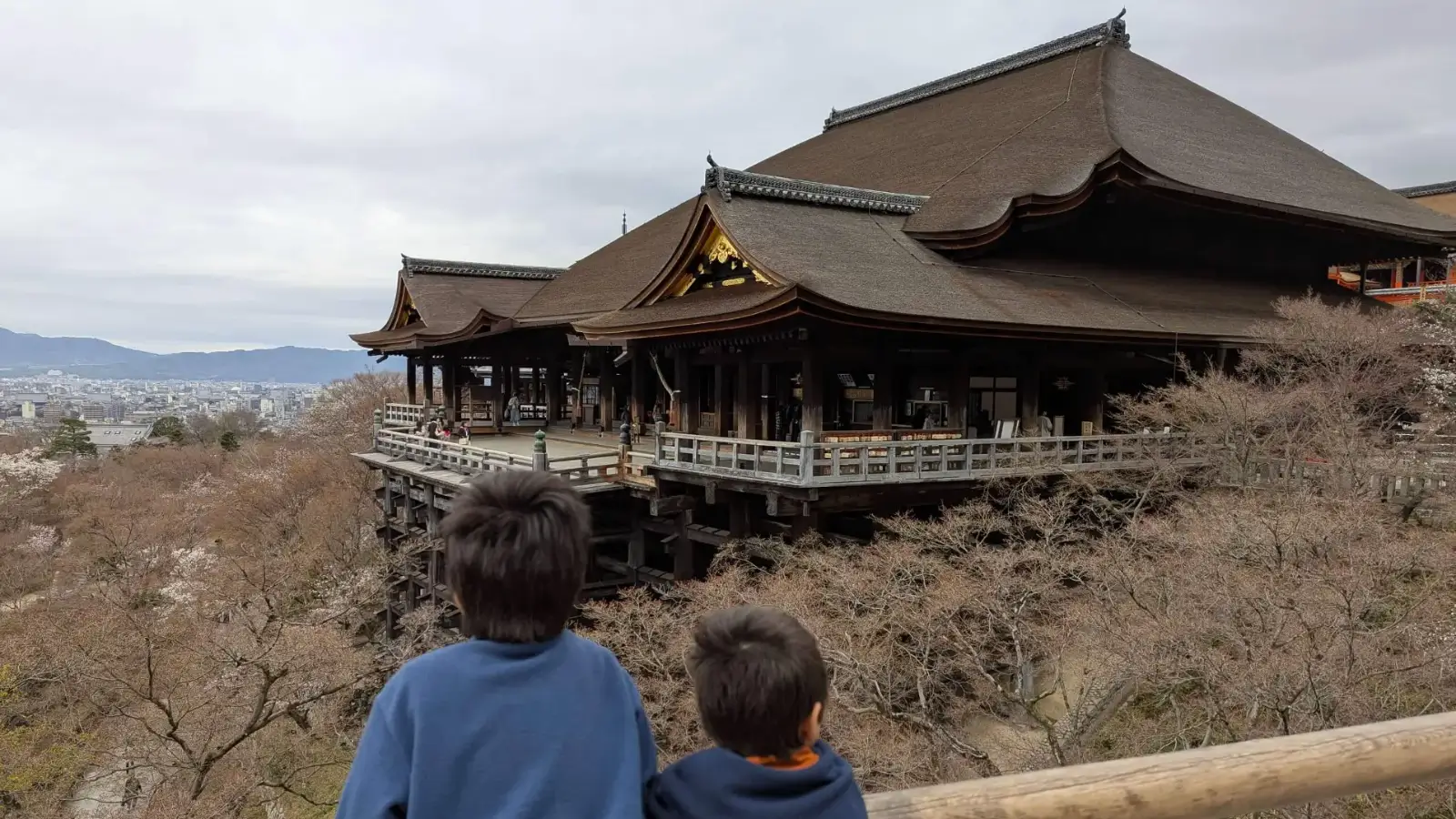
Where else can you visit a 400-year-old castle in the morning and a futuristic robot café in the afternoon? This mix ensures no family member feels left out. In Kyoto, you can experience the quiet reverence of Kiyomizu-dera. In Tokyo, you can dive into the digital art immersion of teamLab Planets or teamLab Borderless. This balance of history and pop culture keeps teenagers engaged while younger kids enjoy the sensory experiences.
Can’t decide between the digital art museums? We break down the pros and cons for families in our TeamLab Planets vs. Borderless Guide.
7. Best Family Attractions: Museums, Parks & Theme Parks
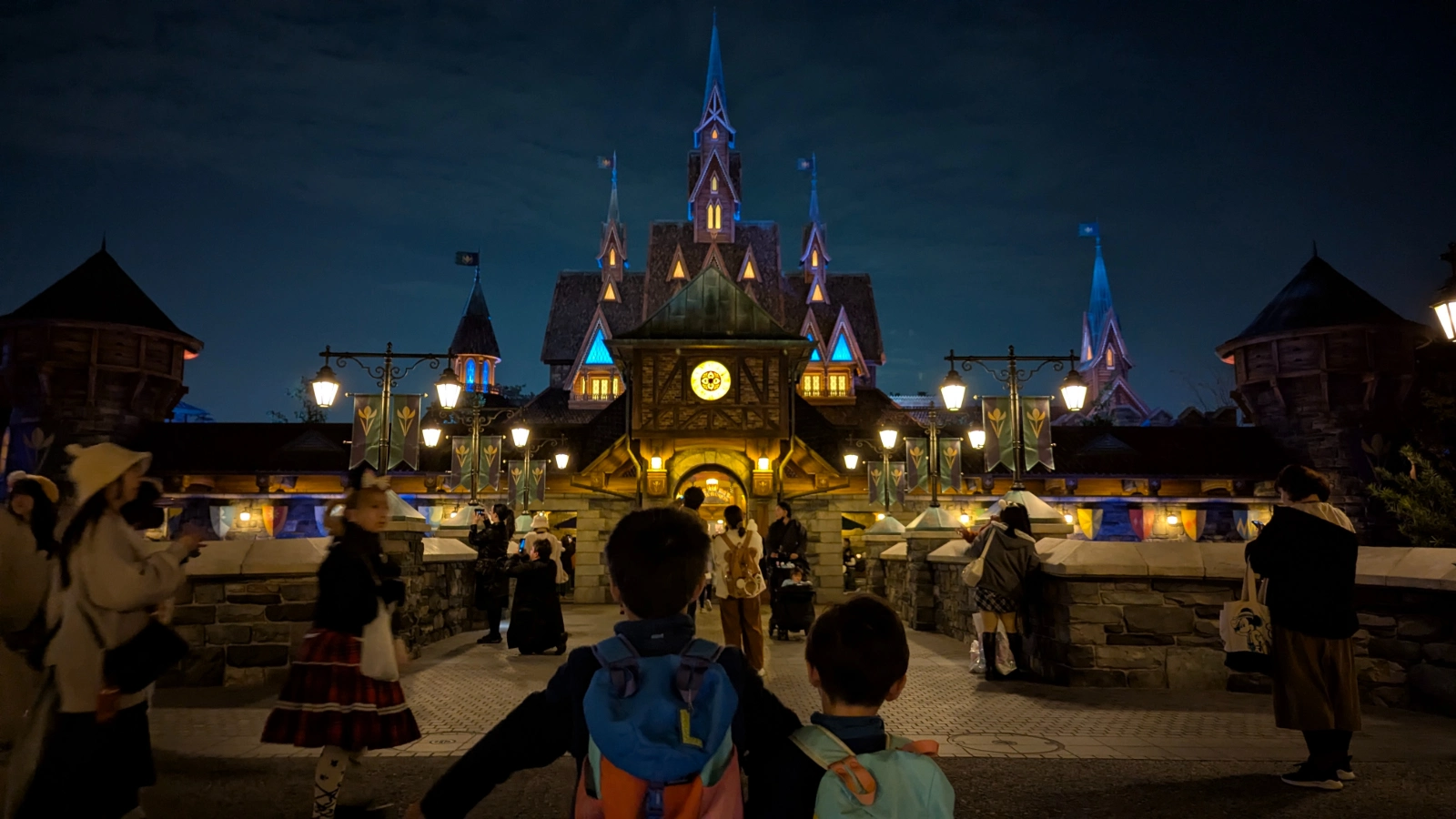
Japan celebrates children. You’ll find museums designed explicitly for play, such as Kids Plaza Osaka and the interactive Miraikan (Future Museum) in Tokyo. Theme park lovers are spoiled for choice with Tokyo Disneyland and DisneySea and Universal Studios Japan. But even smaller cities have incredible facilities; for example, the Saitama Railway Museum is a dream for train-obsessed toddlers. Check our curated list of Japan Attractions with Kids to find the best spots for your itinerary.
Luca & Nico’s Top 3 “Must-Do” Adventures:
- For Science Lovers: Miraikan (Tokyo) – Read our Luca & Nico Travel Journal: Miraikan to see why the robots blew their minds.
- For Active Kids: Tottori Sand Dunes – It’s a giant sandbox! See their full review in the Luca & Nico Travel Journal: Tottori Sand Dunes.
- For Sensory Fun: TeamLab Planets – Barefoot art? Yes, please. Check out the Luca & Nico Travel Journal: TeamLab Planets.
8. A Culture of Respect: Why Locals Welcome Families
Japanese society values politeness, which shapes how families experience travel. Children are treated kindly, often receiving small gifts or origami from restaurant staff. Traveling here also teaches kids the value of respect. Simple rituals, taking shoes off before entering a ryokan, waiting in orderly lines, or bowing, become small lessons in cultural appreciation. It is a safe environment to let your children practice independence, something we discuss in Why Japan is the Easiest Place to Travel with Kids.
9. Convenience Stores & Facilities: Built for Parents
Japan effectively removes the “logistical friction” of travel. Vending machines are on nearly every corner, meaning hydration (and warm coffee for parents) is never far away. Public amenities are superior; most train stations have clean, accessible toilets with baby chairs. Nursing rooms in department stores are often luxurious. If you are wondering what to bring vs. what to buy, our What to Pack for Japan with Kids guide covers the essentials so you don’t overpack.
10. Why Japan Grows With Your Family (Itineraries)
Japan isn’t a one-time trip. It evolves with your children. Toddlers love the aquariums and parks in Odaiba (read our Japan with Toddlers guide). School-aged kids enjoy the history of Hiroshima or the science centers (see our Japan with School-Age Kids tips). Teens can explore fashion in Harajuku or anime culture in Akihabara, and our Japan with Teens guide explains why this unique safety gives them a level of freedom they can’t get anywhere else. Whether you have 7 days or 2 weeks, Japan adapts to you. Start planning with our Japan 10-Day Itinerary with Kids or our 2-Week Itinerary to see how to pace your trip perfectly.
Parent Insight: One of Japan’s greatest gifts to traveling families is the way its safety allows parents to loosen their grip, just a little. Letting a child buy a ticket, choose the platform, or walk a few steps ahead creates low-risk moments of independence that build real confidence. In these small, supported experiences, kids often show a capability we don’t always see at home. Long after the trip ends, that sense of “I can do this” becomes one of the most meaningful things they bring back with them.
How to Plan a Family Trip to Japan
Japan is more than a destination; it’s a family story waiting to unfold. Every family moment, from sipping matcha to chasing Shinkansen trains, becomes a memory.
- Start Here: Visit our Japan Family-Friendly Travel Hub for our complete collection of city guides, itineraries, and travel tips.
- Get Specific: If you are already building your timeline, jump straight to our Planning a Family Trip to Japan step-by-step guide.
- Need a place to stay? Browse our list of Best Family Hotels in Japan, featuring pools and family-sized rooms.
Luca & Nico’s Tip: Every adventure in Japan can be a mission! Trains become rocket ships, temples hide secret clues, and convenience store snacks are your power-ups. The fun starts the moment you board!
FAQs: Why Japan Belongs on Every Family’s Travel List
Planning a family trip to Japan with kids? These FAQs answer common questions parents ask about safety, transport, food, and family-friendly attractions, and explain why Japan is one of the best destinations for families worldwide.
A: Yes, Japan is widely considered one of the best family destinations in the world. It combines high safety standards and impeccable cleanliness with world-class attractions. From interactive science museums in Tokyo to deer feeding in Nara, the country offers unique entertainment for children while remaining stress-free for parents.
A: Yes, Japan is consistently ranked as one of the safest countries in the world. Violent crime is extremely rare, and it is common to see young local children navigating subways independently. For tourists, this safety extends to lost property, which is frequently returned, and safe, walkable streets even at night.
A: Japan is suitable for every age group, but the experience varies by stage:
– Babies & Toddlers (0-4): Excellent facilities, including clean nursing rooms and stroller-friendly trains.
– School Age (5-12): Ideal for theme parks, castles, and hands-on history.
– Teens (13+): Perfect for exploring pop culture, anime districts like Akihabara, and fashion in Harajuku.
A: The main benefits of traveling to Japan with kids are safety, cleanliness, and educational value.
Specifically:
– Safety: Japan consistently ranks among the top 10 safest countries globally.
– Convenience: Public transport is punctual, stroller-friendly, and covers nearly every destination.
– Cleanliness: Public restrooms and parks are exceptionally well-maintained.
– Culture: Kids learn resilience and respect through interactive temple rituals and polite societal norms.
A: Not necessarily. While airfare can be expensive, daily travel in Japan can be surprisingly budget-friendly. You can save money by eating delicious meals at “Konbini” (convenience stores), utilizing rail passes for long-distance travel, and visiting the thousands of free temples, shrines, and parks.
A: Yes, Japan is very accommodating to picky eaters. Most restaurants offer “Okosama Lunch” (kid’s meal sets) that feature familiar items like mild curry, rice, hamburger steaks, and french fries. Additionally, convenience stores sell familiar Western staples like egg sandwiches, fried chicken, and fruit 24/7.
A: No, most families do not need a car. Japan’s public transportation system is world-class. In major cities like Tokyo, Kyoto, and Osaka, trains and subways are faster and cheaper than driving. Car rentals are generally only recommended for exploring rural areas like Hokkaido or Okinawa.
A: Yes, hotels in Japan are exceptionally family-friendly. Many provide specialized kids’ amenities like child-sized slippers, toothbrushes, and pajamas. Families can choose between modern Western-style hotels with cribs or traditional ryokan (inns), where families sleep together on tatami mats, preventing worries about children rolling out of bed.
A: A two-week trip is ideal for most families. This duration allows enough time to explore the “Golden Route” (Tokyo, Kyoto, and Osaka) at a relaxed pace without causing burnout. However, a 7 to 10-day trip is also sufficient to see the major highlights if you focus on just one or two regions.
A: Yes, Japan is a year-round destination for families. Each season offers unique draws:
– Spring: Cherry blossom picnics (hanami) in local parks.
– Summer: Fireworks festivals and warm beaches.
– Autumn: Comfortable weather and colorful foliage hikes.
– Winter: Snow festivals in Hokkaido and world-class skiing.
A: Absolutely. Beyond world-famous theme parks like Tokyo Disneyland and Universal Studios Japan, the country is filled with highly interactive education options. You can visit hands-on science museums in Tokyo, massive aquariums in Osaka, and unique animal encounters like the bowing deer in Nara or snow monkeys in Nagano.
A: Yes, Japan is one of the easiest countries to navigate with children. The public transport system is famous for being punctual and clean. Most train stations have elevators for strollers, and the Shinkansen (bullet train) offers spacious seating and clean restrooms, making long-distance travel far less stressful than flying or driving.
A: Japan stands out for its unique combination of safety, cleanliness, and convenience. Unlike many other destinations, parents rarely have to worry about petty crime or hygiene. Public restrooms are spotless, streets are safe to walk at night, and the culture of respect means families are welcomed rather than just tolerated.
A: While Japanese culture values quiet in public spaces, locals are generally understanding of tourists. To be respectful, avoid talking on phones on trains and try to keep volume down. If a child is crying, it is polite to briefly step off the train or go to the train deck until they settle.
A: Yes, but a compact, foldable travel stroller is best. While major stations have elevators, they can be hard to find. A smaller stroller makes it easier to navigate narrow restaurant aisles, crowded trains, and hotel rooms, which are often smaller than those in the West.
Stay curious, stay adventurous, and keep dreaming!
~ The LuNi Travels Family ~